
Quick Answer: Should You Choose a Strap or a Sleeve?
If you are dealing with lateral epicondylitis—commonly known as tennis elbow—selecting the right tennis elbow brace is a critical step in managing your discomfort and maintaining your active lifestyle. The choice between a counterforce strap and a compression sleeve depends primarily on when you experience pain, the intensity of your activities, and your specific recovery goals.
Counterforce straps are generally the superior choice for targeted pain relief during high-impact, repetitive, or heavy gripping activities. By applying direct pressure to the forearm tendon, a strap intercepts mechanical stress before it reaches the irritated elbow joint. This makes it highly effective for active sports and demanding physical tasks.
Compression sleeves offer overall joint warmth, mild support, and improved circulation. Rather than targeting a single tendon, a sleeve covers the entire elbow area to provide uniform compression. This makes sleeves ideal for low-intensity daily tasks, recovery periods between workouts, or managing mild, generalized joint stiffness.
Products mentioned in this guide

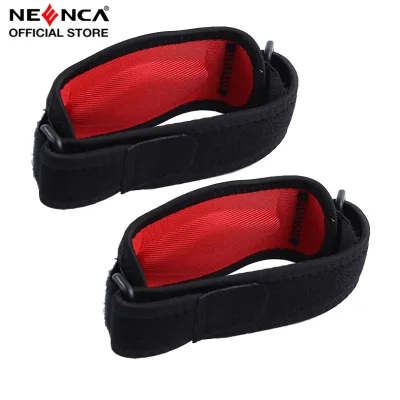
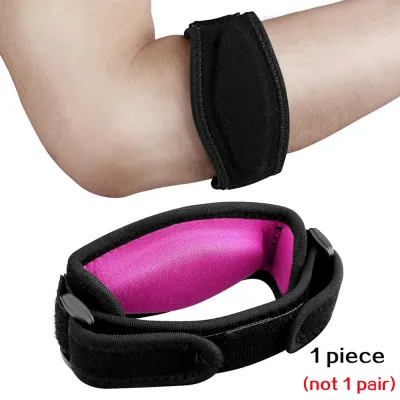
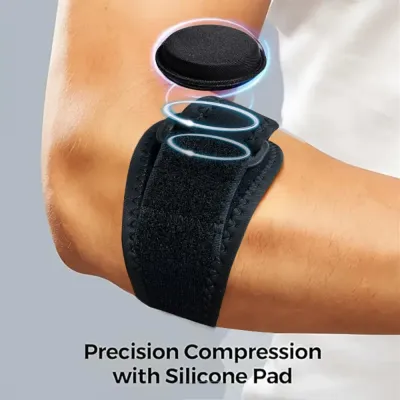
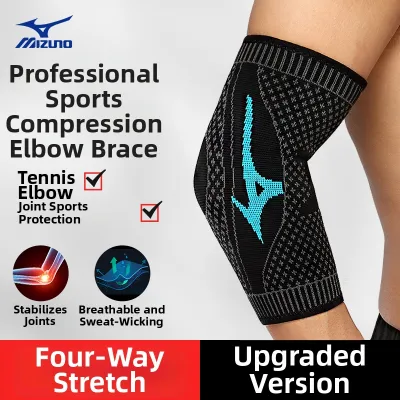
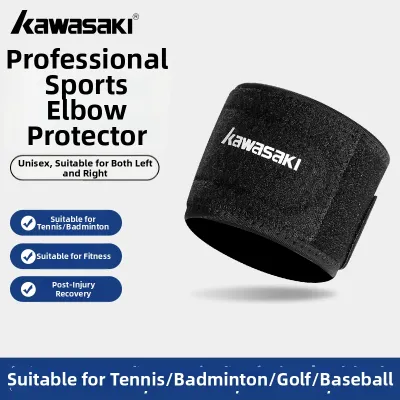
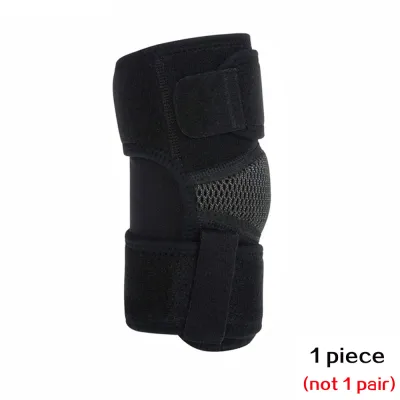
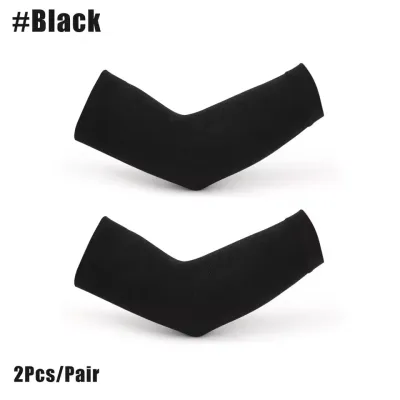
Prices are valid at publication and may change. Please refer to the product page for the latest price.
To help you decide quickly, consider this basic framework:
- Choose a counterforce strap if: You need direct, localized pressure on your forearm muscle during activities that involve heavy gripping, twisting, or impact, such as tennis, badminton, golf, weightlifting, or manual labor.
- Choose a compression sleeve if: You want uniform compression, joint warmth, and enhanced sensory feedback for mild discomfort, long hours of office typing, post-workout recovery, or light daily household chores.
- Verify your symptoms first: If you experience severe pain, visible swelling, localized redness, numbness, or tingling that radiates down to your fingers, stop immediately. Consult a healthcare professional before using any support, as braces are designed to manage symptoms rather than cure underlying structural issues.
How Counterforce Straps and Compression Sleeves Work
To make an informed decision, it is helpful to understand the different mechanical and physiological principles behind these two types of tennis elbow brace options.

The Mechanics of Counterforce Straps
Tennis elbow is typically caused by repetitive strain on the extensor carpi radialis brevis (ECRB) muscle, which connects to the lateral epicondyle—the bony bump on the outside of your elbow. When you grip an object or extend your wrist, tension travels up this muscle and pulls on the tendon insertion point, leading to micro-tears and inflammation.
A counterforce strap features a built-in pressure pad made of gel, foam, or air. When you fasten the strap tightly around your upper forearm, this pad presses directly into the extensor muscle belly. This localized pressure acts as a temporary anchor point, effectively shortening the functional length of the muscle.
By creating this secondary anchor, the strap alters the angle of the tendon’s pull and absorbs a significant portion of the force generated when you grip or lift. Instead of the mechanical shock traveling directly to the inflamed tendon insertion at the bone, it is absorbed by the strap, allowing the irritated tissue to rest even while your hand remains active.
The Physiology of Compression Sleeves
Compression sleeves operate on an entirely different physiological mechanism. Made from elasticated circular-knit fabrics, neoprene, or specialized performance yarns, a sleeve covers a broad area extending from the mid-forearm to the lower bicep.
Rather than concentrating force on a single point, a sleeve applies graduated, uniform pressure across the entire elbow joint and surrounding soft tissues. This pressure supports local blood circulation, which helps keep the joint warm, flexible, and responsive. Increased local warmth can reduce stiffness in the tendons and muscles, making daily movements feel smoother.
Furthermore, the constant contact of the sleeve against your skin enhances proprioception—your brain’s awareness of the joint’s position and movement. Improved proprioception can help you maintain better alignment and movement patterns, preventing awkward twists or overextension during daily activities.
Managing Your Expectations
It is crucial to recognize that neither a counterforce strap nor a compression sleeve is a biological cure for tendinopathy. These devices do not repair torn or degenerated tendon fibers.
Instead, they serve as external load-management tools. They reduce immediate discomfort and protect the tissue from excessive peak forces, creating a safer environment for your body to heal. True recovery relies on a combination of rest, load modification, and a targeted rehabilitation program focused on gradual tendon strengthening.
Strap vs Sleeve: Key Differences in Relief, Mobility, and Comfort
Choosing the right support requires evaluating how each design performs across several practical dimensions, especially when worn during sports or throughout a busy day.
Targeted Relief vs General Support
The most significant functional difference lies in the focus of the support. A counterforce strap is highly specialized; it does one job—unloading the extensor tendon—extremely well. If your pain is highly localized to the outer bony bump of your elbow and flares up specifically when you grip, lift, or twist, the targeted pressure of a strap provides the direct relief you need.
In contrast, a compression sleeve offers broad, generalized support. It does not possess the structural capability to unload a specific tendon. If your discomfort is diffuse, characterized by a dull ache throughout the entire elbow joint, or accompanied by mild stiffness after periods of inactivity, the uniform compression of a sleeve is more appropriate.
Mobility and Bulk
Because they serve different mechanical purposes, their physical profiles vary significantly. Counterforce straps are narrow, low-profile bands that typically measure between five and eight centimeters in width. They leave the actual elbow joint completely uncovered, allowing you to bend and straighten your arm without any material interference. This unrestricted joint mobility is highly valued by athletes who require a natural range of motion.
Sleeves cover the entire elbow joint, which inevitably introduces some bulk. Depending on the thickness of the material, a sleeve can bunch up in the cubital fossa (the inside crease of your elbow) when you bend your arm. This bunching can feel restrictive during rapid, repetitive movements and may cause minor skin chafing over extended periods of use.
Heat and Sweat Management
For anyone living or exercising in a hot and humid climate like Singapore, thermal comfort is a major consideration. Outdoor tennis or badminton courts can quickly become incredibly warm, making heat dissipation a priority.
- Straps: Because they cover only a small strip of the forearm, straps allow the rest of your arm to remain exposed to the air. This minimal coverage facilitates natural sweat evaporation and heat dissipation, making straps highly comfortable for long outdoor sessions in humid weather.
- Sleeves: Sleeves trap body heat and sweat against the skin. While this thermal retention is beneficial for warming up stiff tendons before a workout, it can quickly become sweaty and uncomfortable during intense outdoor activities. If you opt for a sleeve in a warm climate, selecting a highly breathable, moisture-wicking knit fabric is essential.
Ease of Use and Placement
Using these devices correctly requires different levels of attention. A counterforce strap demands precise anatomical placement to be effective. You must position the pressure pad approximately two finger-widths (about two to three centimeters) below your elbow crease, directly over the muscle belly that tenses when you lift your wrist. Placing it too high, too low, or off-center will render the device ineffective.
Sleeves are much simpler to use: you simply slide them up your arm until the center of the sleeve aligns with your elbow joint. However, achieving a perfect fit is critical. If a sleeve is slightly too large, it will slide down your arm during movement; if it is too small, it can constrict blood flow and cause discomfort.
Matching the Brace to Your Sport and Symptom Severity
To get the most out of your tennis elbow brace, you should match the device to the specific physical demands of your activities and the timing of your symptoms.
High-Impact Sports and Heavy Lifting
Racquet sports such as tennis, badminton, and squash, as well as golf and weightlifting, place sudden, high-velocity forces on the forearm muscles. The rapid wrist extension required to strike a ball, or the intense isometric gripping needed to hold a heavy barbell, creates massive peak loads on the extensor tendon.
For these dynamic activities, a counterforce strap is the industry standard. The strap actively dampens the shock and vibration of impact, protecting the tendon from the repetitive, micro-traumatic forces inherent in these sports. If you play competitive sports or lift weights regularly, a strap should be your primary choice during active play.
Office Work and Repetitive Daily Tasks
Many individuals suffer from lateral epicondylitis without ever picking up a racquet. Repetitive office tasks, such as typing, using a computer mouse, or assembling light components, can cause chronic, low-grade strain on the forearm. This is often referred to as “mouse elbow.”
For prolonged desk work, comfort and low-profile design are key. A lightweight, highly breathable compression sleeve is often preferred for office environments. It fits easily under long-sleeved shirts, keeps the joint comfortably warm in air-conditioned offices, and provides mild, reassuring support without the aggressive pressure of a strap. Alternatively, a very slim, soft counterforce strap can be worn if specific mouse clicking or lifting tasks trigger sharp pain.
Post-Activity Recovery
Managing tennis elbow does not stop when your game or workday ends. Active recovery is essential for promoting tissue repair and reducing post-activity soreness.
During rest periods or on non-training days, a compression sleeve is highly beneficial. The gentle, uniform pressure keeps blood circulation active, which assists in delivering oxygen and nutrients to the recovering tissues while helping to flush out metabolic waste.
Conversely, you should avoid wearing a counterforce strap during extended rest or sleep. Because a strap relies on tight, localized pressure, wearing it when your muscles are inactive can unnecessarily restrict blood flow and compress local nerves, which can hinder the recovery process.
What to Check Before You Buy: Sizing, Materials, and Grip
When shopping for a tennis elbow brace, focusing on specific design features and specifications will ensure you select a product that is both comfortable and effective.
Sizing Accuracy
An ill-fitting brace can aggravate your condition rather than help it. Before purchasing, carefully measure your arm using a flexible measuring tape, and compare your measurements directly to the manufacturer’s specific sizing chart.
- For Straps: Measure the circumference of your upper forearm, approximately two to three centimeters below your elbow crease, while your muscle is slightly tensed.
- For Sleeves: Measure the circumference around the center of your elbow joint, and in some cases, the circumference of your lower bicep and mid-forearm.
Never guess your size based on clothing sizes, as sizing standards vary significantly between sports medicine brands.
Material Considerations
Because Singapore’s tropical climate promotes sweating, material selection is vital for skin health and overall comfort.
- Breathability: Look for advanced flat-knit fabrics, perforated neoprene, or open-weave synthetic blends. These materials allow air to circulate, helping to keep your skin dry.
- Skin Sensitivities: If you have sensitive skin or are prone to heat rashes, search for neoprene-free and latex-free alternatives. Hypoallergenic nylon-spandex blends or medical-grade circular knits can help prevent contact dermatitis during long wear.
Fastening and Anti-Slip Features
A brace that slips out of position during a match or a workout is highly frustrating and loses its therapeutic benefit.
- For Straps: Evaluate the quality of the hook-and-loop (Velcro) fastening system. Look for wide, durable straps with robust plastic D-rings that allow you to adjust the tension easily with one hand. Double-strap or counter-buckle designs can offer more secure, balanced tightening.
- For Sleeves: High-quality compression sleeves often feature integrated silicone grip strips or wave patterns along the top inside cuff. These silicone elements grip the skin gently, preventing the sleeve from rolling down or sliding during sweaty, high-intensity movements.
Pad Design (Straps)
If you decide on a counterforce strap, pay close attention to the composition of the internal pressure pad:
- Gel Pads: These conform dynamically to the unique contours of your forearm. They provide comfortable, slightly cushioned pressure and are excellent at dampening high-frequency vibrations from racquet impacts.
- Foam Pads: These tend to be firmer and more rigid. They offer a highly focused, uncompromising point of pressure, which is ideal if you require substantial mechanical unloading during heavy lifting or high-load manual tasks.
Safety Limits and When to Seek Professional Care
While a tennis elbow brace is an excellent self-management tool, it must be used safely and responsibly to avoid secondary complications.
Warning Signs to Monitor
Always pay close attention to how your arm feels while wearing a brace. You should immediately loosen or remove the device if you experience any of the following symptoms:
- Numbness or a "pins and needles" sensation in your forearm, hand, or fingers.
- Coldness, paleness, or bluish discoloration in your fingers or hand.
- An increase in throbbing or sharp pain rather than a reduction in discomfort.
- Skin irritation, deep red indentations, or blistering under the strap or sleeve.
These signs indicate that the brace is fastened too tightly, restricting healthy blood circulation or compressing major nerves (such as the radial or ulnar nerves).
Safe Usage Limits
Avoid wearing any brace continuously throughout the day. Your muscles and tendons need periods of unassisted movement to maintain their natural strength and flexibility.
As a general rule, wear a counterforce strap only during the specific activities that trigger your pain, and remove it immediately afterward. Compression sleeves can be worn for longer stretches, but they should still be removed every few hours to allow your skin to breathe. Never wear a strap or a tight sleeve while sleeping, as your body’s natural circulation slows down during rest.
When to Consult a Professional
Remember that a brace is a supportive accessory, not a comprehensive treatment plan. If your elbow pain persists for more than a few weeks despite using a brace, or if it begins to interfere with basic daily tasks like holding a coffee mug or turning a doorknob, you should seek a professional medical evaluation.
A qualified physiotherapist or sports medicine physician can provide an accurate diagnosis to rule out other issues, such as radial tunnel syndrome or cervical spine referred pain. They can also design a customized rehabilitation program. This program typically includes targeted eccentric strengthening exercises—such as using a flexible rubber resistance bar—and soft tissue therapy, which are the true gold standards for achieving long-term, pain-free recovery.
Community discussion
Share your experience or ask a question. Comments are reviewed before publication.