
Quick Answer: The Most Forgiving Tennis String for Beginners
For players just starting their tennis journey, the most forgiving and comfortable tennis string options are multifilament and synthetic gut. These materials offer a soft, elastic feel that absorbs impact shock, helping to keep the ball deep in the court even when your contact is slightly off-center.
In contrast, polyester strings are generally too stiff for beginners, requiring high swing speeds to generate power and potentially causing arm discomfort. Natural gut strings offer exceptional performance but come with a premium price tag and high sensitivity to moisture, making them less practical for those still learning the basics. Ultimately, the ideal choice balances physical comfort, your personal budget, and how often you step onto the court.
The 4 Main Types of Tennis Strings Compared
Understanding the structural differences between the four primary tennis string materials helps clarify how they behave on the court and why certain types suit specific skill levels.
Products mentioned in this guide
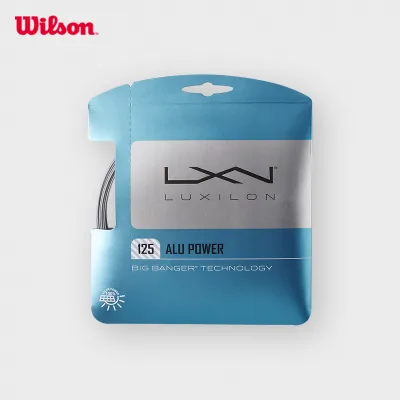
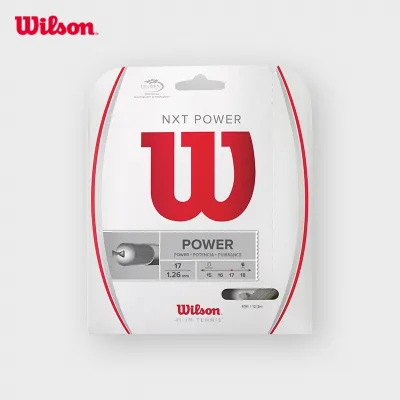
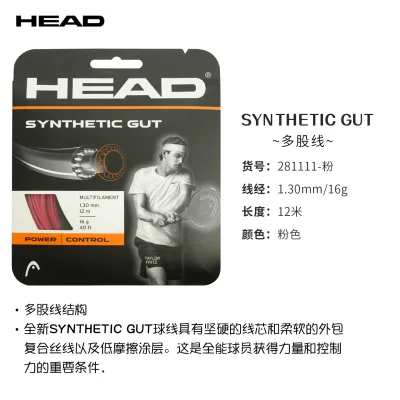
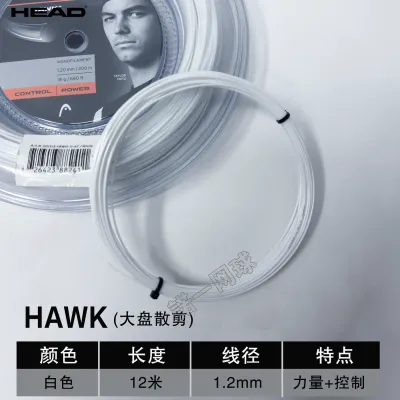
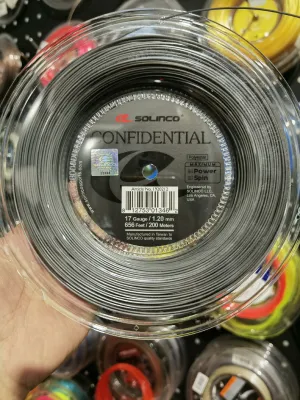
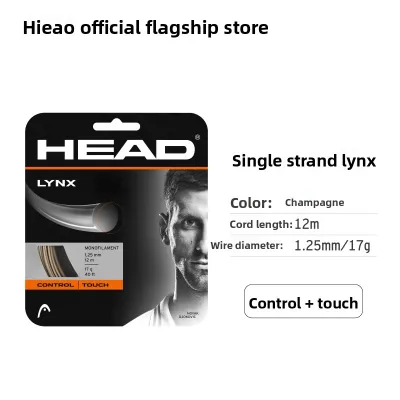
Prices are valid at publication and may change. Please refer to the product page for the latest price.

Synthetic Gut
Synthetic gut is typically constructed with a solid single nylon core wrapped in smaller protective filaments. This design provides a highly balanced, all-around performance at an affordable price point. While it does not excel dramatically in any single category like spin or extreme comfort, it offers a reliable, cost-effective entry point for casual players.
Multifilament
Multifilament strings are engineered from thousands of ultra-fine synthetic fibers wrapped together and coated with a protective sheath. This construction closely mimics the elastic properties of natural gut. It delivers excellent shock absorption and easy power, which helps beginners who are still developing their swing technique. However, because of the delicate fibers, these strings tend to fray and wear out faster than solid-core options.
Polyester (Poly)
Polyester strings consist of a single, solid co-polyester filament, often referred to as monofilament. This stiff design is built for advanced players who swing fast and need maximum control and spin. For beginners, polyester feels stiff and unforgiving, offering very little built-in power. Using it without established technique can lead to early arm fatigue and short, inconsistent shots.
Natural Gut
Natural gut is manufactured from organic fibers, specifically cow serosa. It provides the highest level of elasticity, comfort, and tension stability available. However, natural gut is highly sensitive to moisture and rain, which can quickly ruin the material. Its premium cost makes it an impractical investment for beginners who are still refining their contact point.
Material Comparison Summary
| String Type | Comfort Level | Durability | Control | Power | Relative Price |
|---|---|---|---|---|---|
| Synthetic Gut | Moderate | Moderate | Moderate | Moderate | Budget-Friendly |
| Multifilament | High | Low to Moderate | Moderate | High | Moderate |
| Polyester | Low | High | High | Low | Moderate |
| Natural Gut | Very High | Low (Moisture Sensitive) | High | High | Premium |
Why String Material Matters for Beginner Players
The physical properties of your tennis string directly influence your learning curve, physical comfort, and overall enjoyment of the sport.
Forgiveness and Sweet Spot
Beginners are still developing their hand-eye coordination, which often results in off-center hits. Softer strings like multifilament stretch more upon contact, effectively widening the usable hitting area, or sweet spot, of the racket. This elasticity helps propel the ball back over the net with decent depth, even when you do not strike the ball perfectly in the center of the frame.
Arm Comfort and Injury Prevention
Developing a clean tennis stroke takes time and practice. During this learning phase, off-center hits and improper technique send harsh vibrations up the racket handle. Stiff strings like polyester do not absorb these vibrations, transferring the shock directly to your wrist, elbow, and shoulder. Opting for a softer string acts as a cushion, reducing the risk of early muscle strain or joint discomfort.
Tension Maintenance
Every tennis string begins to lose tension the moment it is pulled on a stringing machine. When strings lose tension, they lose their crisp feel and predictable response. Beginners need a consistent response to build reliable muscle memory. Synthetic gut and multifilament strings hold their tension much better over time than polyester, ensuring that your racket feels consistent from one week to the next.
Building Your First String Setup: Actionable Steps
Selecting and configuring your first beginner-friendly string setup involves a few practical decisions regarding material, tension, and thickness.
Matching Material to Budget and Frequency
If you only play occasionally—perhaps once every few weeks—synthetic gut is an excellent, budget-friendly choice that will not degrade quickly while sitting in your bag. If you practice regularly, such as once or twice a week, and want to prioritize arm comfort, investing a bit more in a multifilament string is highly beneficial.
Selecting the Right Tension
When you take your racket to a local pro shop or certified stringer, you must specify the tension. Rackets have a recommended tension range printed on the inside of the frame, often between 50 to 60 pounds. For beginners, it is wise to request a tension at the lower end of this recommended range. Lower tension allows the string bed to deflect more, providing easy depth and extra comfort. Always verify the printed limits on your specific racket frame before choosing a tension.
String Gauge (Thickness)
Tennis strings come in different thicknesses, known as gauges, typically ranging from 15 (thickest) to 18 (thinnest). Thicker gauges, such as 16-gauge, offer greater durability and resist wearing down or notching where the strings cross. Thinner gauges, such as 17-gauge, offer a softer feel and better grip on the ball but break more easily. Beginners should generally start with a standard 16-gauge string to get a reliable balance of durability and feel.
When to Restring
You do not have to wait for a string to snap before replacing it. For beginners, look for physical signs of wear. If you use multifilament, you will notice the outer coating wearing away and the individual microfibers starting to fray like a piece of string. For synthetic gut, look for deep notches worn into the intersections of the strings. Additionally, if the strings feel completely dead, loose, or if you find yourself swinging harder just to get the ball to the baseline, it is time to visit a stringer.
Frequently Asked Questions (FAQ)
Should beginners use hybrid string setups?
A hybrid setup involves using one type of string for the vertical mains and a different type for the horizontal crosses, such as combining stiff polyester with soft multifilament. While this is popular among intermediate and advanced players looking to blend control and comfort, it is unnecessary for beginners. Starting with a full bed of a single, forgiving material provides a consistent, predictable response across the entire string bed, which is essential for learning proper stroke mechanics.
How often should a beginner restring their tennis racket?
A common rule of thumb in the tennis community is to restring your racket as many times per year as you play per week. For example, if you play twice a week, you should aim to restring your racket at least twice a year. Even if the strings do not break, the synthetic materials naturally lose their elasticity and tension over time due to environmental factors like heat and humidity. Check the string manufacturer’s care guidelines for specific recommendations on material longevity.
Does string color or brand matter for beginners?
The color of a tennis string is purely aesthetic and has no impact on its physical performance or playability. Similarly, while major brands offer high-quality options, you do not need to pay a premium for brand marketing. Focus instead on the underlying material type, such as multifilament or synthetic gut, and the gauge. To ensure you are getting authentic products and proper installation, purchase your strings and services from reputable local sports retailers or certified racket stringers.
Community discussion
Share your experience or ask a question. Comments are reviewed before publication.