
Choosing the right tension belt—commonly referred to as a lifting belt—depends on matching the belt’s rigidity, width, and fastening mechanism to your specific training style, physical dimensions, and lifting experience. A belt does not act as a structural replacement for a weak core, nor does it mechanically protect your spine from poor lifting form. Instead, it serves as a rigid external wall. When you take a deep breath and brace your abdominal muscles, they push against this wall, significantly increasing intra-abdominal pressure to stabilize your torso under heavy loads. Finding the perfect belt requires evaluating your primary exercises, understanding different materials, and verifying the correct fit.
Assess Your Training Needs and Belt Applicability
Before purchasing a tension belt, you must determine if your current training phase actually warrants one. A belt is a highly effective tool, but it is not a piece of beginner equipment. You are ready to introduce a belt to your training when you can consistently execute compound lifts with proper, unassisted bracing technique, and when your progress on heavy sets is limited by torso stability rather than leg or hip strength. Relying on a belt too early can prevent you from developing the foundational core strength required for long-term progress.
Certain exercises benefit immensely from the use of a tension belt, while others derive virtually no advantage. Heavy compound movements that place a high axial load on the spine—such as back squats, deadlifts, overhead presses, and clean variations—are the primary candidates for belt usage. The external feedback allows you to generate maximum tension to keep your spine neutral. Conversely, accessory movements, machine-based exercises, and isolation work like bicep curls or leg extensions do not require a belt. Using a belt during these movements simply restricts your breathing and offers no performance or safety benefits.
Products mentioned in this guide
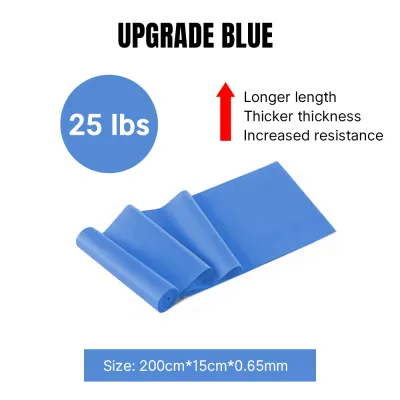
Prices are valid at publication and may change. Please refer to the product page for the latest price.
There are also specific scenarios where you should actively avoid using a belt. If you are recovering from abdominal, hernia, or pelvic floor injuries, you must avoid heavy bracing against a belt until cleared by a medical professional. Additionally, a belt should never be used to mask pain or bypass mobility limitations. If your lower back hurts during a squat, wrapping a belt tighter to push through the pain is a high-risk action that can lead to severe injury. Address the underlying movement mechanics first before adding external support.
Understanding How Different Tension Belts Work
Tension belts are categorized primarily by their fastening mechanisms and materials, each offering a distinct balance of rigidity, adjustability, and comfort. Understanding these differences is crucial for selecting a belt that aligns with your daily training flow.

Lever belts represent the pinnacle of rigid support and convenience. They utilize a heavy-duty metal lever system that allows you to lock the belt to an exact, pre-set tightness with a single pull, and release it instantly after your set. This rapid release is highly beneficial during intense training sessions where you need to catch your breath immediately. However, lever belts lack on-the-fly adjustability. If your body weight fluctuates, or if you want to wear the belt slightly looser for deadlifts than for squats, you will need a screwdriver to adjust the position of the lever plate.
Prong belts offer a traditional buckle design, available in single-prong and double-prong configurations. They are highly adjustable, allowing you to change the tightness easily between different exercises or clothing layers. Single-prong belts are generally preferred over double-prong versions. A single prong provides identical support and is significantly easier to pull tight and release on your own. Double-prong belts can be incredibly frustrating to undo when your core is fatigued after a heavy set.
Nylon and Velcro belts provide flexible support with moderate tension. Instead of rigid leather, they use heavy-duty nylon webbing secured by a hook-and-loop fastening system. These belts conform closely to the contours of your body and allow for a full, unrestricted range of motion. They are highly comfortable and lightweight, making them excellent for dynamic movements, circuit training, or functional fitness workouts where you transition quickly between lifting and cardiovascular exercises.
When evaluating any belt, perform a thorough material and construction check. For leather belts, look for genuine sole leather or layered suede rather than cheap synthetic split-leather, which can stretch or crack under high pressure. Inspect the stitching along the edges; double or quadruple stitching with heavy-duty nylon thread indicates a belt built to withstand years of heavy bracing. For nylon belts, verify that the Velcro strap is wide and backed by a secure steel roller buckle to prevent the strap from popping open mid-lift.
Matching the Belt to Your Specific Training Style
Your primary lifting discipline dictates the ideal shape, width, and thickness of your tension belt. Choosing a belt designed for your specific sport ensures optimal performance without interfering with your movement mechanics.
Powerlifting demands maximum rigidity and uniform support. Powerlifters typically use a cylinder-style belt that is 4 inches (approx. 10 cm) wide all the way around. This uniform width ensures that your abdominal wall has the exact same surface area to push against at the front as your lower back has at the rear. These belts are usually made of thick, stiff leather to maximize intra-abdominal pressure during low-rep, near-maximal squats and deadlifts.
Olympic Weightlifting requires a very different design due to the dynamic nature of the lifts. Weightlifters need a tapered belt, which is typically 4 inches wide in the back but narrows to 2 inches at the sides and front. This tapered design prevents the belt from colliding with the barbell during the clean or snatch, and allows you to drop into a deep, unrestricted catch position without the leather digging painfully into your ribs or hips.
General strength training and bodybuilding benefit from a hybrid approach. If your routine involves a mix of heavy compound lifts, dumbbell work, and high-rep hypertrophy sets, a highly rigid 13mm powerlifting belt will likely feel too restrictive. Instead, a flexible 10mm leather belt or a premium reinforced nylon belt offers the perfect balance of support and comfort, allowing you to move freely through varied exercise angles while still providing a solid wall to brace against.
When selecting thickness, 10mm and 13mm are the industry standards for leather belts. A 10mm belt is highly versatile, easier to break in, and provides more than enough support for the vast majority of lifters. A 13mm belt is extremely stiff and is generally reserved for competitive powerlifters moving massive loads. Additionally, if you plan to compete, always verify your belt’s dimensions against your specific federation’s rulebook to ensure compliance.
Sizing, Fit, and Pre-Purchase Verification
An improperly sized belt is both uncomfortable and ineffective. To ensure your belt functions correctly, you must follow a precise measurement and fitting protocol before making a purchase.
To find your correct size, do not rely on your pants waist size. Instead, take a flexible measuring tape and measure your torso circumference directly at the level of your navel, which is where the belt will actually sit. Keep your stomach relaxed and pull the tape snug but not tight. Always compare this measurement directly to the manufacturer’s specific sizing chart, as sizing standards vary significantly between brands.
Once you receive your belt, perform a fit check. Put the belt on and position it where it feels most comfortable—typically just above your hip bones. Take a deep diaphragmatic breath and brace your core. You should feel your abdomen expand firmly against the belt, creating a secure, unyielding lock. If you cannot draw a full breath into your belly, or if your breathing is restricted to your upper chest, the belt is too tight. If you can easily slide your hand between your relaxed stomach and the belt, it is too loose to provide effective feedback.
Be prepared for an initial break-in period if you choose a stiff leather belt. Out of the box, high-quality leather can feel incredibly rigid and may cause minor bruising around your hips or ribs. You can accelerate the break-in process by manually rolling the belt back and forth, or simply wearing it during your warm-up sets. Over time, the leather will soften and mold to your unique body shape.
Always pay attention to safety stop conditions. If a belt causes sharp, pinching pain, severe bruising, or numbness in your hips or legs, cease use immediately. A belt should provide firm, supportive feedback, not physical distress. If discomfort persists despite adjusting the position or tightness, consult a qualified coach or a medical professional to evaluate your lifting mechanics and belt placement.
Frequently Asked Questions (FAQ)
Should I wear a tension belt for every set?
No, you should reserve your tension belt for your heavy working sets, typically those at or above 80% of your one-rep maximum. Using the belt for light warm-up sets can prevent you from developing and maintaining your natural, unassisted intra-abdominal bracing capability. Focus on building a strong core foundation first, then use the belt as a performance multiplier when the loads become highly demanding.
How do I know if my belt is too tight or too loose?
You can determine the correct tightness by performing a simple breathing test. Put the belt on, take a deep breath into your belly, and brace. If you cannot expand your abdomen at all or find yourself breathing entirely into your chest, the belt is one notch too tight. Conversely, if the belt shifts, slides up your torso, or gaps significantly when you brace during a lift, it is too loose. The belt should feel like a snug, secure cylinder that only becomes highly pressurized when you actively brace your core.
Community discussion
Share your experience or ask a question. Comments are reviewed before publication.