
When shopping for a camp tent, the technical specifications printed on the packaging—such as 1000mm, 3000mm, or 5000mm—can feel like abstract numbers. In simple terms, these ratings indicate the level of water pressure a tent fabric can withstand before moisture begins to penetrate the material. A higher rating represents superior resistance to heavy rain and wind-driven storms, while a lower rating is designed for fair weather and light, brief showers.
Selecting the ideal waterproof rating depends on your specific camping environment, expected weather patterns, and how much physical pressure the fabric must endure. Understanding how these measurements work helps you avoid buying an unnecessarily heavy or expensive shelter, while ensuring you stay dry when weather conditions deteriorate.
How Waterproof Ratings (Hydrostatic Head) Are Actually Measured
The waterproof rating of a camp tent is determined using a standardized laboratory test known as the Hydrostatic Head (HH) test. During this evaluation, a piece of the tent fabric is pulled taut and clamped at the bottom of a vertical tube. Technicians then fill the tube with water, gradually increasing the height of the water column—or applying equivalent mechanical pressure—until water droplets penetrate the fabric in three distinct places.
Products mentioned in this guide
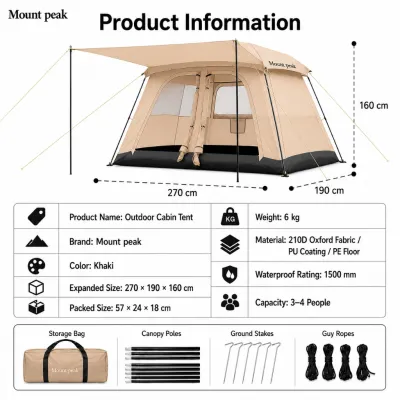
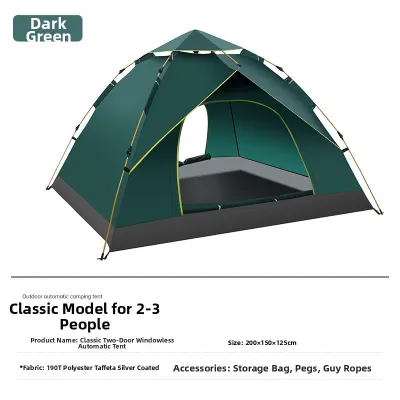
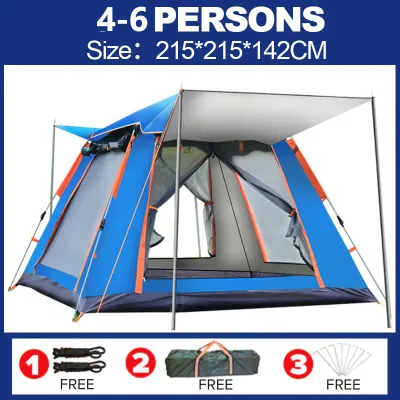
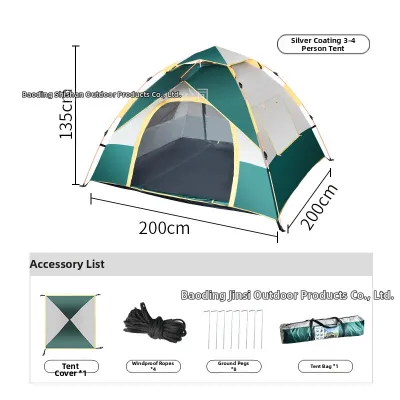
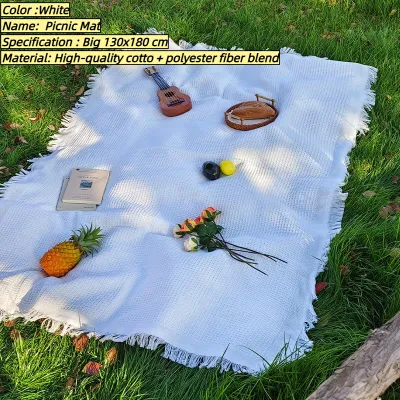
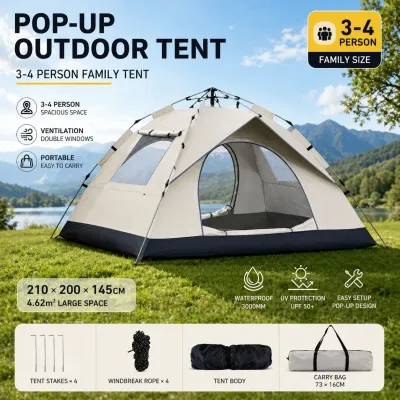
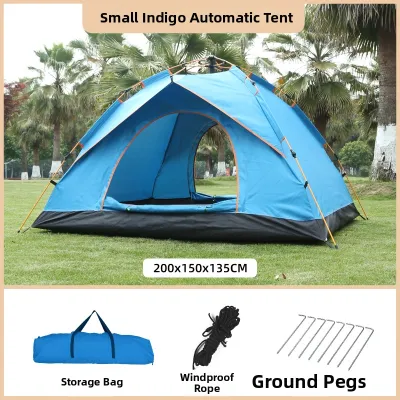
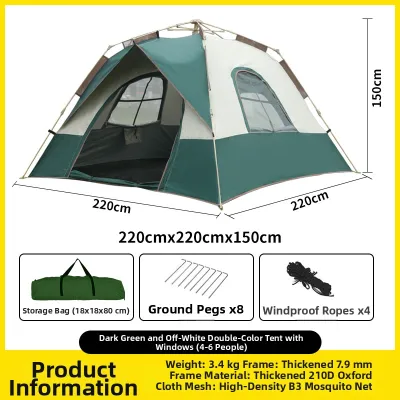
Prices are valid at publication and may change. Please refer to the product page for the latest price.
The final rating is expressed in millimeters (mm), representing the maximum height of the water column the fabric could support before leaking. For instance, a fabric rated at 3000mm can withstand a 3,000-millimeter (three-meter) column of water pressing down on it. This standardized testing mechanism ensures that outdoor brands can provide a verifiable baseline of water resistance across different materials and manufacturing runs.
A common misconception among campers is that a 3000mm rating means the tent can withstand 3,000 millimeters of actual rainfall. In reality, the rating measures pressure resistance rather than precipitation volume. Rain falling from the sky carries kinetic energy, and when wind drives that rain directly against your tent, the impact pressure increases significantly. Physical contact, such as wind gusts pushing the rainfly against the inner tent poles or gear leaning against the fabric, also subjects the material to localized hydrostatic pressure.
What 1000mm, 3000mm, and 5000mm Mean in Real-World Rain
To choose the right camp tent, you must translate these laboratory measurements into the actual weather conditions you expect to encounter. While a higher rating offers a larger safety margin, matching the rating to your specific environment prevents you from carrying excess weight or overspending.

1000mm – 1500mm: Light Showers and Fair-Weather Camping
A rating between 1000mm and 1500mm represents the entry-level threshold for a fabric to be practically classified as waterproof. While some regions consider anything over 1000mm legally waterproof, this range is strictly designed for mild, predictable weather conditions.
Tents within this rating bracket are highly suitable for casual summer camping, backyard sleepovers, or festival use where heavy storms are unlikely. They easily shed light, brief drizzles and dew, making them lightweight and highly portable options for fair-weather outings.
However, these lower-rated fabrics face clear operational limits. Sustained rainfall, strong winds, or touching the inside of the wet fabric can quickly cause moisture to seep through. If you anticipate sudden weather shifts, relying on a 1000mm rainfly can lead to a damp and uncomfortable interior.
2000mm – 3000mm: Heavy Downpours and Standard Three-Season Tents
The 2000mm to 3000mm range is widely considered the sweet spot for recreational campers and backpackers. This level of protection serves as the standard for high-quality, reliable three-season camp tents designed to handle unpredictable weather.
Tents in this category are engineered to withstand heavy, sustained rain and moderate wind-driven precipitation. If you camp in regions prone to sudden, intense weather changes—such as the tropical downpours common in Singapore—a tent with a 2000mm to 3000mm rating provides the necessary barrier to keep you dry through the night.
This range offers an exceptional balance of performance and practicality. It provides dependable protection against severe storms without requiring the excessively thick, heavy polyurethane coatings that make a tent bulky and difficult to pack.
5000mm+: Extreme Storms and Expedition-Grade Protection
When a tent fabric is rated at 5000mm or higher, it is built for extreme, high-exposure environments. This category includes four-season shelters, alpine expedition tents, and heavy-duty basecamp gear designed to survive severe weather.
At this level, the fabric can withstand immense hydrostatic pressure. This resistance is crucial when gale-force winds relentlessly drive rain or snow against the structure, or when you must pitch your tent on saturated ground, snow, or ice where physical pressure on the fabric is constant.
For the average weekend camper, however, a 5000mm rating is generally unnecessary. Unless you are planning high-altitude mountaineering trips or camping in prolonged sub-zero conditions, the added protection does not justify the compromises in weight, packability, and cost.
The Trade-Offs: Why a Higher Rating Isn't Always Better
It is tempting to assume that buying the highest possible waterproof rating is always the safest choice, but this approach introduces significant practical trade-offs. To achieve higher hydrostatic head ratings, manufacturers must apply thicker layers of polyurethane (PU) or silicone coatings to the fabric, which directly increases both the weight and the packed size of the camp tent.
Another major trade-off is breathability. Heavy waterproof coatings seal the fabric completely, preventing air from circulating through the material. In warm, humid environments, this lack of airflow leads to severe internal condensation, as moisture from your breath collects on the cold inner walls of the rainfly, making the tent interior feel damp even if no rain is leaking in.
Furthermore, ultra-high ratings often result in stiffer, noisier fabrics that are more difficult to fold and pack away. These specialized materials also command a premium price, which may not deliver any practical benefit if your typical camping trips take place in moderate weather.
When selecting your gear, a practical decision framework is to choose a rating that matches the worst realistic weather conditions you expect to face, rather than chasing the absolute maximum specification. This approach ensures your shelter remains lightweight, breathable, and comfortable.
Beyond the Fabric: Seams, Floors, and Long-Term Waterproofing
A high fabric rating is only one part of a comprehensive waterproofing system. Even a tent made from 5000mm fabric will leak if the structural design, seam construction, and floor specifications are inadequate.
One critical distinction is the difference between the rainfly rating and the tent floor rating. While a rainfly only needs to shed falling water, the tent floor must withstand the concentrated hydrostatic pressure of your body weight. Kneeling, sitting, or sleeping on the tent floor presses the fabric directly into damp ground or pooling water, which is why high-quality tents often feature floor ratings of 3000mm to 5000mm or higher, even if the rainfly is rated lower.
Seams and zippers represent the most common failure points in wet weather. Ensure any camp tent you purchase features factory-taped or sealed seams, as the sewing process punctures thousands of tiny needle holes through the waterproof fabric. Waterproof zippers or protective storm flaps over the zippers are also essential to prevent wind-driven rain from entering the entryway.
The type of waterproof coating also affects the long-term durability and tear strength of the fabric. Polyurethane (PU) coatings are highly effective and affordable but can degrade over time when exposed to moisture and heat, while silicone coatings (often blended as SilNylon) offer superior tear strength, UV resistance, and longevity at a higher price point.
To maintain your tent’s waterproof integrity, always check the manufacturer’s care instructions before applying any aftermarket treatments or washing the fabric. After long-term storage, inspect the inner coatings for signs of degradation, such as peeling, stickiness, or a flaking white residue. If you notice leaks at the seams or a reduction in water shedding, you can restore performance by applying a specialized seam sealer or a spray-on durable water repellent (DWR) designed specifically for your tent fabric type.
Frequently Asked Questions (FAQ)
Is a 1500mm rainfly enough for sudden tropical thunderstorms?
While a 1500mm rating can successfully handle brief, gentle showers, it is generally insufficient for sudden and intense tropical thunderstorms, such as those experienced in Singapore. These storms often combine heavy downpours with strong wind gusts, which generate enough localized pressure to force water through lower-rated fabrics. For reliable protection in tropical climates, stepping up to a tent with a 2000mm to 3000mm rating is highly recommended.
Why is the tent floor rating usually higher than the rainfly?
The rainfly only needs to shed gravity-fed rainfall and resist wind pressure. In contrast, the tent floor must withstand concentrated, mechanical pressure. When you sit, kneel, or sleep, your body weight concentrates pressure on a small surface area, pushing the fabric into wet soil or puddles. A higher waterproof rating on the floor—typically 3000mm to 5000mm—is required to prevent water from being forced up through the floor fabric and into your sleeping area.
Community discussion
Share your experience or ask a question. Comments are reviewed before publication.