
When shopping for a tent for camping, the technical specifications can quickly become overwhelming. Among these, the millimeter (mm) rating is one of the most critical yet misunderstood numbers. Simply put, this number represents the hydrostatic head rating, which measures the fabric’s resistance to water penetration under pressure.
To determine this rating, manufacturers perform a standardized test where a column of water is placed over a piece of taut tent fabric. The height of the water column in millimeters at the exact moment water begins to seep through the material becomes its official rating. For example, a fabric that can hold a 1,500 mm column of water before leaking receives a 1,500 mm rating.
While this measurement provides a reliable baseline for comparing different tent materials, it is not a universal guarantee of absolute dryness. Real-world factors like wind-driven rain, physical wear, and the pressure of gear resting against the walls can all influence how well a tent keeps you dry. Therefore, the rating should be viewed as a measure of fabric capability rather than a complete weatherproofing guarantee.
Products mentioned in this guide
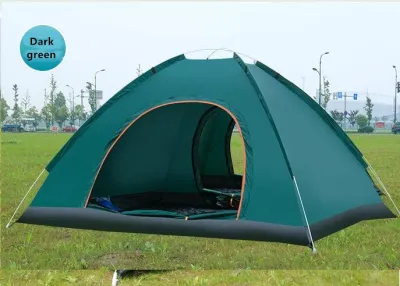
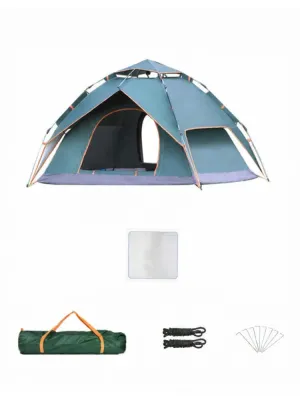
![[SG SELLER] Outdoor Camping Tent Pop Up Shade Changing Privacy Tent Big Beach Waterproof Sun Protection Sleeping Tent](https://img.lazcdn.com/g/p/b4d930ee6db72cf7f2f5b67878bb20bd.jpg_400x400q80.jpg_.webp)
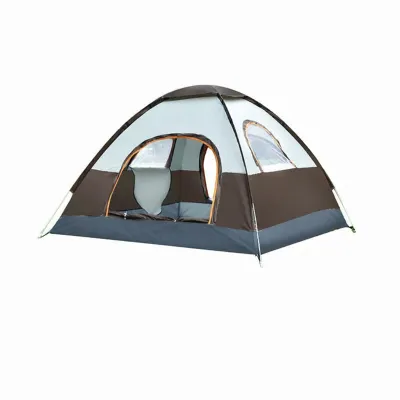
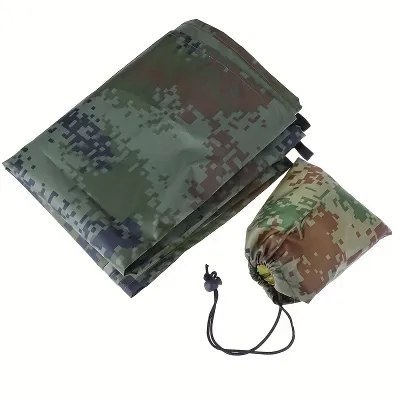
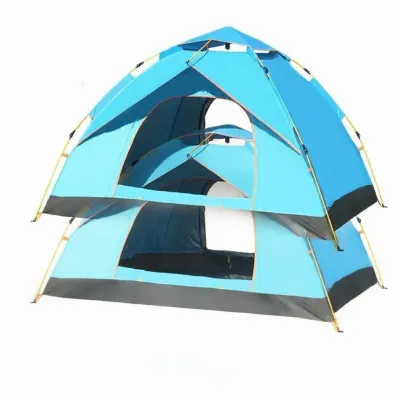
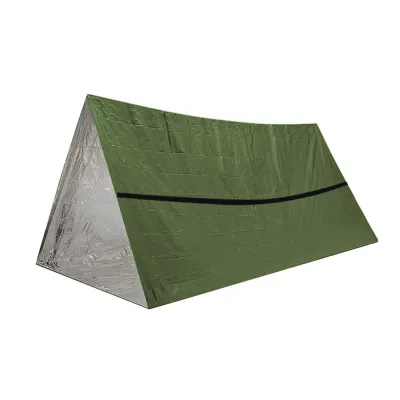
Prices are valid at publication and may change. Please refer to the product page for the latest price.
Furthermore, a tent’s overall ability to shed water depends heavily on its structural design, seam sealing, and zipper protection, rather than just the fabric’s raw rating.
How to Interpret Common Waterproof Rating Thresholds
Understanding what these numbers mean in practice helps you select the right tent for camping without overpaying for unnecessary features or underestimating the weather.
- 800 mm to 1,200 mm: This range represents the entry-level threshold for water resistance. Fabrics in this category can withstand light, brief showers or gentle drizzles. They are typically found in budget-friendly summer tents or beach shelters where heavy rain is not anticipated.
- 1,500 mm to 2,000 mm: This is widely considered the standard baseline for three-season camping. Tents with this rating are designed to handle moderate, sustained rain showers. They offer a balanced performance for most recreational campers who might encounter unpredictable weather.
- 3,000 mm and above: Ratings in this tier are engineered for heavy, prolonged downpours and harsh weather conditions. These fabrics are common in premium three-season or four-season expedition tents designed to withstand severe storms.
It is also important to distinguish between the rainfly and the tent floor. The floor of a tent for camping almost always requires a significantly higher waterproof rating than the rainfly. When you sit, kneel, or place heavy sleeping gear on the tent floor, your body weight exerts high localized pressure on the fabric. If the ground underneath is saturated, this physical pressure can easily force water through a low-rated fabric. For this reason, a tent with a 1,500 mm rainfly will often feature a floor rated at 3,000 mm or higher to prevent moisture from seeping through from the ground.
While a higher millimeter rating indicates a thicker or more robust waterproof coating, it must always be evaluated alongside the tent’s overall construction. A highly rated fabric will still let water in if the seams are poorly sealed or if the design allows water to pool on flat surfaces.
Matching the Rating to Your Camping Conditions
Choosing the right waterproof rating requires a careful assessment of your camping environment, expected weather patterns, and physical trade-offs.

In tropical climates like Singapore, where sudden, heavy downpours are common alongside high humidity and warm temperatures, selecting a tent requires a delicate balance. A tent with an extremely high waterproof rating often utilizes thick polyurethane (PU) coatings. While these coatings are excellent at keeping heavy rain out, they also restrict airflow through the fabric. In warm, humid conditions, this lack of breathability can trap warm air and moisture inside, leading to severe condensation on the interior walls.
To avoid waking up damp from your own breath, consider the following trade-offs when selecting your gear:
- Weight and Packed Size: Thicker coatings and heavier fabrics add physical weight and bulk to your pack. If you are backpacking or hiking long distances, a moderately rated tent (around 1,500 mm to 2,000 mm) paired with a lightweight footprint may be more practical than a heavy, high-rated expedition tent.
- Ventilation vs. Protection: Look for tents that combine a reliable waterproof rainfly with large mesh inner panels. This design allows air to circulate freely while keeping the outer waterproof barrier suspended away from the sleeping area.
- Structural Features: Ensure the tent design includes a full-coverage rainfly that extends all the way to the ground, rather than a partial fly that leaves the inner walls exposed. A bathtub-style floor, which wraps several inches up the sides of the tent before meeting the wall fabric, is also essential for preventing ground water from splashing inside during heavy downpours.
Beyond the Numbers: Other Factors That Keep You Dry
A high waterproof rating on paper is only effective if the rest of the tent’s construction and setup are executed correctly.
One of the most common entry points for water is not the fabric itself, but the seams where different panels of fabric are sewn together. Every needle hole is a potential leak point. When purchasing a tent for camping, verify that it features factory-taped seams, where a waterproof tape is heat-sealed over the stitching. Before embarking on any trip, lay the tent out and visually inspect the interior seams. Look for any signs of peeling, cracking, or lifting in the tape, which indicates that the sealant needs to be repaired or reapplied.
Your setup practices and site selection also play a massive role in staying dry. When pitching your tent, avoid natural depressions, hollows, or low-lying areas where rainwater is likely to pool. Even a tent with a high floor rating can struggle if it is sitting in a deep puddle. Ensure the rainfly is pitched tautly using all guy lines and stakes. A sagging rainfly can touch the inner tent body, allowing moisture to transfer directly through to your sleeping gear via capillary action.
Finally, pay close attention to the Durable Water Repellent (DWR) coating on the exterior of the rainfly. This chemical treatment causes water to bead up and roll off the fabric rather than soaking into it. Over time, UV exposure, dirt, and friction will degrade the DWR coating. Check the manufacturer’s care label for specific maintenance instructions. You can easily test the DWR by spraying a small amount of water on the dry rainfly; if the water flatly soaks into the fabric instead of forming round beads, it is time to apply a specialized, spray-on reproofing treatment.
Frequently Asked Questions (FAQ)
Is a higher mm rating always better for a camping tent?
Not necessarily. While a higher rating offers greater resistance to water pressure, it comes with distinct trade-offs. Thicker waterproof coatings increase the overall weight and packed volume of the tent, making it less suitable for backpacking. Additionally, highly coated fabrics are less breathable. In warm or humid environments, this lack of breathability traps moisture from your breath inside the tent, creating heavy condensation that can make the interior feel damp even if no rain is getting through.
How can I safely check my tent's waterproofness before a trip?
To check your tent’s readiness without causing damage, perform a gentle inspection at home. Set up the tent in a dry outdoor space and inspect all seams for peeling tape or worn areas. You can conduct a low-pressure water test by gently spraying the pitched rainfly with a garden hose on a light shower setting. Avoid using high-pressure nozzles or pressure washers, as these can strip away the protective DWR coating and damage the fabric fibers. Observe whether the water beads up and rolls off, and check the interior for any damp spots.
Community discussion
Share your experience or ask a question. Comments are reviewed before publication.