
When planning an overnight outdoor excursion, your shelter is your primary line of defense against the elements. If you are shopping for a tent for outdoor shelter, you have likely encountered the term “hydrostatic head” or its abbreviation, “HH,” followed by a number like 1500mm or 3000mm. This rating measures the fabric’s resistance to water penetration under pressure, giving you a standardized way to evaluate its waterproof capabilities.
While a higher number indicates greater water resistance, choosing the right tent is not as simple as picking the highest rating on the shelf. The ideal rating depends heavily on your camping environment, local weather patterns, and how you plan to transport your gear. Balancing waterproof performance with weight, breathability, and structural design is the key to finding a reliable shelter.
Understanding the Hydrostatic Head (HH) Test
To understand what these numbers represent, it helps to look at how manufacturers test their materials. The hydrostatic head test involves pulling a section of fabric taut at the bottom of a sealed vertical tube. Testers fill this tube with water and observe how high the water column can climb before the liquid begins to seep through the weave of the fabric.
Products mentioned in this guide
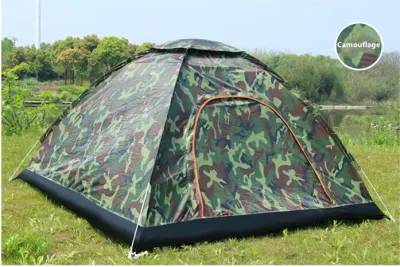
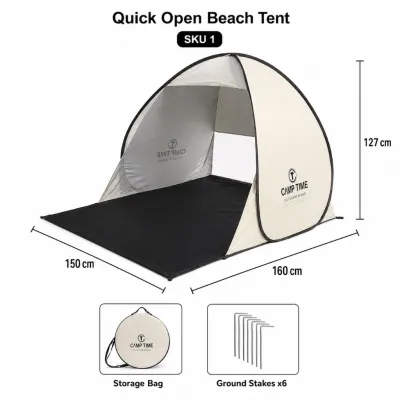
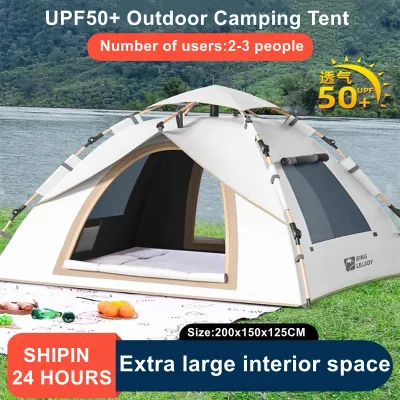
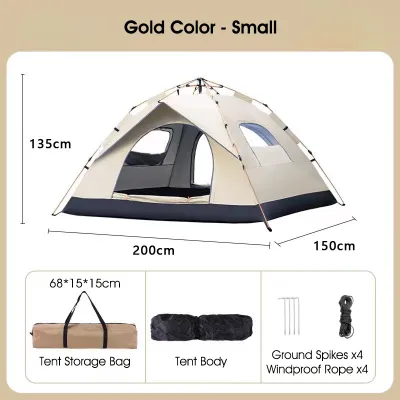
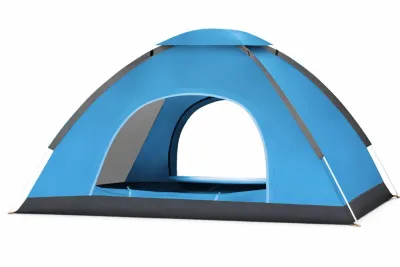
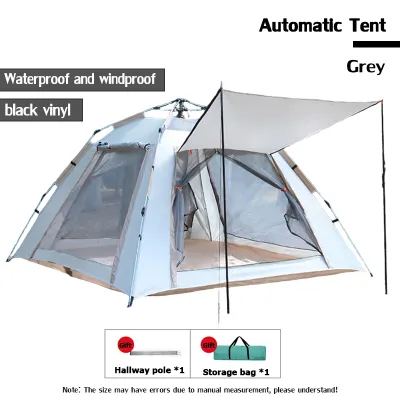
Prices are valid at publication and may change. Please refer to the product page for the latest price.
If a fabric supports a column of water 2,000 millimeters tall before three drops of water penetrate it, the material receives a 2000mm HH rating. This test strictly measures the physical resistance of the fabric itself to water pressure. It does not account for wind speed, structural stability, or the quality of the tent’s overall construction.
In the outdoor industry, a rating of 1000mm is widely considered the entry point for a fabric to be classified as waterproof rather than water-resistant. Anything below this threshold is generally reserved for beach sunshades or windbreaks that are not intended to protect you from actual rainfall.
What HH Numbers Mean for Real-World Rain Protection
Translating laboratory millimeters into outdoor conditions helps you visualize how a tent will perform when the weather turns.

1000mm to 1500mm: Light and Occasional Rain Fabrics in this range are designed for fair-weather camping, summer weekend trips, and light drizzles. While they can successfully shed a brief shower, they are susceptible to wetting out under sustained rain or high winds. Wind-driven rain increases the pressure exerted on the fabric, which can force moisture through a lower-rated material.
2000mm to 3000mm: Reliable Three-Season Protection This range represents the sweet spot for the vast majority of recreational campers. A tent with a 2000mm to 3000mm rainfly can comfortably withstand steady, prolonged rainfall and moderate storms. For campers in tropical climates like Singapore, where sudden afternoon downpours are common, this level of waterproofing provides excellent peace of mind without adding unnecessary weight.
5000mm and Above: Extreme and Four-Season Conditions When you expect severe weather, heavy tropical monsoons, or alpine snowstorms, ratings of 5000mm and above are the standard. These fabrics are exceptionally dense and heavily coated to resist intense, continuous water pressure. However, this level of protection comes with noticeable trade-offs, as these materials are typically heavier, bulkier, and much less breathable.
Beyond the Fabric: Other Features That Keep You Dry
Focusing solely on the HH rating of the rainfly can lead to a false sense of security. A highly waterproof fabric will still leak if the tent’s overall design and construction are lacking.
Taped Seams Every time a tent is stitched together, needles puncture thousands of tiny holes in the fabric. Even a 10000mm fabric will leak at these connection points if they are not sealed. Look for factory-taped seams, where a waterproof tape is thermally applied over the stitching, or plan to manually seal the seams before your first trip.
Groundsheet (Floor) Ratings Your tent floor requires a significantly higher HH rating than your rainfly. When you sit, kneel, or sleep inside the tent, your body weight concentrates pressure on a small area, forcing moisture up from the damp ground. A reliable groundsheet should have a rating of at least 3000mm, though 5000mm to 10000mm is preferred for wet or muddy campsites.
Rainfly Coverage and Vestibules A full-coverage rainfly that extends all the way to the ground offers superior protection compared to a partial fly that only covers the roof. Full-coverage designs prevent splashback from mud and rain while creating vestibules to store wet gear outside your sleeping area.
Condensation vs. Leaks Many campers mistake condensation for a leaking rainfly. In warm, humid environments, moisture from your breath and body heat collects on the cool interior of the tent. Adequate mesh panels and adjustable vents are essential to maintain airflow and prevent this internal moisture buildup.
How to Choose the Right HH Rating for Your Trip
Selecting the right tent involves matching your gear to your specific activities and destinations.
Ultralight Backpacking If you are carrying your shelter over long distances, weight is your primary constraint. You may want to prioritize a lower rainfly rating of 1000mm to 1500mm to keep your pack light. To compensate, focus on smart campsite selection by pitching your tent under natural tree canopies and avoiding low-lying areas where water pools.
General Campground Camping For family camping or weekend getaways at designated campsites, a rating of 2000mm to 3000mm is highly recommended. This range handles unpredictable tropical showers easily, ensuring your sleeping bags and gear remain dry even during a sudden storm.
Alpine or Extreme Weather For high-altitude expeditions or areas prone to severe storms, choose a tent with a 5000mm+ rainfly and a robust pole structure. Heavy-duty poles are critical because high winds can press wet rainfly fabric directly against the inner tent, transferring moisture inside regardless of the HH rating.
Before finalizing your purchase, always verify both the rainfly and groundsheet HH specifications on the manufacturer’s label. If you plan to camp in exceptionally wet conditions, consider pairing your tent with an additional footprint or tarp to protect the floor from abrasion and ground moisture.
Frequently Asked Questions (FAQ)
Is a higher HH rating always better?
Not necessarily. While a higher rating offers superior resistance to water pressure, it requires thicker polyurethane coatings or heavier fabrics. This increases the total weight and packed size of your tent. Additionally, heavily coated fabrics are less breathable, which can dramatically increase interior condensation in warm, humid climates.
How do I maintain my tent's waterproof coating?
To preserve the waterproof coating, never machine-wash or machine-dry your tent. Clean dirty spots gently using a soft sponge and mild, non-detergent soap. Always allow the tent to air-dry completely in a shaded area before packing it away, as storing a damp tent leads to mold, mildew, and the eventual peeling of the waterproof polyurethane layer. If you notice water stops beading on the exterior, you can restore performance by applying an aftermarket durable water repellent (DWR) spray.
Community discussion
Share your experience or ask a question. Comments are reviewed before publication.