
The millimeter (mm) rating on a tent for outdoor use measures the fabric’s resistance to water pressure, specifically how many millimeters of a standing water column the material can support before water starts to seep through. While a higher rating indicates a more water-resistant fabric, staying dry in the wild depends on more than just this number. Pitching technique, seam construction, and environmental conditions play equally critical roles in keeping you comfortable during a sudden downpour.
What Does the "mm" Waterproof Rating Actually Measure?
To understand what a waterproof rating means, it helps to look at how manufacturers test their gear. The standard hydrostatic head test involves placing a column of water over a piece of taut tent fabric. The height of the water column is gradually increased until water penetrates the material. If a fabric resists water up to a height of 1,500 millimeters, it receives a 1,500mm rating.
This rating applies strictly to the fabric itself under static laboratory conditions. It does not represent the waterproof performance of the fully assembled tent structure. A complete tent features zippers, seams, doors, and vents where water can find other entry points if the design is flawed.
Products mentioned in this guide
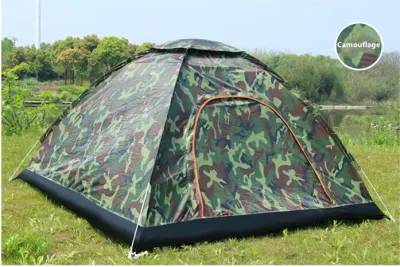
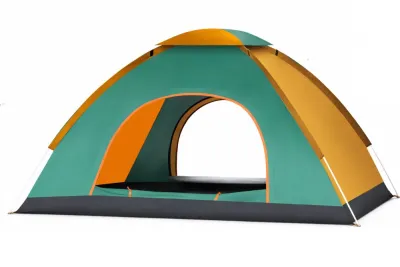
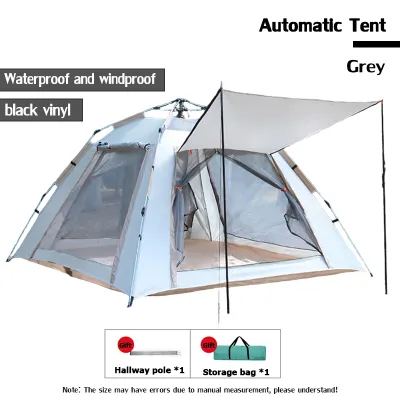
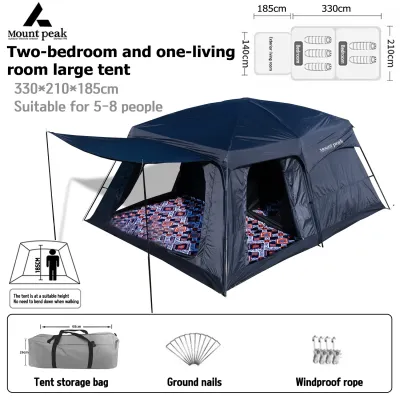
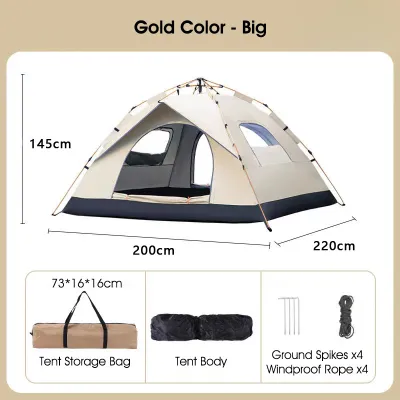
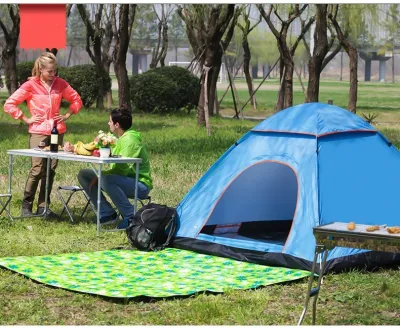
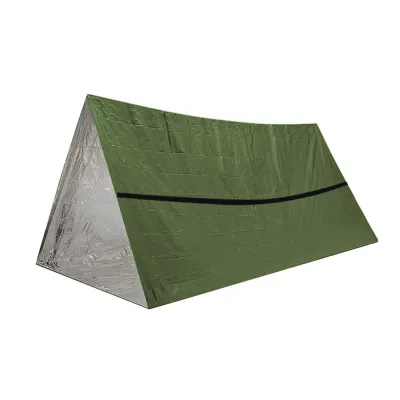
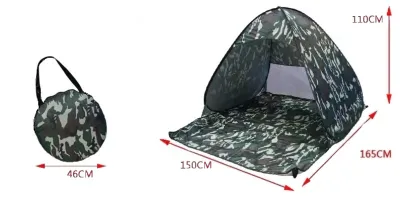
Prices are valid at publication and may change. Please refer to the product page for the latest price.
While a higher rating indicates greater resistance to water pressure, it is not a universal guarantee of a dry interior. Real-world factors like wind-driven rain and physical contact with the tent walls can force moisture through even highly rated fabrics. Therefore, the rating should be viewed as a baseline of fabric capability rather than an absolute shield.
How to Interpret Common Waterproof Ratings on Tent Labels
When shopping for a tent for outdoor adventures, you will encounter ratings ranging from 1,000mm to over 5,000mm. Understanding these tiers helps you avoid overpaying for unnecessary specifications or under-preparing for harsh weather.

Generally, a rating of 1,000mm to 1,500mm is considered the baseline for basic water resistance. This level is suitable for light, brief showers and mild summer camping where heavy storms are unlikely. Tents designed for multi-season use or areas prone to heavy, sustained rain typically feature ratings between 2,000mm and 3,000mm. Anything above 3,000mm is usually reserved for extreme conditions, such as mountaineering or prolonged winter storms.
It is crucial to distinguish between the rating of the flysheet (the rainfly) and the groundsheet (the tent floor). The groundsheet requires a significantly higher rating—often 3,000mm to 10,000mm—because it must withstand the physical pressure of your body weight, sleeping pads, and gear pressing down on damp soil. When you kneel or sit inside the tent, you exert localized pressure that can easily force water through a low-rated floor fabric.
Beyond the Numbers: Critical Factors That Affect Real-World Waterproofing
Even the most advanced 5,000mm fabric will fail if the seams are left unprotected. Every needle hole created during the sewing process is a potential leak path. Look for tents with factory-taped or sealed seams, where a waterproof tape is thermally applied over the stitching to block water entry.
A loose, sagging tent collects water in pools, which increases static pressure on the fabric and leads to leakage. Wind-driven rain also strikes the tent with significant force, effectively raising the water pressure beyond what a static laboratory test simulates. Pitching your tent tightly with proper guyline tension helps shed water quickly and reduces the impact of wind pressure.
Most waterproof tents rely on polyurethane (PU) or silicone coatings applied to the fabric. These coatings are not permanent; they degrade over time due to ultraviolet (UV) exposure from the sun, friction, and moisture trapped during improper storage. Storing a tent while it is still damp can cause the coating to hydrolyze, leading to a sticky texture, a sour odor, and a complete loss of water resistance.
Matching the Rating to Your Specific Camping Conditions
Selecting the right tent for outdoor excursions requires balancing your local climate with your camping style. For instance, if you primarily camp in warm, humid regions like Singapore, where sudden tropical downpours are common but temperatures remain high, you need a tent that balances waterproof protection with excellent ventilation to prevent internal condensation.
Consider your camping environment carefully. A sheltered forest campsite offers natural windbreaks, meaning a standard 1,500mm to 2,000mm rainfly is often sufficient. However, if you plan to camp in exposed coastal areas or open ridges where wind-driven rain can lash the tent from all angles, prioritizing a higher rating and a robust aerodynamic structure is essential.
Before heading out, perform a quick waterproof readiness check:
- Inspect the interior seams to ensure the factory tape is not peeling or cracking.
- Check that the zipper flaps fold down smoothly to shed water away from the tracks.
- Verify that your groundsheet or footprint does not extend beyond the edges of the rainfly, which would otherwise funnel pooling water directly underneath your tent floor.
Frequently Asked Questions (FAQ)
Does a higher mm rating mean a heavier tent?
Generally, achieving a higher waterproof rating requires thicker fabric threads or multiple layers of polyurethane coating, both of which add weight to your pack. However, advanced backpacking tents utilize specialized materials like silicone-impregnated nylon (silnylon) or composite fabrics to achieve high water resistance without a significant weight penalty. When choosing a tent, always compare the total packed weight alongside the fabric specifications to ensure it matches your carrying capacity.
How can I restore the waterproofing on an older tent?
If your older tent starts to absorb water rather than shed it, you can often restore its performance. Start by cleaning the tent gently with a sponge and a specialized outdoor gear cleaner, avoiding harsh household detergents that can strip the remaining coatings. Once dry, apply a compatible aftermarket water-repellent spray to the exterior of the rainfly. Always check the manufacturer’s care label or product manual to verify whether your tent uses a polyurethane or silicone-based coating, as using an incompatible treatment can damage the fabric.
Community discussion
Share your experience or ask a question. Comments are reviewed before publication.