
When choosing a tent outdoor enthusiasts must look closely at technical specifications to ensure they stay dry and safe in changing weather conditions. Among these technical details, the waterproof rating—expressed in millimeters (mm)—is arguably the most critical yet widely misunderstood specification. This rating directly determines how well your shelter can withstand rain, wind, and damp ground conditions.
Selecting the wrong rating can lead to a miserable, wet night or, conversely, leave you carrying a heavy, non-breathable shelter that is overkill for your trip. For casual weekend camping in mild climates, a rating of 1,000mm to 1,500mm is often perfectly adequate. However, if you are planning to camp in tropical, high-rainfall regions like Singapore, you will need to look for a rating of at least 2,000mm to 3,000mm to combat sudden, intense downpours. Understanding how these ratings translate to real-world performance is the first step toward choosing the perfect tent for your next adventure.
What Does the "mm" Waterproof Rating Actually Measure?
To understand tent fabric performance, you must first demystify the hydrostatic head (HH) measurement. The “mm” in a tent’s specification stands for millimeters, representing the height of a theoretical column of water that the fabric can support before water begins to seep through. This is determined in a laboratory setting using a standardized testing apparatus.
Products mentioned in this guide
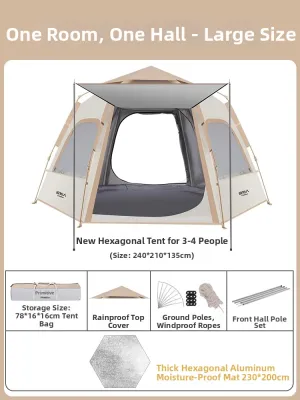
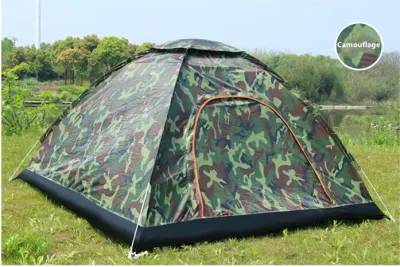
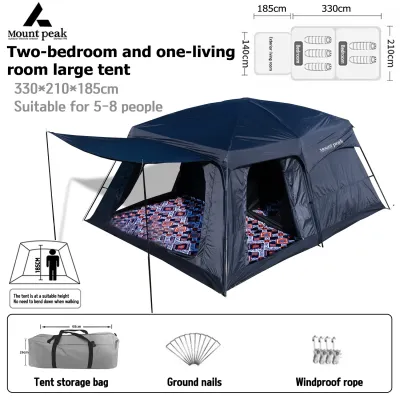
![[SG SELLER] Outdoor Camping Tent Pop Up Shade Changing Privacy Tent Big Beach Waterproof Sun Protection Sleeping Tent](https://img.lazcdn.com/g/p/b4d930ee6db72cf7f2f5b67878bb20bd.jpg_400x400q80.jpg_.webp)
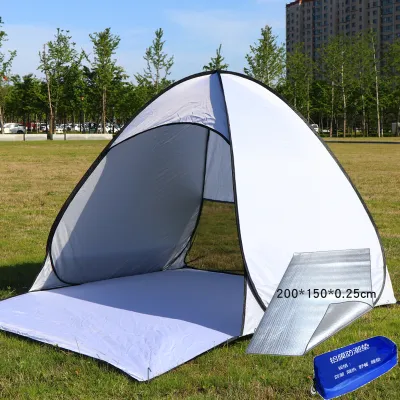
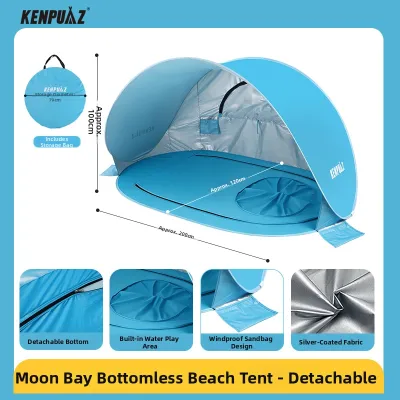
Prices are valid at publication and may change. Please refer to the product page for the latest price.
Imagine a clear tube placed vertically over a piece of tent fabric. The testing technician fills this tube with water, gradually increasing the height. If the fabric has a 1,500mm rating, the tube can be filled to a height of 1,500 millimeters (or 1.5 meters) before water pressure forces three drops of water to penetrate the material. The higher the number, the more pressure the fabric can withstand before failing.
This metric measures resistance to water pressure rather than simple surface water repellency. In the wild, water pressure is generated by wind driving rain violently against the rainfly, or by physical contact, such as a camper leaning against the inside wall of a wet tent. The hydrostatic head rating tells you how well the fabric’s internal coatings resist these dynamic forces.
How Different mm Ratings Perform for Your Tent Outdoor in Real Weather
Different outdoor environments demand different levels of protection. To help you match your gear to your destination, the outdoor industry generally categorizes fabric waterproof ratings into several distinct performance tiers.

1,000mm to 1,500mm: Light Rain and Fair-Weather Camping
Fabrics rated between 1,000mm and 1,500mm represent the entry-level standard for water resistance. Tents in this category are best suited for short summer camping trips, festival camping, or dry climates where you only expect light drizzle or brief, mild showers.
While these fabrics can shed a light morning mist, they are vulnerable to prolonged rainfall. When strong winds drive rain against a 1,000mm rainfly, the pressure can exceed the fabric’s threshold, leading to internal misting. If weight savings are your primary concern and you camp strictly in dry forecasts, this range is a viable option, but it offers little margin for error.
2,000mm to 3,000mm: Heavy Rain and Tropical Climates
A rating of 2,000mm to 3,000mm is the industry standard for reliable three-season tents. This range is highly recommended for tropical environments, coastal regions, and destinations like Singapore, where sudden, intense thunderstorms and high humidity are common occurrences.
Tents in this tier provide robust protection against sustained, heavy downpours. The thicker polyurethane or silicone coatings can withstand the moderate wind pressure that pushes rain against the rainfly. This ensures that even during a prolonged storm, the interior of your shelter remains dry. For most recreational campers, this range offers the best balance of weather protection and packability.
5,000mm and Above: Extreme Conditions and Groundsheets
Ratings of 5,000mm and above are typically reserved for specialized equipment designed to handle extreme winter mountaineering, high-altitude expeditions, or high-stress areas of the tent.
You will rarely find a standard rainfly with a rating this high, as the thick coatings required add significant weight and bulk. However, this level of waterproofing is common and highly necessary for tent floors (groundsheets). The floor of your tent must withstand intense mechanical pressure. When you kneel, sit, or lie down on a sleeping pad, your body weight concentrates pressure on a small area of the damp ground. A lower-rated fabric would allow moisture to be forced straight through the floor, whereas a 5,000mm to 10,000mm floor rating ensures you remain dry even when pitched on saturated soil.
Why the Fabric Rating Isn't the Whole Story
While the millimeter rating of the fabric is an excellent baseline indicator of quality, it does not guarantee a completely dry camping experience on its own. Real-world waterproofing relies on several interconnected design elements working in unison.
Taped Seams: Stitching punctures thousands of tiny holes through waterproof fabric, creating natural leak paths. To prevent this, quality tents feature factory-applied seam tape or welded seams over these puncture lines. Always verify that seams are fully taped; an unsealed 5,000mm fabric will leak far faster than a perfectly taped 1,500mm fabric.
Floor vs. Flysheet Ratings: Do not assume a tent has a uniform waterproof rating. The rainfly and floor serve different purposes and require different specifications. Because the floor must withstand the physical weight of occupants and gear against wet ground, it requires a significantly higher mm rating. Always check both numbers rather than relying on a single advertised rating.
DWR Coating: Durable Water Repellent (DWR) is a chemical finish on the fabric’s exterior that causes rainwater to bead and roll off. While the internal polyurethane or silicone coating provides the actual waterproof barrier, the DWR prevents the outer fabric from absorbing water and “wetting out.” If the DWR fails, the fabric becomes heavy, sags, and restricts airflow, leading to severe condensation.
Tent Design: The physical architecture of the tent directly impacts water management. Steeply sloped walls and a taut pitch allow rainwater to run off quickly. If a tent is pitched poorly, water will pool on flat, saggy areas. Standing water creates sustained hydrostatic pressure that can eventually overwhelm even the highest-rated waterproof coatings.
How to Choose the Right Rating for Your Needs
Selecting the ideal waterproof rating requires a careful analysis of your typical camping environment, your physical capabilities, and your tolerance for gear weight.
If your adventures primarily take you into tropical rainforests, coastal areas, or regions prone to unpredictable storms, you should prioritize safety and weather resistance. Look for a tent with a rainfly rated at 2,000mm to 3,000mm and a floor rated at 5,000mm or higher. Conversely, if you are an ultralight backpacker traversing dry, arid trails where rain is highly unlikely, a lightweight 1,000mm to 1,500mm tent will save valuable space and weight in your pack.
Keep in mind that waterproofing comes with a distinct trade-off. To achieve a higher mm rating, manufacturers must apply thicker chemical coatings or use heavier, denser fabrics. This not only increases the overall weight of your gear but also reduces the fabric’s breathability. In warm, humid climates, a highly waterproof but poorly ventilated tent will trap your body heat and exhaled moisture, resulting in heavy condensation on the interior walls. Ensure your chosen tent features adequate mesh panels and adjustable vents to promote airflow.
Finally, always verify the manufacturer’s specific testing standards and consult real-world user reviews. Laboratory tests are conducted under perfect conditions and do not account for the long-term effects of UV degradation, physical abrasion, or improper pitching. A reputable brand that stands by its materials will often provide a more reliable shelter than a budget option boasting inflated technical specifications.
Frequently Asked Questions (FAQ)
Is a higher mm rating always better for a tent rainfly?
No, a higher mm rating is not always superior. While a higher rating provides greater resistance to extreme water pressure, it also makes the fabric heavier, bulkier, and less breathable. For most three-season camping trips, a rainfly rating between 1,500mm and 3,000mm offers the ideal balance of reliable storm protection, pack weight, and interior ventilation.
How do I know if my tent's waterproof coating is failing?
There are several clear physical signs that your tent’s waterproofing has degraded. If rainwater no longer beads on the exterior surface and instead saturates the fabric—causing it to look dark, heavy, and saggy—the DWR coating has worn off. Inside the tent, you may notice a sticky or peeling texture on the inner walls, or a fine mist penetrating the fabric during heavy rain. Always consult the manufacturer’s care instructions before applying aftermarket DWR sprays or seam sealers to restore your tent’s protective barrier.
Community discussion
Share your experience or ask a question. Comments are reviewed before publication.