
Selecting your first fishing accessories set can feel overwhelming when confronted with massive kits containing hundreds of pieces. The reality is that a beginner only needs a streamlined, highly functional collection of tools and terminal tackle that directly matches their immediate fishing environment. A practical starter set consists of reliable line management tools, basic terminal tackle, essential safety and handling gear, and a compact, organized storage box. Focusing on these core items prevents decision fatigue, saves money, and ensures that every item in your kit serves a clear, practical purpose on the water.
Many pre-packaged kits inflate their piece counts with tiny, fragile components that are unsuitable for local waters. By learning to distinguish between essential tools and unnecessary fillers, you can invest your budget where it matters most. This guide will help you evaluate starter sets, identify which accessories are truly non-negotiable, and recognize which items you should skip to keep your gear light and effective.
Assessing Your Fishing Goals Before Buying a Set
Before purchasing any fishing accessories set, you must define your specific fishing environment. In Singapore, the tropical climate means high humidity and frequent rain, which can trap moisture inside your tackle box. If you plan to fish at popular coastal spots like Bedok Jetty or Woodlands Jetty, your gear will face constant exposure to saltwater spray and humid sea breezes. This environment demands accessories with excellent corrosion resistance. On the other hand, if you prefer freshwater angling at designated reservoirs like MacRitchie or Pandan, your gear will encounter freshwater vegetation and different species, requiring lighter setups and weedless rigging options.
Products mentioned in this guide
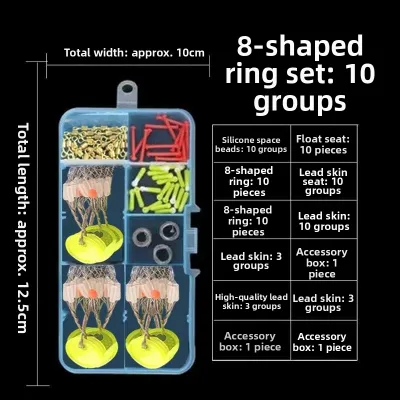
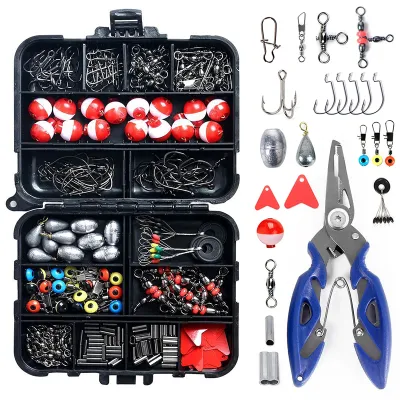
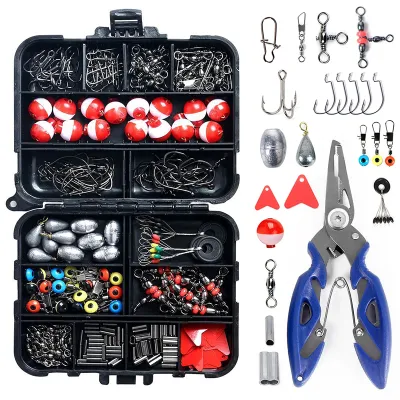
Prices are valid at publication and may change. Please refer to the product page for the latest price.
The size and species of your target fish dictate the strength and dimensions of the accessories you need. Beginners targeting small species like peacock bass or tilapia require fine hooks, light sinkers, and delicate swivels. Attempting to use heavy-duty offshore tackle on these species will result in fewer bites and a frustrating experience. Conversely, using underpowered terminal tackle near coastal structures can lead to snapped lines and lost fish.
Your carrying capacity and transport method should also influence your choice of starter kit. If you rely on public transport or walk long distances to reach your fishing spot, a bulky tackle box will quickly become a burden. A compact, lightweight kit that fits easily into a backpack is far more practical for mobile anglers. Assess how you plan to travel to your fishing spots and choose a set that matches your mobility needs.
The Core Essentials Every Beginner Needs
A functional fishing accessories set must include reliable line management tools to handle routine rigging tasks. When rigging your line under the midday sun or during a sudden tropical downpour, having a dedicated line clipper on a lanyard saves valuable time. Avoid using your teeth or dull household scissors, which can fray the line and weaken your knots. A spare spool of fluorocarbon leader line is also essential, especially when fishing near sharp rocks or barnacle-encrusted jetty pilings where line abrasion is common.

Terminal tackle forms the connection between your line and the fish, and a beginner set should focus on quality over sheer quantity. Look for a curated selection of hooks, sinkers, and swivels that match your target environment rather than massive assortments of random sizes. A few sharp, well-made bait hooks, a selection of split-shot sinkers for depth control, and smooth-spinning barrel swivels to prevent line twist are all you need to start. Having a small, reliable selection ensures you can adapt to basic water depths and currents without cluttering your box.
Handling and safety gear must never be overlooked, as managing hooks and fish safely is paramount for every angler. Long-nose pliers are non-negotiable for removing hooks safely from a fish’s mouth while keeping your fingers clear of sharp teeth and barbs. A compact landing net helps secure your catch at the water’s edge, preventing fish from thrashing and throwing the hook. Finally, always pack a basic first-aid kit containing antiseptic wipes and adhesive bandages to treat minor cuts or accidental hook pricks immediately.
An organized storage solution keeps your essential tools accessible and protected from the elements. A compact, water-resistant tackle box with adjustable dividers allows you to customize compartments for different accessory sizes. Keeping your hooks, sinkers, and tools separated prevents tangles and reduces the time spent searching for gear. A secure latching mechanism is also vital to prevent accidental spills while traveling along uneven paths.
Optional Upgrades to Skip in Your First Kit
Many commercial starter sets include highly specialized lures, flies, or complex rigs that are unsuitable for beginners. These advanced lures often require specific rod actions, precise retrieval speeds, and deep knowledge of fish behavior to be effective. As a beginner, mastering basic bait fishing or simple soft plastics is far more productive than struggling with complex multi-jointed swimbaits. Skip kits that use flashy, complicated lures to justify a higher price tag.
Redundant gadgets and heavy tools are another common source of unnecessary weight in beginner kits. Electronic bite alarms, complex multi-tools with dozens of flimsy attachments, and heavy-duty metal gaffs are rarely useful for shore-based beginners. These items add bulk to your gear bag and often fail quickly due to poor construction. Focus on simple, dedicated tools like a reliable pair of pliers rather than a single tool that claims to perform twenty different tasks poorly.
Be cautious of kits that boast hundreds of pieces of terminal tackle, as these often consist of low-quality, repetitive items. You do not need fifty identical, tiny brass swivels or dozens of brittle plastic floats that crack upon impact with the water. These excessive quantities are often used to inflate the perceived value of the set while masking the low quality of the individual components. A smaller set of durable, rust-resistant tackle is always preferable to a massive box of cheap, easily damaged parts.
Finally, avoid sets that bundle low-quality branded apparel, bulky camping gear, or cheap sunglasses into the package. These bundles are often priced significantly higher than the actual value of the fishing gear included. Cheap sunglasses rarely offer the polarization needed to see through water glare, and low-grade apparel offers minimal protection from the sun. Purchase your protective clothing and eyewear separately to ensure they meet safety and comfort standards.
How to Evaluate Pre-Packaged Fishing Accessories Sets
When shopping for a pre-packaged fishing accessories set, your first step should be inspecting the material quality of the metal tools. Check the pliers and clippers for signs of robust construction, such as stainless steel or corrosion-resistant coatings. Test the alignment of the cutting edges on the clippers to ensure they can cut line cleanly without fraying. If the tools feel flimsy or show loose joints right out of the package, they are unlikely to survive regular outdoor use.
The quality of the included hooks is a critical factor that directly impacts your fishing success. Inspect the hook points to verify they are sharp and free of manufacturing defects or burrs. Gently press a hook point against your fingernail; if it slides off easily without catching, it may require sharpening before use. Additionally, check the strength of the wire to ensure the hooks will not bend open easily under moderate pressure from a fish.
To determine if a starter set offers genuine value, calculate the cost of purchasing the core essentials individually. Add up the typical retail prices of a basic tackle box, a pair of pliers, line clippers, and a few small packs of quality hooks and sinkers. If the pre-packaged set costs significantly more than these individual items combined, you are likely paying a premium for unnecessary fillers. A fair starter set should offer a modest discount or at least match the cost of individual purchases while saving you shopping time.
Lastly, check the manufacturer’s warranty or return policy, particularly for the mechanical tools in the set. Reliable brands often provide a basic warranty against manufacturing defects for their pliers, clippers, and tackle boxes. A clear warranty indicates that the manufacturer stands behind the durability of their products. If a set comes with no warranty or clear brand backing, treat the tools as temporary items that may need rapid replacement.
Frequently Asked Questions (FAQ)
How do I prevent my metal fishing accessories from rusting?
To protect your metal tools from rust, rinse them thoroughly with fresh water immediately after every fishing trip, especially after exposure to saltwater or brackish environments. Dry each tool completely with a clean towel before placing it back into your tackle box. Storing wet tools in a closed, unventilated box creates a humid environment that accelerates corrosion. Periodically apply a light coat of multi-purpose oil or a dedicated marine corrosion inhibitor to the joints of your pliers and clippers to maintain smooth operation.
Should I buy a pre-made set or build my own from scratch?
Buying a pre-made set is highly convenient and cost-effective for absolute beginners who want to try fishing without spending too much time researching individual components. These kits provide a ready-to-use selection of basic gear at a lower upfront cost. However, building your own set from scratch allows you to select higher-quality tools and customize your terminal tackle to match your local fishing spots exactly. A practical middle ground is to start with a simple, budget-friendly pre-made set and gradually replace or upgrade individual tools as you gain experience and identify your specific needs.
Community discussion
Share your experience or ask a question. Comments are reviewed before publication.