
When comparing the insulation performance of TKK sports bottles against competing brands, the true measure of cooling capability extends beyond marketing claims to verifiable structural specifications. Because exact hour-by-hour thermal retention varies by specific model, capacity, and testing environment, this guide provides a practical framework to evaluate double-wall vacuum construction, assess real-world cooling performance in tropical climates, and determine which brand delivers the best price-to-performance value for your specific athletic needs.
Choosing the right sports water bottle requires looking past flashy branding and focusing on the physical engineering that keeps your drinks cold. Whether you are training outdoors under the sun or working out in an air-conditioned gym, understanding how these bottles are built will help you make an informed purchase that keeps you hydrated and refreshed.
Understanding Insulation Mechanics and Manufacturer Claims
To objectively compare TKK with other sports water bottle brands, it is essential to understand the physics of thermal retention. Most high-performance sports bottles utilize double-wall vacuum insulation. This construction features an inner and outer stainless steel vessel welded together, with the air physically vacuumed out of the gap between them. Because a vacuum contains virtually no molecules, it eliminates heat transfer via conduction and convection, which are the primary ways heat from the surrounding air reaches your cold drink.
Products mentioned in this guide
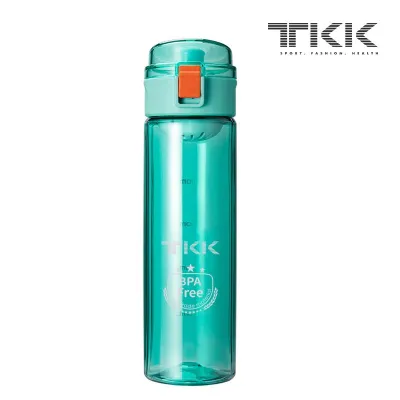
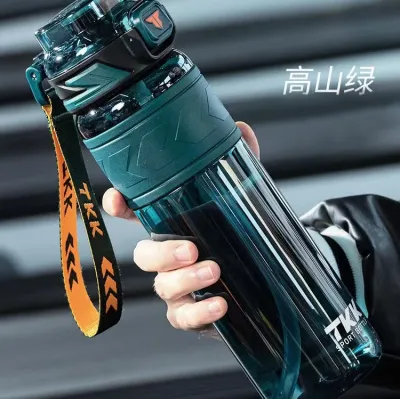
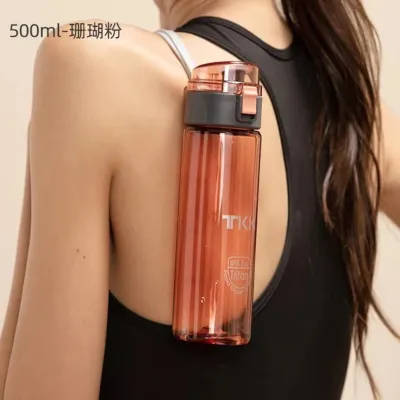
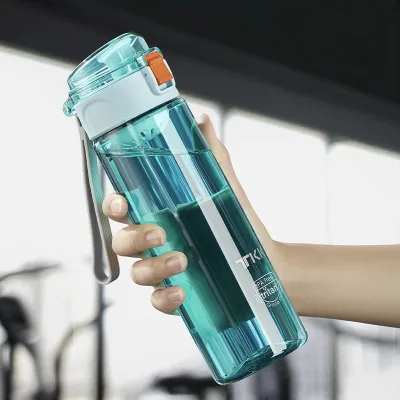
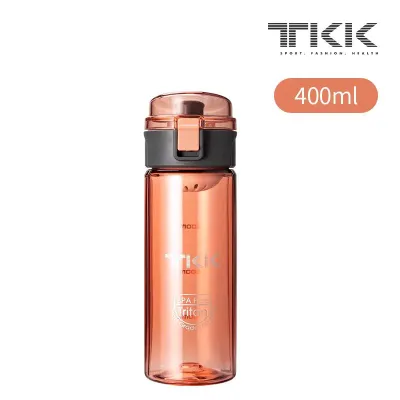
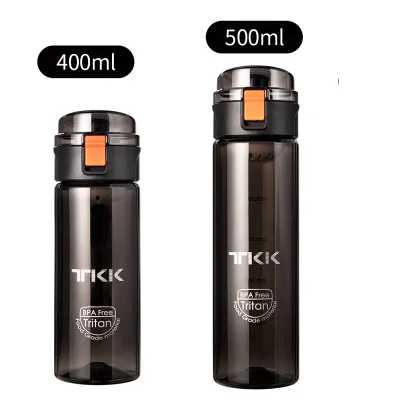
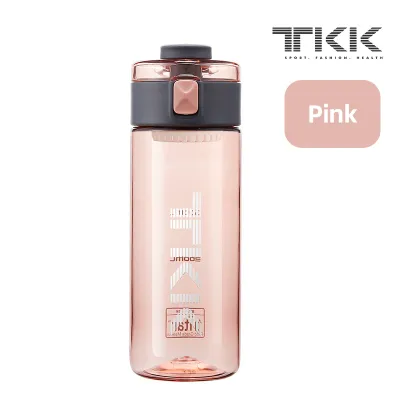
Prices are valid at publication and may change. Please refer to the product page for the latest price.
However, a vacuum cannot completely stop thermal radiation, which transfers heat through electromagnetic waves. To combat this, some manufacturers apply a thin layer of reflective metal, such as copper, to the outer surface of the inner wall. This reflective barrier bounces radiant heat away from your beverage, extending the bottle’s cooling duration. When comparing brands, check if the technical specifications explicitly mention a copper-plated insulation layer, as this is a hallmark of premium thermal engineering.
The lid of a sports bottle is the most common point of thermal leakage. Unlike the double-walled metal body, lids are typically made of plastic and silicone, which do not offer vacuum insulation. A wide-mouth opening allows for easy ice filling but presents a larger surface area for heat exchange every time the bottle is opened. Conversely, a narrow-mouth or straw lid minimizes the volume of warm air entering the bottle during use, helping to preserve the internal temperature over a longer period.
When reading manufacturer claims like “keeps cold for 24 hours,” recognize that these tests are conducted under highly controlled laboratory conditions. Typically, a bottle is filled with ice-cold water at a specific starting temperature and left undisturbed in a temperature-controlled room. In real-world sports applications, you will open the lid frequently, exposing the contents to ambient heat and direct sunlight, which significantly accelerates ice melt.
Key Structural Features to Compare Across Brands
When evaluating a TKK water bottle against competitors, material quality is a primary indicator of durability and performance. Look for food-grade 18/8 stainless steel, also known as grade 304. This material is highly resistant to corrosion, does not leach chemicals, and prevents the metallic taste associated with lower-quality aluminum bottles. Some premium brands also offer internal ceramic coatings, which provide an inert barrier that completely eliminates flavor retention from sports drinks or electrolytes.

The physical weight of the bottle is another critical factor. Thicker steel walls and robust insulation layers naturally add weight. For stationary sports or gym workouts, a heavier bottle is rarely an issue. However, for high-mobility activities like trail running, long-distance cycling, or backpacking, every gram matters. Compare the empty weight of a TKK bottle against competing models of the same volume to determine if a lighter alternative might better suit your high-intensity cardio needs.
Exterior finishes do more than just make a bottle look appealing; they protect the structural integrity of the vacuum seal. A high-quality powder coating provides a textured, slip-resistant grip that remains secure even when your hands are covered in sweat or rain. This finish also protects the steel from scratches and minor impacts. If a bottle is dropped and suffers a deep dent, the inner and outer walls can touch, creating a thermal bridge that permanently ruins the vacuum insulation.
To prevent drop damage, look for bottles that feature or are compatible with silicone base bumpers. These protective boots cushion the bottle when placed on hard surfaces and absorb the shock of accidental drops. When comparing brands, check whether these protective accessories are included in the purchase price or if they must be bought separately, as this directly impacts the overall value proposition.
Real-World Cooling Performance in Tropical Conditions
In a hot and humid tropical climate like Singapore’s, the demands placed on an insulated water bottle are exceptionally high. High ambient temperatures accelerate the rate of heat transfer through the lid, while high humidity can cause condensation to form on any poorly insulated areas of the bottle. A high-quality vacuum bottle should remain completely dry on the outside; if you notice condensation forming on the exterior steel body, it is a clear sign that the vacuum seal has failed or the insulation is insufficient.
Your personal hydration habits also play a major role in how long your water stays cold. If you prefer drinking directly from a wide-mouth opening, you will introduce a large volume of warm, humid air into the bottle with every sip. Using a straw lid or a sports spout allows you to hydrate without exposing the entire volume of water to the outside air, which helps maintain a lower internal temperature for a longer duration.
The ratio of ice to water you use will also dictate cooling longevity. Filling a bottle entirely with pre-chilled water will keep it cool for several hours, but adding large ice cubes is necessary if you require ice-cold water for an extended outdoor session. Large, solid ice cubes melt much slower than crushed ice because they have less surface area exposed to the liquid, preserving the cold temperature of your drink far more effectively.
To choose the right bottle, match its verified cooling performance to the duration of your typical workout. For a standard one-to-two-hour indoor gym session, a moderately insulated bottle will easily keep your water cold. However, if you participate in outdoor field sports, long-distance cycling, or full-day hiking trips, you will need a bottle with advanced insulation features, such as copper lining and a highly secure, insulated lid, to withstand hours of exposure to direct tropical sunlight.
Evaluating Price-to-Performance Value in S$
When shopping for an insulated sports bottle in Singapore, you will encounter a wide range of prices, typically spanning from S$20 to over S$80. Premium, globally recognized brands often sit at the higher end of this spectrum, charging a premium for brand reputation and proprietary insulation technologies. Brands like TKK often position themselves in the mid-range bracket, offering comparable double-wall stainless steel construction at a more accessible price point, usually between S$25 and S$45.
To determine the true value of a bottle, look closely at the accessories included in the purchase price. Some brands sell the bottle with only a basic screw lid, requiring you to spend an additional S$10 to S$20 for a sports lid, straw lid, or protective silicone boot. A mid-range bottle that includes multiple lid options and a protective bumper in the box often represents a much better value than a premium brand where every accessory must be purchased separately.
Long-term value is also heavily dependent on the availability of replacement parts. Over months of regular use, silicone gaskets can degrade, straw mechanisms can wear out, or a hard drop might crack a plastic lid. If a brand does not offer individual replacement lids or gasket kits, a minor point of wear can force you to discard the entire bottle. Before purchasing, verify if the brand sells affordable replacement parts on local ecommerce platforms or specialized sports retailers.
Ultimately, a premium price is only justified if it delivers a verifiable structural advantage that directly benefits your specific use case. If you only require a bottle for short indoor workouts, a budget-friendly option with standard double-wall insulation will meet your needs perfectly. However, if you require extreme durability and maximum thermal retention for rugged outdoor adventures, investing a bit more in a bottle with superior steel grading and robust lid seals is a wise decision.
Actionable Decision Framework for Your Sport
To select the ideal insulated water bottle, align the bottle’s specifications with the physical demands of your primary sport. For outdoor field sports, court sports, or long hiking trips where refills are unavailable, prioritize capacity and maximum insulation. Opt for a 1-liter or larger double-walled stainless steel bottle with a durable powder coat and a sturdy carrying handle. In these scenarios, the added weight of a heavily insulated bottle is a minor inconvenience compared to the benefit of having a large supply of ice-cold water.
For high-intensity cardio, running, or cycling, weight reduction and ease of handling are paramount. Look for lighter, streamlined bottles with a narrower diameter that fits securely into standard bicycle bottle cages or running packs. In these disciplines, a bottle with moderate insulation is often preferred because it keeps the overall weight manageable. Ensure the bottle features a one-handed lid mechanism, such as a push-button flip lid or a bite valve, allowing you to hydrate safely without breaking your stride or taking your eyes off the path.
For gym workouts, yoga, or indoor fitness classes, convenience and leak prevention are the most important factors. A mid-sized bottle (around 600ml to 800ml) with a built-in straw lid is highly practical, as it allows you to drink easily while on stationary equipment without tilting your head back. Since indoor environments are climate-controlled, you do not need to worry about extreme thermal retention, allowing you to focus on finding a bottle with a reliable leak-proof seal and an appealing design that fits comfortably in your gym bag.
Frequently Asked Questions (FAQ)
Can I put hot liquids in a sports bottle designed primarily for cold retention?
While the double-wall stainless steel body of a sports bottle can safely hold hot liquids, the lids designed for sports use often are not rated for high temperatures. Lids with straws, flip-tops, or bite valves can experience pressure buildup when filled with hot beverages, which can cause hot liquid to spray out unexpectedly when opened, posing a burn hazard. Always check the manufacturer’s guidelines for specific temperature limits, and use a dedicated, fully sealed screw-top lid if you plan to carry hot drinks.
How do I clean an insulated bottle to prevent odors without damaging the vacuum seal?
To maintain the integrity of your insulated bottle, always hand-wash it using warm water, mild dish soap, and a soft bottle brush. Avoid placing vacuum-insulated bottles in the dishwasher unless the manufacturer explicitly states they are dishwasher-safe, as the extreme heat and harsh detergents can degrade the exterior powder coating and damage the vacuum seal over time. Periodically remove the silicone gaskets from the lid to clean underneath them, and allow all components to air-dry completely before reassembling to prevent mold and musty odors.
Community discussion
Share your experience or ask a question. Comments are reviewed before publication.