
Selecting a high-quality sparring gear set is a foundational step for any martial artist, directly affecting both personal safety and the well-being of training partners. The market offers a vast array of options, ranging from traditional leather protective gear crafted by heritage brands to modern synthetic sets designed for multi-disciplinary training. Finding the ideal balance between protection, durability, and cost requires looking beyond brand names and evaluating the physical specifications of each component.
Quick Answer: Which Sparring Gear Set Offers the Best Value?
Choosing the right sparring gear set depends primarily on your training frequency, skill level, and specific martial arts discipline. For practitioners engaging in heavy, high-impact striking multiple times a week, investing in premium heritage brands utilizing genuine leather and multi-layered foam is the most cost-effective path to long-term safety. Conversely, recreational martial artists or beginners may find superior immediate value in modern synthetic or mid-tier hybrid sets that offer lightweight protection and easier maintenance at a lower initial cost.
It is critical to establish a foundational safety boundary before stepping onto the mats: protective equipment is designed to mitigate impact forces, but it can never replace proper defensive technique, controlled sparring intensity, and professional coaching supervision. Before purchasing any gear, always verify your gym’s specific safety guidelines, including mandatory glove weights (typically 14oz or 16oz for sparring) and shin guard thickness requirements, to ensure your set is fully compliant.
Products mentioned in this guide
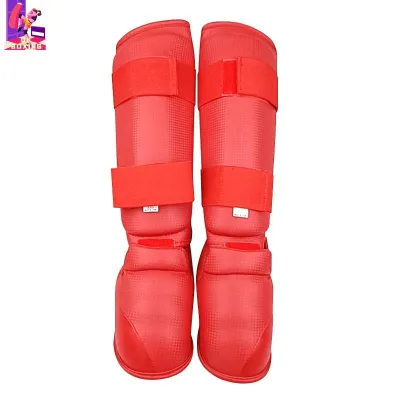
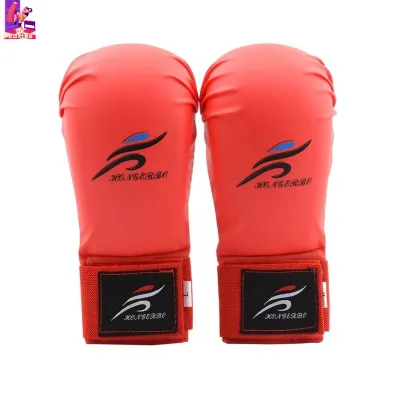
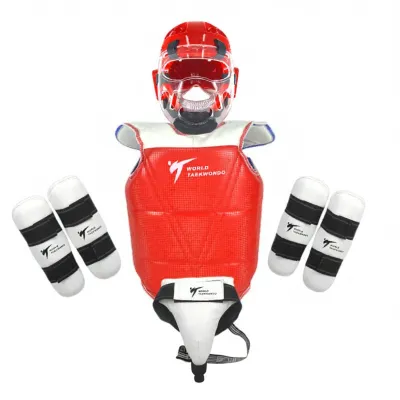
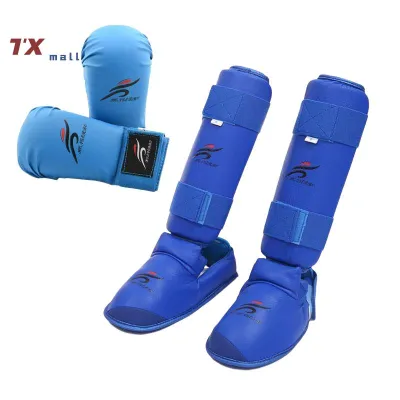
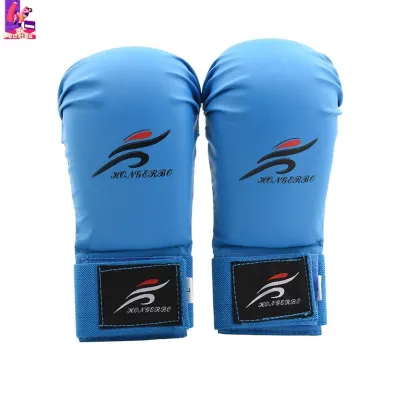
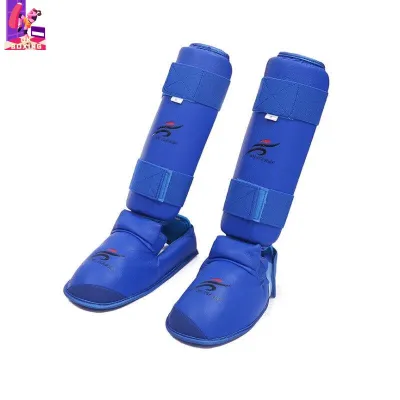
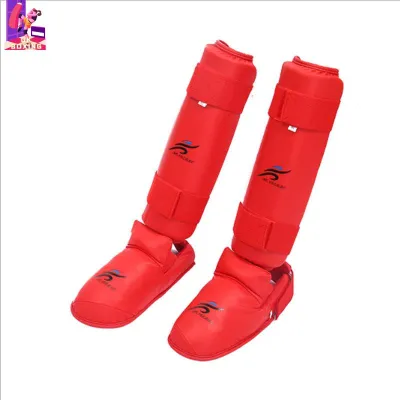
Prices are valid at publication and may change. Please refer to the product page for the latest price.
Key Dimensions for Evaluating Sparring Gear Quality
To objectively compare any sparring gear set across different brands, you must evaluate three core pillars: protection quality, structural durability, and overall value. Rather than relying on marketing claims, look for observable construction details and manufacturer-provided material specifications.

Protection Quality and Shock Absorption The primary function of sparring gear is to disperse kinetic energy away from vulnerable bones and joints. This capability is determined by the density and composition of the internal padding. High-quality sets utilize multi-layered foam systems, combining high-density closed-cell foam for impact dispersion with softer open-cell foam for comfort and shock absorption. Coverage area is equally vital; a proper set must provide comprehensive protection for high-risk zones, including the shins, insteps, knuckles, wrists, and head, without creating dangerous gaps during movement.
Durability and Construction Integrity Sparring gear is subjected to repetitive high-velocity impacts, friction, and significant moisture from sweat. The longevity of a set relies heavily on its structural stitching and closure mechanisms. Look for double or triple stitching along high-stress seams, particularly around the thumb attachment on gloves and the instep-to-shin transition on leg guards. Strap mechanisms also dictate lifespan; premium hook-and-loop closures feature heavy-duty Velcro with reinforced stitching, while professional-grade gear may offer lace-up configurations for a more secure, non-slip fit.
Value Proposition and Cost-Per-Use Evaluating value requires looking past the initial price tag to calculate the long-term cost-per-use. An entry-level sparring gear set priced under S$100 may seem highly appealing, but if the padding collapses or the seams split within four months of regular use, the recurring replacement costs quickly add up. Investing S$250 to S$400 in a robust, professional-grade set that remains safe and functional for three years of consistent training represents far superior long-term value for dedicated martial artists.
Comparing Protection and Material Standards Across Brands
Understanding the differences in materials and padding technologies allows you to make an informed comparison between different brand tiers and price points.
Outer Shell Materials The outer material of your sparring gear set dictates its resistance to tearing, cracking, and moisture absorption. Genuine leather, such as top-grain cowhide, remains the gold standard for premium gear due to its natural breathability, durability, and ability to conform to the shape of your body over time. However, modern high-grade synthetics, including microfibre leather and premium polyurethane (PU), have closed the performance gap. Microfibre synthetics offer exceptional tensile strength, are highly resistant to peeling, and are easier to clean than genuine leather, making them an excellent choice for humid training environments.
Padding Technologies and Shock Dispersion Different manufacturers employ distinct philosophies when designing protective padding. Traditional brands often favor multi-layered compressed foam, which offers progressive resistance—decelerating impacts gradually to protect both the striker and the target. Modern brands frequently utilize Injection Molded Foam (IMF) technology, where pre-curved foam is injected directly into the glove or guard mold. IMF provides highly consistent thickness and excellent anatomical shaping, though it can feel somewhat stiffer initially and requires a break-in period before reaching optimal flexibility.
Fit, Ergonomics, and Sizing Standards No matter how advanced the protective materials are, a poorly fitting sparring gear set compromises safety. If a shin guard rotates during a kick or a glove shifts on impact, the risk of joint hyperextension or soft-tissue injury increases dramatically. Because sizing standards vary significantly between manufacturers—with some sizing by height and others by weight—it is essential to consult brand-specific sizing charts and measure your dimensions accurately. Look for ergonomic designs that feature pre-curved padding, independent joint articulation, and non-slip interior linings that keep the gear firmly in place during intense movement.
Assessing Durability and Long-Term Value
To maximize the return on your investment, you must understand where sparring gear typically fails and how environmental factors influence its lifespan.
Common Failure Points to Monitor Regular inspection of your sparring gear set is essential for maintaining safety on the mats. The most common stress points include:
- Strap Degradation: Over time, hook-and-loop fasteners accumulate lint and hair, reducing their grip strength and causing straps to slip mid-spar.
- Seam Splitting: High-stress areas, such as the crotch of shin guards or the base of glove thumbs, are prone to thread rot if exposed to constant moisture.
- Padding Compression: Repeated impacts eventually break down the internal foam cells, resulting in localized "dead spots" where the padding feels soft, flat, or bottomed out.
Maintenance and Climate Impact in Singapore The tropical climate of Singapore, characterized by high relative humidity and warm temperatures, presents a unique challenge for martial arts gear. Sweat trapped inside gloves and shin guards creates an ideal breeding ground for bacteria, mold, and mildew, which not only cause persistent odours but also accelerate the chemical breakdown of synthetic materials and adhesives.
To protect your gear, always follow the manufacturer’s specific cleaning and care instructions. After every training session, wipe down the exterior and interior of your gear with a damp microfiber cloth and a mild, non-abrasive sanitizing solution. Never leave your gear in a closed gym bag or expose it to direct, harsh tropical sunlight, as extreme heat can dry out leather and warp internal foam. Instead, air out your gear in a well-ventilated, shaded indoor area, and consider using cedar inserts, charcoal deodorising pouches, or specialized gear dryers to actively draw out residual moisture.
The Cost vs. Lifespan Framework To determine how much you should spend, align your budget with your projected training volume:
- Low Frequency (1-2 times/week): A high-quality synthetic set (S$120 – S$180) can easily last 18 to 24 months with proper maintenance, offering excellent immediate value.
- High Frequency (3+ times/week): A premium leather or high-end microfibre set (S$250 – S$400+) is highly recommended. The superior structural integrity and resilient multi-layer foam will withstand daily high-impact sessions, keeping your cost-per-use remarkably low over a multi-year lifespan.
How to Choose the Right Set for Your Training Level
Your selection criteria should evolve alongside your skills, training intensity, and the specific rules of your martial arts discipline.
Beginners and Casual Practitioners If you are new to sparring, your primary focus should be on comprehensive coverage and ease of use. Choose a sparring gear set that prioritizes thick, protective padding over lightweight mobility, helping to build confidence while your defensive skills develop. Look for secure, wide hook-and-loop straps that are easy to adjust without assistance. Opting for reputable mid-tier synthetic brands allows you to acquire a complete, safe set of gear without a substantial upfront financial commitment while you determine your long-term dedication to the sport.
Intermediate and Frequent Sparrers As your sparring sessions become faster and more frequent, the limitations of basic entry-level gear become apparent. Intermediate practitioners should transition to gear that offers a more refined anatomical fit and upgraded shock dispersion. Look for sets featuring high-grade microfibre or hybrid leather constructions, reinforced wrist support, and articulated shin-to-instep guards that do not shift during rapid footwork. At this stage, balancing mobility with protection becomes key as you begin to develop your personal fighting style.
Advanced and Competitive Fighters For advanced martial artists and active competitors, equipment requirements are exceptionally strict. You require a sparring gear set engineered for maximum impact absorption, utilizing premium materials that can withstand elite-level striking power. Advanced gear often features specialized dual-density or gel-infused padding systems that provide maximum protection with minimal bulk, allowing for unrestricted speed and precision. Ensure that your chosen set complies fully with the sanctioning bodies or competitive organizations relevant to your division, as many tournaments require specific certifications or approved brand stamps.
Discipline-Specific Considerations Different martial arts demand distinct equipment configurations, making a single universal set impractical:
- Muay Thai: Requires robust, thick shin guards with extensive instep coverage to protect against heavy bone-on-bone checks, along with highly flexible gloves that allow you to open your hands to catch kicks and work in the clinch.
- Classic Boxing: Prioritizes gloves with thick, pillowy knuckle padding and rigid, highly supportive wrist cuffs to stabilize the joint during repetitive heavy punching, often paired with comprehensive headgear that protects the temples and cheeks.
- Mixed Martial Arts (MMA): Demands specialized hybrid sparring gloves (usually 7oz or 8oz) with segmented finger padding to allow for grappling and submissions, alongside low-profile, slip-on shin sleeves that remain secure during ground transitions.
Always cross-reference your prospective purchase with your gym’s mandatory equipment checklist. Your head coach or instructor is the ultimate authority on what gear is safe and appropriate for their mats, and consulting them prior to buying can prevent costly purchasing errors.
Frequently Asked Questions (FAQ)
Can I mix and match sparring gear from different brands?
Yes, mixing and matching components from different brands is physically possible and often necessary if you have unique anatomical proportions, such as requiring large shin guards but medium gloves. However, if you choose to assemble a custom set, you must ensure that every individual piece meets the same safety, thickness, and material standards required by your gym. Be aware that mixing brands may result in minor variations in fit, aesthetic consistency, and protection levels across your body.
How do I know if my sparring gear needs to be replaced?
You should replace your sparring gear immediately if you observe any signs of structural failure that compromise safety. Inspect your gear regularly for flattened, hardened, or cracked internal padding, which drastically reduces shock absorption and increases the risk of injury to both you and your training partners. Other critical indicators include torn outer material that exposes the internal foam, failing Velcro straps that slip or come undone during active sparring, and deep, persistent odours that do not dissipate after thorough cleaning, signaling advanced bacterial degradation of the inner lining.
Community discussion
Share your experience or ask a question. Comments are reviewed before publication.