
Choosing the right sports recovery and joint support gear is essential for maintaining peak athletic performance and preventing injuries. Phiten, a well-known brand in the sports wellness industry, offers a diverse ecosystem of products, including kinesiology tapes, wearable necklaces, and structured joint braces. To select the most effective option for your routine, you must first identify whether your primary goal is active, localized joint stabilization during high-intensity movement or passive, general recovery during your daily off-hours.
In Singapore’s hot and humid tropical climate, selecting the appropriate gear also requires careful consideration of sweat resistance, breathability, and skin sensitivity. While Phiten’s proprietary titanium-infused materials are popular for their comfort and wellness benefits, these products are designed to supplement, rather than replace, structured physical training, proper warm-up routines, and professional medical care. By matching the specific product category to your activity level and physical needs, you can optimize your recovery strategy and stay active safely.
How to Match Phiten Products to Your Recovery and Support Needs
To build an effective support and recovery regimen, you must distinguish between active, localized support and passive, systemic recovery. Active support products physically assist your muscles and joints during movement. Tapes and structured braces fall into this category, as they mechanically limit harmful joint ranges, improve proprioception, and absorb impact forces during high-stress activities. Passive recovery products, such as Phiten’s necklaces, bracelets, and recovery apparel, are designed for continuous, low-effort wear. These items do not mechanically restrict or support your body; instead, they are intended to promote general comfort, relaxation, and muscle ease during daily activities, office work, or sleep.
Products mentioned in this guide
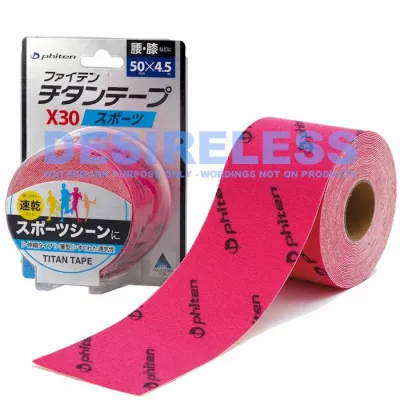
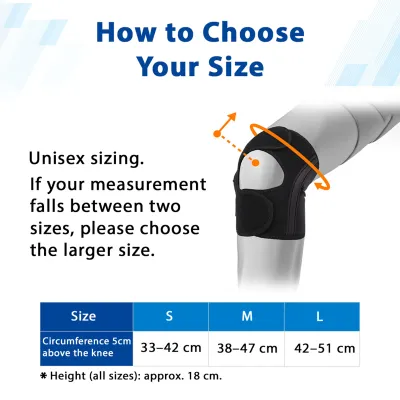
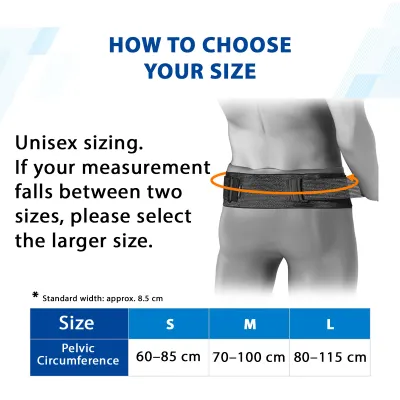
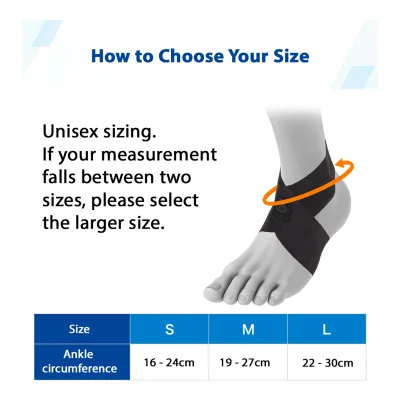
Prices are valid at publication and may change. Please refer to the product page for the latest price.
When selecting a product, several practical criteria should guide your decision:
- Activity Intensity and Movement Patterns: High-impact court sports, such as badminton or basketball, demand rigid joint stabilization or high-stretch taping to protect vulnerable ligaments. Conversely, low-impact activities like yoga or walking benefit more from lightweight, non-restrictive compression sleeves or passive recovery wearables.
- Sweat and Water Exposure: Singapore's high relative humidity leads to rapid, heavy sweating during outdoor activities. This environmental factor quickly degrades standard adhesives and traps heat under thick fabrics. You must choose water-resistant tapes and highly breathable, moisture-wicking braces to prevent skin irritation and premature product wear.
- Skin Sensitivity: Prolonged contact with adhesives or synthetic fabrics in a hot climate can cause contact dermatitis, heat rashes, or chafing. If you have sensitive skin, prioritize hypoallergenic adhesives, perform patch tests, and select braces made from lightweight, porous textiles.
- Mobility versus Stabilization: A critical trade-off exists between joint freedom and structural protection. A rigid knee brace offers maximum stabilization but limits your running stride, whereas kinesiology tape provides moderate support while allowing a full, natural range of motion.
Phiten products feature the brand’s proprietary Aqua-Metal technology, which involves dispersing micro-particles of titanium, gold, or silver into fabrics, adhesives, and elastomers. It is important to view this technology as a wellness and comfort-enhancing feature rather than a medical cure. These products do not repair torn ligaments, cure chronic joint degeneration, or replace the need for physical therapy. For acute injuries, severe pain, or persistent joint instability, always consult a qualified healthcare professional or physiotherapist to obtain a proper diagnosis and treatment plan.
Best Phiten Tapes for Targeted Muscle and Joint Taping
Phiten’s adhesive tapes are highly versatile tools designed for targeted muscle support, joint alignment, and localized recovery. These tapes are applied directly to the skin over specific muscle groups or joints to provide external structural reinforcement and enhance proprioceptive feedback. The brand offers several tape variations, each engineered with different levels of elasticity, adhesive strength, and material durability to suit various sports and environmental conditions.

Standard Kinesiology Tapes
Standard Phiten kinesiology tapes are typically made from woven cotton fibers blended with polyurethane to provide a natural stretch that mimics the elasticity of human skin. These tapes are coated with a mild, pressure-sensitive acrylic adhesive infused with standard concentrations of Aqua-Titanium. They are ideal for everyday recovery, light jogging, gym workouts, and managing minor muscle fatigue.
Because they feature a standard stretch profile, they allow for a full range of motion without feeling overly restrictive. The cotton backing is designed to be breathable, allowing sweat to evaporate during moderate exercise. These tapes are also easier to remove than heavy-duty variants, making them an excellent choice for beginners or individuals who only require short-term taping during light training sessions.
Extreme and Pro Tapes
For athletes engaged in high-intensity training, long-distance running, water sports, or outdoor activities in humid conditions, standard tapes may peel off prematurely due to heavy sweating. Phiten’s Extreme and Pro tape series address this issue by utilizing synthetic fabrics, such as high-density polyester or nylon blends, which absorb less moisture and dry much faster than cotton. These tapes feature a significantly stronger, water-resistant acrylic adhesive designed to withstand prolonged friction, sweat, and direct water exposure.
Many of these advanced tapes are treated with higher concentrations of titanium technology, such as X30, X100, or Metax blends. They provide a firmer stretch, offering greater mechanical resistance to joint displacement. This makes them highly suitable for stabilizing high-stress areas like the patellar tendon, Achilles tendon, or shoulder rotator cuff during explosive movements. Their enhanced durability allows them to remain securely on the skin for multiple days, even through daily showers, provided they are applied correctly.
Application and Limitations
To achieve effective joint support and prevent skin damage, you must apply Phiten tapes using correct anatomical techniques. Before application, ensure the target skin area is clean, dry, and free of oils, lotions, or dense hair, which can compromise adhesive contact. Cut the tape to the required length and round the corners with scissors to prevent the edges from catching on clothing. Apply the anchoring ends of the tape with zero tension to avoid pulling on the skin, and apply moderate stretch only to the middle section of the tape over the targeted muscle or joint.
Improper taping technique can restrict local blood circulation, cause skin blistering, or fail to provide any functional joint support. If you are unfamiliar with kinesiology taping, consult a licensed physiotherapist to learn the correct application patterns for your specific physical needs. Additionally, always perform a 24-hour patch test by placing a small piece of tape on your inner arm before full application. If you experience itching, redness, or swelling, remove the tape immediately and discontinue use.
Best Phiten Necklaces for Daily Wear and Post-Workout Recovery
Phiten necklaces are the brand’s signature passive recovery products, designed for continuous daily wear to promote relaxation and ease muscle tension around the neck, shoulders, and upper back. Unlike tapes and braces, these necklaces require no technical application and do not restrict movement, making them highly popular among office workers, recreational runners, and professional athletes alike. Selecting the right necklace depends on your daily environment, aesthetic preferences, and the intensity of your recovery needs.
Standard Aqua Titanium Necklaces
Standard Aqua Titanium necklaces, such as the classic silicone and fabric models, are designed primarily for casual daily wear, office environments, and mild tension relief. These necklaces typically feature a lightweight silicone elastomer or a braided nylon outer shell embedded with standard Aqua-Titanium. Their minimalist, low-profile design allows them to be worn discreetly under professional attire or lightweight sportswear.
These entry-level models offer basic water resistance, meaning they can withstand light rain, sweat, and occasional splashes. They are highly suitable for individuals who spend long hours sitting at a desk and suffer from postural neck stiffness, as well as athletes looking for a simple, comfortable recovery accessory that does not interfere with their daily outfits.
Raku and Metax Series
For dedicated athletes and individuals seeking deeper post-workout recovery support, Phiten offers the Raku and Metax necklace series. Metax is Phiten’s most advanced material technology, utilizing a proprietary blend of various metals—including titanium, gold, silver, and palladium—dispersed in the fabric or elastomer core. This premium blend is designed to provide a more comprehensive wellness effect compared to single-metal infusions.
Necklaces in these high-end series often feature premium construction materials, such as high-durability polyester cords, carbon fiber accents, and precision-engineered metallic or mechanical clasps. They are built to endure the rigorous physical demands of daily training sessions, offering superior resistance to stretching, pulling, and environmental wear. While they are slightly heavier than basic silicone models, their robust clasps and sophisticated finishes make them both a functional recovery tool and a stylish accessory for serious competitors.
Care and Wearability
To maintain the structural integrity and appearance of your Phiten necklace, you must follow specific care and cleaning guidelines. While many silicone and fabric models are water-resistant, you should check your specific model’s manufacturer instructions regarding water exposure. Avoid wearing fabric-covered necklaces or models with delicate metallic clasps during prolonged swimming sessions in chlorinated pools or saltwater, as chlorine and salt can degrade the fibers and corrode the metal components.
Accumulated sweat, body oils, sunscreen, and cosmetic products can build up on the necklace over time, leading to odors, skin irritation, or tarnishing of the clasp. Clean your necklace regularly by gently hand-washing it in lukewarm water with a mild, neutral soap. Do not use harsh chemical detergents, bleach, or boiling water, as these can damage the embedded metals and synthetic fibers. After washing, rinse the necklace thoroughly with clean water and allow it to air-dry completely in a shaded, well-ventilated area away from direct sunlight and high-heat sources like hair dryers.
Best Phiten Supports and Braces for Active Joint Stabilization
When a joint requires physical reinforcement to prevent injury or manage chronic instability, wearable supports and braces are the most effective choice. Phiten’s range of joint supports is designed to provide mechanical compression, heat retention, and structural stabilization. These products are engineered for specific joints, ensuring that athletes can maintain necessary mobility while protecting vulnerable ligaments and tendons during active movement.
Knee and Ankle Supports
Knee and ankle joints bear the brunt of your body weight and are highly susceptible to acute sprains and chronic strain during running, weightlifting, and court sports like badminton. Phiten’s knee and ankle supports are available in various configurations, ranging from lightweight pull-on compression sleeves to structured braces featuring adjustable hook-and-loop straps and flexible resin side stabilizers.
For high-impact sports involving rapid lateral cuts and jumps, structured braces are essential. They feature built-in patella stabilizers—often in the form of a circular silicone ring—to keep the kneecap aligned, alongside lateral stays that prevent unnatural twisting. To combat Singapore’s hot climate, these supports utilize highly breathable, moisture-wicking fabrics with open-mesh backing panels. This design maximizes airflow behind the knee and around the ankle, reducing sweat accumulation, skin chafing, and overheating during intense matches.
Wrist and Elbow Sleeves
Wrist and elbow sleeves are tailored specifically for racket sports, golf, and repetitive gym movements like pressing and pulling. These supports focus on providing targeted compression to the tendons of the forearm and wrist, helping to damp vibrations that can lead to overuse injuries such as tennis elbow (lateral epicondylitis) or golfer’s elbow (medial epicondylitis).
An effective wrist or elbow sleeve must feature an ergonomic, pre-curved design that conforms to the natural bend of your arm. It should provide firm compression over the muscle belly and tendon insertions without interfering with your hand grip or restricting finger dexterity. Look for models made from thin, high-stretch materials that fit comfortably under clothing and do not bunch up in the crease of the elbow, ensuring you can swing a racket or grip a barbell naturally.
Sizing and Fit Verification
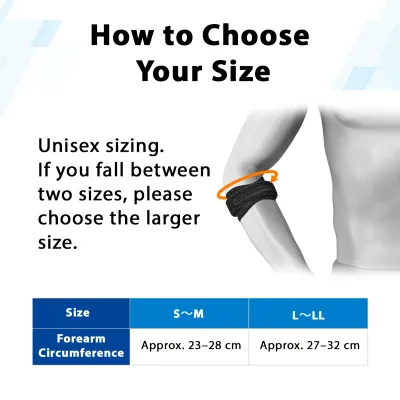
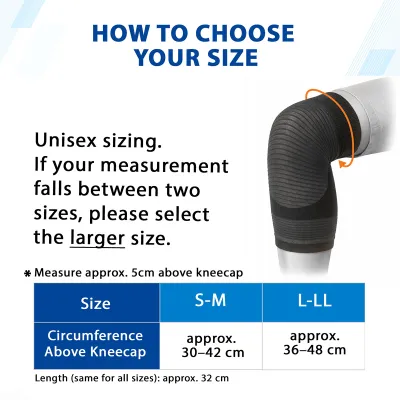
Selecting the correct size is the most critical factor in ensuring a brace provides functional support without causing physical harm. A brace that is too loose will fail to stabilize the joint or provide beneficial compression, rendering it ineffective. Conversely, a brace that is too tight can restrict local blood circulation, cause severe skin irritation, pinch nerves, and limit your natural athletic movement.
To verify your fit before purchasing, always consult the specific sizing chart provided by the manufacturer for that particular product line, as sizing standards vary between models. Use a flexible measuring tape to measure the circumference of your joint at the exact anatomical points specified in the sizing guide (for example, 10 centimeters above the center of the kneecap for a knee brace). If your measurements fall between two sizes, it is generally advisable to opt for the larger size to prevent excessive constriction, and then use the adjustable straps to customize the tightness to a secure, comfortable level.
Quick Comparison: Tapes vs. Necklaces vs. Supports
To help you make an efficient and informed purchasing decision, the table below compares Phiten’s three primary product categories across key functional dimensions. Each category serves a distinct role in an athlete’s physical preparation, protection, and recovery cycle.
| Product Category | Primary Use Case | Application Effort | Durability & Lifespan | Best Suited For |
|---|---|---|---|---|
| Tapes | Localized muscle support, proprioception, and targeted joint alignment during movement. | High; requires proper anatomical alignment and clean skin preparation. | Single-use; typically lasts 1 to 3 days depending on sweat and water exposure. | Targeted rehabilitation, custom joint taping, and high-intensity match days. |
| Necklaces | Passive, systemic recovery, tension relief, and daily wellness support. | Extremely low; simple slip-on design with a secure clasp. | Long-term; reusable for years with proper cleaning and maintenance. | Everyday wellness, office wear, and post-workout upper body recovery. |
| Supports & Braces | Mechanical joint stabilization, compression, and prevention of ligament strain. | Moderate; requires correct positioning, sizing, and strap adjustment. | Medium to long-term; reusable and washable for several months of active use. | High-impact sports, chronic joint instability, and heavy weightlifting. |
Many competitive athletes choose to combine these product categories to create a comprehensive, multi-layered support and recovery system. For example, a runner might wear a Phiten Metax necklace throughout the day to promote general upper body relaxation and manage shoulder tension. During a marathon or high-intensity training session, they may apply water-resistant titanium tape to support their knees or calves, while wearing a compression knee sleeve over the tape for additional physical joint stabilization. This combined approach ensures you receive structural protection during peak exertion and passive recovery support during your downtime.
Frequently Asked Questions (FAQ)
Can I wear Phiten necklaces and joint supports at the same time?
Yes, you can safely wear Phiten necklaces and joint supports simultaneously. Combining these products is a common practice among athletes who want to address different physical needs at once, such as using a brace for mechanical joint stability during a game while wearing a necklace for passive recovery.
However, you should ensure there is no physical interference or friction between the products. For instance, if you are wearing a shoulder support or a high-collar sports compression top, check that the necklace clasp does not rub against the fabric or press uncomfortably into your skin, which can cause chafing during repetitive movements.
How long does the titanium coating last on Phiten products?
The longevity of the titanium technology depends on how it is integrated into the specific product. For items where the titanium or Metax compounds are embedded directly into the core liquid silicone, rubber, or synthetic fibers during the manufacturing process, the technology does not wash out and will last for the functional lifespan of the physical product.
For surface-coated items or tapes, the material integrity can be degraded over time by external factors. To maximize the lifespan of your wearable products, avoid exposing them to harsh chemical detergents, bleach, fabric softeners, or excessive friction. Always follow the manufacturer’s care instructions, wash fabric items gently by hand, and allow them to air-dry naturally.
Are Phiten tapes and supports safe for highly sensitive skin?
Phiten tapes and supports are generally designed with skin-friendly materials, but individuals with highly sensitive skin, eczema, or allergies to acrylic adhesives should take precautions. The combination of strong adhesives, sweat accumulation, and friction in a hot, humid environment can increase the risk of skin irritation, redness, or heat rashes.
To minimize these risks, always perform a 24-hour patch test with a small piece of tape on a non-sensitive area before applying it to a major joint. When using joint supports, ensure you wash them regularly to remove accumulated sweat, bacteria, and dead skin cells. If you experience any itching, burning, or visible skin irritation, remove the tape or support immediately, wash the area with clean water, and consult a medical professional if the symptoms persist.
Community discussion
Share your experience or ask a question. Comments are reviewed before publication.