
Earning a new belt in Taekwondo represents months of dedicated training, discipline, and perseverance. In Singapore, where residential space is highly optimized and the tropical climate presents unique preservation challenges, choosing the right taekwondo belt display is more than just an aesthetic decision. It is about honoring your martial arts journey while protecting your achievements from moisture, dust, and wear. Whether you are a parent celebrating your child’s progress from white belt to junior black belt, or an experienced practitioner displaying multiple Dan ranks, finding a suitable display rack requires balancing durability, capacity, and installation practicalities.
The ideal display should fit seamlessly into your living space, accommodate your specific belt progression, and withstand Singapore’s high humidity. From classic wooden wall-mounted racks to enclosed glass shadow boxes, the market offers several options tailored to different budgets and room layouts. Understanding the structural differences, material properties, and mounting requirements will ensure your hard-earned belts remain in pristine condition for years to come.
Key Criteria for Choosing a Quality Belt Display
Material Durability and Climate Resilience
The choice of material determines how well your display will age, especially under Singapore’s high relative humidity, which regularly exceeds 80 percent. Solid hardwoods like teak, oak, or mahogany are highly recommended due to their natural resistance to warping and moisture-induced rot. In contrast, low-grade Medium-Density Fibreboard (MDF) or cheap particle boards tend to absorb atmospheric moisture over time, leading to swelling, sagging, and the growth of mold. If you opt for an engineered wood display, ensure it has a high-quality, moisture-resistant sealant or veneer. Acrylic and metal are excellent modern alternatives; high-grade acrylic offers a sleek, contemporary look that is entirely immune to humidity, while powder-coated steel or aluminum provides exceptional strength without the risk of rust, provided the coating remains intact.
Products mentioned in this guide
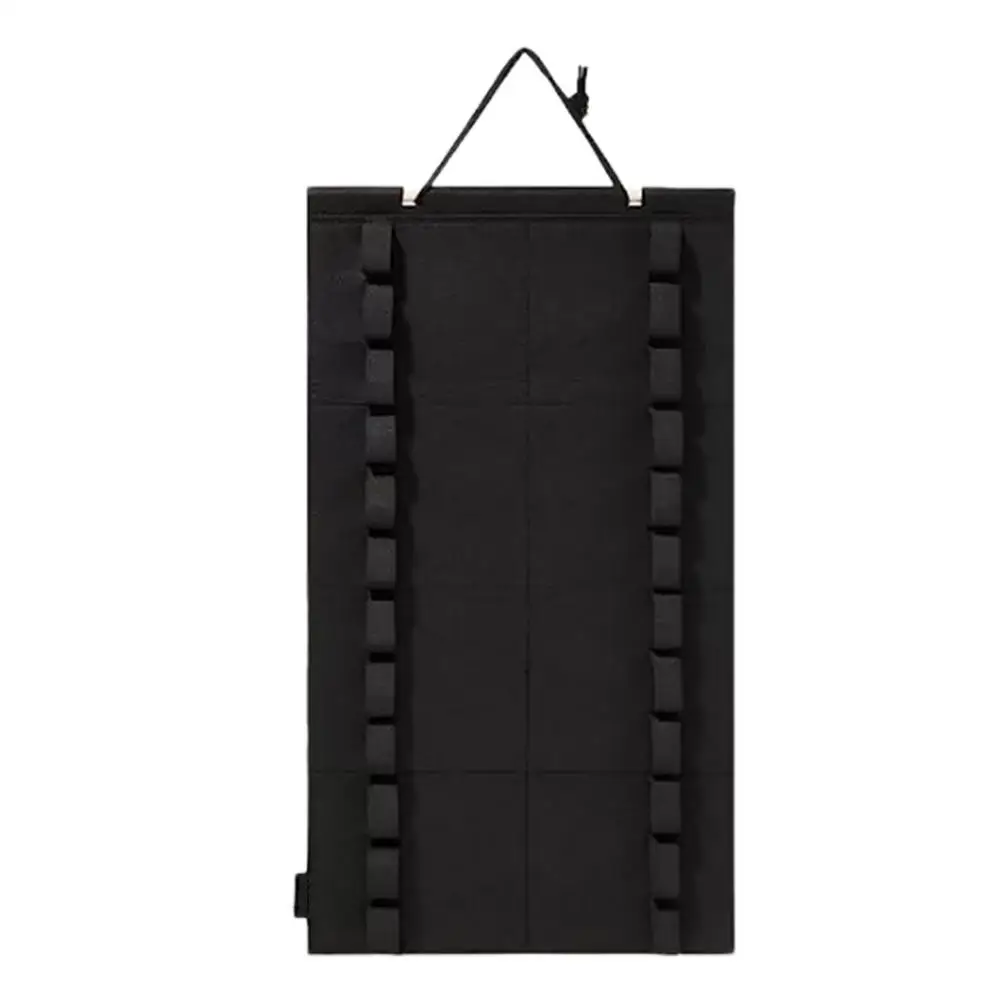
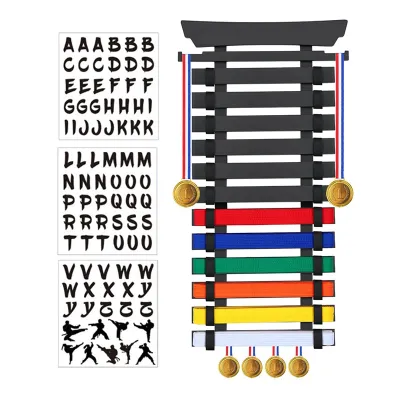
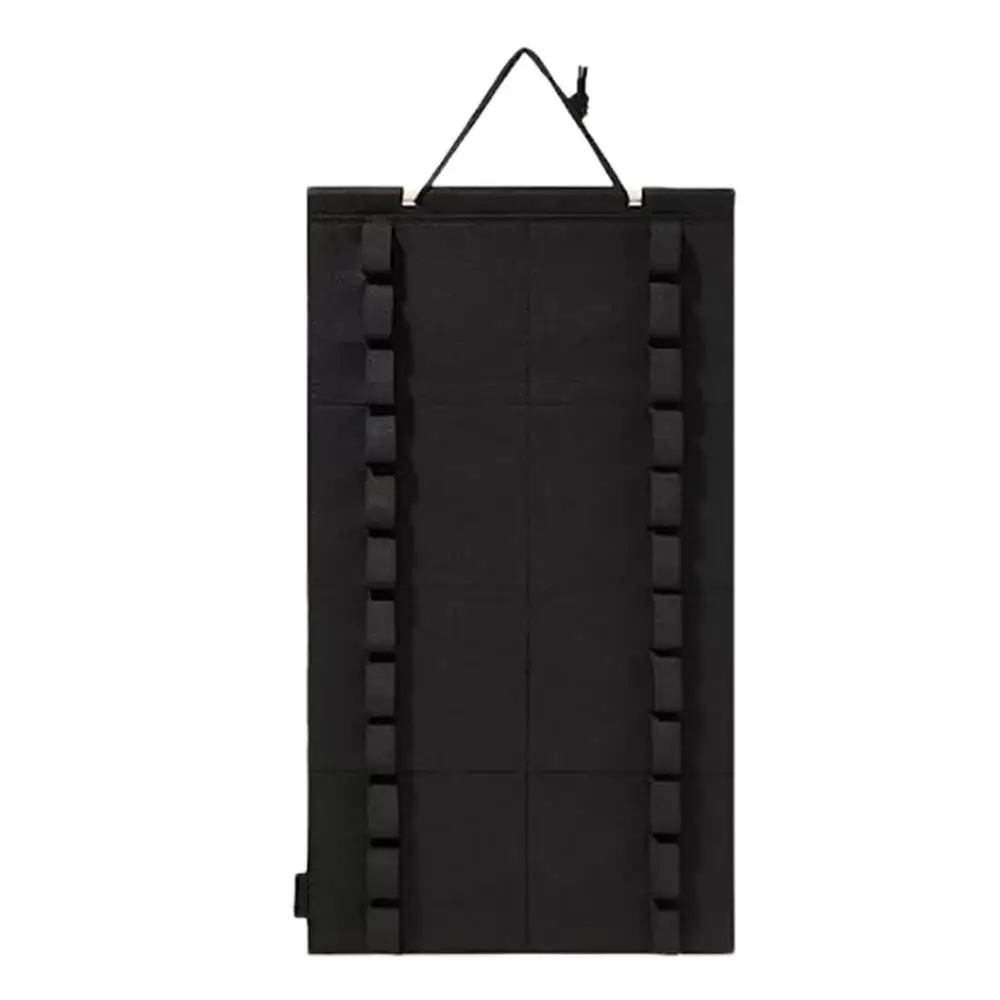
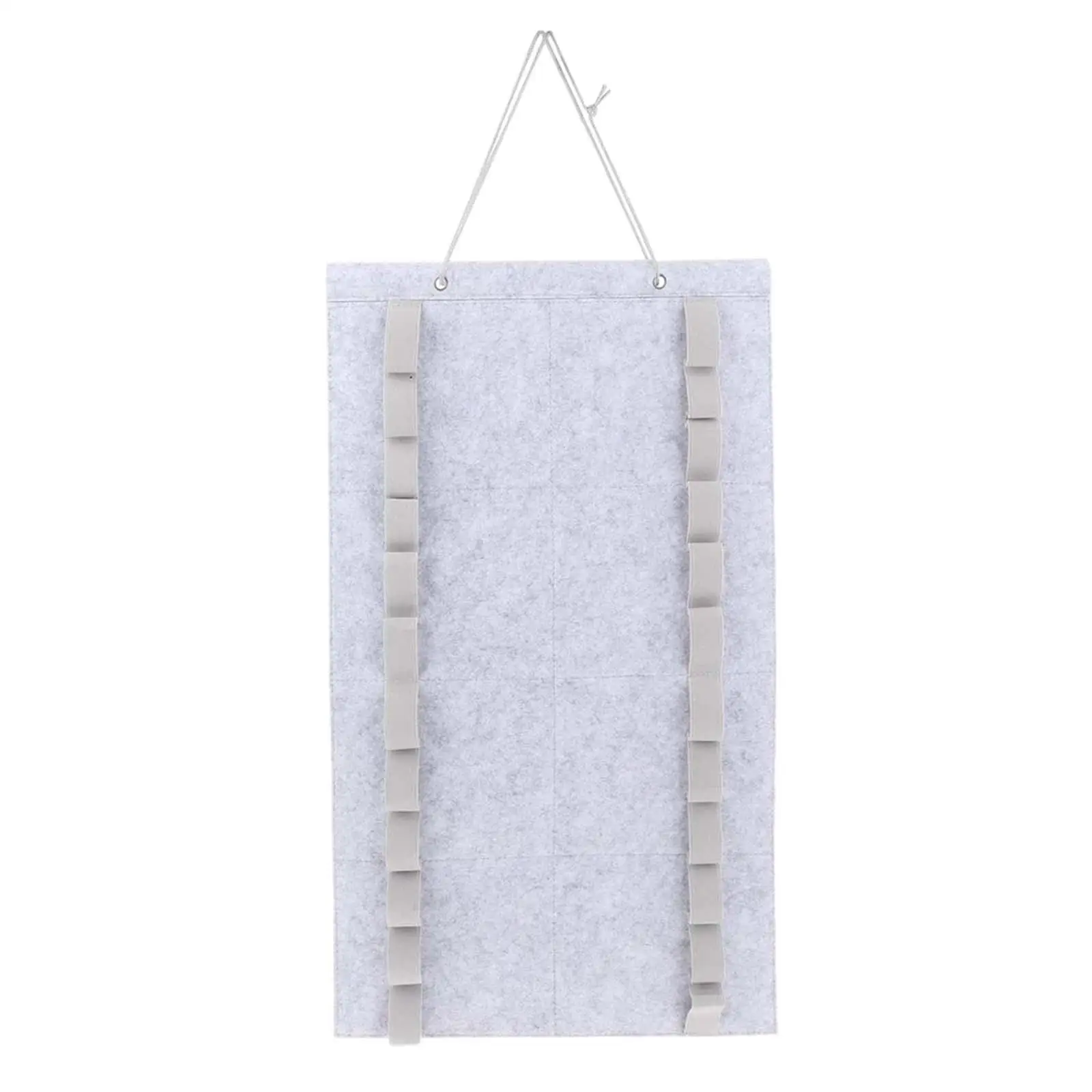
Prices are valid at publication and may change. Please refer to the product page for the latest price.
Capacity and Layout
A standard Taekwondo progression typically involves moving through ten Geup (color belt) ranks before reaching the black belt (Dan) levels. When selecting a display, you must decide whether you want to showcase your entire journey from white belt to black belt, or focus only on your most significant achievements. A standard ten-tier display is ideal for showing a complete progression, allowing you to mount each belt chronologically. If your school utilizes transition stripes or intermediate ranks, you may need a display with customizable spacing or additional hooks. For advanced practitioners, a smaller three-to-five-tier display might be preferred to highlight only the black belt degrees (Dan ranks) and ceremonial belts. Ensure the width of the slats or slots matches the standard width of Taekwondo belts, which typically ranges from 4 cm to 5 cm.
Protection vs. Visibility
Choosing between an enclosed display and an open rack involves a trade-off between preservation and accessibility. Enclosed displays, such as shadow boxes with glass or acrylic front panels, act as a barrier against dust, airborne oils, and ambient moisture. This level of protection is highly beneficial for preserving the vibrant colors of cotton or silk belts, preventing them from fading or turning yellow. However, enclosed cases make it more difficult to add new belts as you progress, often requiring you to open the entire frame and rearrange the layout. Open racks, on the other hand, offer a traditional, tactile aesthetic reminiscent of a classic dojang. They allow you to easily touch, adjust, or add belts as you grade, but they leave the fabric exposed to dust and humidity, requiring more frequent maintenance and cleaning.
Aesthetics and Space
Singaporean homes, particularly HDB flats and condominiums, often require smart spatial planning. A bulky floor-standing display might crowd a compact bedroom, making wall-mounted vertical racks a more practical choice. The design of the display should complement your existing interior decor. A rustic, dark-stained wooden rack fits well in traditional or minimalist spaces, while a sleek acrylic or metallic frame matches modern, industrial, or contemporary aesthetics. If wall space is limited, look for multi-functional displays that combine belt slats with integrated medal hangers or a top shelf for trophies and certificates. This consolidation keeps all your martial arts achievements in one organized zone, reducing visual clutter in your home.
Recommended Taekwondo Belt Display Types for Your Home or Dojang
Shadow Box Frames
Shadow box frames offer an elegant, museum-quality presentation that prioritizes protection and long-term preservation. These enclosed frames feature a deep recessed cavity behind a glass or acrylic window, allowing you to display folded or rolled belts alongside other memorabilia. The primary advantage of a shadow box is its ability to shield delicate cotton and silk fibers from environmental hazards. By sealing the belts behind a transparent barrier, you drastically reduce their exposure to dust, cooking grease, and ambient moisture, which can cause fabric degradation and discoloration. This makes shadow boxes the premier choice for displaying high-value achievements, such as a first-degree black belt certificate, grading photos, and the actual black belt itself.

When planning to install a shadow box in a Singaporean home, wall space and depth are critical considerations. Because these boxes must accommodate the thickness of folded belts, they typically protrude 5 cm to 10 cm from the wall. This depth requires a secure mounting location where the frame will not be accidentally bumped by foot traffic. Additionally, shadow boxes are significantly heavier than open wooden racks due to the weight of the glass panel and the robust outer frame. You must ensure that your mounting hardware is rated for the total weight of the frame, glass, and displayed items.
The main limitation of a shadow box is its lack of flexibility for active, progressing students. Rearranging a shadow box is a meticulous process that involves opening the backing, unpinning the items, and repositioning them. If a student is grading every few months, an enclosed frame can quickly become a hassle to update. Furthermore, high-quality shadow boxes with solid wood frames and UV-resistant glass carry a higher price point than basic open racks, making them better suited as a final, permanent display once a practitioner reaches a stable milestone, such as a black belt or a specific Dan rank.
Wall-Mounted Open Racks
Wall-mounted open racks represent the classic, traditional method of displaying martial arts belts. These displays typically consist of a vertical wooden or metal backing with horizontal slats where belts are folded flat and secured using elastic bands, velcro straps, or wooden pegs. This design mirrors the traditional layout seen in martial arts dojangs worldwide, creating a focused, athletic atmosphere in a bedroom, home gym, or study. The open layout makes your progression highly visible and serves as a daily visual motivator, reminding you of the steps you have taken and the goals that lie ahead.
One of the greatest benefits of open racks is their installation flexibility. Because they are relatively flat and lightweight, they can be mounted on almost any vertical surface, including narrow pillars, the back of doors, or wood-paneled walls. They can be easily positioned at a child’s eye level, allowing young practitioners to take pride in mounting their own belts after a successful grading ceremony. This hands-on interaction fosters a sense of responsibility and personal achievement in younger students, who can physically see their progress grow tier by tier.
However, the open nature of these racks means they require consistent maintenance to combat Singapore’s humid climate. Without a protective barrier, the fabric of the belts is fully exposed to settling dust and airborne moisture. Over time, cotton belts can absorb humidity, leading to a musty odor or the development of microscopic mold spores. To prevent this, homeowners must commit to regular dusting and occasional airing of the belts. If the display is located near a window, the constant exposure to natural light can also cause the bright colors of the lower-rank belts—such as yellow, green, and blue—to fade unevenly over several years.
Freestanding Floor Displays
For renters, students living in temporary accommodations, or homeowners who prefer not to drill holes into their walls, freestanding floor displays offer an excellent alternative. These units stand on a stable, self-supporting base and can hold a complete set of belts, often integrating additional storage features like shelves for trophies or side hooks for medals. The primary advantage of a freestanding display is its portability; you can easily relocate the unit from a bedroom to a living room, or pack it up during a house move without needing to patch up drywall or repair concrete plaster.
Despite their convenience, freestanding displays require a careful evaluation of floor space and structural stability. In typical Singaporean apartments where floor area is highly optimized, a freestanding rack occupies valuable footprint that could otherwise be used for furniture. Furthermore, because these units are tall and relatively narrow, they can have a high center of gravity when fully loaded with heavy belts and medals. It is crucial to select a model with a wide, weighted base to prevent tipping, especially in households with active young children, curious pets, or high foot traffic.
Freestanding displays are highly effective for temporary setups, promotional events, or dojang lobbies. They can be positioned near the entrance of a training hall during grading days to showcase the school’s heritage, or placed in a corner of a home training area to define the space. When choosing a freestanding unit, look for models constructed from heavy solid wood or wrought iron, as lightweight plastic or thin metal tubes are prone to wobbling and may fail to support the weight of a full ten-belt collection over time.
Where to Buy Authentic Martial Arts Displays in Singapore
Sourcing a high-quality taekwondo belt display in Singapore requires navigating various retail channels to find a product that matches your budget and quality expectations. Visiting local martial arts supply stores is one of the most reliable ways to evaluate a display before purchasing. Established physical retailers specializing in combat sports equipment allow you to inspect the craftsmanship firsthand. You can run your hands over the wood to check for a smooth, splinter-free finish, test the strength of the mounting brackets, and verify that the slat dimensions are compatible with your specific belt width. Staff at these specialty shops can also offer valuable advice on which designs are most popular among local practitioners.
For those who prefer purchasing online, visiting the official websites of recognized martial arts uniform and equipment brands is highly recommended. Many global brands that manufacture high-quality taekwondo uniforms (doboks) also design and sell branded belt displays. Purchasing directly from these official online stores or their authorized regional distributors guarantees that you are receiving an authentic product made from durable, non-toxic materials. It also ensures you are covered by manufacturer warranties and return policies, providing peace of mind if the item arrives damaged or with manufacturing defects.
Major e-commerce platforms offer a vast selection of belt displays, ranging from budget-friendly options to mid-tier designs. When shopping on these online marketplaces, it is vital to exercise caution to avoid low-quality counterfeits or poorly constructed products. Always check the seller’s overall rating and read verified buyer reviews, paying close attention to reviews that include real photos of the installed product. Confirm the shipping origin of the item; choosing local Singaporean sellers or regional distributors with established logistics networks helps avoid long shipping delays, high international freight costs, and potential customs complications.
If you are looking for a truly unique, heirloom-quality display, commissioning a custom woodworker or local framing shop in Singapore is an outstanding option. Local carpenters can design a bespoke shadow box or tiered rack tailored precisely to your home’s wall dimensions and aesthetic preferences. You can select premium, climate-resilient timbers like teak or nyatoh, choose custom engraving for the practitioner’s name and black belt registration number, and incorporate specialized compartments for certificates, medals, and grading photos. While custom woodwork involves a higher financial investment and longer lead times, the result is a durable, personalized masterpiece that can be passed down through generations.
Installation and Maintenance for Singapore Homes
Wall Type Identification and Secure Mounting
Before mounting any wall-mounted belt display, you must accurately identify the construction of your wall to ensure a safe and secure installation. The vast majority of residential properties in Singapore, particularly HDB flats, feature internal walls made of reinforced concrete or precast lightweight concrete panels. Drilling into these hard surfaces requires a hammer drill equipped with a high-quality masonry drill bit. Standard drywall screws or light-duty plastic anchors will fail to penetrate the concrete and can strip or break, leading to a damaged wall and a fallen display.
For concrete walls, always use heavy-duty plastic wall plugs (commonly known as rawlplugs) paired with long, corrosion-resistant steel screws. If you are mounting a particularly heavy shadow box, consider using sleeve anchors for maximum load capacity. Conversely, if you are mounting on a partition wall made of gypsum drywall, you must locate the vertical wooden or metal studs using a stud finder, or use specialized toggle bolts designed to spread the load behind the hollow wall board. If you are uncomfortable operating a hammer drill or are unsure about the location of concealed electrical wiring or water pipes, it is highly recommended to hire a professional local handyman to perform the installation safely.
Humidity Management
Singapore’s tropical climate, characterized by high relative humidity and warm temperatures, creates an environment where mold and mildew can thrive on fabric items. Taekwondo belts, which are typically made of thick layers of cotton or polyester-cotton blends, are highly susceptible to absorbing moisture from the air. To protect your belts from developing musty odors, yellow stains, or mold spores, you must manage the microclimate around your display.
Avoid mounting your display rack in areas of the home with poor air circulation, such as enclosed closets, dark hallways, or walls directly adjacent to bathrooms. If you are using an enclosed shadow box, place several packets of silica gel or a small, rechargeable dehumidifier sachet inside the frame to absorb trapped moisture. For open displays, ensure the room is well-ventilated by regularly opening windows, utilizing ceiling fans, or running an air conditioner or home dehumidifier. Additionally, never hang your display in direct sunlight; UV rays will rapidly break down the fabric dyes, causing your vibrant colored belts to fade and look worn prematurely.
Routine Care
Keeping your belt display in excellent condition requires minimal but consistent maintenance. For wooden racks, perform a weekly dusting using a dry, clean microfiber cloth to remove settled dust and lint without scratching the wood finish. Avoid using wet wipes, damp cloths, or harsh chemical household cleaners, as excess moisture can seep into unsealed wood joints, causing the wood to swell, warp, or lose its protective lacquer. Once a year, conduct a safety inspection of the display. Gently wiggle the frame to ensure the mounting screws remain tightly anchored in the wall. Over time, vibration from household activity or the added weight of new medals can cause wall plugs to loosen slightly; tightening the screws annually prevents accidental falls and keeps your display safely secured.
Frequently Asked Questions (FAQ)
How do I mount a belt rack on an HDB concrete wall?
Mounting a display on an HDB reinforced concrete wall requires a hammer drill and a masonry drill bit matching the size of your wall plugs. First, mark the drilling points precisely using a spirit level to ensure the rack hangs straight. Drill the holes to the depth of the plastic wall plugs, insert the plugs firmly until they are flush with the wall surface, and then secure the mounting brackets using long, heavy-duty screws. If you encounter structural rebar while drilling, stop immediately and shift the hole location slightly. If you are unsure of your drilling skills or worry about hitting hidden utility lines, hire a licensed local handyman.
Can I display my taekwondo medals alongside my belts?
Yes, displaying medals alongside your belts is a popular way to showcase your complete competitive and academic martial arts journey. Many modern open racks come equipped with dedicated metal hooks or a hanging bar beneath the belt slats specifically designed for medals. Alternatively, a custom shadow box can be arranged to place medals, certificates, and belts in a single cohesive layout. However, you should never hang heavy metal medals directly onto the fabric of the displayed belts. The concentrated weight of the medals can stretch, warp, or tear the cotton fibers of the belts over time, ruin their alignment, and damage the overall presentation.
How do I prevent my belts from fading in a display case?
To prevent your taekwondo belts from fading, the most effective step is to mount your display case away from direct sunlight, skylights, or high-intensity halogen lighting. Ultraviolet (UV) radiation is the primary cause of photochemical fading in fabric dyes. If your display must be placed in a brightly lit room or near a window, opt for an enclosed shadow box fitted with UV-filtering glass or museum-grade acrylic, which can block up to 99 percent of harmful UV rays. Additionally, keep the display away from heat sources like radiators or air conditioning vents, as extreme temperature fluctuations can also accelerate fabric degradation.
Community discussion
Share your experience or ask a question. Comments are reviewed before publication.