
Choosing the right badminton grip tape is one of the most immediate ways to influence your racket control, shot accuracy, and overall comfort on the court. The decision between a towel grip and a polyurethane (PU) grip primarily depends on how much your hands sweat, the climate of your playing venue, and your preference for either a soft, dry texture or a tacky, cushioned feel. While towel grips excel at absorbing heavy moisture, PU grips offer superior shock absorption and long-lasting tackiness under moderate conditions. Understanding how these materials interact with your hand and racket handle will help you maintain a secure hold and prevent your racket from slipping during high-speed rallies.
Core Differences Between Towel and PU Grips
To make an informed choice, it is essential to understand the structural and material differences that set these two grip types apart. Towel grips are made from cotton-based terry cloth, resembling the texture of a standard bath towel. This material is inherently fibrous and porous, designed specifically to draw moisture away from your palm. In contrast, PU grips are manufactured from synthetic polyurethane or rubber compounds, creating a smooth, solid surface that relies on surface tension and specialized coatings to provide friction and tackiness.
These material compositions directly dictate their primary design focuses. Towel grips prioritize maximum moisture absorption, making them a traditional favorite for players who experience heavy perspiration. PU grips, on the other hand, focus on shock absorption, vibration dampening, and a consistent, sticky feel that helps the racket cling to your fingers without requiring a tight squeeze.
Products mentioned in this guide
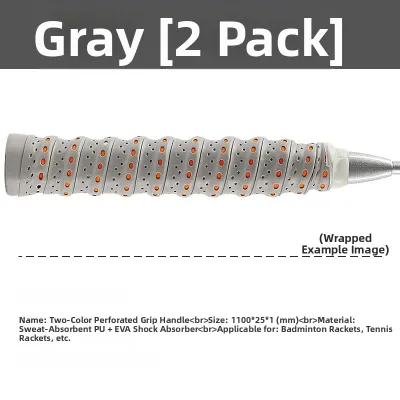
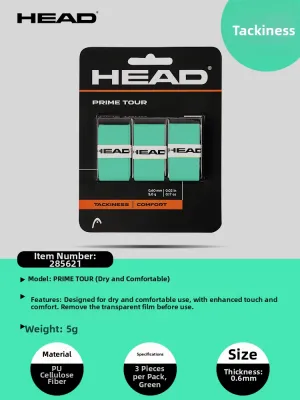
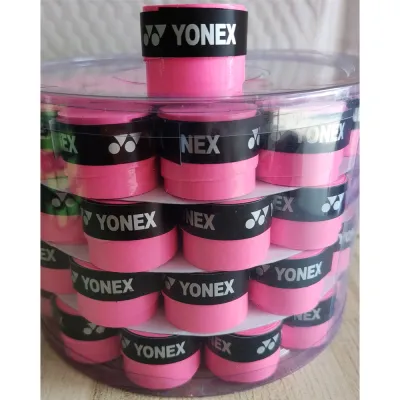
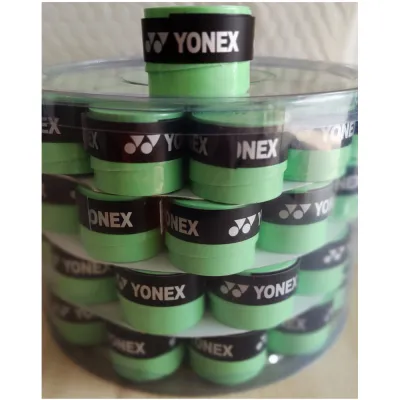
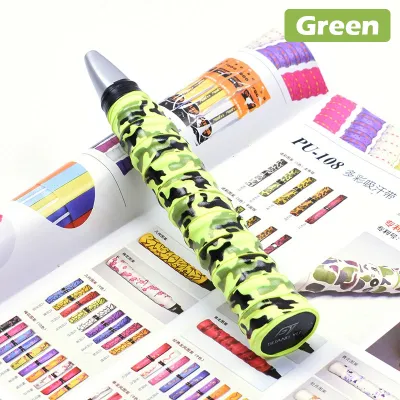
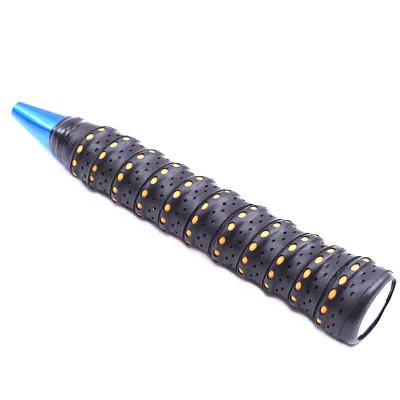
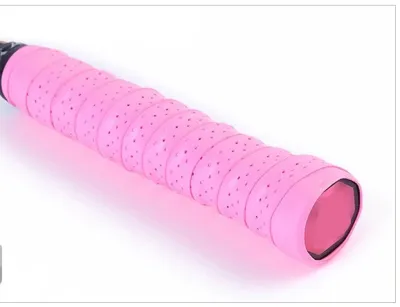
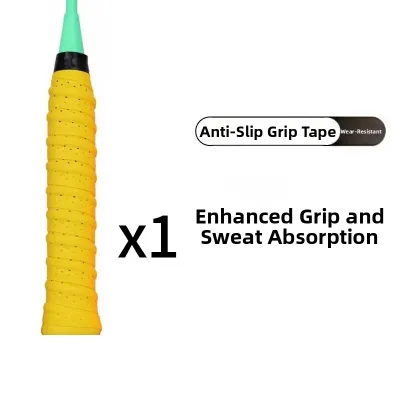
Prices are valid at publication and may change. Please refer to the product page for the latest price.
The physical dimensions of these grips also alter your racket’s handle diameter and weight distribution. Towel grips are generally thicker and heavier than standard PU overgrips. Wrapping a towel grip onto your handle will noticeably increase the grip size, which can affect how easily you can switch between forehand and backhand finger positions. Additionally, because cotton holds more weight—especially when saturated with sweat—a towel grip can slightly shift the balance point of your racket toward the handle, making the head feel lighter. PU grips are typically thinner, allowing you to maintain a smaller handle profile and preserve the original balance and maneuverability of your racket.
Performance in Humid Conditions and Heavy Play
Playing conditions and physical exertion play a massive role in how each grip material performs over time. In highly humid environments, such as indoor sports halls in tropical regions, air circulation is often limited, leading to rapid sweat buildup. Under these conditions, a towel grip acts like a sponge, absorbing sweat continuously so your hand remains dry and slip-free. However, once a towel grip reaches its maximum saturation point, it can become heavy, soggy, and slippery, requiring the application of grip powder to restore its dry texture.

PU grips handle moisture differently. For players with light to moderate hand sweat, a high-quality PU grip maintains its tacky surface throughout a session, offering a highly secure connection. However, when subjected to heavy sweat or extreme humidity, moisture can pool on the non-porous surface of a PU grip. This creates a thin barrier of liquid between your hand and the handle, which can cause the racket to twist or slip during powerful overhead smashes.
Durability and wear patterns also differ significantly between the two materials. As you play, you should observe the physical state of your grip tape to check for degradation. Towel grips degrade through friction and moisture exposure, leading to matting, fraying, and a rough, hardened texture that can cause blisters. PU grips do not fray; instead, they show wear through peeling, cracking, or a gradual loss of their tacky outer coating, leaving a slick, shiny surface that offers very little friction.
The impact on grip firmness and shock transmission is another critical performance factor. Because towel grips lack a cushioned foam backing, they provide direct, firm feedback from the wooden handle, which many advanced players prefer for precise shot placement. PU grips often feature built-in cushion strips or foam backing, which absorb the vibrations generated during hard impacts. This cushioning reduces the strain on your wrist and elbow, making PU grips a more comfortable option for players recovering from joint fatigue or those who prefer a softer feel.
Maintenance, Hygiene, and Replacement Signals
Maintaining your grip tape is not just about performance; it is also a matter of hygiene and equipment longevity. Because towel grips are made of organic cotton and absorb sweat directly, they quickly become breeding grounds for bacteria if left damp. To prevent unpleasant odors and mold growth, you must dry your racket properly after every session. Avoid leaving your racket inside a sealed bag; instead, store it in a well-ventilated area so the cotton fibers can air out completely.
PU grips require less daily maintenance because their synthetic surfaces do not absorb sweat into the core material. However, they still accumulate dirt, skin oils, and dust over time, which can degrade the tacky coating. Gently wiping down a PU grip with a slightly damp microfiber cloth after play can help remove surface oils and extend its usable lifespan.
You should establish a regular visual and tactile inspection routine to determine when a replacement is necessary. For towel grips, check for hardening of the fibers, persistent dampness, or a noticeable odor. For PU grips, look for visible peeling, smooth patches where the tackiness has worn off, or slipping during play. If you notice your hand sliding or twisting on the handle during routine strokes, stop play immediately and replace the grip to prevent the racket from flying out of your hand and causing injury or equipment damage.
Decision Framework: Match the Grip to Your Playstyle
Selecting the ideal grip tape requires balancing your physical needs, playing environment, and racket specifications. Use the following guidelines to determine which material aligns with your setup.
Choose a towel grip if you:
- Experience heavy hand perspiration during play.
- Frequently play in highly humid, non-air-conditioned indoor courts.
- Prefer a dry, fabric-like texture over a sticky or rubbery feel.
- Do not mind replacing your grip frequently to maintain hygiene and performance.
- Prefer a firmer handle feedback for precise control.
Choose a PU grip if you:
- Have minimal to moderate hand sweat.
- Prioritize shock absorption and want to minimize vibration transfer to your joints.
- Prefer a tacky, high-friction surface that helps you hold the racket with minimal effort.
- Want a durable grip that lasts through multiple sessions without requiring constant drying.
- Wish to keep your racket handle as thin and lightweight as possible.
Before making your final choice, verify your racket’s current handle dimensions. If your racket handle is already thick, adding a bulky towel grip may make it uncomfortable to hold, potentially straining your hand muscles. Conversely, if you have larger hands and need to build up the handle size, a towel grip or a cushioned PU replacement grip can help you achieve the desired ergonomic fit.
Frequently Asked Questions (FAQ)
Can I wrap a towel grip over an existing PU grip?
While it is physically possible to wrap a towel grip over an existing PU grip, it is generally not recommended. Layering a thick, fabric-based towel grip over a cushioned PU grip creates an exceptionally bulky handle that rounds out the bevels of the wooden shaft. This loss of handle definition makes it difficult to feel the orientation of the racket face, which can negatively impact your shot accuracy and grip transitions. Additionally, the moisture absorbed by the towel grip can seep through to the underlying PU grip, trapping dampness and potentially damaging the wooden handle underneath. For the best results, wrap towel grips directly onto the wooden handle or over a thin layer of protective cushion wrap.
Should I remove the factory base grip before applying a new overgrip?
Whether you should remove the factory base grip depends on the type of grip tape you are applying and your preferred handle thickness. Factory grips are designed as replacement grips, meaning they are thick enough to protect the wood and provide baseline cushioning. If you are applying a thin PU overgrip, you can safely wrap it directly over the factory grip to add tackiness without significantly increasing the handle size. However, if you are applying a thick towel grip or a heavy PU replacement grip, you should remove the factory base grip down to the bare wood. This prevents the handle from becoming too thick and allows you to apply a specialized cushion wrap or waterproof sealing tape to protect the wood from sweat damage.
Community discussion
Share your experience or ask a question. Comments are reviewed before publication.