
Selecting the right badminton grip tape is one of the most direct ways to influence your control, comfort, and confidence on the court. Because the grip serves as your sole point of contact with the racket, any mismatch between your hand physiology and the grip material can lead to minor slips, misdirected shots, or premature hand fatigue. Players often find themselves choosing between two primary categories: towel grips and polyurethane (PU) grips.
Each material offers a distinct tactile experience and handles moisture in fundamentally different ways. While some players prioritize a soft, dry texture that absorbs heavy perspiration, others require a thin, tacky surface that provides immediate feedback from the racket handle. Understanding how these materials interact with your playing style, sweat levels, and physical preferences is key to finding the setup that keeps your racket secure during high-speed rallies.
Understanding the Core Material and Baseline Feel
To make an informed choice, you must first understand what these grips are made of and how they feel in a dry state. Towel grips are constructed from cotton or terrycloth, featuring a looped pile texture similar to a standard bath towel. This design is inherently soft, fibrous, and dry to the touch, offering a natural, fabric-based feel that many players find comforting.
Products mentioned in this guide
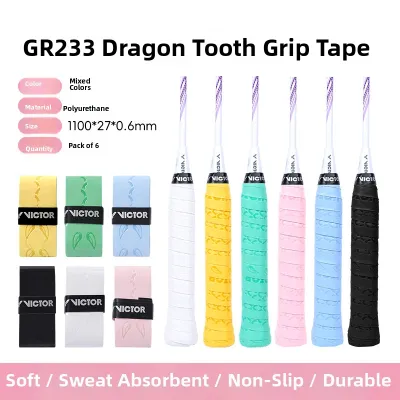
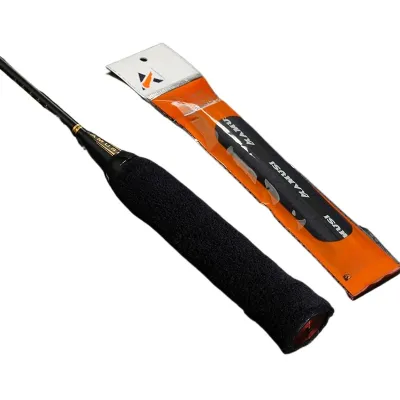
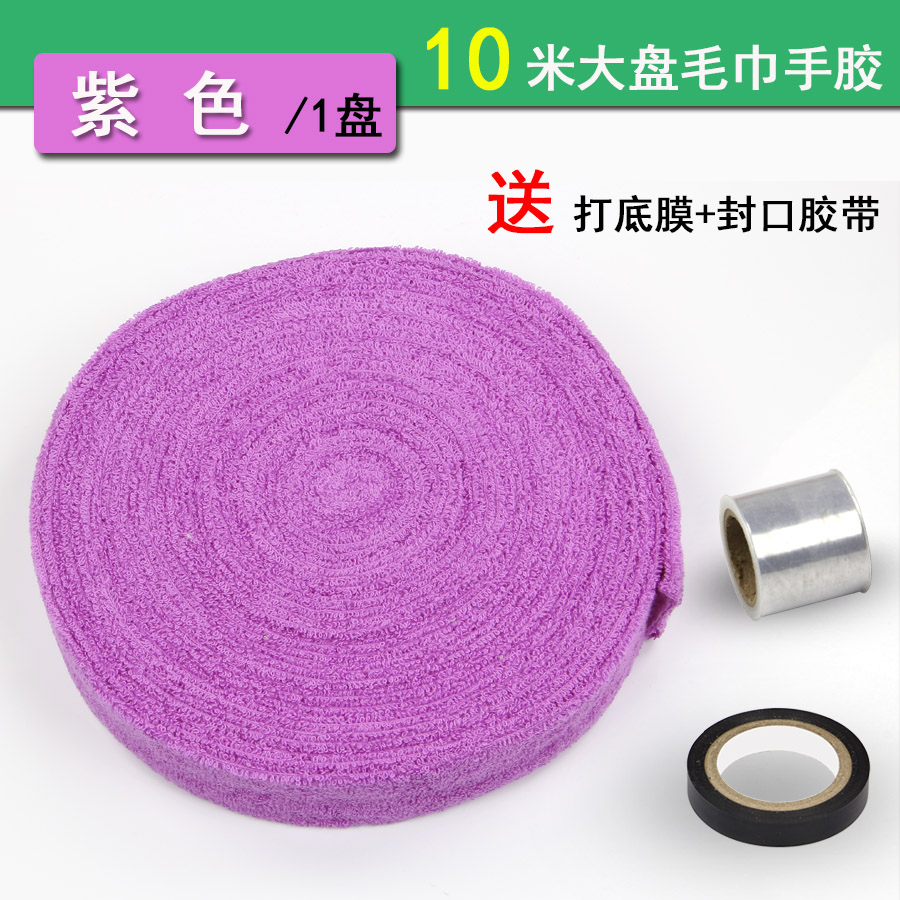
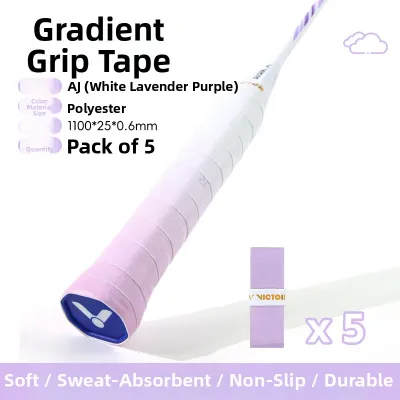
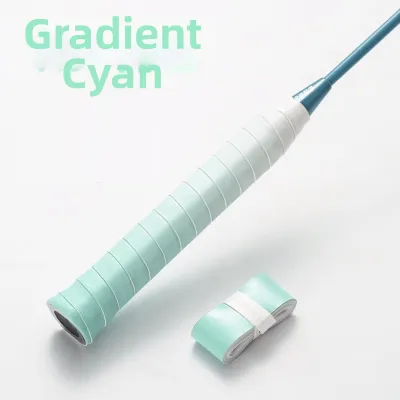
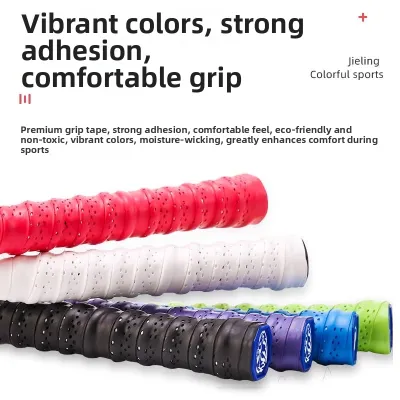
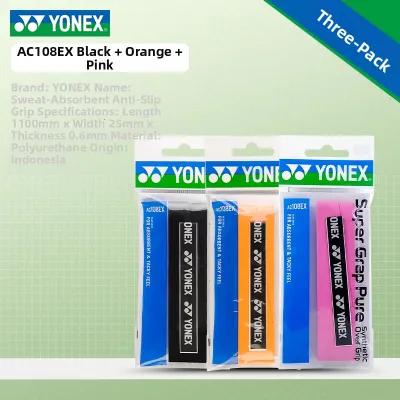
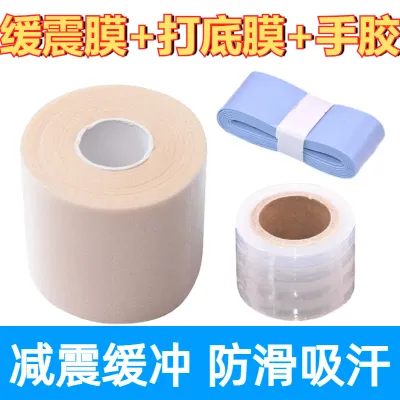
Prices are valid at publication and may change. Please refer to the product page for the latest price.
In contrast, PU grips are made from polyurethane, a synthetic polymer formulated to create a smooth, rubbery, or leather-like surface. Instead of relying on fabric loops, PU grips utilize surface tension and specialized coatings to produce a “tacky” or sticky finish. This tackiness helps the racket stick to your palm with minimal squeezing force, providing a highly secure connection when your hands are dry or only slightly damp.
It is important to note that thickness, density, and texture vary significantly across different manufacturers. Some towel grips feature a low-profile pile to minimize bulk, while others are thick and plush. Similarly, PU grips range from ultra-thin overgrips designed to be wrapped over an existing base to thick, cushioned replacement grips featuring foam ridges. Always check the specific product dimensions and specifications rather than assuming a universal thickness for either category.
Managing Sweat and Moisture During Play
Moisture management is often the deciding factor when choosing between these two grip types. During intense rallies or when playing in warm, humid indoor halls, hand perspiration can quickly compromise your hold on the racket. How each material handles this moisture determines whether you maintain control or suffer from slippage.

Towel grips are highly effective for players who sweat heavily. The cotton fibers act like a sponge, drawing moisture away from your palm and trapping it within the fabric structure. This keeps the outer surface feeling dry and usable even during long, sweaty matches. However, this absorption capacity has a limit. If you do not replace a towel grip regularly, it will eventually become saturated, heavy, and soggy, which can compromise both hygiene and grip security.
PU grips, on the other hand, are designed to resist moisture rather than absorb it. For players with light to moderate hand sweat, a PU grip maintains its consistent tackiness throughout a session because the moisture simply evaporates or remains minimal. However, if your hands sweat heavily, the moisture can pool on the non-porous polyurethane surface. This creates a slick barrier between your hand and the racket, which can cause the handle to twist or slip during high-impact shots like smashes.
To determine which style suits you, observe your playing habits. If you find yourself constantly wiping your hands on your clothing or a towel between points, a towel grip may offer the moisture control you need. If your hands remain relatively dry and you rarely need to wipe them, a PU grip will likely provide a more consistent, slip-free experience.
Durability, Tackiness, and Wear Over Time
The lifespan of a grip tape depends heavily on your playing frequency, grip pressure, and how the material degrades under friction. Because towel and PU grips are made from entirely different materials, they exhibit distinct wear patterns and require replacement for different reasons.
PU grips rely on their chemical surface tackiness to provide grip. Over time, friction from your hand, combined with natural skin oils and dirt, gradually wears away this tacky outer layer. You will first notice shiny or smooth patches developing where your fingers rest. Eventually, the polyurethane coating may begin to peel, flake, or wear down to the fabric backing. Once the grip loses its stickiness and feels slick, it must be replaced to prevent the racket from twisting in your hand.
Towel grips do not rely on tackiness, so they do not peel. Instead, their cotton fibers gradually compress and mat down under the pressure of your hand. As sweat evaporates from the grip, it leaves behind salt deposits and minerals that cause the cotton fibers to harden and stiffen. Over time, a towel grip will lose its soft texture, becoming rough, crusty, and compacted. When the grip no longer wicks moisture and feels hard to the touch, it is time for a replacement.
Rather than following a strict calendar schedule, players should monitor these physical and tactile changes. Inspect your grip before each session; if you observe visible peeling on a PU grip or feel a crusty, hardened texture on a towel grip, installing a fresh wrap will restore optimal performance and comfort.
Comfort, Cushioning, and Handle Thickness
The thickness of your racket handle directly influences your wrist mobility, finger power, and overall comfort. Choosing between towel and PU grips allows you to customize the handle’s diameter and cushioning to match your physical needs.
Towel grips are naturally thicker than standard PU overgrips due to the loft of the cotton fibers. This added bulk provides built-in cushioning that helps absorb the shock and vibration generated when striking the shuttlecock. Players who experience joint discomfort, wrist fatigue, or those who simply prefer a larger, softer handle often benefit from the dampening effect of a towel grip. However, the extra thickness can make it more difficult to feel the distinct bevels of the wooden handle, which some players rely on for precise finger adjustments.
PU grips offer a much thinner profile, particularly when using overgrips. This thinness preserves the original shape and sharp edges of the racket handle, allowing for direct feedback. Players who rely on quick grip transitions—such as switching rapidly between forehand and backhand defenses—often prefer PU grips because they can feel the handle’s bevels clearly. This direct connection supports precise finger-tip control and rapid wrist snaps.
Before applying any grip, consider the base thickness of your racket handle. Adding a thick towel grip or a heavily cushioned PU grip over an already thick factory base can create an overly bulky handle. A handle that is too large for your hand span restricts wrist movement, which can limit your power generation and increase the risk of strain.
Final Decision: Which Grip Should You Buy?
To finalize your choice, evaluate how your personal playing conditions, physical preferences, and sweat levels align with the characteristics of each grip type.
Choose a towel grip if you experience heavy hand perspiration during play, prefer a dry and soft fabric texture, and want extra cushioning to reduce shock and hand fatigue. This style is highly suitable for players in hot, humid environments who prioritize moisture absorption over direct handle feedback.
Choose a PU grip if you have light to moderate hand sweat, prefer a tacky and sticky surface that holds your hand in place, and want a thin profile that allows you to feel the racket handle’s bevels for precise control. This style is ideal for players who value a consistent, low-maintenance grip with direct feedback.
| Grip Type | Ideal For | Baseline Feel | Primary Replacement Signal |
|---|---|---|---|
| Towel Grip | Heavy sweat, shock absorption | Dry, soft, and textured | Hardened, matted fibers or unpleasant odor |
| PU Grip | Light to moderate sweat, precise control | Tacky, smooth, and direct | Peeling surface, loss of tack, or slick patches |
Verify first if you have specific skin sensitivities to synthetic adhesives or polyurethane materials, as some players may experience mild irritation from certain PU formulations. Additionally, if your racket has an unusually thin or thick factory handle, measure the total grip circumference after wrapping to ensure it does not restrict your natural wrist movement.
Application Tips and When to Replace Your Grip
Proper installation is essential to ensure your grip tape performs as intended and does not unravel during a match. Whether you choose towel or PU, taking the time to apply the grip correctly will maximize its lifespan and comfort.
When wrapping your grip, start at the butt cap of the racket and rotate the handle slowly, overlapping the tape by approximately two to three millimeters with each turn. Maintain consistent, firm tension to prevent air pockets or loose edges, which can cause the grip to shift during play. Once you reach the top cone, secure the grip firmly using the provided adhesive finishing tape.
Before applying a new grip, always clean the racket handle. Remove any old adhesive residue, dirt, or leftover foam from the previous grip, as a bumpy surface can cause uneven wear and discomfort. If you are applying a grip directly to the bare wood, consider using a thin layer of waterproof electrical tape or cushion wrap first to protect the wood from moisture damage.
Replace your grip immediately if you notice peeling edges, a complete loss of tackiness, hardened or crusty cotton fibers, or an unpleasant odor. Playing with a worn-out grip not only reduces your control but can also lead to blisters or accidental racket slippage.
Frequently Asked Questions (FAQ)
Can I apply a towel grip directly over the factory base grip?
While you can apply a towel grip over a factory base grip, it is generally not recommended because the combined thickness often makes the handle too bulky. Most players who prefer towel grips remove the factory grip entirely and wrap the towel grip directly over the bare wooden handle. To protect the wood from sweat absorption and rot, it is highly recommended to apply a layer of waterproof insulation tape or specialized cushion wrap before wrapping the towel grip.
How can I extend the lifespan of my PU or towel grip?
To maximize the lifespan of a PU grip, wipe it down with a dry, clean microfiber cloth after each session to remove hand oils and sweat. For towel grips, always allow your racket to air dry completely in a well-ventilated area after play; keeping a damp towel grip sealed inside a dark racket bag promotes bacterial growth and unpleasant odors. Additionally, store your rackets away from direct heat and damp environments to prevent the adhesives from degrading.
Community discussion
Share your experience or ask a question. Comments are reviewed before publication.