
Selecting the right badminton grip is one of the most immediate ways to improve your racket control, shot accuracy, and overall comfort on the court. The grip serves as your sole physical connection to the racket, directly influencing how power is transferred from your arm to the shuttlecock. While advanced racket technologies often dominate equipment discussions, the material wrapping your handle plays an equally critical role in your performance.
Players generally choose between two primary grip materials: cotton-based towel grips and synthetic polyurethane (PU) grips. Each material offers distinct physical properties, tactile feedback, and moisture-management capabilities. Understanding how these materials behave under different playing conditions allows you to select a setup that complements your hand size, sweat level, and defensive or offensive playing style.
Understanding the Core Differences Between Towel and PU Grips
Towel grips are constructed from cotton or cotton-blend terry cloth, mimicking the texture and weave of a standard bath towel. This fabric structure is designed to absorb liquid directly into its fibers. Because of the looped pile of the fabric, towel grips are naturally thicker than their synthetic counterparts. This added thickness increases the overall circumference of the racket handle, which can alter how you wrap your fingers around the bevels.
Products mentioned in this guide
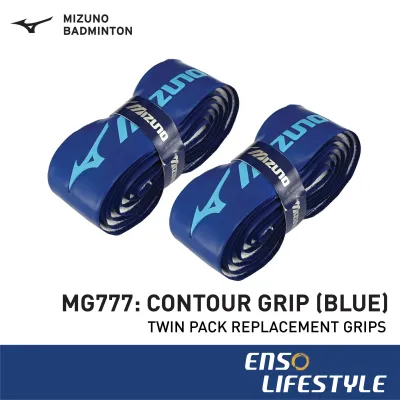
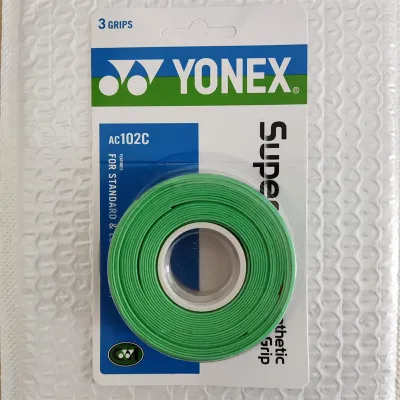
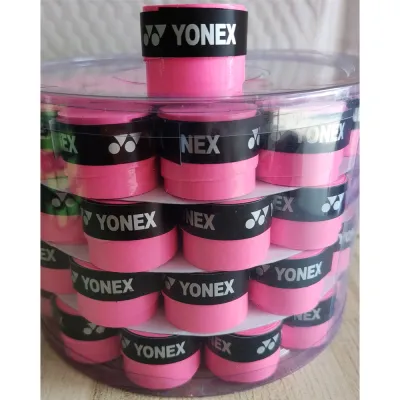
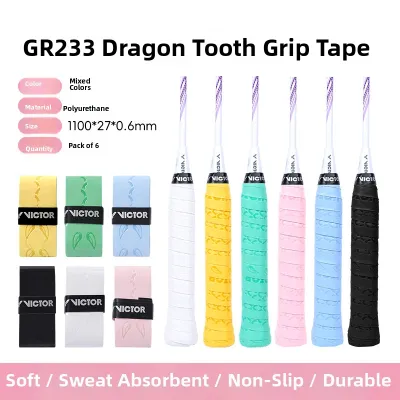
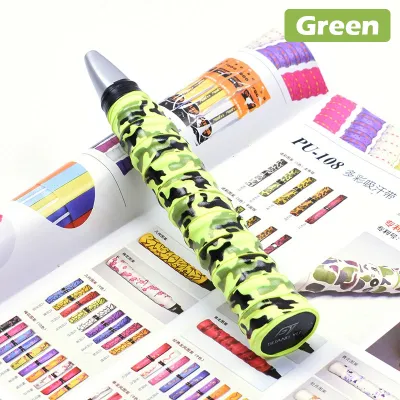
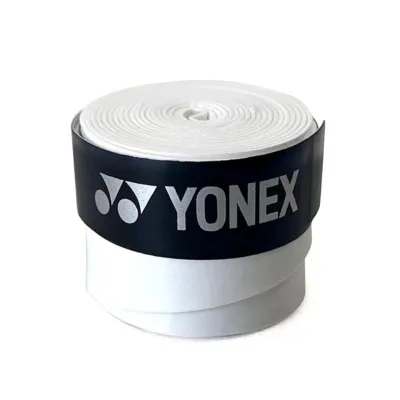
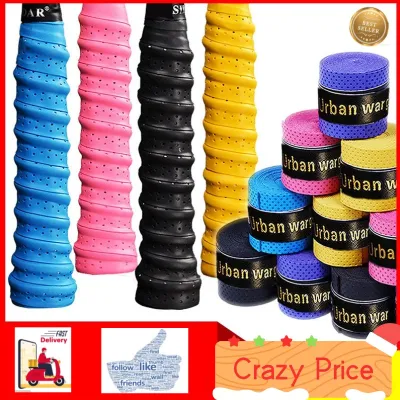
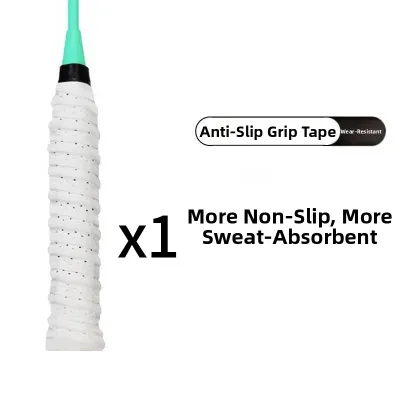
Prices are valid at publication and may change. Please refer to the product page for the latest price.
Polyurethane (PU) grips are made from synthetic polymers designed to simulate the grip of high-end leather while offering modern elasticity and tackiness. These grips feature a smooth, non-porous surface that can be manufactured in incredibly thin profiles, often referred to as overgrips. PU grips are highly customizable in terms of texture, with manufacturers offering smooth, perforated, or ribbed variations to suit different tactile preferences.
The physical differences between these materials directly affect the racket’s balance and swing weight. Because towel grips are heavier—especially when saturated with sweat—they add mass to the handle end of the racket. This shifts the balance point closer to your hand, making a head-heavy racket feel slightly more balanced or head-light. Conversely, thin PU overgrips add minimal weight, preserving the racket’s original factory balance and allowing for quick, snappy maneuvers.
Key Performance Factors to Evaluate
Evaluating how each material performs during intense rallies requires looking at three main areas: moisture management, shock absorption, and long-term wear patterns. These factors determine not only how comfortable the racket feels in your hand, but also how securely you can hold it during high-speed swings.

Sweat Absorption and Slip Resistance
Moisture management is the primary dividing line between towel and PU grips. Towel grips excel at absorbing high volumes of sweat. The cotton fibers draw moisture away from your palm, keeping the surface dry to the touch even during long, intense matches. However, towel grips have a definitive saturation limit. Once the cotton fibers are completely soaked, the grip becomes heavy, damp, and slippery, requiring a change of grip or the application of drying agents.
PU grips handle moisture differently. Instead of absorbing sweat, the synthetic polyurethane surface relies on its inherent tackiness to provide slip resistance. In dry or low-sweat conditions, this tackiness offers an exceptionally secure hold. However, because the material is non-porous, sweat tends to pool on the surface rather than sink in. If you sweat heavily, this surface moisture can create a slick barrier, causing the racket to twist in your hand during off-center hits.
Shock Absorption and Comfort
The dense, looped structure of a towel grip provides natural cushioning that dampens high-frequency vibrations traveling up the racket shaft. This soft, compressed feel is highly comfortable for players who suffer from joint fatigue or blisters. The fabric surface also reduces friction-induced skin irritation during rapid grip transitions.
PU grips offer a more direct, firm connection to the wooden handle. This firmness is highly valued by players who rely on precise tactile feedback to feel the racket’s bevels, which helps in orienting the racket face during delicate net shots. While cushioned PU replacement grips are available with foam backing, they generally transfer more vibration to the hand than a thick towel grip.
Durability and Wear Indicators
The wear patterns of these two materials are highly distinct. Towel grips do not typically peel; instead, they degrade through fiber compaction and hygiene issues. Over time, salt and oils from your sweat dry within the cotton fibers, causing the grip to become stiff, rough, and crusty. This hardening reduces both comfort and slip resistance.
PU grips degrade through surface wear and chemical breakdown. As the polyurethane layer is subjected to friction and sweat, it begins to lose its tackiness. You will observe the surface becoming shiny, smooth, or discolored. In advanced stages of wear, the outer polyurethane layer will begin to peel, flake, or tear, leaving black or colored synthetic residue on your hands.
Matching Grip Material to Your Playing Conditions
Your choice of grip material should align with your physical traits, the climate of your playing venue, and your specific technical habits on the court.
High-Sweat and Humid Environments
If you play in hot, humid indoor sports halls—such as non-air-conditioned venues common in tropical regions like Singapore—sweat management becomes your top priority. For heavy sweaters, a towel grip is often the most reliable option. To maximize its effectiveness, many players pair towel grips with grip powder (magnesium carbonate). This powder increases dry friction on the cotton fibers, extending the time the grip remains dry and secure.
Using wrist sweatbands is another highly effective way to protect your towel grip. Sweatbands block moisture from running down your forearm directly onto the handle, preventing premature saturation of the cotton fibers.
Dry Environments and Light Sweaters
For players who do not sweat heavily, or those playing in air-conditioned halls with controlled humidity, a PU grip is highly advantageous. The synthetic material provides a consistent, tacky feel right out of your gear bag without requiring any prep work or auxiliary powders. It allows you to maintain a light, relaxed hold on the racket, which is essential for generating quick wrist speed and executing deceptive shots.
Grip Techniques and Handling Habits
Your physical gripping style also dictates which material will perform better. Players who hold the racket with high tension throughout the rally place immense friction on the grip surface, accelerating the wear of PU materials. If you prefer to constantly adjust your grip between forehand and backhand variations, the clear bevel definition of a thin PU overgrip makes it easier to locate the flat and diagonal edges of the handle without looking.
Towel vs PU Grip: Comparison Matrix
The following matrix summarizes the core differences between towel and PU grips across key performance dimensions. Use these general characteristics to guide your initial selection.
| Dimension | Towel Grip | PU Grip |
|---|---|---|
| Material Composition | Cotton or cotton-blend terry cloth | Polyurethane synthetic polymer |
| Sweat Management | High absorption; draws moisture into fibers | Repels moisture; relies on surface tackiness |
| Tactile Feedback | Soft, cushioned, and thick; rounds out handle bevels | Firm, thin, and precise; preserves handle bevels |
| Expected Wear Patterns | Hardens, becomes crusty, and accumulates odors | Peels, flakes, loses tackiness, and becomes slick |
| Typical User Profile | Heavy sweaters; players seeking high vibration dampening | Light-to-moderate sweaters; players seeking precise control |
| Auxiliary Needs | Often requires grip powder and frequent replacement | Requires occasional wiping; no powders needed |
Note: The performance characteristics listed above represent general material behaviors. Individual product specifications, thickness levels, and manufacturer-specific surface treatments can alter these properties. Always check the product packaging and manufacturer labels for specific details.
How to Decide: A Practical Selection Framework
To make your final decision, evaluate your playing style and physical needs against the following practical framework.
Choose a Towel Grip if:
- You experience heavy palm sweat that causes synthetic grips to slip during play.
- You frequently play in high-humidity environments without climate control.
- You prefer a thicker, softer handle that cushions your hand and dampens racket vibrations.
- You do not mind replacing your grip frequently to maintain hygiene and softness.
Choose a PU Grip if:
- You sweat moderately or lightly and prefer a highly tacky, secure surface feel.
- You want to keep your racket handle as thin as possible to maintain precise finger control over the handle bevels.
- You prioritize a longer-lasting grip that does not require auxiliary drying powders.
- You prefer a low-maintenance setup that can be easily wiped clean after a match.
Verify First Before Purchasing:
- Skin Sensitivities: If you have sensitive skin or allergies to synthetic dyes and adhesives, check if the manufacturer offers hypoallergenic or latex-free PU options. Cotton towel grips are generally gentler on sensitive skin, provided they are kept clean.
- Handle Size Adjustments: Determine whether you need a replacement grip (applied directly to the bare wood) or an overgrip (applied over an existing grip). Applying a thick towel grip over an existing PU grip will drastically increase the handle size, which can strain your hand muscles.
Grip Maintenance and Replacement Signals
Proper maintenance extends the life of your grip, protects the underlying wooden handle of your racket, and ensures consistent performance on court.
Post-Play Drying and Hygiene
Because towel grips absorb sweat, they are highly susceptible to bacterial growth and unpleasant odors if left damp. After playing, never store your racket immediately inside a sealed bag. Allow the racket handle to air-dry in a well-ventilated space. For PU grips, wipe the surface down with a dry microfiber cloth after your session to remove accumulated oils and salt residue, which can degrade the polyurethane layer.
Identifying Replacement Signals
Do not wait for a grip to completely unravel before replacing it. Replace your grip immediately if you observe any of the following performance-limiting signals:
- For Towel Grips: The cotton fibers feel stiff, rough, or crusty even when dry, or the grip emits a persistent odor.
- For PU Grips: The surface feels slick or smooth, shows visible peeling or flaking, or has worn down to the underlying adhesive layer.
- For Both: You find yourself squeezing the racket harder than usual to prevent it from slipping, which can lead to forearm fatigue and tennis elbow.
Safe Removal and Handle Protection
When removing an old grip, peel it off slowly starting from the top of the handle down to the end cap. Be careful not to splinter the underlying wooden handle, especially if the original adhesive has bonded strongly to the wood. If adhesive residue remains on the wood, gently scrape it off or use a small amount of rubbing alcohol on a cloth to clean the surface.
To protect the wooden handle from moisture rot—especially when using highly absorbent towel grips—consider applying a thin layer of waterproof cushion wrap or plastic sealing tape over the bare wood before wrapping your new grip.
Frequently Asked Questions (FAQ)
Can I apply a towel grip over an existing PU grip?
While you can physically wrap a towel grip over an existing PU grip, it is generally not recommended. Doing so creates an exceptionally thick handle that rounds out the wooden bevels, making it difficult to feel the orientation of the racket face. This added bulk can also strain your hand and wrist muscles during quick defensive plays. For the best results, towel grips should be applied directly to the wooden handle, ideally over a thin layer of protective plastic wrap to prevent sweat from soaking into the wood.
How do I know when it is time to change my badminton grip?
There is no fixed timeline for changing a badminton grip, as replacement frequency depends on how often you play and how much you sweat. Instead, rely on observable physical cues. You should change your grip when you notice a significant loss of friction, visible surface wear (such as peeling on PU grips or matting on towel grips), or when the handle begins to retain a noticeable odor. If you find yourself gripping the racket tighter than usual to keep it secure, it is time for a replacement.
Community discussion
Share your experience or ask a question. Comments are reviewed before publication.