
Selecting the ideal training glove brand depends entirely on your specific training style, workout frequency, and hand anatomy. Because no single glove can excel at powerlifting, high-intensity functional fitness, and heavy bag training simultaneously, finding the right pair requires evaluating your primary activities against key structural criteria. A structured evaluation framework focuses on three core pillars: targeted protection, material durability under high friction, and overall cost-per-use value.
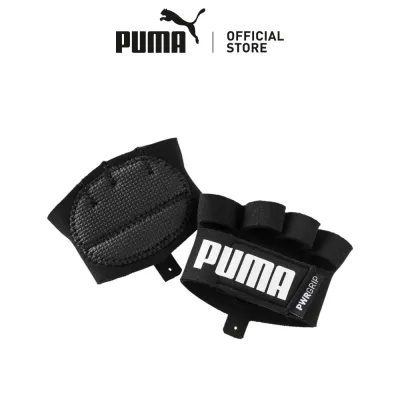
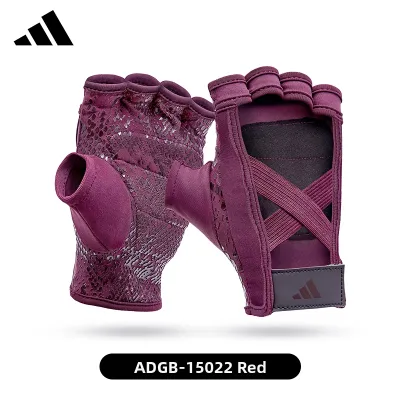
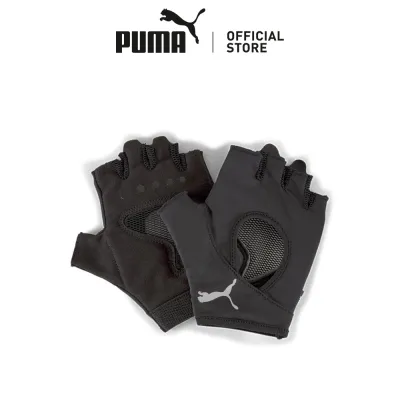
To narrow down your options, you must first distinguish between the three primary categories of training handwear available on the market. Weightlifting gloves typically feature padded palms, half-finger designs, and sometimes integrated wrist wraps to protect against friction and calluses during static pulling and pushing movements. CrossFit grips, or gymnastics grips, are minimalist palm covers made of leather or synthetic suede that hang from the wrist, designed specifically for high-rep movements on pull-up bars and rings. Combat or bag gloves are fully enclosed, heavily padded gloves designed to absorb high-impact forces on the knuckles and stabilize the wrist during punching.
Using the wrong category of glove for your workout not only compromises your hand protection but also rapidly destroys the gear itself. For example, using thin weightlifting gloves for high-rep pull-ups can cause the material to bunch up, leading to severe friction blisters and premature tearing of the seams. Conversely, attempting to lift barbells with bulky combat gloves is highly dangerous as it prevents a secure grip around the bar, while using minimalist gymnastics grips on a heavy boxing bag offers zero knuckle protection, risking joint misalignment and impact injuries.
Products mentioned in this guide
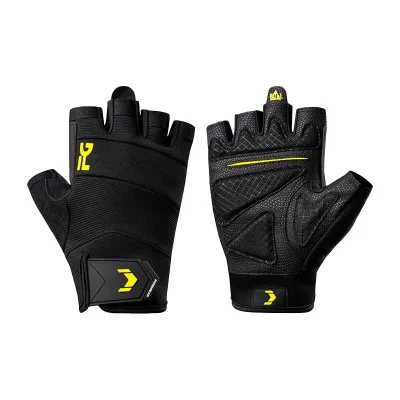
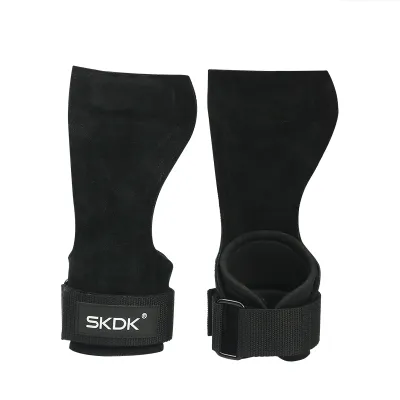
Prices are valid at publication and may change. Please refer to the product page for the latest price.
Core Dimensions for Comparing Protection and Durability
When comparing different brands, the distribution and thickness of the palm padding are critical factors for joint and skin safety. For heavy lifting, look for gloves with targeted padding along the palm valleys and the base of the fingers, which are the primary contact points for knurled barbells. The padding should be thick enough to cushion against high pressure but thin enough to allow you to maintain a natural grip; excessively thick padding can increase the effective diameter of the bar, making it harder to hold and increasing forearm fatigue.
Material composition directly dictates how well a glove resists friction and how long it will last under intense training conditions. Genuine leather, such as goat or cowhide, offers exceptional natural friction resistance and durability, making it highly suitable for heavy barbell work. However, leather requires careful maintenance to prevent it from stiffening after absorbing sweat. Synthetic blends, including microfiber, polyester, and polyurethane, are generally lighter, dry much faster in humid conditions, and are easier to wash, though they may wear down more quickly under high-abrasion tasks.
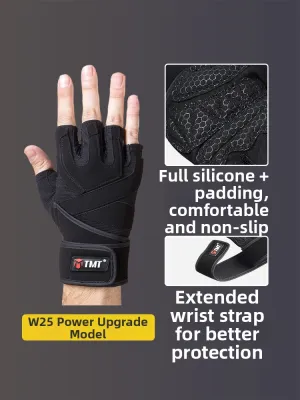
Wrist support mechanisms are another vital dimension to evaluate, especially if you frequently perform overhead presses or heavy pushes. Integrated wrist wraps provide mechanical stability by limiting excessive wrist extension under load, helping to keep the joint in a neutral alignment. When comparing brands, examine the width and stiffness of the wrist strap, as well as the quality of the closure system. A wide, adjustable hook-and-loop closure allows you to customize the level of tension and support throughout your workout.
Evaluating Value: Price Tiers and What You Actually Get
To make an informed purchase, it helps to understand what features are typical across different price tiers in the Singapore market. Budget options, generally priced under S$25, typically feature basic synthetic materials, single-layer palm padding, and simple elastic wristbands. While these are highly accessible, they are best suited for light, occasional use, as the seams and hook-and-loop fasteners may degrade quickly under heavy daily friction.

Mid-range gloves, falling between S$25 and S$60, represent the sweet spot for most regular gym-goers. In this tier, you can expect reinforced double-stitching at high-stress areas, high-grade synthetic leather or split-grain genuine leather, and more robust wrist support systems. These gloves are built to withstand multiple workouts a week and offer a balanced combination of comfort, durability, and protection without a premium price tag.
Premium gloves, priced above S$60, often feature top-grain genuine leather, specialized impact-absorbing gel padding, and highly breathable, moisture-wicking backhand fabrics. When deciding whether to invest in this tier, look for structural enhancements like reinforced thumb saddles and heavy-duty, industrial-grade stitching. Avoid paying extra for superficial marketing claims, such as proprietary “cooling technologies” or unverified “strength-enhancing” designs, which rarely translate to tangible performance benefits.
To determine the true value of a pair of gloves, apply the cost-per-use concept to your training routine. If you train four times a week, a S$60 pair of durable gloves that lasts a full year costs approximately S$0.29 per session, making it a far better investment than a S$15 budget pair that tears after a month of heavy use. Assess your training frequency honestly to decide whether a more durable, higher-priced option will save you money in the long run.
Inspection Checklist: Verifying Quality Before Purchase
Whether you are shopping at a local fitness retailer or browsing an online marketplace, performing a systematic quality check can save you from purchasing a subpar product. First, closely inspect the stitching density and reinforcement at high-stress seams, particularly the areas between the fingers and around the thumb saddle. Look for tight, uniform double-stitching or protective piping along the edges, as loose threads or single-stitched seams are the first points of failure under tension.
Next, assess the flexibility, breathability, and moisture-wicking properties of the backhand material. In Singapore’s warm and humid climate, sweat buildup inside a glove can quickly lead to bacterial growth, skin irritation, and severe odor retention. Opt for gloves that incorporate breathable mesh panels, perforated synthetic fabrics, or moisture-wicking linings on the back of the hand to facilitate airflow and speed up drying times after your workout.
Finally, when ordering from online marketplaces, pay close attention to the manufacturer’s sizing charts and fit guides rather than relying on generic size labels. Measure your palm circumference at the widest point below your knuckles using a flexible tape measure to ensure an accurate match. Additionally, verify the retailer’s return and exchange policies so you can easily swap the gloves if they restrict your natural hand movement or pinch your skin when you make a fist.
Decision Framework: Choosing the Right Glove Setup
To finalize your choice, align your verified training needs with the appropriate glove specifications. If your routine centers on heavy barbell lifts, powerlifting, or high-volume dumbbell training, choose heavy-duty leather gloves with integrated wrist wraps to maximize palm protection and joint stability. The natural grip of leather combined with structured wrist support provides the necessary reinforcement for handling heavy loads safely.
If your workouts consist of high-intensity functional fitness, CrossFit, or high-rep gymnastics movements on pull-up bars, opt for minimalist synthetic grips. These grips protect your palms from tearing while allowing your fingers to remain free, facilitating rapid transitions between bodyweight exercises and barbell work without forcing you to constantly remove your gear.
Always verify the manufacturer’s specifications regarding load limits, sizing, and intended use before making your purchase. If you are dealing with pre-existing wrist, joint, or hand injuries, consult a qualified healthcare professional or physical therapist before starting or modifying a heavy training regimen. Remember that protective equipment is a supportive tool designed to minimize friction and offer mild stability; it cannot replace proper lifting technique, progressive overload, or professional medical guidance.
Frequently Asked Questions (FAQ)
How often should I replace my training gloves?
You should replace your training gloves as soon as they show signs of structural compromise that diminish their protective value. Perform regular visual checks for thinning or compressed palm padding, frayed stitching along the seams, or degraded grip surfaces that cause your hands to slip during lifts. Additionally, if the gloves retain a persistent, strong odor despite proper washing, or if the synthetic materials begin to stiffen and crack, the fibers have degraded, and the gloves should be replaced to maintain hygiene and hand safety.
Can I use the same gloves for weightlifting and boxing?
No, you should not use the same gloves for weightlifting and boxing due to the vastly different structural designs and safety requirements of the two activities. Weightlifting gloves are designed with open fingers and thin palm padding to facilitate a secure grip on metal bars while protecting against friction. Boxing gloves are fully enclosed, heavily padded over the knuckles to absorb high-impact forces, and designed to immobilize the wrist to prevent sprains during impact. Using lifting gloves on a heavy bag offers zero knuckle protection and can lead to severe joint injuries, while attempting to lift weights with boxing gloves is physically impossible and highly dangerous.
Community discussion
Share your experience or ask a question. Comments are reviewed before publication.