
When choosing a reusable water bottle for the gym, trail, or daily commute, material safety and durability are top priorities. Tritan is a specialized, BPA-free copolyester plastic designed to offer the crystal clarity of glass and the lightweight toughness of plastic without the associated chemical risks. It has become a premier choice for sports hydration gear because it does not shatter, resists persistent odors, and withstands the daily wear of active use.
Understanding what goes into your hydration gear helps you make informed decisions about your health and equipment. By learning how to verify authentic materials and maintain them properly, you can ensure your sports bottle remains safe and functional for the long term.
What Is Tritan and Why Is It Used in Sports Bottles?
Tritan belongs to the copolyester family of plastics, engineered specifically to bridge the gap between fragile glass and heavy metals. It offers a lightweight alternative that does not compromise on visual clarity, allowing you to monitor your water intake throughout the day. Unlike standard utility plastics, it is designed to resist degradation from exposure to UV light and repeated washing.
Products mentioned in this guide
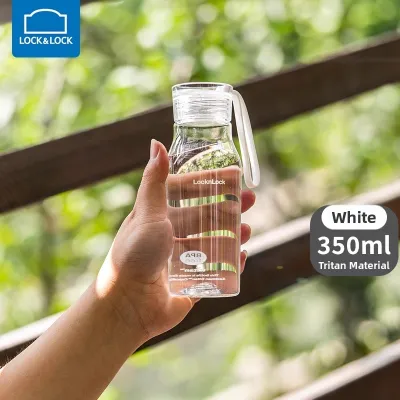
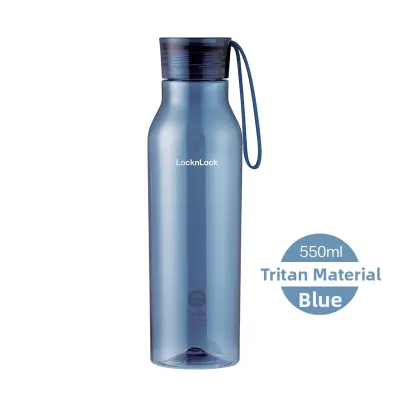
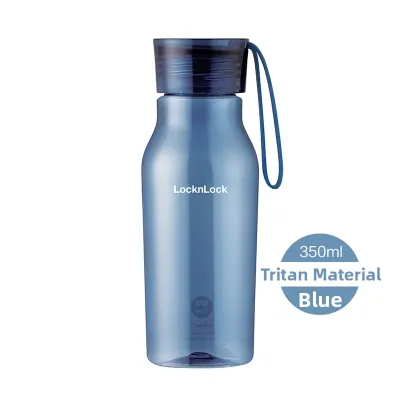
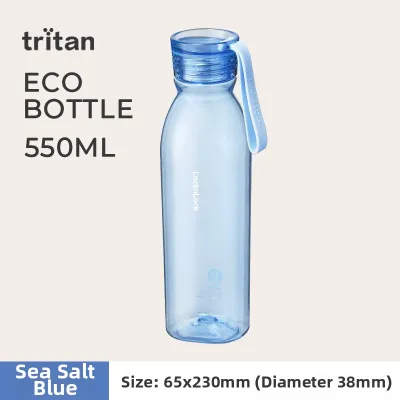
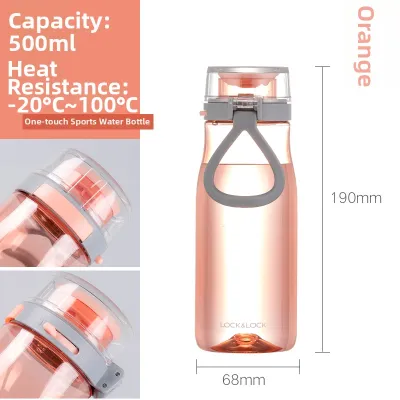
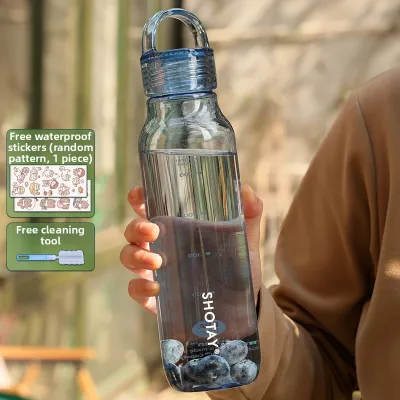
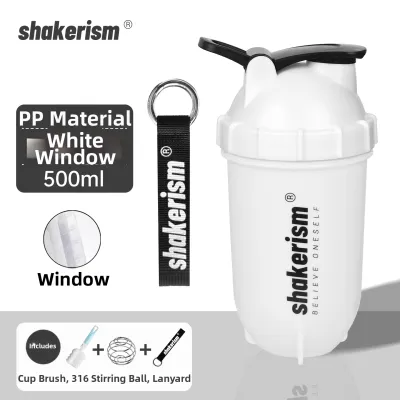
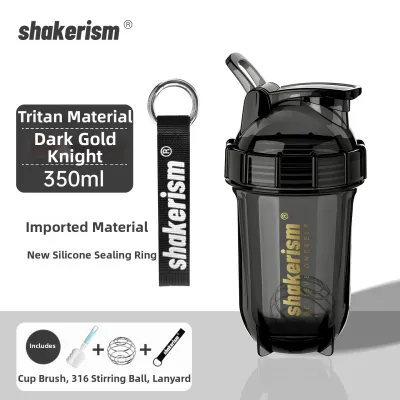
Prices are valid at publication and may change. Please refer to the product page for the latest price.
In sports and outdoor applications, weight and visibility are crucial factors. Tritan bottles allow you to carry large volumes of water without adding unnecessary bulk to your gym bag or backpack. Furthermore, the material is highly resistant to absorbing odors, which is a common issue when mixing sports supplements, electrolytes, or flavored hydration tablets.
When compared to glass, Tritan is virtually shatterproof, making it much safer for fast-paced environments like fitness centers, running tracks, or rocky outdoor trails. Compared to stainless steel, it is significantly lighter and allows you to see the contents inside, though it does not provide the thermal insulation properties of double-walled metal flasks.
Is Tritan Safe for Daily Hydration and Gym Drinks?
Safety is a primary concern when selecting any container for food or drink consumption. While Tritan is widely recognized for its chemical stability, you should always verify the manufacturer’s specific labeling on the packaging rather than assuming all clear plastics are identical.

When shopping, look for explicit “BPA-free” and “BPS-free” (bisphenol S) markings on the product. BPS is sometimes used as an alternative to BPA in lower-grade plastics, so verifying the absence of both compounds is key to ensuring a safer drinking vessel. Authentic manufacturers will prominently display these credentials on their packaging or product inserts.
To confirm food-contact safety, check the product base or the manufacturer’s official documentation for certifications from recognized food safety authorities. These independent certifications indicate that the material has undergone rigorous testing for chemical leaching under simulated normal usage conditions, ensuring no harmful compounds migrate into your water.
When using your bottle for acidic sports drinks, citrus-infused water, or warm liquids, always consult the manufacturer’s guidelines. While high-quality copolyesters generally resist chemical degradation from mild food acids, extreme temperatures combined with highly acidic liquids can accelerate wear on lower-grade plastics. Keeping your beverages within recommended temperature ranges preserves the integrity of the container.
Durability and Impact Resistance for Active Lifestyles
Active lifestyles demand gear that can survive accidental drops on concrete, gym floors, or outdoor trails. Tritan is highly valued for its extreme impact resistance, meaning it is highly unlikely to break into dangerous shards upon impact, protecting both you and those around you from sharp debris.
However, high impacts can still cause internal stress within the plastic. After a hard drop, inspect your bottle closely for tiny, spiderweb-like stress cracks, especially around the base and the neck threading. These micro-fractures can compromise the structural integrity over time, eventually leading to slow leaks under pressure.
Surface scratches are another consideration for active users. While Tritan is more scratch-resistant than standard polyethylene, rough contact with keys, gym equipment, or outdoor grit will eventually leave marks. These superficial scratches do not affect the safety of the bottle, but deep gouges can harbor bacteria if they are not cleaned thoroughly.
Knowing when to retire a bottle is essential for maintaining hygiene and safety. You should replace your bottle if you notice deep structural cracks, persistent leaks from the body, or if the plastic becomes heavily clouded and difficult to clean. Physical damage that compromises the seal or makes the inner surface rough is a clear sign that the bottle has reached the end of its functional life.
Temperature Limits, Washing, and Maintenance Rules
Maintaining your bottle correctly ensures its longevity and keeps the material clear. While many Tritan bottles are labeled as dishwasher-safe, you must verify this instruction for your specific model, as lid components and silicone seals may have different care requirements.
If dishwasher use is permitted by the manufacturer, always place the bottle on the top rack. This keeps it away from the heating element at the bottom of the machine, which can cause localized overheating. Additionally, turn off high-heat drying cycles or sanitizing modes, as extreme heat can warp the plastic or degrade the flexible seals over time.
Before pouring hot tea or warm recovery drinks into your bottle, check the manufacturer’s maximum temperature limit. Many copolyesters can handle warm liquids, but pouring boiling water directly into a bottle not rated for high temperatures can cause warping, structural failure, or damage to the lid’s pressure-release valves.
For daily cleaning, avoid harsh chemical agents, bleach, or highly abrasive scrubbing tools. Steel wool or stiff-bristled brushes can create micro-scratches that dull the finish and trap residues. Instead, use a soft bottle brush, mild dish soap, and warm water to maintain the pristine clarity and hygiene of the material.
Buyer’s Checklist: Verifying Authentic Tritan Before Purchase
With many lookalike plastics on the market, verifying that you are purchasing authentic Tritan is essential for getting the safety and durability you expect. Use this checklist before making your purchase:
- Check the Resin Identification Code: Look at the bottom of the bottle. Tritan is classified under Resin Code 7 (Other). Because Code 7 is a catch-all category for various plastics, look for the word "Tritan" or the official trademark embossed directly into the plastic alongside the code.
- Cross-Reference Specifications: When shopping on online marketplaces or at local retailers, cross-reference the product description with the manufacturer's official website. Authentic brands will clearly state the use of genuine Eastman Tritan material in their technical specifications.
- Inspect the Build Quality: Examine the physical construction of the bottle. High-quality manufacturing is evident in smooth mold seams, clean lid threading that screws on without catching, and thick, well-fitted silicone seals. Poorly finished seams or loose threads often indicate a lower-grade imitation.
- Evaluate the Price Point: While prices vary, extremely cheap bottles claiming to be Tritan may be made of cheaper, less durable plastics. In Singapore, a genuine, high-quality Tritan sports bottle typically ranges from S$15 to S$40 depending on the brand, capacity, and lid mechanism.
Frequently Asked Questions (FAQ)
Does Tritan retain flavors or odors from protein shakes?
Tritan is a non-porous material, making it highly resistant to retaining flavors and odors compared to cheaper plastics. However, if protein shakes or pre-workout drinks are left in the bottle for extended periods, a residue can build up. To remove stubborn odors, rinse the bottle with a mixture of warm water and a tablespoon of baking soda, let it sit for a few hours, and then scrub gently with a soft bottle brush.
Is it safe to freeze a Tritan water bottle?
Freezing a Tritan bottle is generally not recommended. While the material itself can withstand cold temperatures, water expands when it freezes. This expansion exerts immense pressure on the walls of the bottle, which can lead to stress cracks, warping, or structural failure. To enjoy cold drinks, it is safer to add ice cubes directly to the bottle or chill your beverage in the refrigerator instead.
How do I know if my Tritan bottle needs replacing?
You should replace your Tritan bottle if you observe deep structural cracks, persistent leaks, or severe cloudiness that does not clear up after thorough washing. Additionally, if the silicone seals in the lid become moldy, stretched, or cracked, and replacement seals are unavailable, the bottle should be retired to prevent leaks and bacterial growth.
Community discussion
Share your experience or ask a question. Comments are reviewed before publication.