
Tritan plastic is a specialized copolyester material designed to offer the clarity of glass and the lightweight durability of plastic without bisphenol compounds like BPA. For sports enthusiasts, choosing the right water bottle material directly impacts carrying comfort, durability during high-impact activities, and long-term maintenance. A Tritan water bottle serves as a highly functional option for active individuals, but its suitability depends heavily on your specific sport, temperature requirements, and how you plan to transport your hydration.
What Is Tritan Plastic and How to Verify It
Tritan is a proprietary copolyester developed to provide high impact resistance, exceptional clarity, and chemical resistance. Unlike traditional plastics, it does not become brittle easily and is formulated without bisphenol A (BPA), bisphenol S (BPS), or other bisphenol compounds. This makes it a popular choice for reusable drinkware, particularly for those who want a lightweight bottle that does not compromise on clarity or structural integrity.
To verify if a sports bottle is made of genuine Tritan, start by inspecting the bottom of the bottle. Many manufacturers stamp the “Tritan” brand name directly into the plastic mold alongside the recycling triangle. While some regions classify Tritan under the “Category 7” (Other) recycling code, this code is broad and includes many other plastics. Therefore, the recycling code alone is not sufficient proof of authenticity. You must look for explicit material labeling on the packaging or the manufacturer’s official product sheet.
Products mentioned in this guide
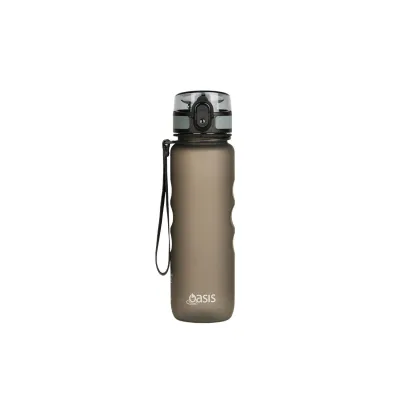
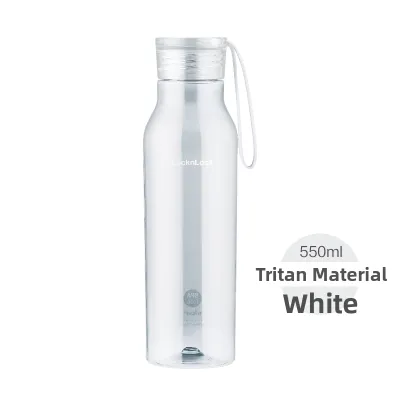
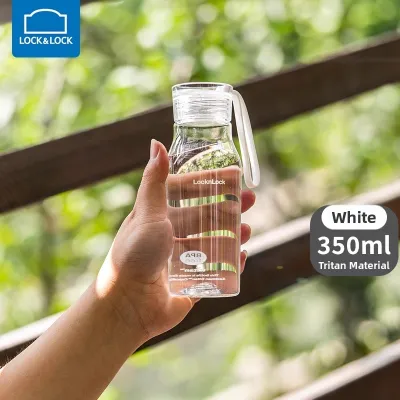
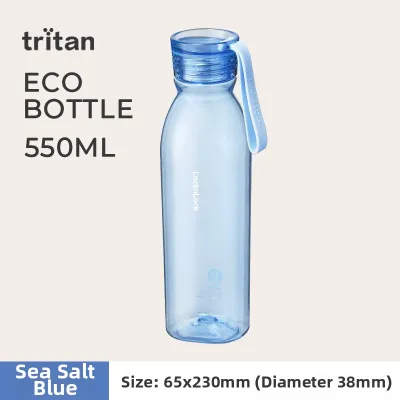
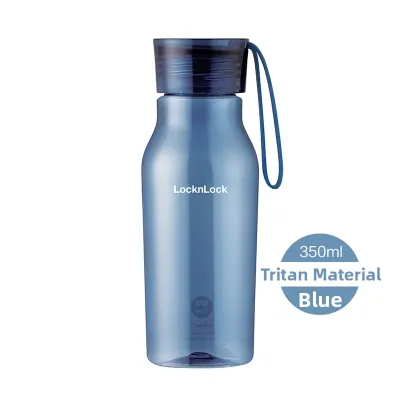
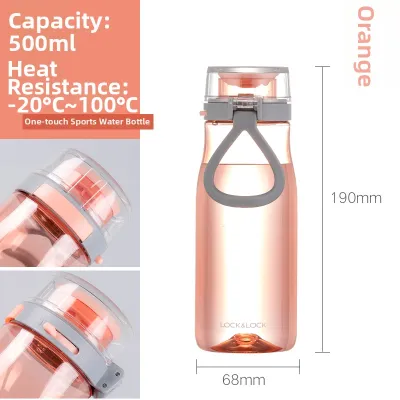
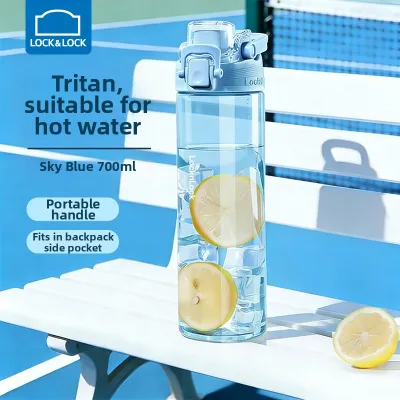
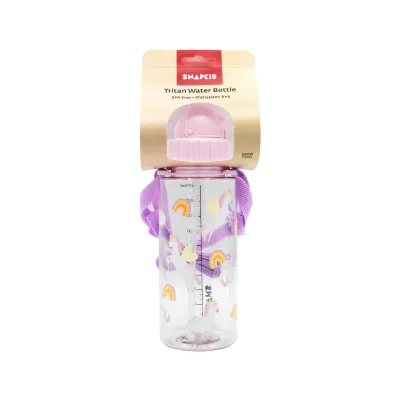
Prices are valid at publication and may change. Please refer to the product page for the latest price.
Distinguishing marketing terms from actual material certifications is crucial when shopping. Terms like “shatterproof,” “eco-friendly,” or “toxin-free” are broad marketing descriptors rather than standardized material certifications. To verify safety and material authenticity, look for specific regulatory compliance markings printed on the packaging, such as compliance with food-contact safety standards established by international regulatory bodies like the US Food and Drug Administration (FDA). Genuine products will clearly state the use of authentic Tritan copolyester in their official technical specifications.
Evaluating Tritan for Sports and Outdoor Use
In high-movement activities such as running, cycling, or hiking, every gram of gear matters. Tritan bottles are exceptionally lightweight compared to metal or glass alternatives. This low tare weight makes them easy to carry in backpack side pockets, bicycle bottle cages, or handheld running pouches without adding unnecessary bulk. If your sport requires rapid movement or long-distance carrying, a lightweight bottle helps minimize fatigue.

Sports environments expose gear to frequent drops on concrete, gravel, or gym floors. While Tritan is highly impact-resistant, its structural limits depend on the wall thickness and the specific design of the bottle. Before purchasing, check the manufacturer’s specifications for drop-test ratings or structural reinforcement details. Look for bottles with integrated silicone sleeves or reinforced bases if you anticipate rough outdoor use, as repeated high-impact drops on hard surfaces can eventually lead to stress fractures.
Singapore’s warm, humid climate means outdoor athletes often crave ice-cold water, while others might want to carry warm herbal infusions. Tritan has specific temperature limits defined by the manufacturer. While it generally handles cold liquids and moderate heat well, filling a bottle beyond its rated temperature limit can cause warping, structural weakening, or seal failure. Always review the manufacturer’s temperature guidelines printed on the packaging or user manual before filling your bottle with hot liquids.
Tritan vs. Other Common Bottle Materials
When choosing a sports bottle, comparing Tritan with other common materials helps identify the best fit for your specific activities and preferences.
Tritan vs. Insulated Stainless Steel
- Weight: Tritan is significantly lighter than double-walled insulated stainless steel, making it the preferred choice when minimizing carry weight is the primary goal.
- Insulation: Stainless steel bottles with vacuum insulation excel at keeping beverages cold for hours under the tropical sun, whereas single-walled Tritan bottles offer no insulation, meaning ice will melt quickly and condensation will form on the exterior.
- Durability: Stainless steel may dent upon impact but rarely cracks, whereas Tritan will not dent but can crack under extreme, localized force.
Tritan vs. Glass
- Breakability: Glass offers excellent purity and zero risk of flavor transfer, but it is highly fragile and prone to shattering on impact, making it hazardous for gym floors, running tracks, or outdoor trails. Tritan provides glass-like clarity and transparency without the risk of shattering, offering a much safer alternative for active environments.
- Weight and Convenience: Glass is heavy and difficult to transport during active sports, whereas Tritan's lightweight nature and compatibility with various lid styles (such as straw lids or fast-flow caps) make it far more convenient for quick hydration on the move.
Tritan vs. Standard Plastics
- Odor and Stain Resistance: Standard single-use or cheap reusable plastics often absorb flavors from sports drinks or develop stubborn stains over time. Tritan possesses superior chemical resistance, meaning it is far less likely to retain residual odors or discolor from colorful sports supplements, provided it is cleaned promptly.
- Clarity and Longevity: Standard plastics tend to become cloudy, scratched, or yellowed after repeated washes. Tritan maintains its high-gloss, glass-like clarity over a much longer lifespan, resisting the typical hazing associated with regular use and dishwashing.
Cleaning, Maintenance, and Safety Boundaries
Proper care is essential to extend the lifespan of your Tritan bottle and ensure it remains safe for daily use.
Many Tritan bottles are labeled as dishwasher-safe, but this is highly dependent on the dishwasher’s heating cycle. High-temperature sanitizing cycles or proximity to the dishwasher’s heating element can exceed the material’s thermal limits, leading to warping or degradation of the silicone seals. Always place Tritan bottles on the top rack and verify that your dishwasher’s temperature settings align with the manufacturer’s recommended limits.
To maintain the pristine clarity of your bottle, avoid using steel wool, stiff-bristled wire brushes, or highly abrasive scouring pads. These tools can create micro-scratches on the inner and outer walls. Micro-scratches not only dull the appearance of the bottle but also create tiny crevices where bacteria, mold, and beverage residues can accumulate, making thorough cleaning much more difficult. Instead, use a soft sponge or a dedicated silicone bottle brush with mild dish soap.
No reusable bottle lasts forever. Regularly inspect your Tritan bottle for observable signs of wear. If you notice deep scratches, persistent cloudiness that does not clear after washing, structural warping, or micro-cracks around the neck or base, it is time to replace the bottle. These physical changes indicate that the polymer structure has been compromised, which can lead to leaks or sudden failure during your next workout.
Frequently Asked Questions (FAQ)
Can I put boiling water in a Tritan sports bottle?
You should not assume that all Tritan bottles can safely hold boiling water. While the raw Tritan material has a relatively high heat resistance, the overall bottle assembly—including the lid, silicone gaskets, and straw mechanisms—often has lower temperature thresholds. Pouring boiling water into a bottle not rated for extreme heat can cause the seals to warp, leading to leaks, or build up internal steam pressure that could cause hot liquid to spray out when opened. Always check the manufacturer’s explicit temperature limits before exposing the bottle to boiling liquids.
Does Tritan plastic retain flavors or odors from sports drinks?
Tritan is highly resistant to odor and stain retention compared to standard plastics, but it is not completely impervious if sugary sports drinks, protein shakes, or electrolyte powders are left inside for extended periods. To prevent flavor transfer, rinse your bottle with warm water immediately after finishing your workout. For stubborn odors, follow the manufacturer’s care instructions, which often recommend washing with a mild baking soda solution or a gentle dish soap, avoiding harsh chemical bleach or abrasive scrubbers that could scratch the interior surface.
Community discussion
Share your experience or ask a question. Comments are reviewed before publication.