
Selecting a high-quality swimming board for kids is one of the most effective ways to support a child’s aquatic journey, whether they are taking their first splashes in a condominium pool or training for a school swim meet. Trusted swim gear brands like Speedo, Zoggs, Arena, and TYR design specialized children’s kickboards that offer the precise buoyancy, size, and material safety required for young learners. Unlike generic, unbranded pool toys, these established brands construct gear specifically tailored to a child’s developing anatomy and motor skills.
Before choosing a board, it is vital to establish a fundamental safety boundary: a kickboard is a training aid designed to isolate kick technique, not a personal flotation device (PFD) or a life-saving tool. It does not prevent drowning and must never replace active, hands-on adult supervision or professional swim instruction. Understanding this distinction ensures that you use the equipment safely, checking your child’s physical ability limits and establishing clear stop-conditions—such as fatigue, cold, or poor water conditions—before any pool session.
Why Brand Reputation Matters for Kids' Swim Gear
When shopping for a swimming board for kids, the market is flooded with inexpensive, unbranded options. While these generic boards might look virtually identical to those made by established manufacturers, they often lack the rigorous engineering and material standards that protect your child’s health and safety. Reputable swim gear brands invest heavily in research and development to ensure their products withstand the harsh chemical environments of modern swimming pools while remaining completely safe for direct skin contact.
Products mentioned in this guide
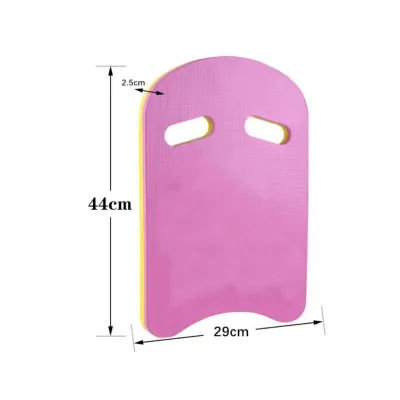
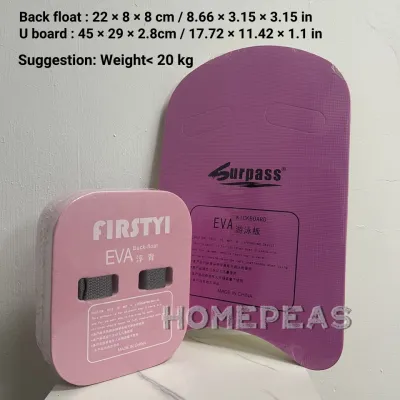
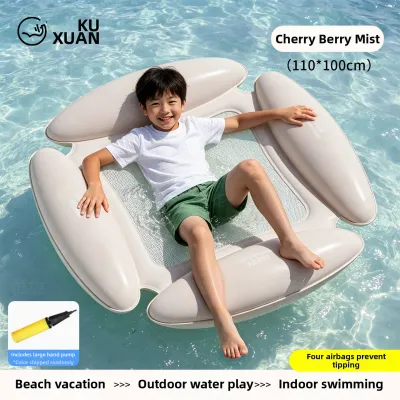
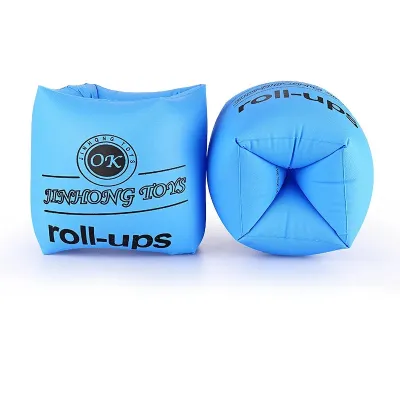
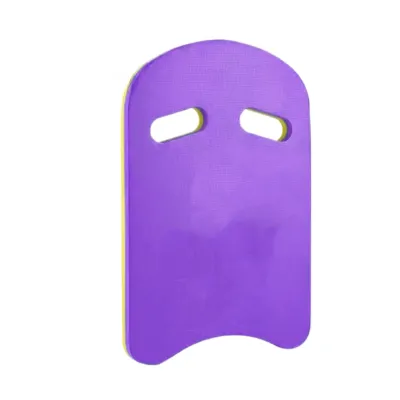
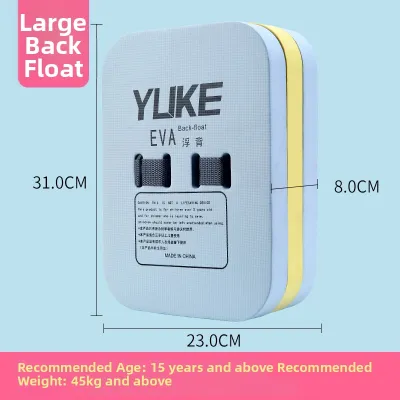
Prices are valid at publication and may change. Please refer to the product page for the latest price.
One of the most critical reasons to choose a trusted brand is material safety. High-quality children’s kickboards are constructed from premium Ethylene-Vinyl Acetate (EVA) foam. This specific material is chosen because it is non-toxic, hypoallergenic, and highly resistant to water absorption. Unbranded boards often use low-density, industrial-grade foams that can degrade rapidly when exposed to chlorine or UV rays, releasing chemical residues or breaking down into small, ingestible pieces. Furthermore, premium EVA foam resists the micro-tears that can trap moisture, preventing the growth of harmful bacteria, mold, and mildew within the board’s structure.
Consistent buoyancy is another hallmark of brand-name swim gear. Trusted brands subject their designs to strict quality control and buoyancy testing. This ensures that the board provides a predictable, stable level of support in the water. A board with inconsistent or inadequate buoyancy can suddenly sink under a child’s weight, causing them to swallow water or lose confidence. Conversely, a board that is overly buoyant can force a small child’s upper body too high out of the water, straining their lower back and neck.
Ergonomics and physical development are also top priorities for established brands. Children are not just smaller adults; their joint structures, muscle strength, and arm spans require specialized proportions. Reputable manufacturers design junior-sized boards that match these physical realities, preventing shoulder overextension and joint strain. To ensure you are receiving a genuine, high-quality product, always purchase your child’s swim gear from official brand stores, authorized sporting goods retailers, or recognized local swim schools rather than unverified third-party sellers on online marketplaces.
Key Features to Evaluate Before Buying
Selecting the right swimming board for kids requires looking beyond bright colors and fun patterns. To find a board that truly supports your child’s learning and physical development, you must evaluate several key physical and design attributes against your child’s unique physical measurements and swimming environment.

Size and Proportions
The physical dimensions of the kickboard must align with your child’s body size. A board that is too wide will force the child’s arms outward, placing unnecessary stress on the shoulder joints and causing early fatigue. To find the correct fit, measure your child’s shoulder width and arm span. When holding the top edge of the board, their arms should extend comfortably forward, parallel to each other, without forcing the shoulders to flare outward or hunch upward.
Shape and Ergonomics
Kickboards come in several distinct shapes, each serving a different stage of learning. Classic rectangular boards offer maximum surface area and stability, making them excellent for basic water familiarization. Tombstone designs feature a rounded top and flat bottom, which reduces hydrodynamic drag while maintaining a stable platform. For younger children or those with smaller hands, contoured shapes with built-in hand grips or side cut-outs are highly beneficial, as they allow a secure hold without requiring excessive grip strength.
Material and Density
The density of the EVA foam determines both the board’s durability and its performance in the water. High-density foam feels firm to the touch and does not flex easily under moderate pressure. This rigidity is crucial because a flexing board absorbs energy from the kick, making the exercise inefficient and frustrating for the child. Check the manufacturer’s product specifications for references to high-density, closed-cell construction, which guarantees that the board will maintain its shape and buoyancy over years of regular use.
Edge Finishing
Young skin is highly sensitive, and the repetitive friction of swimming can quickly lead to painful chafing. Examine the edges of any potential kickboard carefully. Trusted brands utilize heat-sealed or smoothly rounded edges that glide comfortably against the inner arms and chin. Avoid boards with sharp, raw-cut seams or rough plastic molding lines, as these will quickly irritate your child’s skin during extended practice sessions.
Top Trusted Swim Brands and Their Kids' Board Profiles
To help narrow down your search, it is useful to look at the market’s leading swim brands. Each of these companies approaches children’s swim gear with a specific design philosophy, ranging from play-based water confidence to high-performance athletic training. By understanding these profiles, you can select a brand that matches your child’s current swimming goals.
The table below provides a comparative overview of how these trusted brands design their children’s swimming boards, highlighting their primary focus areas, shapes, and target users.
| Brand | Primary Design Focus | Typical Board Shape | Ideal User Profile |
|---|---|---|---|
| Speedo | Water confidence and versatile skill building | Traditional tombstone and ergonomic junior shapes | Beginners to intermediate recreational swimmers |
| Zoggs | Learn-to-swim ergonomics and grip comfort | Contoured shapes with integrated hand cut-outs | Toddlers and young children starting formal lessons |
| Arena | Hydrodynamic efficiency and training technique | Streamlined, compact, and tapered designs | Older children, swim club members, and squad training |
| TYR | Muscle targeting and athletic performance | Classic rectangular and compact training profiles | Intermediate to advanced junior competitive swimmers |
Speedo
Speedo is perhaps the most globally recognized name in swimming, and their junior-sized kickboards reflect decades of experience in aquatic education. Their kids’ boards are widely celebrated for utilizing premium, high-density EVA foam that offers exceptional durability and consistent buoyancy.
Speedo’s design philosophy for children focuses heavily on building water confidence through traditional, highly stable shapes. Their junior kickboards often feature classic tombstone profiles that are easy to hold in multiple positions, allowing kids to transition from a full-body rest on the board to a more active, forward-reaching grip.
These boards are widely available in vibrant, high-visibility colors. This aesthetic choice is not just for fun; bright neon shades make it much easier for parents and lifeguards to keep a watchful eye on children in busy public pools or open water environments.
Zoggs
Zoggs has established a strong reputation specifically within the learn-to-swim sector, prioritizing comfort, safety, and progressive skill development for very young swimmers. Their children’s kickboards are engineered to reduce the physical anxiety that often accompanies a child’s first independent steps in the water.
The defining feature of Zoggs’ kids’ boards is their highly contoured, ergonomic design. Many of their models feature cut-out hand grips or molded ridges along the sides, which are specifically sized for smaller hands. This design reduces grip fatigue, allowing young children to focus on their kicking technique without worrying about losing their hold on the board.
Zoggs aligns its equipment closely with structured swim school curriculums. Their boards are designed to help children maintain a natural, relaxed swimming posture, preventing the common mistake of arching the back too aggressively, which can lead to discomfort and poor habits.
Arena and TYR
Arena and TYR are the premier choices for competitive and performance-oriented swim gear. While they offer products for all levels, their junior kickboards are distinctly designed for older children, junior squad members, and those transitioning into competitive training programs.
Both brands focus on hydrodynamic efficiency and streamlined profiles. Their junior boards are typically smaller, thinner, and more rigid than standard learn-to-swim boards. This compact design reduces drag and forces the swimmer to engage their core muscles, promoting a highly horizontal, efficient body alignment in the water.
For kids who are joining swim clubs or refining their strokes, an Arena or TYR board provides the precise level of resistance needed to build leg strength and cardiovascular endurance. These boards are built to withstand daily, high-intensity training sessions in heavily chlorinated squad pools.
Matching the Board to Your Child's Skill Level
A common mistake parents make is buying a single kickboard and expecting it to serve their child from toddlerhood through to competitive swimming. As a child’s strength, coordination, and water confidence evolve, their equipment needs change significantly. Matching the board to your child’s specific skill level is essential for both safety and skill progression.
Beginners
For children who are just starting their swimming journey, the primary goal is building confidence and maintaining a stable, safe position in the water. Beginners require larger boards with high buoyancy to support their upper body weight comfortably. Look for contoured designs with integrated hand grips, such as those offered by Zoggs. These features allow the child to hold the board close to their chest if necessary, providing a reassuring sense of security as they learn to kick and balance.
Intermediate and Squad Swimmers
As children become more competent swimmers, they no longer need the board to hold their entire upper body out of the water. Intermediate and squad swimmers benefit from smaller, more traditional boards that provide moderate buoyancy. These streamlined profiles, common in Arena and TYR junior lines, encourage a flatter, more horizontal body position. The reduced surface area forces the swimmer to rely more on their natural buoyancy and core strength, turning the kickboard session into an effective strength-building workout rather than a passive float.
Transitioning
Recognizing when your child is ready to transition to a different style or size of board is key to preventing technique plateaus. Watch for clear, observable signals. If your child complains that their junior board feels too bulky, or if you notice their shoulders overextending because the board is too wide, it is time for an upgrade. In a structured training environment, a swim coach will often recommend moving to a smaller, stiffer training board once the child has mastered basic body alignment and is ready to focus on high-tempo kick drills.
Safety Checks, Care, and Maintenance
Even the highest-quality swimming board for kids requires regular inspection and proper care to remain safe, hygienic, and functional. Because these boards are used in warm, damp environments, neglecting maintenance can lead to material degradation or the accumulation of harmful microbes.
Pre-use Inspection
Before every pool session, take a few moments to visually inspect the kickboard. Look closely for any deep cracks, peeling lamination, or permanent structural warping. If the board has lost its rigidity or shows signs of deep gouges, its buoyancy may be compromised, meaning it will no longer support your child’s weight predictably. Additionally, inspect the surface for any black or dark green spots, which indicate mold or bacterial growth that can thrive in damp foam pores.
Cleaning Routine
Chlorine, salt water, and sunscreen residues are highly corrosive to EVA foam over time. After every use—whether in a chlorinated public pool, a condominium pool, or the ocean—rinse the board thoroughly with fresh, clean tap water. This simple step removes chemical deposits and organic matter that can break down the foam’s cellular structure and cause it to become brittle or sticky.
Drying and Storage
Proper drying is crucial to extending the lifespan of your child’s swim gear. After rinsing, allow the board to air-dry completely in a shaded, well-ventilated area. Never leave the board in direct, intense sunlight, such as on a balcony or pool deck, as the extreme UV exposure can cause the EVA foam to warp, shrink, or lose its buoyancy. Once dry, store the board flat or hang it up using a dedicated strap; leaning it at an awkward angle under heavy items can permanently deform its shape.
Frequently Asked Questions (FAQ)
At what age should a child start using a swimming board?
A child’s readiness to use a swimming board depends more on their water confidence, physical coordination, and ability to follow basic instructions than on a strict chronological age. However, most children can begin using junior-sized boards around 3 to 4 years old, typically under the close guidance of a swim instructor during formal lessons.
Can a child safely use an adult-sized swimming board?
Using an adult-sized board is generally not recommended for children. Adult boards are too wide and highly buoyant for a child’s smaller frame, which can force their chest too high out of the water, strain their neck and shoulder joints, and lead to poor, inefficient kicking habits.
Are inflatable swimming boards as effective as solid foam boards from trusted brands?
While inflatable boards are convenient for travel and casual beach play, they are not as effective for skill development. Solid EVA foam boards from trusted brands provide consistent, reliable buoyancy and structural rigidity, which are essential for maintaining proper body alignment and executing correct kicking techniques during practice.
Community discussion
Share your experience or ask a question. Comments are reviewed before publication.