
Selecting the right sports support, braces, and tapes in Singapore requires balancing structural joint protection with the demands of a hot, tropical climate. With local relative humidity frequently exceeding 80%, sweat and heat can quickly compromise adhesive strength and cause severe skin chafing. Athletes must evaluate products based on material breathability, dynamic stability, and skin compatibility to maintain peak performance.
Navigating the wide array of sports medicine brands can be challenging, especially when trying to match a product to your specific activity level and injury history. Trusted brands like Bauerfeind, Zamst, McDavid, RockTape, and KT Tape each offer unique engineering advantages designed for different athletic needs. Understanding these differences allows you to choose the most effective support system while avoiding common pitfalls like skin irritation or muscle weakness.
How to Evaluate Sports Supports for Singapore's Humid Climate
The primary challenge of wearing sports supports in Singapore is managing the intense heat and humidity. When you exercise, sweat accumulates rapidly beneath tight fabrics and adhesive backings. If a brace lacks proper ventilation, this trapped moisture softens the outer layers of the skin, increasing friction and leading to painful chafing or blisters. For athletic tapes, excess moisture can dissolve the adhesive bond, causing the tape to peel off mid-workout.
Products mentioned in this guide
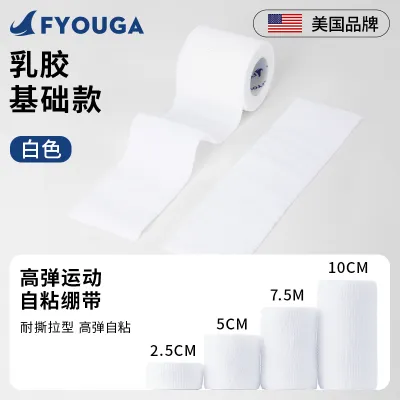
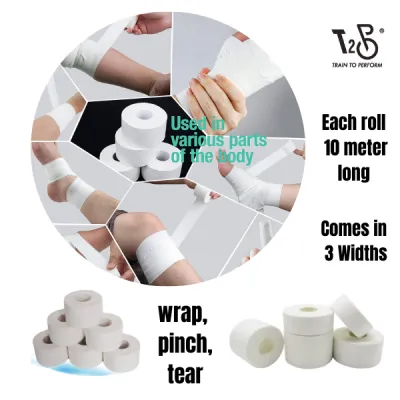
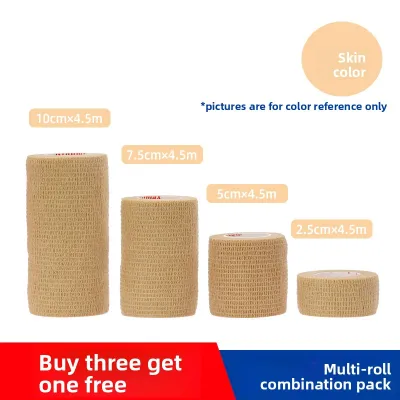
Prices are valid at publication and may change. Please refer to the product page for the latest price.
To counter these climate challenges, prioritize advanced material technologies. When selecting joint braces, look for 3D-knit fabrics and open-weave structures rather than solid neoprene. 3D-knit materials provide gradient compression while allowing air to circulate freely, keeping the skin dry and cool. For kinesiology tapes, synthetic fabrics like nylon or polyester are highly superior to traditional cotton because they repel water, dry rapidly, and maintain their elastic tension even when fully saturated with sweat.
Skin health is another critical factor in tropical environments. Prolonged contact with trapped sweat and adhesives can trigger contact dermatitis or heat rashes. To minimize this risk, always choose hypoallergenic, latex-free materials with medical-grade acrylic adhesives. These formulations are designed to bond securely to the skin without causing chemical irritation, making them safer for long-term wear during intense outdoor training sessions.
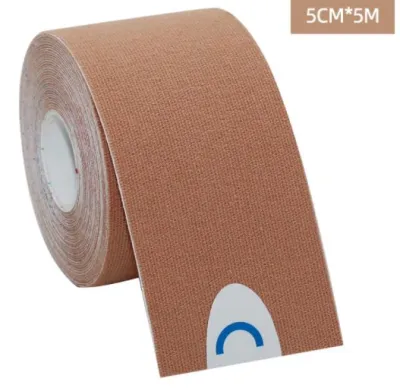
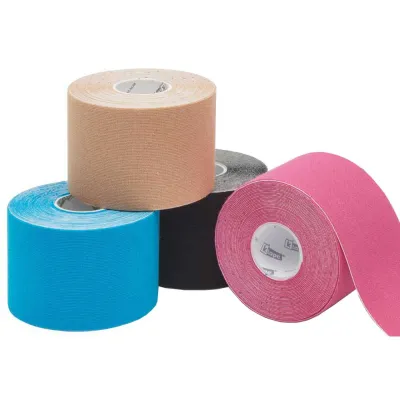
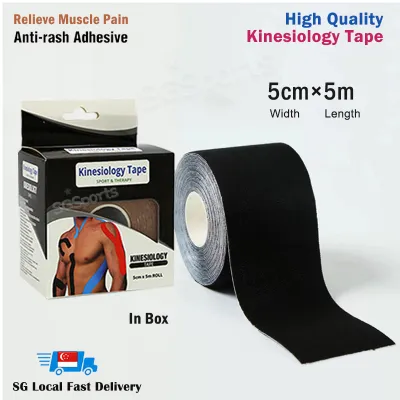
Finally, understand the functional difference between rigid athletic tape and elastic kinesiology tape. Rigid tape is designed for joint immobilization, physically blocking harmful movements to protect compromised ligaments. Elastic kinesiology tape, on the other hand, stretches dynamically to provide proprioceptive feedback and support muscle function without restricting your range of motion. Matching the tape’s elasticity to your specific rehabilitation goals is essential for safe and effective recovery.
Most Trusted Sports Brace Brands for Joint Stability
When structural joint stability is your primary goal, investing in a highly engineered brace from a reputable manufacturer is essential. In Singapore, athletes have access to several globally trusted brands that specialize in different levels of joint support. Finding the right brand involves matching their design philosophy to your sport’s movement patterns and your joint’s specific mechanical needs.

Bauerfeind
German-engineered Bauerfeind is widely recognized as a premier choice for medical-grade compression and active joint support. The brand’s defining feature is its proprietary 3D Train Active Knit fabric, which is anatomically contoured to fit the body’s natural shape. This material provides targeted gradient compression that stimulates proprioception—your body’s awareness of joint positioning—without slipping or bunching behind the knee or elbow during intense movement.
Unlike basic neoprene sleeves that trap heat, Bauerfeind’s knit is highly breathable and moisture-wicking, making it exceptionally comfortable for Singapore’s warm climate. Their designs, such as the GenuTrain knee support, incorporate anatomical silicone pads that encircle the patella. These pads redistribute pressure away from the kneecap to the surrounding soft tissues, reducing pain and stabilizing the joint during dynamic movements. While these products require a premium financial investment, they are widely recommended by local physiotherapists for post-injury recovery and chronic conditions like runner’s knee.
Zamst
Originating from Japan, Zamst focuses heavily on the high-intensity demands of court and field sports. The brand is renowned for its highly functional, biomechanically engineered supports that target specific injury mechanisms. For instance, their signature A2-DX ankle brace utilizes rigid, anatomically shaped guards and a cross-strap system designed specifically to prevent inversion and eversion ankle sprains—a common hazard in high-agility sports.
What sets Zamst apart is its commitment to low-profile, lightweight construction. Their braces are designed using thin, high-strength materials that fit snugly inside standard athletic footwear without altering the athlete’s natural gait or shoe fit. This makes them a favorite among local basketball, volleyball, and badminton players who require robust lateral stability to handle rapid lateral cuts and jumps without sacrificing speed. Additionally, Zamst incorporates adjustable fastening systems that allow athletes to customize the level of support on the fly.
McDavid and Mueller
For recreational athletes and general fitness enthusiasts, McDavid and Mueller offer highly versatile and accessible product lines. Both brands categorize their products into clear, standardized protection levels, typically ranging from Level 1 for basic compression to Level 3+ for maximum structural support. This systematic approach helps consumers easily identify the right product based on their injury severity and activity level.
McDavid is highly recognized for its Hex technology, which integrates lightweight, closed-cell foam padding directly into compression sleeves to protect joints from direct impacts. This is highly beneficial for contact sports like rugby or basketball. Mueller, on the other hand, is a pioneer in sports medicine retail, offering highly affordable, durable neoprene and fabric braces, including wrap-around designs that accommodate various body sizes and swelling fluctuations. When choosing between these brands, carefully review the material specifications to ensure adequate ventilation, and always consult their sizing charts to guarantee that the compression is distributed evenly.
Top Kinesiology and Athletic Tape Brands for Active Recovery
Kinesiology and athletic tapes provide a lightweight, low-profile alternative to bulky braces, allowing for unrestricted movement while assisting in active recovery and injury prevention. However, the performance of these tapes is highly dependent on their adhesive quality and fabric durability. In Singapore’s humid environment, selecting a brand with superior water resistance and elastic memory is essential to ensure the tape remains functional throughout your training session.
RockTape
RockTape is widely recognized among endurance athletes, powerlifters, and cross-training enthusiasts for its exceptional durability and heavy-duty adhesive. The brand’s proprietary adhesive is specifically engineered to withstand extreme conditions, including heavy sweating, high humidity, and even prolonged water exposure during swimming or obstacle course races. This makes it one of the most reliable options for outdoor sports in Singapore.
A key performance advantage of RockTape is its superior elasticity. While many standard kinesiology tapes stretch up to 130% to 140%, RockTape is designed with a 180% stretch capacity. This high elasticity mimics the natural stretching properties of skin and muscle, allowing athletes to maintain a full, natural range of motion while receiving strong sensory and mechanical feedback that aids in movement correction and muscle facilitation. To accommodate different athletic needs, RockTape is available in standard two-inch rolls, extra-wide four-inch rolls (ideal for larger muscle groups like the lower back, hamstrings, or quadriceps), and pre-cut strips.
KT Tape
KT Tape is a globally dominant brand known for its user-friendly designs and wide availability. The brand revolutionized the market by introducing pre-cut, rounded-edge strips. These pre-measured strips significantly reduce application time and eliminate the need for scissors on the field. The rounded corners are highly functional, as they are far less likely to catch on clothing or gear, which is a common cause of premature peeling.
When purchasing KT Tape in Singapore, it is critical to understand the difference between their product lines. Their entry-level KT Tape Original is made of 100% cotton with a standard adhesive, which may struggle to stay bonded during intense, sweaty workouts in tropical heat. For Singapore’s climate, athletes should opt for the KT Tape PRO line, which features synthetic fabric and a much stronger, patented adhesive. The synthetic fibers of the PRO line do not absorb moisture like cotton does; instead, they wick sweat away and dry rapidly, allowing the tape to maintain its elastic structure and remain adhered for multiple days, even through daily showers.
Mueller and Traditional Zinc Oxide Tapes
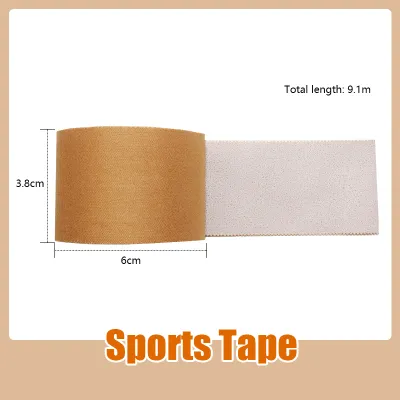
While elastic kinesiology tapes support movement, certain scenarios demand absolute joint immobilization. This is where traditional, rigid athletic tapes—such as Mueller’s zinc oxide tapes—are indispensable. Made from high-tensile, non-elastic cotton, these tapes are designed to wrap tightly around joints like the ankle, wrist, or fingers to physically block movements that could reinjure compromised ligaments.
Mueller’s rigid tapes are highly valued by athletic trainers for their high tensile strength and ease of use. They are engineered to be easily torn by hand both vertically and horizontally, allowing for rapid, precise application on the sidelines without searching for cutting tools. This rigid support is crucial for high-impact, unpredictable sports like rugby, netball, or trail running, where protecting a weak ankle from sudden rolling is paramount. Because rigid tape uses a highly aggressive adhesive directly on the skin, safety and skin protection are critical. To prevent painful hair pulling, skin blistering, or epidermal tearing during removal, athletes should always use a lightweight foam underwrap (often called pre-wrap) or apply a skin-prep barrier spray before taping.
Where to Buy Authentic Sports Supports in Singapore
With the rising popularity of sports medicine products, counterfeit braces and tapes have become increasingly common in online marketplaces. Purchasing counterfeit gear poses significant safety risks; fake braces often use cheap, brittle plastics or substandard metal hinges that can fail under load, leading to acute joint injuries. Similarly, counterfeit tapes frequently utilize low-grade industrial adhesives that can cause severe allergic reactions, chemical burns, or contact dermatitis when exposed to sweat and heat.
To ensure you are purchasing genuine, high-quality products, always buy through authorized distribution channels in Singapore. Highly reliable physical and digital outlets include established local sports specialty retailers, major pharmacy chains, and specialized orthopedic or physiotherapy clinics. Many premium brands, like Bauerfeind and Zamst, partner directly with local physiotherapy hubs, ensuring that you receive not only an authentic product but also professional guidance on proper fitting.
When shopping on general online marketplaces, avoid unverified third-party sellers offering prices that seem too good to be true. Instead, look for official brand flagship stores or verified mall sellers that carry authorized dealer badges. Before purchasing, verify the seller against the authorized dealer list on the manufacturer’s official regional website, and inspect the product packaging upon delivery for holographic security seals, clear batch numbers, and official manufacturer instruction manuals.
Braces vs. Tapes: Choosing the Right Support for Your Injury
Understanding the functional differences between braces and tapes is essential for making an informed decision that supports your recovery rather than hindering it. Joint braces are mechanical, external skeletal supports. They are designed for structural load-bearing and physical restriction of joint movement. If you have a moderate-to-severe ligament sprain, structural instability (such as a torn ACL), or are recovering from joint surgery, a rigid or semi-rigid brace is necessary to shield the joint from forces your body cannot currently handle.
In contrast, kinesiology and athletic tapes operate primarily on a sensory and neuromuscular level. Elastic kinesiology tape does not provide mechanical joint block; instead, it gently lifts the skin, creating microscopic space that reduces pressure on pain receptors and facilitates lymphatic flow to reduce swelling. It also enhances proprioception—your brain’s awareness of your joint’s position in space. This makes tape ideal for mild muscle strains, postural correction, minor tendinitis, or as a transitional aid during the late stages of rehabilitation when full mobility is desired.
A critical safety boundary must be established: neither braces nor tapes are cures for underlying musculoskeletal injuries. They are temporary management tools designed to assist function. If you experience persistent or worsening pain, acute joint swelling, a feeling of the joint “giving way,” or mechanical locking, you must stop physical activity immediately. These symptoms require a comprehensive evaluation by a qualified sports physician or physiotherapist to diagnose the root cause.
Furthermore, athletes must avoid developing a long-term, continuous reliance on heavy joint braces. While a brace is invaluable during acute recovery or high-risk sports, wearing it constantly during daily non-sport activities can lead to muscle atrophy and joint stiffness. Because the brace is doing the structural work, the surrounding stabilizing muscles are not activated, which can ultimately weaken the joint and increase your susceptibility to future injuries. Use braces strategically for sports, and prioritize targeted strengthening exercises under professional guidance to rebuild your body’s natural stability.
Frequently Asked Questions (FAQ)
How do I prevent kinesiology tape from peeling off in humid weather?
To maximize tape adhesion in Singapore’s humid climate, proper skin preparation is essential. Begin by thoroughly cleaning the application area with rubbing alcohol to remove body oils, sweat, and any residues from lotions or sunscreens. If the area has dense body hair, gently trim or shave it; this ensures the adhesive bonds directly to the skin rather than the hair shaft, which improves adhesion and reduces pain during removal.
When applying the tape, always round the corners of each strip using scissors, as sharp corners easily catch on clothing and peel back. Apply the tape at least 30 to 60 minutes before you begin exercising or exposing the area to water; this allows the heat-activated acrylic adhesive to form a secure bond with your skin. Once applied, rub the tape vigorously with your hand to generate friction heat, which fully activates the adhesive.
Should I wear a supportive brace all day or only during sports?
As a general rule, supportive sports braces should only be worn during physical activity or as specifically directed by a healthcare professional. Most sports braces are engineered to protect joints against the high dynamic loads, sudden lateral cuts, and impact forces encountered during sports. Wearing them during low-impact daily activities is generally unnecessary and can be counterproductive.
Continuous, all-day wear of restrictive braces can restrict local blood circulation, cause skin maceration due to trapped sweat in a tropical climate, and lead to muscle weakness as your body relies on the external support rather than its own musculature. Always follow the specific wearing schedule provided by your physiotherapist or the manufacturer’s instructions. Remember to remove the brace during rest periods to allow your skin to dry, breathe, and recover.
Community discussion
Share your experience or ask a question. Comments are reviewed before publication.