
Direct Answer: Insulation Performance of the 310ml Tupperware Bottle
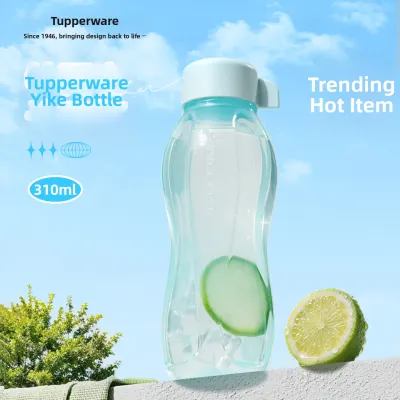
When selecting hydration gear for your fitness routine, understanding the thermal capabilities of your equipment is crucial. The classic 310ml Tupperware bottle is not engineered for thermal insulation. It is a single-wall plastic container—typically constructed from high-quality, BPA-free polypropylene or Tritan copolyester—designed primarily for lightweight portability, leak prevention, and everyday durability. It does not feature the structural elements required to maintain beverage temperatures over extended periods.
If your primary goal is to keep drinks ice-cold during outdoor workouts in a tropical climate like Singapore’s, where temperatures frequently exceed 30°C and humidity levels remain high, a standard single-wall plastic bottle will not meet your needs. In these conditions, environmental heat quickly transfers through the thin plastic, warming your water within a short time. For sustained cold or hot temperatures, a dedicated double-wall vacuum-insulated stainless steel sports bottle is the superior choice.
However, the 310ml Tupperware bottle excels in other practical areas. It is incredibly lightweight, highly shatter-resistant, and exceptionally compact. This makes it an excellent choice for short, high-intensity indoor gym sessions, quick commutes, or activities where minimizing weight and bulk is far more important than temperature retention.
Products mentioned in this guide
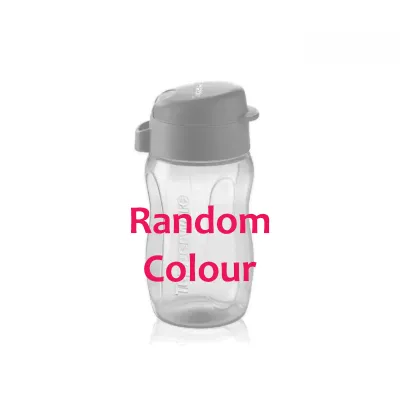
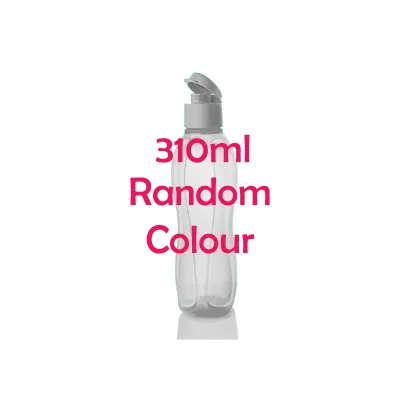
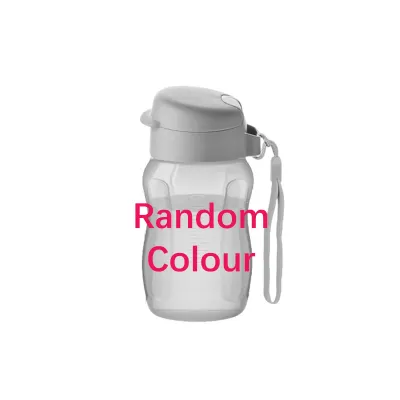
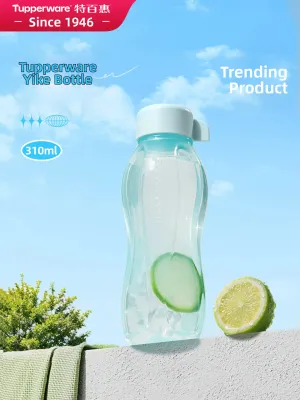
Prices are valid at publication and may change. Please refer to the product page for the latest price.
Core Comparison: Material, Weight, and Workout Suitability
Thermal Retention and Material Structure
To understand why different bottles perform the way they do, it helps to examine their material structure. Dedicated insulated sports bottles utilize double-wall vacuum insulation. This design features an inner and outer wall of stainless steel (usually 18/8 food-grade steel) with the air evacuated from the space between them. Because heat requires a physical medium, such as air molecules, to transfer via conduction or convection, this vacuum layer acts as an incredibly efficient barrier. It prevents external heat from warming cold drinks and keeps hot liquids from losing their heat to the surrounding air, often maintaining temperatures for up to 12 to 24 hours.

In contrast, a single-wall plastic container like the 310ml Tupperware bottle has no such barrier. Heat transfers rapidly through the thin plastic wall. If you fill this bottle with cold water and head outdoors, the liquid will quickly absorb heat from the environment. Within 30 to 45 minutes, your drink will reach ambient room temperature, which can be less than refreshing during a grueling outdoor training session.
This rapid heat transfer also leads to condensation, commonly known as “sweat.” When a cold single-wall bottle is exposed to warm, humid air, water vapor condenses on the exterior surface. This moisture can make the bottle slippery and difficult to grip while running or cycling, and it can easily dampen other gear inside your gym bag. Double-wall insulated bottles do not sweat because the outer wall remains at ambient temperature.
Additionally, single-wall bottles are highly sensitive to hot liquids. If you pour hot water or tea into a standard plastic bottle, the heat transfers instantly to the exterior, making it too hot to hold comfortably without a protective sleeve. While some brands occasionally introduce specialized double-wall plastic or insulated variations, classic models are strictly single-wall and should be treated as such. Always verify the manufacturer’s label for specific material limits.
Weight, Capacity, and Portability
The 310ml capacity offers unique advantages when it comes to weight and portability. Holding approximately 10.5 fluid ounces, this size is highly specialized for short workouts, quick runs, or situations where you want to travel light. An empty 310ml Tupperware bottle weighs next to nothing—typically under 50 grams—and even when fully filled, the total weight is only about 360 grams.
This minimal weight makes the bottle exceptionally easy to carry. It fits effortlessly into small running belts, compact backpack pockets, bicycle bottle cages, and shallow treadmill cup holders without causing imbalance or adding noticeable drag during high-intensity cardio. For athletes who prioritize aerodynamic efficiency or want to minimize physical strain during a run, a compact plastic bottle is highly advantageous.
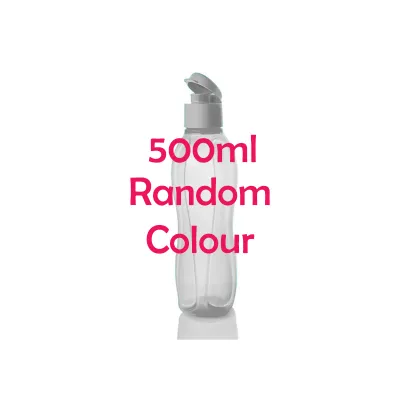
Compare this to a typical double-wall vacuum-insulated stainless steel bottle. Even a modest 500ml insulated bottle can weigh between 250 to 350 grams when empty due to the heavy double-steel construction and insulated lids. Once filled with water, the total weight can easily exceed 800 grams. For long-distance runners, hikers, or cyclists, carrying this extra weight can lead to quicker fatigue and may require specialized, heavier mounting gear.
The trade-off, however, is hydration volume. A 310ml capacity is generally insufficient for prolonged outdoor training in hot climates, where rapid sweat loss requires frequent fluid replacement. If you are training outdoors for more than 45 minutes, you will need to plan your route around public water coolers to refill your bottle, whereas a larger, heavier insulated bottle would provide a sustained supply of cold water.
Durability and Maintenance
Durability is a key consideration for any sports accessory. High-quality plastic bottles, such as those from Tupperware, are engineered to be highly impact-resistant and flexible. If you drop a plastic bottle onto a concrete running track, a gym floor, or a rocky trail, it will typically bounce or sustain minor scuffs without cracking or breaking. This resilience makes plastic highly reliable for fast-paced, high-impact sports where drops are common.
Stainless steel bottles are also highly durable, but they fail differently. While they are virtually immune to cracking, dropping a double-wall vacuum bottle onto a hard surface can result in significant dents and scratches. More importantly, a severe impact can damage the internal vacuum seal. If the inner and outer metal walls bend and touch, the vacuum barrier is compromised, and the bottle will lose its insulation capabilities permanently.
Maintenance and hygiene are equally important for long-term use. Plastic is a relatively porous material compared to stainless steel. If you regularly use your bottle for colored sports drinks, pre-workout powders, or flavored supplements, the plastic can absorb odors and sustain minor staining over time. If not washed immediately with warm, soapy water after each use, these odors can become deeply embedded and difficult to eliminate.
Stainless steel (specifically 18/8 food-grade stainless steel) is non-porous and naturally resistant to both odors and staining. This makes it much easier to clean and sanitize, even if a flavored beverage is accidentally left inside for a day or two. For athletes who frequently switch between plain water and various fitness supplements, stainless steel offers a clear maintenance advantage.
Decision Guide: Matching Your Bottle to Your Workout
Choosing the right water bottle depends heavily on your specific activity, environment, and personal preferences. There is no single bottle that is perfect for every scenario.
- Choose the 310ml Tupperware bottle if: You prioritize ultra-lightweight gear and want to minimize carrying weight during short, high-intensity workouts; you need a highly compact bottle that fits easily into small running waist packs, cycling jersey pockets, or shallow gym equipment holders; you primarily drink room-temperature water and do not mind your beverage matching the ambient temperature of your environment; or you train indoors in air-conditioned fitness centers where rapid drink warming is less of an issue, or you have easy access to water dispensers for quick, frequent refills.
- Choose a vacuum-insulated sports bottle if: You train outdoors in hot, humid conditions—such as running along coastal paths or hiking nature trails—and require ice-cold water to help regulate your core body temperature and stay refreshed; you prefer hot beverages, such as warm tea or coffee, during early morning outdoor workouts or cool-weather training sessions; you want to prevent condensation from "sweating" onto your hands, gym equipment, or inside your backpack, keeping your electronics and dry clothes safe from moisture; or you regularly use flavored fitness supplements and require a bottle that is highly resistant to odor retention and easy to deep clean.
- Neither option may fit if: You are participating in long-distance endurance events, all-day hikes, or multi-hour sports matches where refilling is not possible. In these cases, a 310ml capacity is far too small, and a heavy stainless steel bottle may be too cumbersome. You should instead look into high-capacity hydration bladders (1.5L to 3L) that fit into specialized running vests or large-format insulated plastic jugs.
- Verify first if: You are looking at a specific "insulated" or "thermal" model from Tupperware. While the brand is famous for its classic single-wall plastic containers, they occasionally introduce specialized double-wall or stainless steel lines. Always inspect the product packaging, material specifications, and manufacturer guidelines to confirm the exact insulation properties and temperature ratings before making a purchase.
How to Verify Insulation Claims and Material Safety
When shopping for a sports water bottle, it is essential to look past marketing buzzwords and verify the actual technical specifications of the product. Do not rely solely on brand reputation; instead, check the product label or official manufacturer website for explicit terms such as “double-wall vacuum insulation,” “temp-shield,” or “thermal retention.” These terms indicate a physical vacuum barrier is present.
Next, verify the material safety and composition. For plastic bottles, ensure the label explicitly states “BPA-free” and identifies the specific plastic used, such as Tritan copolyester or polypropylene (PP). These materials are highly durable, food-safe, and designed to withstand regular washing. For insulated metal bottles, look for “18/8 food-grade stainless steel” (also known as 304-grade stainless steel), which offers excellent corrosion resistance and durability without imparting a metallic taste to your water.
Finally, always check the manufacturer’s stated temperature limits. Some plastic bottles are not rated for boiling liquids and can warp, leach chemicals, or lose their leak-proof seal if exposed to temperatures above 60°C or 70°C. Conversely, some insulated bottles are not designed to be placed in the freezer, as the expansion of freezing water can damage the vacuum seal and warp the metal walls. Adhering to these manufacturer guidelines ensures both your safety and the longevity of your bottle.
Frequently Asked Questions (FAQ)
Can I put boiling water in a standard single-wall plastic sports bottle?
You must strictly check the manufacturer’s product label for the maximum temperature threshold before pouring hot liquids into any plastic bottle. Even if the plastic is BPA-free and heat-tolerant, a single-wall bottle has no thermal barrier. This means the exterior will instantly become hot enough to cause burns when held. Furthermore, extreme heat can warp the plastic, damage the silicone seals, and compromise the leak-proof lid, leading to dangerous spills.
Why does my single-wall sports bottle sweat when filled with ice water?
Single-wall bottles lack an insulating vacuum layer, allowing heat to transfer freely through the thin plastic wall. When you fill the bottle with ice water, the outer surface quickly cools down. When this cold surface comes into contact with the warm, humid air typical of tropical environments like Singapore, the water vapor in the air condenses into liquid droplets on the bottle’s exterior. To prevent this, you can use a neoprene bottle sleeve to absorb moisture, or upgrade to a double-wall vacuum-insulated bottle.
Community discussion
Share your experience or ask a question. Comments are reviewed before publication.