
Quick Answer: The Best Golf Shoe Spikes for Beginners
Choosing your first pair of golf shoes can feel overwhelming. For most beginners, the ideal choice is either a soft spike (plastic cleat) or a spikeless golf shoe. These options provide the best balance of comfort, versatility, and traction while ensuring complete compliance with modern golf course rules. Traditional metal spikes are generally not recommended for new players due to stiffness and widespread bans at most facilities.
Selecting between soft spikes and spikeless designs depends on where you practice. Spikeless shoes offer sneaker-like comfort and transition easily from the street to the driving range. Soft spikes deliver superior grip on wet grass, making them excellent for players transitioning directly to full courses.
The 3 Main Types of Golf Shoe Spikes Explained
Understanding structural differences between cleat types helps you identify how a shoe performs on the turf. The three primary categories of golf footwear traction are traditional metal spikes, soft plastic spikes, and molded spikeless outsoles.
Products mentioned in this guide
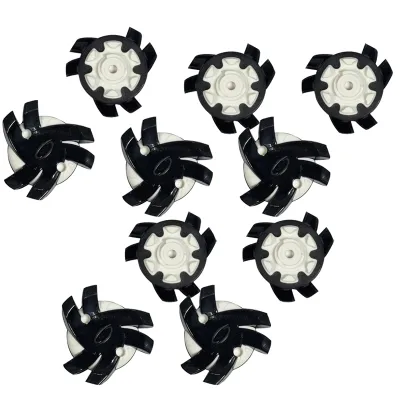
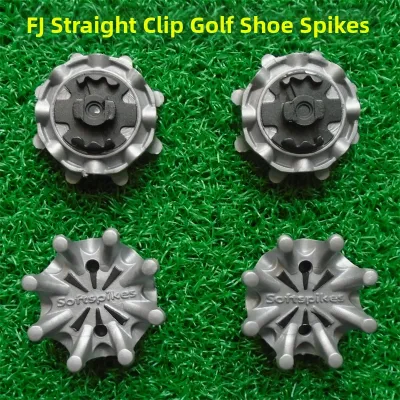
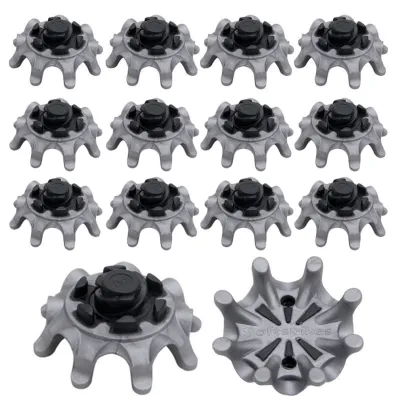
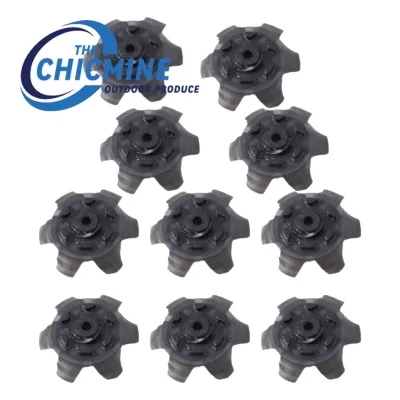
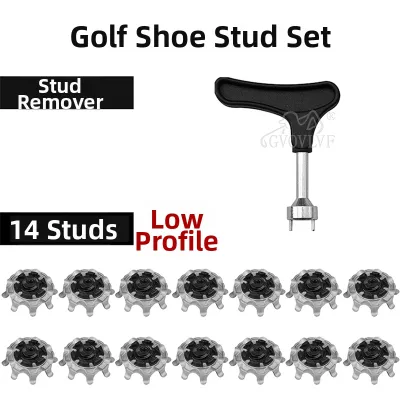
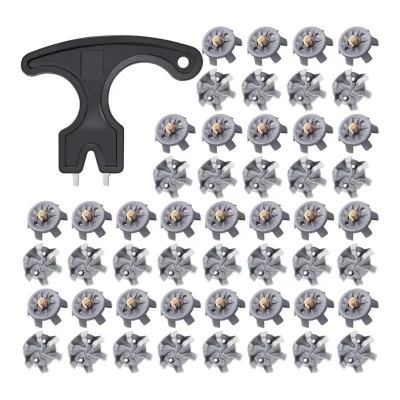
Prices are valid at publication and may change. Please refer to the product page for the latest price.

Metal Spikes (Traditional Cleats)
Traditional metal spikes feature sharp, steel cleats screwed into the sole. This design offers maximum traction on wet, muddy, or deeply sloped terrain where slipping can ruin a swing. By biting deep into the turf, they provide a highly stable foundation.
However, metal spikes are impractical for modern amateur players. They are heavy, stiff, and transfer impact to the feet, leading to fatigue. More importantly, the sharp metal teeth tear up putting greens and scratch clubhouse flooring, leading to widespread bans on almost all public and private courses.
Soft Spikes (Plastic Cleats)
Soft spikes represent the modern industry standard for cleated golf shoes. Instead of metal, these shoes utilize replaceable cleats made from durable polymers and flexible plastics. The designs typically feature multi-pronged patterns that spread the player’s weight more evenly across the turf.
This construction delivers a highly effective balance of reliable traction and walking comfort. Soft spikes flex slightly under pressure, absorbing shock and reducing foot strain over 18 holes. While they are fully course-friendly and permitted everywhere, the plastic material does wear down over time, requiring periodic replacement.
Spikeless and Hybrid Designs
Spikeless and hybrid golf shoes feature flat outsoles with molded rubber nubs or low-profile traction patterns integrated directly into the sole. This design mimics the lightweight feel of a standard athletic running shoe.
The primary benefit of spikeless shoes is their versatility. You can wear them to the driving range, play a round, and run errands afterward without changing footwear. The trade-off lies in extreme weather performance; while highly capable on dry or damp turf, spikeless outsoles offer slightly less aggressive traction in heavy downpours or deep mud compared to traditional soft spikes.
Key Performance Specs to Compare Before Buying
Before purchasing your first pair of golf shoes, evaluating a few core performance specifications will ensure you select a model that supports your progression.
Traction and Stability A golf swing generates powerful rotational forces. Cleated shoes with soft spikes offer deep lateral stability, preventing your feet from slipping during high-speed hip rotations. Spikeless shoes rely on dense tread patterns that provide excellent surface contact, which is highly effective for moderate swing speeds and dry conditions.
Comfort and Walkability Walking several kilometers over uneven terrain can cause foot fatigue. Spikeless models offer maximum sole flexibility and cushioning, making them feel like everyday sneakers. Soft-spiked shoes are slightly stiffer to support the cleat receptacles, but modern midsoles have closed this comfort gap significantly.
Course Compliance Before buying any cleated footwear, check local course rules. Almost all modern clubs strictly prohibit metal spikes to protect putting surfaces. Choosing soft spikes or spikeless designs ensures you will never be turned away from a starter’s box or practice green.
Durability and Maintenance Soft spikes are highly durable because you can easily replace the individual plastic cleats when they wear down, extending the shoe’s life. Spikeless shoes are durable on grass, but walking frequently on concrete or hard driving range mats will accelerate the wear of the molded rubber nubs, which cannot be replaced.
How to Choose the Right Spikes for Your Game
As a beginner, your choice should align with your local environment, practice habits, and physical comfort rather than what professional players wear on television.
Assessing Playing Conditions In regions with tropical climates like Singapore, weather conditions can change rapidly. Frequent afternoon downpours and high humidity create wet grass, muddy patches, and slick slopes. If you plan to play early morning rounds when the dew is heavy, or during the rainy season, the superior grip of soft plastic spikes will help you maintain your footing. If you primarily play in dry weather or practice indoors, spikeless shoes are more than sufficient.
Walking vs. Riding Consider how you plan to navigate the course. If you prefer walking the fairways with a pushcart or carrying your bag, prioritizing a lightweight spikeless or highly cushioned hybrid shoe will preserve your energy. If you plan to ride in a golf buggy for most of your rounds, the added weight of a soft-spiked shoe becomes less of a factor, allowing you to prioritize maximum traction.
Versatility Needs New golfers spend a significant amount of time practicing at driving ranges, many of which feature artificial turf mats. Wearing soft plastic spikes on hard mats can feel unstable and can damage the plastic cleats prematurely. Spikeless shoes are ideal for these practice environments, offering a flat, stable surface on mats while still performing beautifully when you transition to real grass.
Fit Over Features No matter how advanced a shoe’s traction system is, it cannot compensate for a poor fit. Proper sizing, adequate toe room, and solid arch support must remain your top priorities. Ensure the shoe fits snugly around the heel to prevent slipping during your swing, and test the width while wearing the specific athletic socks you plan to use on the course.
Cleat Maintenance and Replacement Guidelines
Proper maintenance ensures your golf shoes continue to provide optimal traction and support throughout their lifespan.
Cleaning After every round, use a plastic-bristled brush to remove packed mud, sand, and grass clippings from around the cleats or molded nubs. Allowing debris to dry and harden in the traction patterns significantly reduces their grip on your next outing. Wipe the outsoles down with a damp cloth and let them air dry away from direct heat.
Inspection Inspect your outsoles regularly. For soft spikes, look for worn-down or flattened plastic prongs, missing cleats, or cracks in the housing. For spikeless shoes, check for uneven wear on the rubber nubs, particularly around the heel and the ball of the foot where rotational friction is highest.
Replacement When replacing soft spikes, use a proper cleat wrench to avoid damaging the sole. Check the manufacturer’s instructions to identify the correct attachment system, as different brands use proprietary thread types. If you encounter a stripped thread or a damaged receptacle, stop and consult a professional golf retailer or the manufacturer.
Frequently Asked Questions (FAQ)
Are metal golf spikes illegal?
While metal spikes are not illegal under the official Rules of Golf, they are banned by the vast majority of private and public golf courses globally. This is because metal cleats tear up delicate putting greens and damage clubhouse floors. Always check the specific dress code and footwear policy of a golf course before booking a tee time.
How often should I replace my soft golf spikes?
There is no fixed schedule for replacing soft spikes, as wear depends on how much you walk, your swing mechanics, and the terrain. You should replace them when you notice visible flattening of the plastic prongs, a noticeable loss of traction on wet grass, or if your feet begin to slip during your swing.
Can I wear spikeless golf shoes in the rain?
Yes, modern spikeless golf shoes are highly capable and often feature waterproof membranes to keep your feet dry in wet weather. They provide adequate traction for light rain and damp conditions. However, if you are playing in heavy tropical downpours or on highly saturated, muddy courses, traditional soft plastic spikes will provide superior stability and slip resistance.
Community discussion
Share your experience or ask a question. Comments are reviewed before publication.