
Securing your bicycle in an urban environment requires a careful calculation of risk, convenience, and weight. No single bike lock is universally perfect for every cyclist; instead, the ideal choice depends on your daily riding habits, where you park, and how long your bike remains unattended. A high-security lock that is too heavy to carry will end up left at home, while a lightweight lock that is easy to transport may offer nothing more than a false sense of security in high-risk areas.
To find the right balance, you must evaluate how you use your bicycle. Choose a U-lock if you require maximum cut resistance for daily commuting and long-duration parking in busy areas. Opt for a chain lock if you need the flexibility to secure your bike to thick, awkwardly shaped street fixtures or multiple objects at once. Select a cable lock only for low-risk, short-term stops where the bike remains in your line of sight, or use it as a secondary accessory to secure components like your front wheel or saddle.
Ultimately, a bike lock’s primary job is to deter opportunistic theft and delay determined thieves. No lock is entirely indestructible given enough time, privacy, and the right power tools. Understanding the mechanical differences between these lock types allows you to choose a security strategy that matches your specific routine and risk tolerance.
Products mentioned in this guide
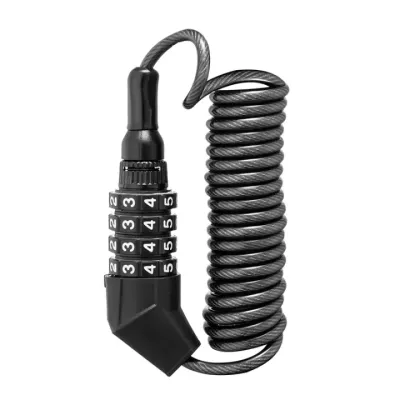
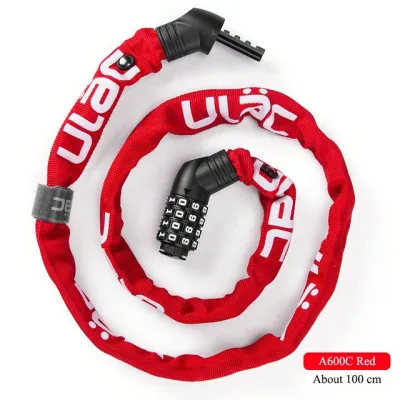
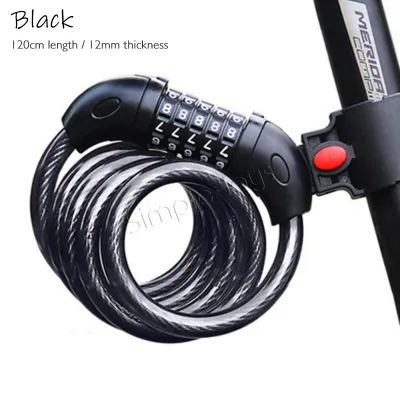
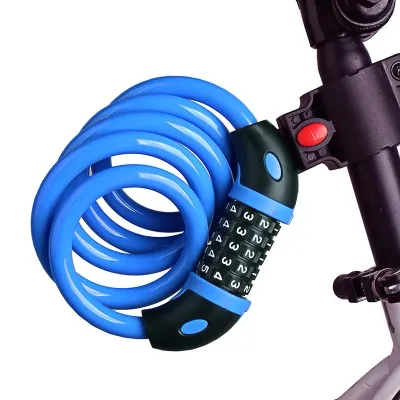
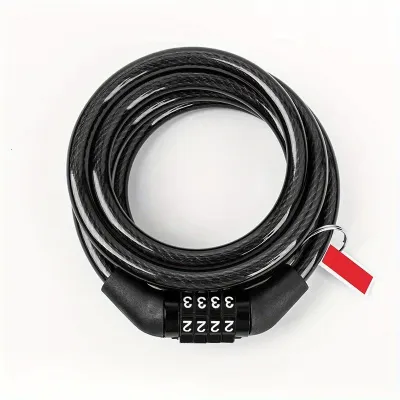
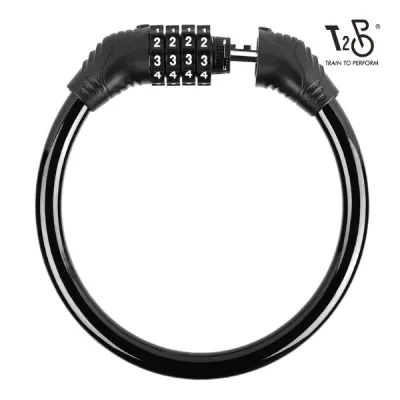
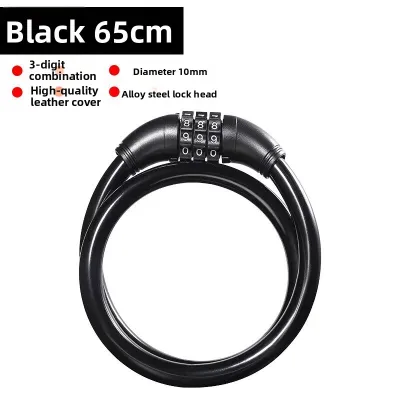
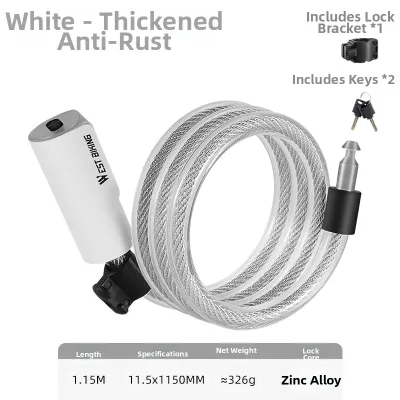
Prices are valid at publication and may change. Please refer to the product page for the latest price.
The Anatomy of U-Locks, Chain Locks, and Cable Locks
To compare these security options effectively, it helps to understand how they are constructed and how their physical designs influence their performance. Each lock type utilizes different materials and geometries to resist physical attacks.
U-Locks (D-Locks)
U-locks, also known as D-locks, consist of a rigid, U-shaped hardened steel shackle that locks into a straight crossbar. This solid, unyielding design is engineered to resist leverage attacks, where a thief attempts to pop the lock open using a crowbar or scaffolding pipe.
Because the shackle is made of solid steel, it requires two cuts with a hacksaw or angle grinder to remove if it features a double-bolting mechanism, which locks the shackle on both sides of the crossbar. The main limitation of a U-lock is its rigid shape, which restricts the size and type of anchor points you can lock your bicycle to.
Chain Locks
Chain locks consist of a series of heavy-duty, hardened steel links wrapped in a tough fabric or protective sleeve. The links are typically constructed from alloy steel that has been specially treated to resist cutting and sawing.
The protective sleeve serves two purposes: it prevents the heavy metal links from scratching your bicycle’s paint and makes it more difficult for hand tools to grip the metal directly. The flexible nature of a chain allows you to wrap it around wide objects, but the sheer volume of solid steel makes high-security chains significantly heavier than other lock types.
Cable Locks
Cable locks are constructed from braided or coiled steel wires encased in a flexible plastic or PVC sleeve. This design prioritizes flexibility and low weight above all else, allowing the cable to be coiled tightly for easy transport.
While the outer plastic sleeve protects your bike’s frame from scratches and shields the steel from rain, the internal braided wire structure is highly vulnerable. Because the cable consists of many thin strands rather than a single solid piece of steel, standard hand tools can easily cut through the wires one by one in a matter of seconds.
Comparing Security, Portability, and Convenience
Choosing the right bike lock requires balancing three competing factors: security, portability, and convenience. Improving one of these aspects almost always requires a trade-off in another.

Security and Cut Resistance
When evaluating security, the primary objective is to resist the tools most commonly used by opportunistic and professional thieves, including bolt cutters, hacksaws, and portable angle grinders.
- Bolt Cutter Resistance: High-quality U-locks and heavy-duty chain locks with a thickness of 13mm or more are generally immune to manual bolt cutters, as the jaws of the tool cannot grip or crush the hardened steel. In contrast, cable locks and thin chains (under 10mm) can be snipped almost instantly with cheap, easily concealed hand cutters.
- Power Tool Resistance: Against portable angle grinders, thick U-locks and heavy chains perform the best. While an angle grinder can cut through almost any metal eventually, a thick, through-hardened steel shackle (15mm or thicker) requires significant time and multiple cutting discs to defeat, creating loud noise and bright sparks that draw immediate attention.
- Verifying Thickness: When shopping for a lock, always verify the actual steel thickness in millimeters rather than relying on vague marketing terms like "heavy-duty" or "maximum security." For U-locks, look for a shackle thickness of at least 13mm. For chain locks, individual links should be at least 8mm thick for moderate security, or 10mm to 12mm for high-security areas.
Portability and Weight
The physical effort required to carry a bike lock can significantly influence your riding experience, especially over long distances or hilly terrain.
- U-Lock Portability: Most U-locks come with a mounting bracket that attaches directly to your bicycle frame. This keeps the lock secure and out of the way while riding, though low-quality brackets can rattle or slip on bumpy paths. Alternatively, a U-lock can be slipped into a backpack or a rear pannier bag.
- Chain Lock Portability: Due to their weight, high-security chain locks are the most challenging to transport. Carrying a 3kg to 5kg chain in a backpack can cause shoulder strain, while wrapping it around your seatpost or handlebars can alter your bicycle's center of gravity, negatively affecting handling and steering. Some riders wear lighter chains around their waist, but this is not recommended for high-speed or technical riding due to safety risks in a fall.
- Cable Lock Portability: Cable locks are the undisputed champions of portability. They are incredibly light, often weighing less than 500 grams, and can be coiled tightly to fit inside a small frame bag, wrapped around your seatpost, or even slipped into a jersey pocket without affecting your ride comfort.
Convenience and Locking Flexibility
A lock is only useful if you can actually secure it to the available infrastructure at your destination.
- U-Lock Limitations: The rigid shape of a U-lock means you are limited by its inner dimensions. If the only available anchor point is a thick lamp post, a wide tree trunk, or a decorative concrete railing, a standard-sized U-lock will not fit around both the frame and the anchor. You must find a dedicated bicycle rack or a thin metal railing to secure your bike.
- Chain Lock Versatility: The flexibility of a chain lock allows you to secure your bicycle in almost any environment. You can easily loop a long chain around thick utility poles, through both wheels and the frame, or secure multiple bicycles together to a single anchor point. This is incredibly convenient when designated bike racks are full or unavailable.
- Cable Lock Reach: Cable locks offer the longest reach of all, often extending up to two meters. This allows you to weave the cable through the frame, both wheels, and even accessories like your helmet before securing it to an anchor. However, this convenience comes at the cost of low security, making it a poor choice for unsupervised parking.
Quick Comparison Matrix
This matrix provides a direct comparison of the three lock types based on general mechanical principles and standard urban use cases.
| Lock Type | Security Level | Portability | Flexibility | Best Use Case |
|---|---|---|---|---|
| U-Lock | High to Very High | Medium (Frame mount or bag) | Low (Rigid shape) | Daily commuting, urban parking, and high-risk areas |
| Chain Lock | Medium to Very High | Low (Heavy, bulky) | High (Wraps around wide objects) | Awkwardly shaped anchors, overnight parking, or securing multiple bikes |
| Cable Lock | Low | High (Lightweight, self-coiling) | Very High (Long reach) | Quick cafe stops, securing accessories, or as a secondary lock |
Choosing the Right Lock for Your Cycling Routine
To determine which lock fits your lifestyle, consider where you ride, how long you leave your bike unattended, and the replacement cost of your bicycle.
The Daily Commuter (MRT Stations, HDBs, and Offices)
For cyclists who rely on their bikes for daily transportation, parking often involves leaving the bicycle unattended for hours at high-traffic transit hubs like MRT stations, HDB void decks, or commercial office basements. These environments present a high risk of targeted theft, as thieves have ample time to observe parking patterns.
- Recommended Strategy: Use a high-quality, Sold Secure Gold or Diamond-rated U-lock as your primary defense. Secure the U-lock through the rear wheel and the frame triangle to a permanent, immovable metal rack.
- Safety Check: Before locking your bike, verify that the rack itself is securely bolted or cemented into the ground. If possible, choose a parking spot directly under a security camera or in a well-lit, highly visible area with constant foot traffic to deter thieves from using noisy power tools.
The PCN and Leisure Rider (Park Connectors and Cafes)
If your cycling routine consists primarily of weekend leisure rides along the Park Connector Network (PCN), coastal paths, or quick stops at local cafes, your security needs differ significantly. You are rarely leaving your bike unattended for more than a few minutes, and you want to keep your setup as light and fast as possible.
- Recommended Strategy: A lightweight, compact U-lock or a robust, thick cable lock can suffice for these short stops. The primary goal here is to prevent "grab-and-go" opportunistic theft while you step inside a shop to buy a drink or use the restroom.
- Safety Check: Always keep your bicycle within your direct line of sight, even when locked. If you must lose sight of the bike, ensure it is secured with a U-lock rather than a simple cable, as a cable can be cut silently in the blink of an eye while your back is turned.
The High-Value Bike Owner (E-Bikes and Premium Road Bikes)
Owners of premium road bikes, high-end folding bikes, or electric-assisted bicycles (PABs) face a much higher risk of targeted theft. These bicycles carry a high resale value, making them prime targets for professional thieves equipped with specialized tools.
- Recommended Strategy: Implement a strict "two-lock strategy" using two entirely different lock mechanisms. For example, secure the frame and rear wheel with a heavy-duty, angle-grinder-resistant U-lock, and use a thick, hardened steel chain lock to secure the front wheel and frame to the anchor point.
- Safety Check: Using two different lock types forces a thief to carry multiple, incompatible cutting tools (such as an angle grinder for the U-lock and heavy-duty manual bolt cutters for the chain). This drastically increases the time, effort, and noise required to steal the bike, usually prompting the thief to abandon the attempt entirely. Additionally, check your bicycle manufacturer's instructions before clamping heavy locks to carbon fiber frames, as improper pressure or friction can damage the structural integrity of the tubing.
Critical Features to Verify Before Buying
Before purchasing any bike lock, look past marketing buzzwords and verify the actual technical specifications to ensure you are getting genuine protection.
- Independent Security Ratings: Do not rely solely on a manufacturer's internal security scale (e.g., "9/10 security"). Instead, look for independent, third-party certifications. The most recognized standard is Sold Secure, which rates locks as Bronze, Silver, Gold, or Diamond based on how long they resist professional attack methods. Aim for Gold or Diamond for high-value bikes or urban commuting.
- Material and Hardening: Ensure the lock is made of hardened steel alloy. Standard steel can be easily cut with a basic hacksaw. Through-hardened steel offers consistent hardness throughout the entire cross-section, while case-hardened steel features a super-hard outer layer to resist sawing combined with a slightly ductile core to resist shattering attacks.
- Weather and Rust Resistance: Because your lock will be exposed to tropical humidity, sudden downpours, and salt air, rust resistance is critical for long-term reliability. Verify that the lock cylinder features a sliding dust cover to prevent water and grit from entering the keyway. Look for locks with vinyl coatings on the shackle and weather-resistant internal components to prevent the locking mechanism from seizing over time.
- Lock Cylinder Type: Avoid cheap locks that use standard pin-tumbler mechanisms, as these are highly vulnerable to picking and bumping. Instead, look for a disc detainer cylinder, which requires a specialized picking tool and high skill to bypass. Additionally, check if the manufacturer offers a key registration and replacement program, which allows you to order spare keys using a unique code if you lose your original set.
Frequently Asked Questions (FAQ)
Can I use a cable lock as my primary lock in the city?
No, you should never use a cable lock as your sole method of security in an urban environment or high-traffic area. Cable locks can be cut silently in a matter of seconds using basic, pocket-sized wire cutters. They do not offer sufficient resistance to deter anyone other than the most casual, tool-free opportunist. Limit cable lock use to low-risk, short-term stops where you can see your bike, or use them strictly as a secondary lock to secure easily removable accessories like your saddle or front wheel.
How do I prevent my bike lock from rusting in humid weather?
To prevent your lock from seizing or rusting in hot, humid, and rainy climates, perform basic maintenance every few months. Apply a few drops of a light, lock-safe dry lubricant (such as a Teflon-based or graphite lubricant) directly into the keyway and the shackle insertion points, then insert and turn the key several times to distribute it. Avoid using heavy oils or WD-40, as they can attract dirt and grime, eventually gumming up the internal discs. Always close the keyway’s protective dust cover when the lock is not in use, and avoid leaving your lock resting directly on wet grass or in puddles.
Is it better to use two different types of locks?
Yes, employing a two-lock strategy is one of the most effective ways to protect your bicycle. By combining a rigid U-lock with a flexible chain lock, you secure both wheels and the frame to the anchor point. More importantly, this setup presents a major physical and psychological barrier to thieves. Because different lock types require different tools to defeat—such as an angle grinder for a thick U-lock and heavy-duty manual bolt cutters for a chain—a thief must carry multiple heavy tools and spend twice as much time working, making your bicycle a highly unattractive target.
Community discussion
Share your experience or ask a question. Comments are reviewed before publication.