
Finding the right bike lock for your daily commute in Singapore is a balancing act between risk management and daily convenience. If you leave your bicycle unattended at an MRT station, a public housing estate void deck, or outside a busy shopping mall, the physical environment dictates your security needs. There is no single lock that excels in every scenario; instead, the ideal choice depends on where you park, how long you leave your bike, and how much weight you are willing to carry.
By understanding the structural differences between U-locks, chain locks, and folding locks, you can select a security setup that fits seamlessly into your daily riding routine. This guide breaks down the structural trade-offs of each type to help you match the right lock to your specific daily cycling routine.
Understanding the Core Trade-Offs: Security, Portability, and Convenience
To protect your bicycle, you must navigate a fundamental engineering compromise: weight, material thickness, and locking mechanism complexity are directly linked. A lock made of thicker, hardened steel will naturally resist manual cutting tools more effectively, but it will also weigh significantly more. Conversely, a lightweight lock that is easy to carry in a pocket or a small frame bag typically achieves its portability by using thinner materials or more vulnerable joints.
Products mentioned in this guide
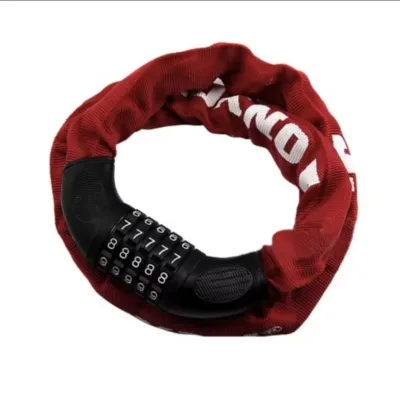
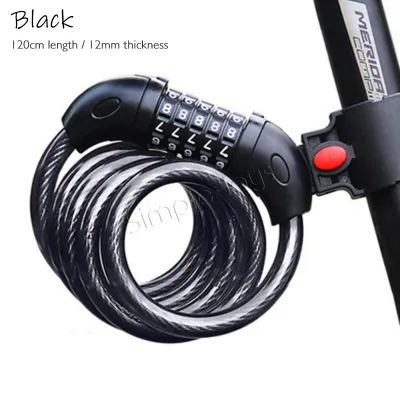
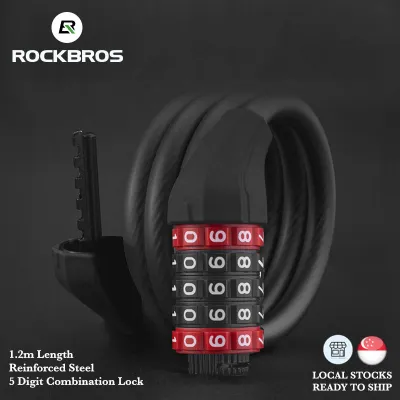
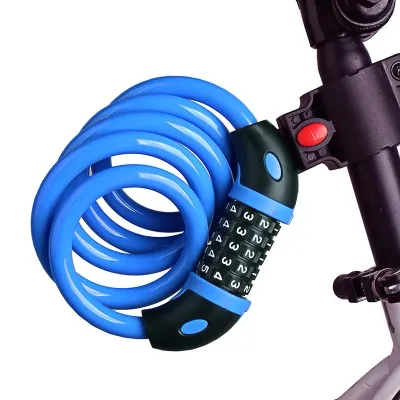
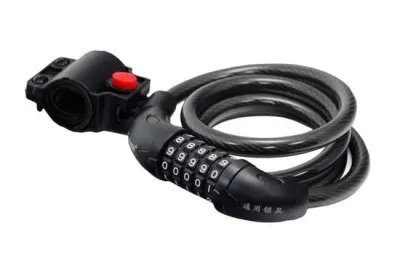
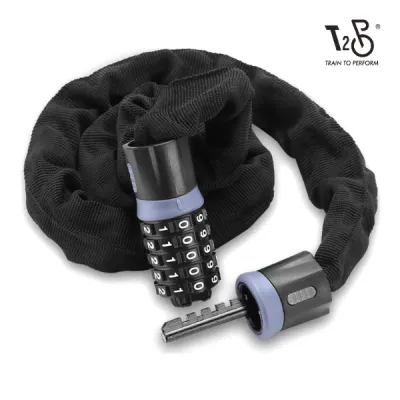
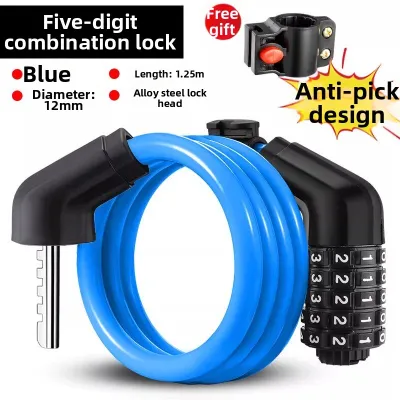
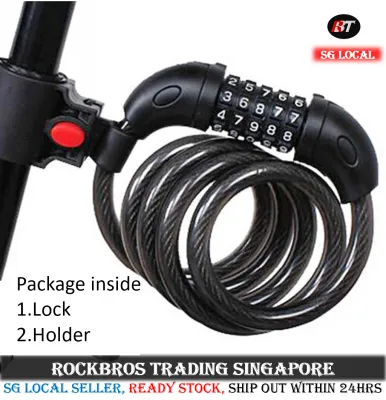
Prices are valid at publication and may change. Please refer to the product page for the latest price.
Portability and carrying methods inversely affect overall security and daily convenience. If a lock is too heavy or awkward to transport, you may find yourself tempted to leave it behind for short trips, leaving your bike entirely unprotected. On the other hand, relying solely on a highly portable but low-security cable lock exposes your bike to quick opportunistic theft. The goal is to find the sweet spot where the lock’s weight does not discourage you from using it, yet its physical strength remains appropriate for the threat level of your parking locations.
Your daily parking infrastructure is the final piece of the puzzle. In Singapore, bicycle parking options vary widely, from dedicated wheel-bender racks and sturdy shelter pillars to metal railings and thick lampposts. A lock with a small, rigid opening might work perfectly on a standard thin metal rack but will be completely useless if you need to secure your frame to a wide concrete pillar or a thick railing. Before choosing a lock, observe the specific fixtures at your regular destinations to ensure the lock’s dimensions can physically span both your bike frame and the anchor point.
U-Locks: Maximum Security with Rigid Limitations
U-locks, also known as D-locks, are widely regarded as the gold standard for high-security bicycle protection. Their primary structural advantage lies in their rigid, hardened steel shackle, which resists common hand tools like hacksaws and small bolt cutters. Many high-quality U-locks feature a double-locking mechanism, meaning the shackle secures into the crossbar at both ends. This design requires a thief to make two distinct cuts to remove the lock, doubling the time and effort needed to breach it, and significantly reducing the effectiveness of leverage attacks.

However, this rigid shape is also the U-lock’s greatest limitation. Because the internal dimensions of the shackle are completely fixed, you have very little margin for error when positioning your bike next to an anchor point. If the post is slightly too wide, or if you cannot park close enough to the rack, the lock will not close. This rigidity makes U-locks highly dependent on standard, thin-profile bike racks, and they can be exceptionally frustrating to use on irregular street furniture or thick railings.
Carrying a U-lock also requires some planning. While many models come with a plastic frame mount that clamps onto your bike’s tubing, these brackets can loosen over time due to road vibrations, or they may not fit frames with non-standard geometry. Many daily commuters prefer to carry their U-lock in a backpack, a pannier bag, or even tucked securely behind a belt. Because U-locks are dense and heavy, finding a stable carrying method that does not interfere with your pedaling motion is essential for a comfortable daily commute.
Chain Locks: Flexible Coverage at the Cost of Weight
Chain locks offer unparalleled flexibility, making them the preferred choice for riders who must secure their bikes to a wide variety of unpredictable objects. A chain lock consists of a series of hardened steel links covered by a protective fabric sleeve, secured by an integrated lock head or a separate padlock. This articulated design allows you to wrap the lock around wide trees, thick utility poles, or multiple bicycles at once. If your daily commute involves parking in areas without dedicated bike racks, the adaptability of a chain lock ensures you can almost always find a secure anchor point.
The major trade-off for this versatility is weight. To provide a level of security comparable to a standard U-lock, a chain lock must use thick, heavy steel links. A robust chain lock can easily weigh several kilograms, making it a substantial burden to carry on a daily basis. Unlike U-locks, chain locks rarely come with convenient frame-mounting brackets. Commuters typically transport them by wrapping them around the seat post, draping them over the top tube, or carrying them inside a heavy-duty backpack. Wrapping a heavy chain around your bike frame can alter the bike’s center of gravity and may lead to balance issues if not secured tightly.
When evaluating a chain lock, pay close attention to the thickness of the individual links and the quality of the protective sleeve. Links with a thickness of less than 8mm are often vulnerable to medium-sized bolt cutters, while links of 10mm or more offer much greater resistance. The fabric sleeve is not just cosmetic; it plays a crucial role in protecting your bicycle’s paintwork from scratches and preventing metal-on-metal clattering during your ride. Ensure the sleeve is made of a durable, weather-resistant material that can withstand the frequent friction of daily locking.
Folding Locks: Compact Portability with Moderate Security
Folding locks represent a modern compromise, designed specifically for urban commuters who prioritize compact storage and neat integration with their bicycle frame. Constructed from a series of hardened steel plates linked together by metal rivets, these locks can be unfolded to form a flexible loop and then folded back down into a remarkably small, rectangular package. Most folding locks include a dedicated plastic or rubber holster that mounts directly to your frame’s water bottle bosses, keeping the lock securely out of the way and rattle-free while you ride.
While folding locks offer excellent portability and a decent level of flexibility, their mechanical design introduces specific vulnerabilities. The rivets and joints that allow the plates to fold are inherently weaker points than a solid, continuous U-lock shackle or a thick, welded chain link. A thief equipped with specialized splitting tools or heavy-duty nut splitters may target these pivot points rather than attempting to cut through the hardened steel plates themselves. Consequently, folding locks generally offer moderate security compared to heavy-duty alternatives of a similar weight.
Because of these structural characteristics, folding locks are ideal for low-to-medium risk scenarios. They are perfect for quick stops outside a convenience store, daytime parking in high-traffic, well-lit areas, or as a secondary lock to secure your front wheel while a primary lock protects the frame. If your daily routine involves leaving an expensive bicycle unattended for long hours in secluded locations, a folding lock should ideally be paired with a more robust security measure rather than used as a standalone defense.
Side-by-Side Comparison Matrix
To help you quickly evaluate the structural differences between these three lock types, the following matrix summarizes their relative performance across key decision-making dimensions:
| Lock Type | Relative Security Level | Weight & Portability | Locking Flexibility | Ideal Commuter Profile |
|---|---|---|---|---|
| U-Lock | High to Very High | Heavy and rigid; requires a frame mount or bag | Low; limited to thin, standard fixtures | Commuters parking in high-risk areas with standard racks |
| Chain Lock | Medium to Very High | Very heavy; must be wrapped or carried in a bag | High; wraps around wide or irregular fixtures | Riders who park in unpredictable locations or secure multiple bikes |
| Folding Lock | Medium | Light to Medium; highly compact with frame holster | Medium; semi-flexible plates | Commuters prioritizing neat storage and quick, low-to-medium risk stops |
How to Choose Based on Your Daily Cycling Routine
To make an final decision, evaluate your daily routine against the specific strengths of each lock type. Your choice should align with where you park, how long your bike remains unattended, and how you prefer to carry your gear.
- Choose a U-lock if your daily commute ends at a location with standard, dedicated bicycle racks (such as modern office buildings or MRT station parking hubs) and you require high-level security for long-duration parking. The rigid shackle will provide excellent peace of mind, provided you verify that the lock's internal dimensions are compatible with the specific racks you use.
- Choose a chain lock if your parking environment is unpredictable, requiring you to lock your bike to thick railings, lampposts, or concrete pillars. The flexibility of the chain links will ensure you are never left without a secure anchor point, though you must be prepared to manage the extra weight during your daily ride.
- Choose a folding lock if you ride a lightweight commuter bike, value a clean frame aesthetic without bulky accessories, and primarily park in low-to-medium risk areas or for short periods. The compact holster mount makes it incredibly convenient for daily transit, allowing you to carry reliable protection without sacrificing your bike's handling.
For high-risk or long-duration parking, consider employing a dual-lock strategy. Combining a primary U-lock (to secure the rear wheel and frame to the anchor) with a secondary folding lock or a heavy-duty cable (to secure the front wheel) dramatically increases the time and tools required for a thief to steal your bicycle. This layered approach is often the most effective deterrent for daily commuters who must leave their bikes unattended for extended periods.
Frequently Asked Questions (FAQ)
Do I need a secondary cable or accessory for my bike lock?
Yes, using a secondary cable or accessory is highly recommended if your bicycle features quick-release wheels or a quick-release seat post. A primary lock, such as a U-lock, typically only secures the frame and one wheel to the anchor point, leaving the remaining components vulnerable to opportunistic theft. By looping a flexible steel cable through your front wheel, threading it through your saddle rails, and securing the ends to your primary lock, you can protect these easily removable parts without needing to carry a second heavy lock.
How should I maintain my bike lock in a humid climate?
In a humid, tropical climate like Singapore’s, metal bike locks are highly susceptible to moisture, road grit, and eventual rust, which can cause the internal locking mechanism to jam. To prevent this, regularly clean the keyway, shackle joints, and folding rivets with a dry cloth to remove accumulated dirt. Avoid using wet household oils or heavy greases, as these attract dust and grime that will eventually clog the mechanism. Instead, apply a dry, PTFE-based lubricant directly into the keyway and moving parts every few months to ensure smooth operation and long-term corrosion resistance.
Community discussion
Share your experience or ask a question. Comments are reviewed before publication.