
Choosing the right bicycle lock is a balancing act between security, portability, and convenience. No single lock type is the perfect fit for every cyclist, as the ideal choice depends on your daily riding habits, where you park, and how much weight you are willing to carry. To make an informed decision, you must weigh how much risk your bike faces against the practical realities of transporting a heavy piece of metal on your daily commute.
As a general rule, U-locks provide the highest baseline security against common hand tools like bolt cutters and hacksaws. Chain locks offer the greatest flexibility, allowing you to anchor your bike to thick pillars, trees, or multiple frames at once. Folding locks represent a modern compromise, collapsing into a compact, rattle-free package that mounts cleanly to your bicycle frame. However, you must accept the physical reality that no portable lock is completely immune to battery-powered angle grinders; a determined thief with power tools can cut through almost any portable security device given enough time.
U-Locks: Rigid Security for High-Risk Parking
U-locks, also frequently referred to as D-locks, are the traditional gold standard for urban bicycle security. Their design consists of a solid, hardened steel shackle that locks into a heavy-duty crossbar. Because of their rigid structure, U-locks are exceptionally resistant to leverage attacks, where a thief inserts a crowbar or pipe to twist the lock until it snaps. High-quality U-locks feature a double-bolting mechanism, meaning the shackle locks on both sides of the crossbar. This design requires a thief to make two distinct cuts with a power tool to free the bicycle, doubling the time and noise required to steal it.
Products mentioned in this guide
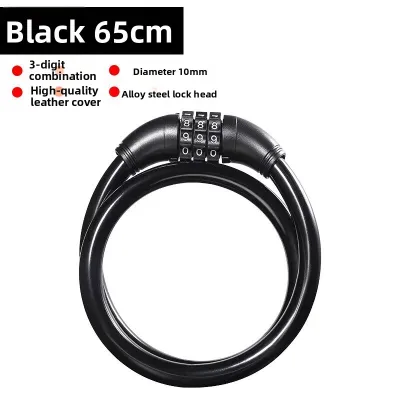
![[SG Ready Stock] 0.65M Bicycle Cable Lock 4-Digit Combination Bike Security Lock for Bicycle Motorcycle Scooter Stroller](https://img.lazcdn.com/g/ff/kf/Se85cd829df8d4871bf827199a3d9efabu.jpg_400x400q80.jpg_.webp)
Prices are valid at publication and may change. Please refer to the product page for the latest price.
When evaluating a U-lock, the thickness of the shackle is your primary indicator of manual tool resistance. Shackles that are 13mm thick or greater generally resist hand-operated bolt cutters, forcing thieves to rely on noisier power tools. Heavy-duty models with shackles measuring 16mm or thicker are virtually immune to manual attacks, though they come with a significant weight penalty.
However, the rigid shape of a U-lock presents distinct transport challenges. Carrying a heavy, fixed-shape metal loop can be awkward. While many manufacturers provide frame-mounting brackets, these plastic mounts can slip, degrade over time, or cause annoying rattles when riding over uneven surfaces. Many daily commuters choose to carry their U-locks in a backpack, a pannier bag, or even tucked securely behind a sturdy belt.
Another critical trade-off is the limited locking radius. Because the shackle cannot bend, you are restricted to parking next to thin, standardized metal structures, such as dedicated bicycle racks or narrow signposts. If you attempt to park near a thick concrete pillar, a wide street lamp, or a mature tree, the U-lock will simply not fit around the anchor. Furthermore, if a public bike rack is crowded or poorly designed, you may struggle to align your bicycle close enough to the metal bar to secure both the frame and the rear wheel.
For cyclists who park their bikes for long hours at high-traffic transit hubs, such as MRT stations, or overnight within HDB void decks, a high-quality U-lock is often the most dependable line of defense. Its sheer physical bulk and reputation for resisting hand tools serve as an immediate visual deterrent to opportunistic thieves.
Chain Locks: Flexible Anchoring for Odd Shapes and Multiple Bikes
Chain locks consist of a series of hardened steel links wrapped in a heavy-duty fabric sleeve, secured by an integrated locking head or a separate padlock. The defining advantage of a chain lock is its superb flexibility. Unlike rigid locks, a chain can wrap around almost any shape, making it easy to secure your bicycle to thick street lights, concrete pillars, railings, or even trees. This adaptability is incredibly valuable in areas where dedicated bicycle parking is scarce or poorly maintained.

From a security standpoint, the shape and thickness of the individual chain links play a vital role. High-security chains utilize square or hexagonal links rather than round ones. These angular profiles make it incredibly difficult for the jaws of a bolt cutter to grip the metal, preventing the tool from crushing and cutting through the link. To resist manual bolt cutters, look for a chain link thickness of at least 10mm. Chains with 12mm or larger links offer exceptional security but are immensely heavy, often weighing upwards of three to five kilograms.
This extreme weight is the primary drawback of a chain lock. Carrying a heavy chain on your body or your bike can significantly alter your riding experience. While some riders wrap the chain around their seat post or wear it across their torso like a sash, doing so can be uncomfortable and poses a safety risk in the event of a sudden fall. Additionally, if the protective fabric sleeve wears out or tears, the exposed steel links will quickly scratch your bicycle frame’s paint and accelerate frame corrosion when exposed to rain.
Despite these transport challenges, chain locks excel in specific scenarios. If you ride a heavy cargo bike, an electric-assist bicycle, or need to lock multiple family bikes together at a single spot, a long chain lock is often the only practical solution. They are also ideal for permanent parking setups; many commuters leave a heavy, high-security chain permanently locked to the bicycle rack at their workplace, eliminating the need to carry the heavy weight back and forth on their daily commute.
Folding Locks: Compact Portability for Commuters
Folding locks are a relatively recent innovation designed specifically to address the portability issues of U-locks and the weight issues of chain locks. Constructed from a series of hardened steel plates connected by heavy-duty metal rivets, these locks fold down into a compact, rectangular package. When unfolded, they behave similarly to a chain, providing a semi-flexible loop that can wrap around a variety of anchoring points.
The standout feature of a folding lock is its exceptionally neat storage. Most folding locks come with a dedicated rubberized holster that mounts directly to your bicycle frame’s water bottle cage braze-ons. Because the holster holds the folded plates tightly, the lock does not rattle, sway, or interfere with your pedaling motion. This makes folding locks highly popular among road cyclists, gravel riders, and minimalist commuters who want to keep their bicycle frames clean and aerodynamic.
In terms of security, the flat steel plates of a folding lock are highly resistant to manual bolt cutters. Because the plates are wide and flat, the cutting jaws of a bolt cutter cannot get a clean purchase on the material, causing the tool to slip off. However, the articulated joints and rivets represent a unique structural vulnerability. A thief equipped with specialized tools, such as a heavy-duty nut splitter, a specialized drill, or a long crowbar, can target the pivot rivets. By applying immense twisting leverage to a single joint, they may be able to pop the rivet and separate the plates.
Additionally, while folding locks offer more reach than a standard U-lock, their locking radius is still somewhat restricted by the length of the individual plates. They cannot wrap around highly irregular or exceptionally wide structures as easily as a long, flexible chain lock. You must still park relatively close to your selected anchor to close the loop successfully.
For riders who prioritize a lightweight, rattle-free setup and typically park in moderate-risk areas—such as well-lit office basements, monitored parking garages, or quick stops along the Park Connector Network (PCN)—a folding lock offers an outstanding balance of convenience and everyday protection.
Head-to-Head Comparison: Security, Weight, and Usability
To help you visualize how these three lock types stack up against one another, the table below compares their performance across key practical categories. Keep in mind that within each category, individual lock models can vary based on their specific material thickness and build quality.
| Feature | U-Lock | Chain Lock | Folding Lock |
|---|---|---|---|
| Resistance to Hand Tools | High to Very High (13mm+ shackles resist manual cutters) | Moderate to Very High (Depends heavily on link thickness) | Moderate to High (Plates resist cutters; rivets are vulnerable) |
| Vulnerability to Leverage | Very Low (Rigid structure resists twisting and jacks) | Extremely Low (Flexible links cannot be easily pried apart) | Moderate (Rivets can be targeted with twisting attacks) |
| Portability & Weight | Moderate (Awkward shape; brackets can rattle) | Low (Very heavy; difficult to carry without a bag) | High (Folds compactly; mounts cleanly to bottle cages) |
| Locking Radius & Flexibility | Low (Requires thin, standard metal racks) | High (Wraps around pillars, trees, and multiple frames) | Moderate (Semi-flexible; requires close proximity) |
| Frame Mounting Convenience | Moderate (Brackets are often bulky or slip over time) | Low (Rarely comes with a frame mount; must wrap or bag) | High (Holsters mount securely to bottle cage bolts) |
When reviewing these options, it is vital to understand that upgrading to a thicker, heavier version of any lock type will improve its security profile but will exponentially decrease its portability. Do not rely solely on vague marketing terms like “maximum security” or “ultra-tough.” Instead, always check the physical specifications. Look for the exact steel thickness (in millimeters) and independent security certifications, such as Sold Secure ratings, to verify the lock’s true defensive capabilities before buying.
The Decision Framework: Match the Lock to Your Riding Routine
To select the perfect lock, you must look beyond the hardware and evaluate your typical riding routes, parking locations, and bicycle value. Use the following scenario-based rules to identify which lock type aligns with your daily routine.
Choose a U-Lock if:
- You commute daily to high-traffic public transit hubs, such as major MRT stations, where bikes are left unattended for hours.
- You park your bicycle overnight in public areas, HDB void decks, or unmonitored residential corridors.
- You have consistent access to standard, thin metal bicycle racks or sturdy metal railings.
- You prioritize maximum physical theft deterrence and are comfortable carrying the lock in a backpack or pannier.
Choose a Chain Lock if:
- You ride a heavy electric bicycle, a cargo bike, or a specialized commuter bike that is difficult to lift close to a standard rack.
- You frequently need to lock multiple family bicycles together or secure your bike to thick concrete pillars, wide lampposts, or trees.
- You want a lock that you can leave permanently secured to a fixed rack at your workplace or school, saving you from carrying the weight daily.
- You are willing to accept a heavy carrying weight in exchange for absolute locking versatility.
Choose a Folding Lock if:
- You are a road, gravel, or leisure cyclist who frequently rides long distances on the Park Connector Network (PCN) and wants to keep weight to a minimum.
- You park primarily in low-to-moderate-risk areas, such as access-controlled office basements, indoor gym parking, or well-lit cafe patios during short daytime stops.
- You hate frame rattles and want a compact lock that mounts cleanly to your water bottle cage bolts without affecting your bike's handling.
- You value quick deployment and neat storage above heavy-duty security.
Verify Your Setup First
Before finalizing your purchase, verify if you need a secondary locking method. A single primary lock—whether a U-lock, chain, or folding lock—typically only secures the bicycle frame and one wheel. If your bicycle features quick-release wheels or an expensive saddle, these components can be stolen in seconds without tools. Consider pairing your primary lock with a secondary lightweight cable, gravity-locking skewers, or a secondary folding lock to secure your wheels and components.
Beyond the Hardware: Essential Techniques to Secure Your Bike
Even the most expensive, high-security lock can fail to protect your bicycle if it is applied incorrectly. Proper locking technique is just as critical as the hardware you choose. By understanding how thieves target bicycles, you can use smart locking habits to make your bike an unappealing target.
First, always observe the golden rule of bicycle security: secure both the frame and the rear wheel to an immovable object. The rear wheel is the most expensive single component on your bicycle besides the frame, and it is incredibly easy to remove if left unsecured. When using a U-lock, try to capture the rear wheel inside the rear triangle of the frame and lock it directly to the anchor. This method secures both the frame and the wheel with a single lock.
Second, carefully inspect your chosen anchor before locking your bike. Ensure that the metal pole, fence, or rack is firmly bolted to the ground and cannot be easily lifted, unbolted, or cut. Avoid locking your bike to short signposts where a thief could simply lift the entire locked bicycle over the top of the post. Similarly, avoid thin chain-link fences or wooden railings that can be quietly cut through with simple hand tools in seconds.
Third, pay close attention to the positioning of your lock. Always keep the locking mechanism and keyway elevated off the ground. If a lock or chain is resting on the pavement, a thief can use the solid ground as an anvil, striking the lock with a sledgehammer or using body weight on a long bolt cutter to gain maximum leverage. Keeping the lock high off the ground deprives them of this leverage.
Finally, aim for a tight, snug fit. Minimize the amount of empty space inside the perimeter of your U-lock or folding lock. A lock that is tightly packed around the frame, wheel, and anchor leaves very little room for a thief to insert a hydraulic bottle jack, crowbar, or other leverage tools. The harder it is to insert a tool into the lock’s loop, the less likely a thief is to attempt the theft.
Frequently Asked Questions (FAQ)
Are cable locks a viable alternative for daily commuting?
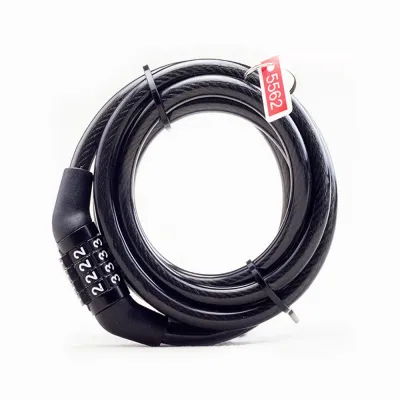
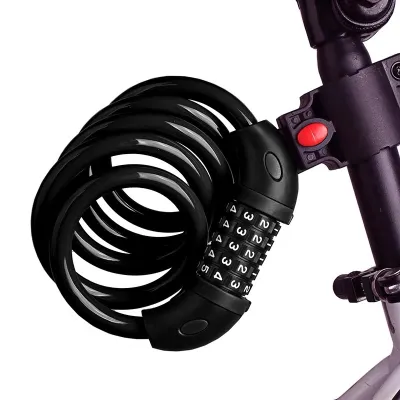
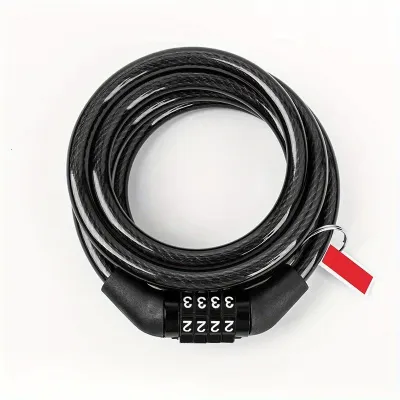
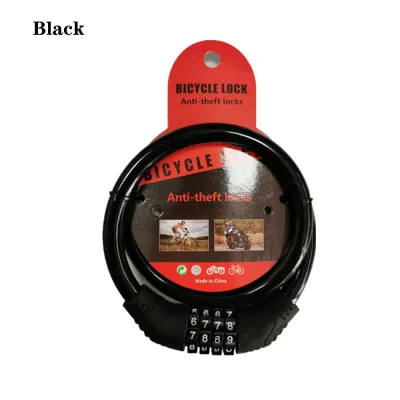
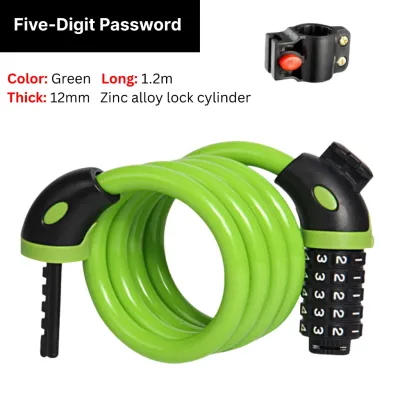
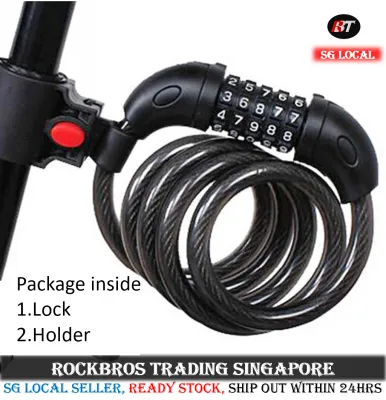
No, standard cable locks are not a viable primary security option for daily commuting. Most cable locks consist of thin braided steel wires encased in plastic, which can be cut through silently in less than five seconds using basic, pocket-sized wire cutters. They offer almost zero resistance to determined thieves. Cable locks should only be used as a secondary tether to secure low-value accessories, such as your helmet or a quick-release front wheel, in tandem with a heavy-duty primary U-lock, chain, or folding lock.
How do I prevent my bicycle lock from jamming in a humid climate?
In highly humid or tropical climates like Singapore, bicycle locks are highly susceptible to internal corrosion, road grit accumulation, and eventual jamming. To prevent this, you must perform regular maintenance. Clean the keyway and moving joints every few months by spraying them with a dedicated, dry PTFE-based lubricant. This type of lubricant displaces moisture and leaves a dry protective barrier. Avoid using wet, sticky household oils or heavy greases; these substances attract dust, sand, and road grime, which quickly combine with humidity to create a thick paste that will permanently jam the lock’s internal tumblers.
Community discussion
Share your experience or ask a question. Comments are reviewed before publication.