
The Short Answer: Matching Lock Types to Your Cycling Routine
Finding the right bicycle lock is not about searching for a single, universally perfect option. Instead, the ideal choice depends on a careful balance of security, weight, and the types of physical anchors available along your typical riding routes.
For high-risk urban stops where a bicycle is left unattended for hours, a heavy-duty U-lock provides the most rigid physical defense. If your daily commute requires securing your frame to thick street pillars, wide railings, or irregular fixtures, a flexible chain lock offers the necessary reach. For recreational riders navigating the Park Connector Network who prioritize a clean frame aesthetic and lightweight carrying, a compact folding lock serves as an excellent middle ground.
Core Comparison Dimensions for Bicycle Locks
Before selecting a lock, it is essential to understand the core engineering and practical dimensions that dictate how a lock performs in real-world scenarios. Evaluating these criteria helps prevent common purchasing mistakes, such as buying a lock that is too heavy to carry comfortably or too small to fit around local parking fixtures.
Products mentioned in this guide
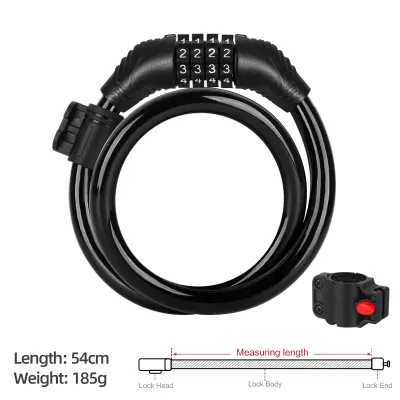
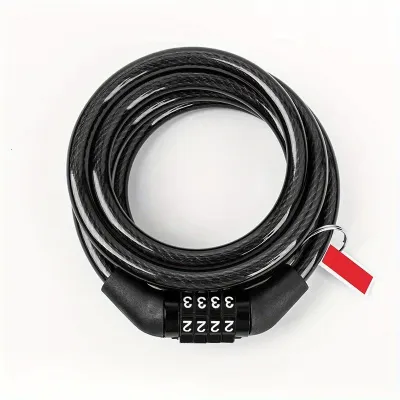
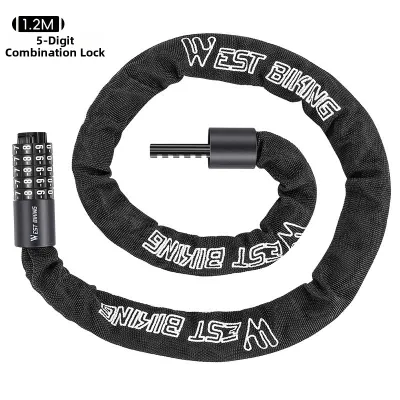
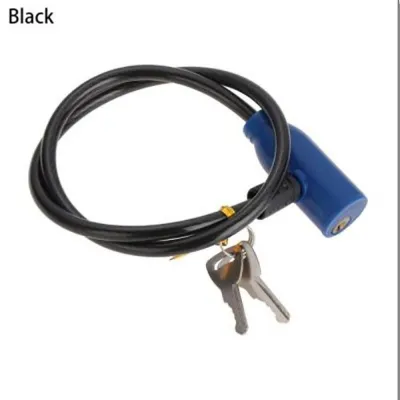
Prices are valid at publication and may change. Please refer to the product page for the latest price.

Security and Cut Resistance
A lock’s primary job is to delay and deter theft attempts. Physical defense relies heavily on material science, specifically the thickness and hardening process of the steel used in the shackle, links, or plates. Hardened steel is designed to resist manual hand tools like hacksaws and bolt cutters, forcing potential thieves to use loud, conspicuous power tools like angle grinders.
When evaluating security, avoid relying solely on manufacturer-defined security scales, which are subjective and vary between brands. Instead, look for independent security rating labels on the product packaging, such as certifications from recognized global testing houses. These independent ratings provide an objective assessment of how long a lock can withstand standardized physical attacks.
Portability and Mounting Options
A highly secure lock is only useful if you actually bring it with you on your ride. Portability is determined by both the total weight of the lock and how it attaches to your bicycle during transit. Heavy locks can alter the handling of your bicycle if they are not mounted correctly, making the physical effort of climbing hills or riding long distances more noticeable.
U-locks and folding locks typically include dedicated frame brackets that bolt directly to bottle cage mounts or strap onto the frame tubes. This keeps the weight centered and prevents the lock from rattling. Chain locks, due to their shifting links and substantial weight, are rarely suited for frame brackets; they are best transported inside a pannier bag, a backpack, or wrapped securely around a rear cargo rack.
Locking Versatility and Anchor Compatibility
The physical environment where you park determines the shape of the lock you need. Rigid U-locks have fixed internal dimensions, which can limit your options when trying to secure your bicycle to wide lamp posts, thick railings, or crowded public racks. If the shackle cannot span the distance between your frame, wheel, and the anchor, the lock cannot be closed.
In contrast, chain locks and folding locks offer articulated flexibility. This allows you to wrap the lock around irregular shapes and larger fixed objects that a rigid shackle cannot manage. This versatility is particularly valuable in older urban areas or residential estates where dedicated bicycle racks may not always be available.
U-Locks: Maximum Rigidity for High-Risk Stops
U-locks, also known as D-locks, are characterized by a rigid steel shackle that locks into a solid crossbar. This structural design is inherently resistant to leverage attacks, as there are no moving joints or links for a thief to insert a pry bar. The tight internal space of a properly fitted U-lock leaves very little room for hydraulic jacks or other splitting tools to operate.
To maximize the security of a U-lock, look for models featuring a double-locking shackle. This mechanism secures both ends of the U-shaped bar into the crossbar independently. A double-locking design requires a thief to make two distinct cuts with a power tool to remove the lock, doubling the time and noise required to complete the theft.
The primary limitation of the U-lock is its rigid, uncompromising shape. Before purchasing, you must measure your bicycle frame’s clearance and consider the dimensions of the anchors you plan to use. A shackle that is too small will limit your parking options, while a shackle that is too large creates excess open space, making it easier for tools to be inserted for leverage attacks.
Chain Locks: Flexible Security for Fixed Anchors
Chain locks consist of a series of hardened steel links secured by a integrated locking head or a separate heavy-duty padlock. The main advantage of a chain lock is its extreme flexibility, allowing you to secure the bicycle frame and both wheels to wide pillars, trees, or awkwardly shaped street furniture. This makes them highly adaptable for unpredictable parking situations.
When choosing a chain lock, the thickness of the individual links is the most critical security factor. Links made from specially treated, hardened steel alloys are designed to deform rather than snap under pressure, resisting bolt cutters effectively. However, this robust construction comes with a significant weight penalty, often making chain locks the heaviest option on the market.
To manage this weight, many riders use heavy chain locks as stationary security, leaving them locked to a permanent rack at their workplace or residential void deck. For mobile use, ensure the chain comes with a durable, weather-resistant fabric sleeve. This sleeve not only protects the steel links from the elements but also prevents the heavy metal from scratching your bicycle’s paintwork during transit.
Folding Locks: Compact Convenience for Commuters
Folding locks bridge the gap between the rigidity of U-locks and the flexibility of chain locks. They are constructed from a series of flat steel plates joined together by heavy-duty metal rivets. This articulated design allows the lock to fold down into a compact, rectangular package that sits neatly in a low-profile frame holster.
This compact footprint makes folding locks highly popular among commuters and recreational riders who want to keep their bicycle frames uncluttered. The holster mounts flush against the frame, keeping the center of gravity low and eliminating the rattling noises often associated with carrying locks on uneven paths or park connectors.
While highly convenient, the joints and rivets of a folding lock represent potential vulnerability points. A manual attack using specialized splitting tools can target these pivot points. To mitigate this risk, verify the manufacturer’s specifications regarding rivet hardening and drill resistance, and reserve folding locks for low-to-moderate risk areas or shorter daytime stops.
Quick Comparison Matrix
| Lock Type | Primary Strength | Main Limitation | Best Carrying Method | Ideal Anchor Type |
|---|---|---|---|---|
| U-Lock | High leverage resistance, double-locking security | Rigid, fixed dimensions limit anchor choices | Dedicated frame bracket | Standard thin metal bike racks, signposts |
| Chain Lock | High flexibility, wraps around irregular shapes | Heavy and bulky to transport | Pannier bag, backpack, or rear rack | Wide pillars, thick railings, trees |
| Folding Lock | Extremely compact, neat frame integration | Rivets are potential physical weak points | Low-profile frame holster | Medium-width posts, standard bike racks |
How to Choose: Decision Framework for Your Next Ride
Selecting the right lock requires analyzing your specific riding habits, parking locations, and bicycle type. Use the following profiles to identify the best match for your routine.
Choose a U-Lock if:
- You regularly park your bicycle in high-traffic urban areas, public transport interchanges, or school campuses for extended periods.
- Your typical routes have dedicated, standardized bicycle parking racks available.
- You want the highest level of physical deterrence and do not mind a slightly rigid carrying format.
Choose a Chain Lock if:
- You frequently need to lock your bicycle to non-standard anchors like wide concrete pillars, thick railings, or multiple bikes at once.
- You ride a cargo bike or utility bike with ample storage space, such as a pannier or front basket, to carry heavy gear easily.
- You are setting up a permanent locking station at your workplace or home and do not need to transport the lock daily.
Choose a Folding Lock if:
- You primarily ride for fitness or leisure along the Park Connector Network and want a lightweight, rattle-free carrying solution.
- You park in low-to-moderate risk areas, such as supervised office parking bays or well-lit, busy cafes during short stops.
- You value a clean bicycle aesthetic and prefer a lock that folds away discreetly into a frame-mounted holster.
Verify First Before Checkout:
- Measure your frame clearance: Ensure the lock's bracket will fit within your frame triangle without interfering with water bottles or your pedaling stroke.
- Check the weight: Consider whether you are comfortable carrying a lock that may weigh anywhere from 1 kg to over 3 kg on longer rides.
- Look for independent certifications: Confirm the lock has been tested and rated by an independent security organization rather than relying solely on brand marketing.
Essential Security Practices Beyond the Lock Itself
Even the most robust lock can fail if it is applied incorrectly. To maximize your bicycle’s security, always secure the lock through the main frame triangle and at least one wheel, preferably the rear wheel, which is more expensive to replace. Securing both the frame and a wheel ensures a thief cannot simply leave the locked frame behind or walk away with your quick-release wheels.
Always position your lock as high off the ground as possible, with the keyhole facing downward. Keeping the lock off the pavement prevents thieves from resting a manual bolt cutter against the ground to gain extra leverage. Facing the keyhole downward also protects the locking cylinder from rain, dirt, and debris, reducing the risk of corrosion over time.
Finally, take a clear photograph of your bicycle and record its unique serial number, which is typically stamped on the underside of the bottom bracket shell. Registering this serial number with local community databases or official bicycle registries is a crucial step. If your bicycle is ever lost or stolen, this registered number serves as definitive proof of ownership and significantly aids recovery efforts.
Frequently Asked Questions (FAQ)
Can I use a cable lock as my primary bicycle lock?
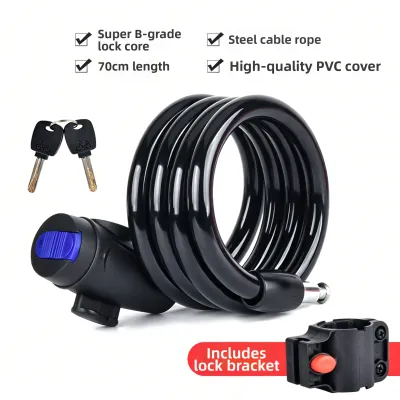
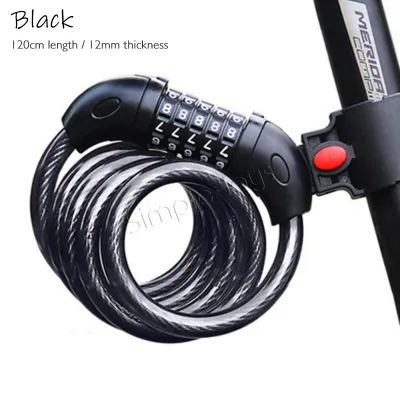
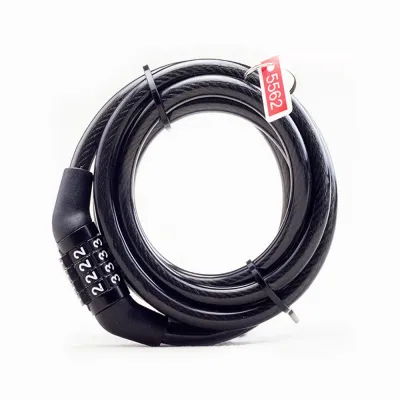
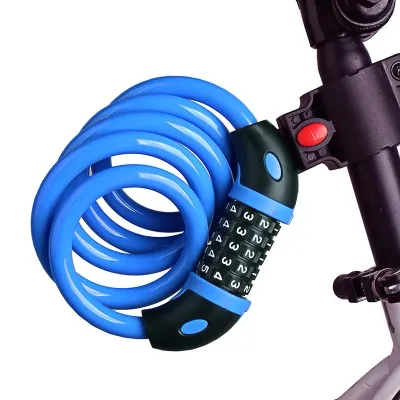
Standard cable locks should not be used as your primary security measure. The thin steel wires inside a cable lock offer minimal resistance and can be severed silently in seconds using basic, pocket-sized wire cutters. Cable locks are best used as secondary security to secure accessories like your helmet or front wheel, or as a brief visual deterrent in highly supervised, low-risk environments where you never lose sight of your bicycle.
How do I verify a lock's independent security rating?
To verify a lock’s security rating, look for official certification decals printed directly on the product packaging or engraved on the lock body. Recognized independent testing bodies, such as Sold Secure, rate locks into categories like Bronze, Silver, Gold, or Diamond based on their resistance to specific tools and attack times. You can cross-reference the exact model name on the official website of the testing organization to confirm its current certification status before making a purchase.
Community discussion
Share your experience or ask a question. Comments are reviewed before publication.