
Selecting the right bicycle lock is the most critical decision you can make to protect your investment from opportunistic and targeted theft. Whether you ride a lightweight road bike, a robust commuter hybrid, or a high-end electric bicycle, your security setup dictates where and how long you can safely leave your frame unattended. The ideal locking mechanism must balance robust physical resistance with the practical realities of your daily route, including weight, carrying convenience, and weather exposure.
To determine which lock type fits your routine, identify your primary parking environment and the value of your bicycle. U-locks (also known as D-locks) generally offer the best balance of high-security resistance and manageable portability for daily commuters and high-risk urban parking. Chain locks provide the highest level of flexibility, making them the optimal choice when you need to secure your frame to thick, irregular, or wide fixed anchors, provided you can comfortably manage the extra physical weight. Cable locks, because of their structural vulnerability, should only be used as secondary locks to secure quick-release components like wheels and saddles, or for very brief, low-risk stops where the bicycle remains within your immediate line of sight.
- Choose a U-lock if you park in high-risk areas, require a lock that mounts directly to your frame, and routinely lock to standard public bicycle racks.
- Choose a chain lock if you need to secure your bike to wide posts, trees, or multiple frames simultaneously, and do not mind carrying the extra weight in a bag or wrapped securely around your seat post.
- Choose a cable lock only as a secondary deterrent to protect accessories, or for short stops where you are never more than a few steps away from your bicycle.
Comparing the Big Three: Choosing the Right Bicycle Lock for Your Ride
Understanding the physical characteristics, structural advantages, and inherent trade-offs of each lock category is essential to making an informed investment. Bicycle locks are not designed to be completely indestructible; rather, they are engineered to delay a thief, forcing them to use loud, conspicuous, or highly specialized tools. The three primary lock families—U-locks, chain locks, and cable locks—each approach this engineering challenge with distinct compromises in material distribution, flexibility, and weight.
Products mentioned in this guide
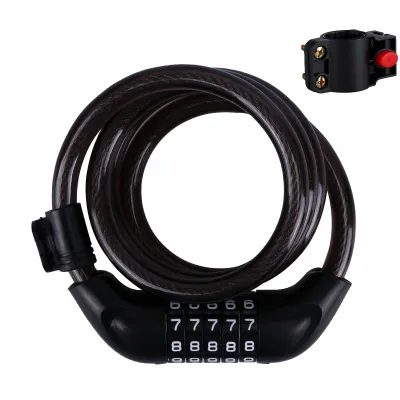
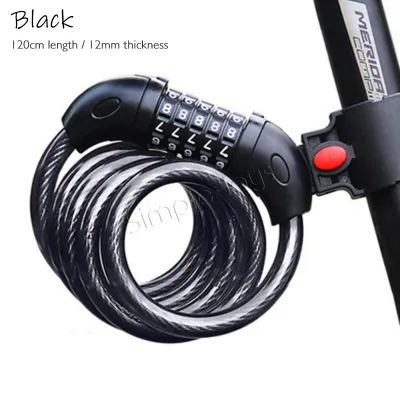
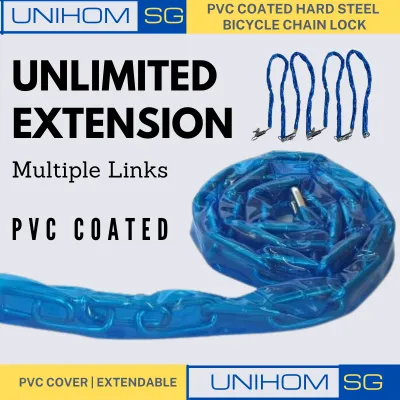
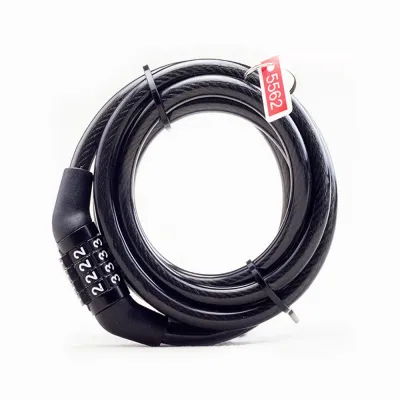
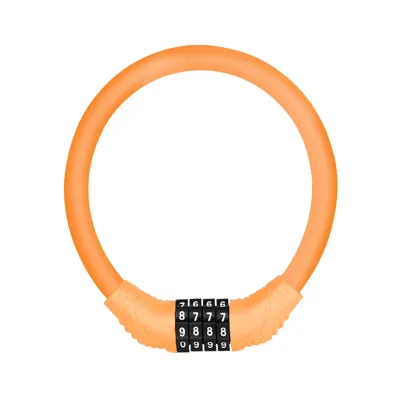
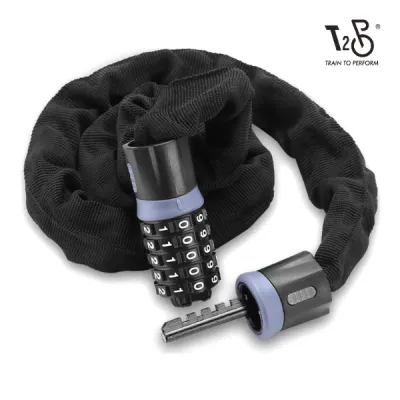
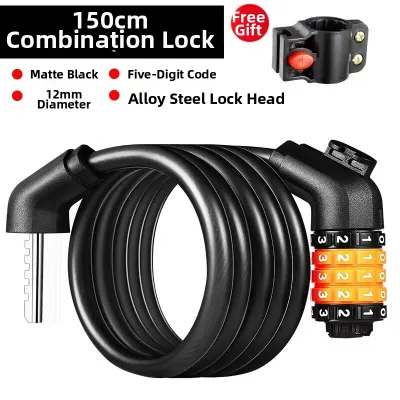
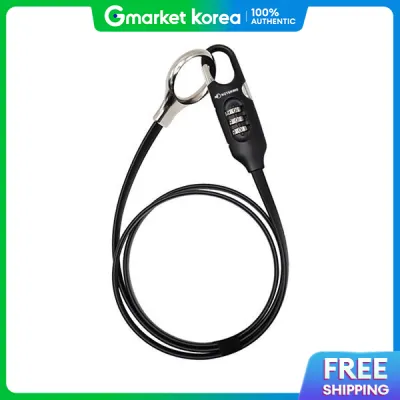
Prices are valid at publication and may change. Please refer to the product page for the latest price.
U-Locks (D-Locks): Maximum Security with Rigid Portability
U-locks feature a rigid, hardened steel shackle that locks into a solid crossbar, forming a distinct “U” or “D” shape. This solid-steel construction is highly resistant to common hand tools, including manual bolt cutters, hacksaws, and prying tools. Because the shackle is rigid, a thief attempting to break the lock with a crowbar or leverage bar must find enough open space within the lock’s interior to twist it, which is why choosing a snug fit is a key security strategy.
From a portability standpoint, U-locks are relatively compact and easy to transport. Many manufacturers include dedicated mounting brackets that bolt directly to the bicycle frame’s water bottle bosses or clamp onto the frame tubes. This allows you to carry the lock securely without adding weight to your personal backpack or panniers, keeping the bicycle’s center of gravity stable during your ride.
However, the rigid shape of a U-lock is also its primary limitation. The fixed dimensions restrict the types of anchors you can use to secure your bicycle. If a public rack is unavailable, you may find it difficult or impossible to fit the rigid shackle around thick street lamp posts, utility poles, or wide railings. This requires you to plan your parking locations carefully, ensuring they feature standard-sized metal racks or thin-profile barriers.
Chain Locks: Flexible Security for Fixed Anchors
Chain locks consist of a series of heavy-duty, hardened steel links wrapped in a tough fabric, nylon, or neoprene sleeve. The primary purpose of this outer sleeve is to protect your bicycle’s paint and frame finish from scratches and chips as you wrap the heavy metal links around the tubing. The links themselves are typically engineered with square, hexagonal, or trapezoidal cross-sections, which make it extremely difficult for the jaws of manual bolt cutters to grip and cut through the metal.
The defining advantage of a chain lock is its flexibility. Unlike rigid U-locks, a chain can be woven through tight spaces, wrapped around wide structures like telephone poles or mature trees, and used to secure multiple bicycles together. This flexibility makes chain locks highly versatile for riders who frequently park in non-traditional environments where standard bicycle racks are scarce or poorly designed.
This versatility comes with a significant trade-off: weight and bulk. High-security chain locks are exceptionally heavy, often weighing between two and five kilograms depending on the link thickness and overall length. This mass makes them difficult to carry directly on a lightweight bicycle frame. Most riders must transport heavy chains in a backpack, a dedicated pannier bag, or wrapped tightly around the seat post, which can alter the handling characteristics of the bicycle and increase rider fatigue over long distances.
Cable Locks: Lightweight Convenience for Low-Risk Stops
Cable locks are constructed from braided steel wires encased in a protective PVC or plastic coating. This design results in an extremely flexible, lightweight, and highly packable lock that can be coiled tightly and stored in a small saddlebag, pocket, or wrapped around the bicycle frame. Because of their flexibility, cable locks are incredibly easy to use, allowing you to quickly loop the cable through both wheels, the frame, and any nearby anchor point.
Despite their convenience, cable locks offer the lowest level of physical security among the three major lock types. The braided steel construction, while strong against simple pulling forces, is highly vulnerable to basic hand tools. A thief equipped with standard wire cutters, hand-held cable cutters, or a small pair of bolt cutters can sever a typical cable lock in a matter of seconds, often without making any noticeable noise.
Consequently, cable locks are inadequate as a primary security solution in unattended, high-risk, or overnight parking environments. Their practical utility is strictly limited to low-risk scenarios. They serve well as a secondary lock to secure quick-release front wheels or saddles while a primary U-lock secures the frame, or as a temporary visual deterrent during brief stops where the bicycle remains within your direct line of sight, such as outside a convenience store or cafe.
Key Decision Dimensions: Security, Weight, and Portability
Selecting the right bicycle lock requires balancing three competing performance factors: physical security, total weight, and ease of transport. Improving one of these dimensions almost always requires a compromise in another. For instance, increasing the security of a lock requires thicker, denser steel, which directly increases its weight and reduces its portability.

Security
Physical security is determined by the lock’s resistance to cutting, leverage, and lock-picking attacks. Hardened steel shackles and links resist manual hand tools, but their effectiveness depends heavily on material thickness. As a general rule, steel diameters under 12mm are vulnerable to medium-sized manual bolt cutters, while diameters of 13mm to 16mm or greater typically require heavy-duty hydraulic cutters or power tools like angle grinders to defeat.
Lock-picking resistance is determined by the internal locking cylinder. Disc detainer mechanisms are highly resistant to picking and bumping, making them the standard choice for high-security locks. Traditional pin-tumbler cylinders are more vulnerable to lock-picking tools and require more care when selecting a lock for high-theft urban environments.
Weight
Weight directly impacts your riding performance, acceleration, and carrying comfort. A heavy lock adds to the total mass you must propel up hills and maneuver through traffic. If you carry a heavy lock in a backpack, it can cause shoulder strain and increase perspiration, especially in warm climates. Mounting a heavy lock to your bicycle frame keeps the weight off your body, but it can still affect the balance and handling of a lightweight road or folding bicycle.
Portability
Each lock type demands a different transport strategy. U-locks are highly portable when paired with a reliable frame bracket, but they can rattle or shift if the bracket is poorly designed. Chain locks are the most difficult to transport comfortably, requiring a dedicated bag or a secure wrapping technique that does not interfere with your legs or the bicycle’s moving drivetrain. Cable locks excel in portability, easily coiling into compact shapes that fit almost anywhere.
| Lock Type | Relative Security Level | Weight Profile | Portability | Best Use Case |
|---|---|---|---|---|
| U-Lock (D-Lock) | High to Very High | Moderate (0.9 kg – 2.0 kg) | Good (via frame mounts or brackets) | Daily commuting, urban transit hubs, and long-term parking. |
| Chain Lock | Medium to Very High | Heavy (1.8 kg – 5.0+ kg) | Fair to Poor (requires bag or wrapping) | Securing to irregular anchors, locking multiple bikes, or home storage. |
| Cable Lock | Low | Very Lightweight (0.3 kg – 0.8 kg) | Excellent (self-coiling, fits in small pockets) | Secondary component security or very brief, attended stops. |
Matching Your Lock to Your Cycling Routine
To make a practical decision, you must evaluate where you ride, where you park, and how long your bicycle will be left unattended. Different cycling routines present distinct risk profiles, and your security strategy should match these specific environments.
High-Risk and Long-Term Parking
If your routine involves parking your bicycle at major transit hubs, such as MRT stations, commercial shopping districts, or busy public plazas for several hours, you are operating in a high-risk environment. Thieves in these areas often have the time and cover of crowd movement to target locked bicycles. Under these conditions, you should never rely on a cable lock.
Instead, equip your bicycle with a robust, high-security U-lock with a shackle thickness of at least 13mm to 14mm. For maximum protection, consider a dual-lock system: use a heavy-duty U-lock to secure the rear wheel and frame to the metal rack, and run a secondary chain or cable lock through the front wheel. This setup forces a thief to use multiple tools and spend twice as much time to steal the bicycle, which acts as a powerful visual deterrent.
Recreational and PCN Stops
For recreational riders who primarily utilize the Park Connector Network (PCN) or local park trails, parking is usually brief and spontaneous. Stops at trailside cafes, restrooms, or hawker centres along the PCN generally keep you close to your bicycle, and the parking duration is typically short.
In these scenarios, a lightweight, compact U-lock or a high-quality, reinforced cable lock may suffice. Because the bicycle is rarely left unattended for more than a few minutes and is usually within your line of sight, the lock’s primary role is to prevent “grab-and-go” opportunistic theft. A lightweight lock allows you to enjoy your recreational ride without carrying unnecessary, heavy metal links.
Residential and HDB Parking
Securing your bicycle at home, particularly in residential estates or designated HDB void deck bicycle racks, presents unique challenges. Outdoor or semi-sheltered residential racks expose your bicycle and its lock to the elements for extended periods, making weather resistance as important as physical security.
When parking overnight or long-term in residential areas, use a heavy-duty chain lock or a thick U-lock. Ensure the lock is rated for outdoor durability to withstand high humidity and frequent rain. Additionally, inspect the HDB rack or metal anchor point itself before locking; ensure it is securely bolted or welded to the concrete floor, as a high-security lock is useless if the anchor point can be easily dismantled or cut.
Essential Features to Verify Before You Buy
Before purchasing a bicycle lock, look past marketing claims and verify the technical specifications of the product. High-quality manufacturers provide detailed information about materials, internal mechanisms, and independent testing certifications.
- Material and Thickness: Verify that the lock is made of hardened steel, which is treated to resist sawing and cutting. For U-locks, look for a shackle thickness of at least 13mm. For chain locks, look for link diameters of 8mm or greater for moderate security, and 10mm to 12mm for high-security applications.
- Locking Mechanism: Choose locks featuring a double-locking shackle. A double-locking mechanism secures both ends of the U-shackle in the crossbar, requiring a thief to cut through both sides of the shackle to remove the lock. Additionally, prioritize disc detainer key cylinders, which are significantly harder to pick than standard pin-tumbler or wafer locks.
- Independent Security Ratings: Look for third-party testing certifications printed on the packaging. Organizations like Sold Secure (which rates locks as Bronze, Silver, Gold, or Diamond) and ART (which uses a star rating system) subject locks to rigorous, standardized attacks using real-world tools. A Sold Secure Gold or Diamond rating indicates excellent resistance to aggressive attack methods.
- Weather and Rust Resistance: In humid, tropical climates, moisture can quickly corrode internal locking mechanisms, causing keys to stick or seize. Verify that the lock features rust-resistant coatings, a protective dust cover or sliding shutter for the keyway, and a weather-resistant plastic or vinyl sleeve over the body to prevent water entry.
Frequently Asked Questions (FAQ)
Can I use a cable lock as my primary bicycle lock?
No, you should not use a cable lock as your primary security device. Cable locks can be cut in seconds using simple, pocket-sized hand tools. They do not provide adequate protection for unattended or overnight parking, and should only be used as a secondary lock to secure accessories or during very brief stops where the bicycle remains in your sight.
How do I carry a heavy U-lock or chain lock while riding?
To carry a heavy U-lock, use a dedicated frame mounting bracket that bolts to your frame’s bottle cage mounts, keeping the weight low and centered. For heavy chain locks, transport them inside a backpack or a secure pannier bag. Alternatively, wrap the chain tightly around your seat post, ensuring the loose end is securely locked and cannot slip down to interfere with your rear wheel, chain, or pedals.
What is the best way to lock a bicycle to prevent theft?
Always secure your bicycle frame and the rear wheel to a solid, immovable metal anchor point. Position the lock high off the ground with the keyway facing downward; this makes it harder for a thief to use the ground for leverage when using bolt cutters, and protects the key cylinder from falling rain. Never lock only the front wheel, and avoid anchoring to low posts where the locked bicycle can simply be lifted over the top.
Community discussion
Share your experience or ask a question. Comments are reviewed before publication.