
Selecting the right running belt for Singapore’s tropical climate requires balancing gear storage with thermal comfort. When running along park connectors or nature trails in high humidity, a poorly ventilated belt quickly turns into a heavy, sweat-soaked band that traps body heat and causes painful chafing. Deciding whether an Ultimate Direction running belt or a competing brand offers superior breathability depends heavily on the specific model’s material composition, structural design, and contact area with your skin.
In Singapore’s hot and humid environment, where relative humidity frequently exceeds 80 percent, sweat cannot evaporate efficiently from your skin. True breathability in a running belt is determined by the ratio of open-weave mesh to solid synthetic fabrics, alongside how much physical surface area the belt covers on your waist.
Ultimate Direction models engineered with high-airflow mesh panels generally excel in direct ventilation, allowing air to pass through the fabric to cool your skin. Conversely, competing tubular belts or minimalist elastic designs offer alternative sweat-management strategies, such as high-surface-area capillary wicking or ultra-minimal skin contact. To make the best choice, you must look beyond brand reputation and verify specific fabric technologies, mesh density, and structural layouts.
Products mentioned in this guide
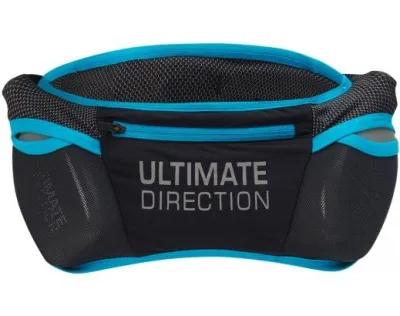
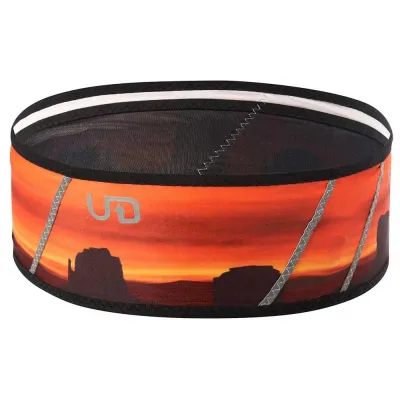
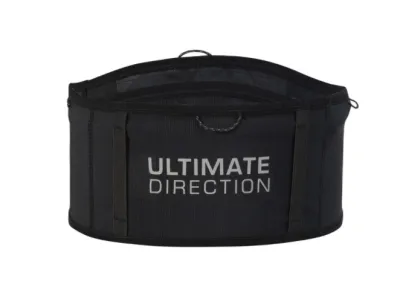
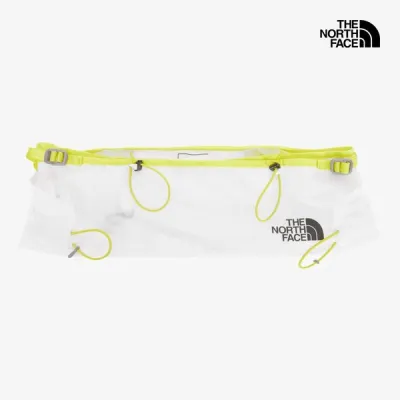
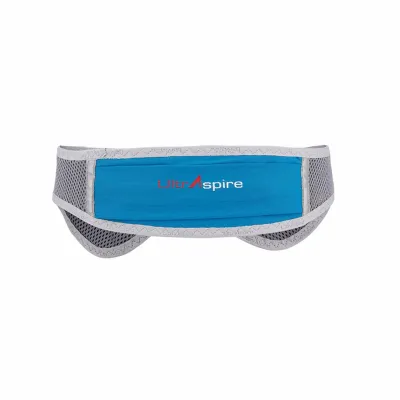
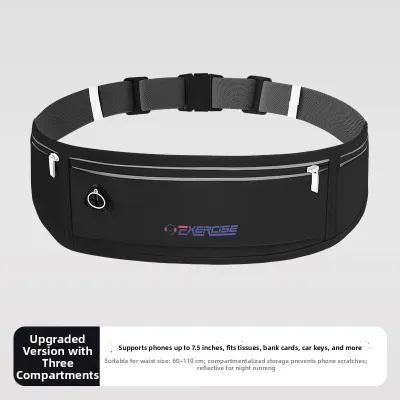
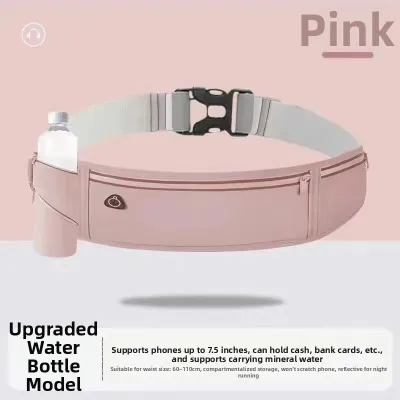
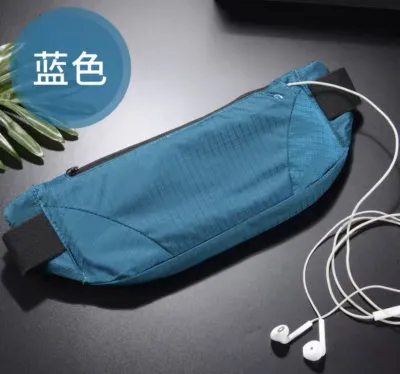
Prices are valid at publication and may change. Please refer to the product page for the latest price.
Key Factors That Define Running Belt Breathability
To understand how a running belt performs under the relentless Singapore sun, you must analyze the materials used in its construction. Not all synthetic fabrics handle sweat and heat the same way, and their physical properties dictate how comfortable you will remain during a long run.
Material Composition
- Open-Weave Mesh: This fabric features visible pores or a net-like structure that allows air to flow directly to your skin. By maximizing ventilation, open-weave mesh facilitates the natural evaporation of sweat, making it highly suitable for humid trail runs. However, because it is highly porous, it offers virtually no protection against rain or sweat transferring directly to your stored items.
- Spandex and Lycra Blends: These materials are highly valued for their exceptional stretch and snug fit, wrapping closely around your hips to prevent bouncing. They manage moisture through capillary action, pulling sweat away from your skin and spreading it across the fabric's outer surface. In high humidity, however, the air is already saturated with moisture, which slows down evaporation and can leave these thick elastic fabrics feeling heavy, wet, and clammy.
- Neoprene and Coated Fabrics: Often used in water-resistant belts, neoprene is a synthetic rubber that provides excellent structure and cushions your gear against your body. While it excels at protecting your smartphone from heavy sweat and sudden tropical downpours, it acts as a complete thermal barrier. It traps body heat and sweat against your skin, creating localized hot zones that can quickly lead to heat rash.
Fit and Contact Area
The physical dimensions of a running belt play a major role in how much heat it traps. A wider belt, typically measuring between 10 and 12 centimeters, is excellent for distributing the weight of water flasks and heavy phones, reducing bounce and movement. However, this wider profile covers a larger portion of your lower back and abdomen, significantly reducing the surface area of your skin available for natural evaporative cooling.
Narrower belts, on the other hand, cover very little skin, leaving most of your waist exposed to the air. While this minimal footprint is ideal for keeping cool, these belts have a much lower carrying capacity and can cut into your waist if loaded with heavy items. Furthermore, the tension required to keep a belt stable affects its breathability; stretching an elastic fabric tightly can compress its fibers, closing up the microscopic gaps in the weave and reducing airflow.
Moisture Management vs. Waterproofing
There is an unavoidable physical trade-off between keeping your gear dry and keeping your body cool. To make a pocket waterproof, manufacturers must line the fabric with a solid polyurethane (PU) membrane or apply a heavy Durable Water Repellent (DWR) coating. While these barriers successfully block rain and sweat from reaching your electronics, they also block all air and water vapor from escaping.
If a belt features large, waterproof pockets that rest directly against your lower back, that entire section will act as a vapor barrier, causing sweat to pool underneath. In Singapore, where sudden afternoon downpours are common, you must decide whether you prioritize keeping your gear completely dry or keeping your body cool and ventilated.
Ultimate Direction Belts: Design Features and What to Verify
Ultimate Direction has its roots in trail running and ultra-marathon hydration systems, environments where managing sweat and weight over long distances is critical. This design philosophy heavily influences their running belts, which often prioritize lightweight, highly ventilated materials over heavy, structured padding.

Brand Context
Because Ultimate Direction designs gear for endurance athletes, their belts often feature technical meshes developed for high-exertion activities. Rather than using solid elastic bands, they frequently incorporate structural mesh panels that maintain their shape while allowing maximum airflow. This makes them a strong candidate for runners in Singapore who need to carry hydration and nutrition without overheating.
Verifying Specifications
When evaluating an Ultimate Direction belt, you should look past generic marketing claims and search for specific material terms in the product specifications. Look for these key fabric technologies:
- MonoRip Mesh: This is a lightweight, breathable fabric that provides structural strength without adding bulk or trapping heat.
- Power Net Mesh: This material offers multi-directional stretch while maintaining open spaces in the weave, allowing air to circulate even when the belt is under tension.
- Air Mesh: A thicker, three-dimensional mesh that creates a small physical gap between the belt's solid pockets and your body, promoting continuous airflow.
Observational Checks
If you are inspecting a belt in a local sports store or have just received one from an online marketplace, you can perform three quick, non-destructive checks to verify its breathability.
- The Light Test: Hold the mesh sections of the belt up to a bright light source. If you can clearly see light filtering through the pores of the fabric, the weave is open enough to allow air to circulate. If the fabric blocks the light completely, it relies on wicking rather than direct ventilation.
- The Stretch Test: Pull the belt to the approximate tension it will experience when worn around your waist. Observe the mesh pores closely; high-quality air mesh should maintain its open structure under tension, whereas cheaper elastic fabrics may stretch flat and close off their ventilation gaps.
- The Lining Check: Feel the inner lining that will rest against your shirt or skin. It should feel textured or porous rather than smooth, slick, or rubbery. A rubbery or plasticky texture indicates a water-resistant coating that will trap heat and sweat against your body during a run.
How Other Running Belt Types Handle Heat and Sweat
To find the best option for your running style, it is helpful to compare the ventilated design of Ultimate Direction belts with other common categories of running belts available on the market.
Tubular Fabric Belts
Tubular belts are designed as a continuous loop of stretchy fabric, typically made from a blend of polyester, nylon, and spandex. Because they lack plastic buckles, zippers, or adjustable straps, they sit completely flat against your body, distributing weight evenly and virtually eliminating chafing.
However, because they wrap around your entire waist with a continuous band of fabric, they have a massive skin contact area. They manage sweat by absorbing it and spreading it across the fabric to dry. In Singapore’s high humidity, this drying process is extremely slow; the fabric can quickly become saturated with sweat, making the belt feel heavy, cold, and wet against your skin for the remainder of your run.
Minimalist/Elastic Strap Belts
These belts consist of a very narrow elastic strap, often only two to three centimeters wide, connected to a small, isolated pouch. The primary advantage of this design is its extremely small footprint, which leaves almost your entire waist exposed to the air for natural cooling.
The trade-off with minimalist belts is their limited capacity and stability. If you attempt to carry a modern, heavy smartphone or a soft flask of water, the narrow strap will struggle to support the weight, causing the pouch to bounce aggressively as you run. To stop the bouncing, you must tighten the strap significantly, which can cause the narrow elastic to dig into your skin and cause friction burns.
Neoprene or Pouch-Heavy Belts
These belts feature thick, structured pockets made from neoprene or heavy-duty nylon, often padded with foam to protect your gear. They are highly durable and offer excellent protection against sudden tropical downpours, keeping your phone and keys safe and dry.
However, these belts are the least breathable option for hot and humid climates. Neoprene acts as an insulator, trapping your body heat and preventing sweat from evaporating. Running with a thick neoprene belt along Singapore’s coastal paths will quickly cause a large pool of sweat to collect underneath the pouch, leading to discomfort, skin irritation, and heat rash.
Choosing the Right Belt for Singapore's Weather Conditions
Selecting the ideal running belt for Singapore’s climate requires matching the belt’s design to your specific running habits, distance, and gear requirements. There is no single belt that is perfect for every runner, so you must weigh the trade-offs of each style.
Decision Framework
- Choose Ultimate Direction (or similar mesh-heavy belts) if: You prioritize maximum ventilation and cooling during long, hot runs, such as trail sessions at MacRitchie Reservoir or afternoon road runs. These belts are ideal if you carry lightweight essentials like energy gels, keys, and salt tablets, and do not mind placing your smartphone in a separate waterproof baggie inside the pocket to protect it from sweat.
- Choose Tubular/Wicking Belts if: You want a seamless, bounce-free fit that distributes weight evenly across your hips, and you typically run shorter distances or during the cooler early morning or late evening hours. This option is best if you prefer a snug, secure feel and do not mind the belt absorbing sweat, provided you wash it frequently to maintain its performance.
- Choose Waterproof/Pouch Belts if: Protecting your expensive smartphone and electronics from heavy sweat and sudden tropical downpours is your absolute highest priority. You must be willing to accept the trade-off of a warmer, sweatier feel against your lower back and a slightly higher risk of chafing due to the localized heat zone created by the waterproof barrier.
Care and Maintenance for Humid Climates
To preserve the breathability and elasticity of your running belt in Singapore’s humid climate, you must maintain a strict care routine. Sweat contains salt, body oils, and urea, which can damage technical fabrics if left to dry.
- Rinse Immediately: Never throw a sweaty running belt into a laundry hamper to dry. As the sweat evaporates, salt crystals will form inside the microscopic pores of the mesh and synthetic fibers, clogging them and permanently reducing the fabric's breathability and wicking capabilities. Rinse the belt in cool, clean water immediately after every run to flush out these minerals.
- Hand Wash with Mild Soap: Wash the belt by hand or place it in a mesh laundry bag on a gentle machine cycle using a mild, sports-specific detergent. Avoid regular household detergents that contain optical brighteners, bleach, or heavy fragrances, as these chemicals can leave residues that clog the fabric pores.
- Never Use Fabric Softeners: Fabric softeners work by depositing a thin, silicone-like chemical film over the fibers to make them feel soft. This film is highly hydrophobic, meaning it will completely destroy the fabric's ability to wick moisture and allow air to pass through, rendering your breathable belt useless.
- Air Dry in the Shade: Hang your running belt to dry in a well-ventilated indoor area or a shaded outdoor balcony. Avoid exposing the belt to direct, intense tropical sunlight, as ultraviolet (UV) rays can rapidly degrade the elastic fibers (spandex and elastane), causing the belt to lose its stretch, sag, and bounce during future runs.
Frequently Asked Questions (FAQ)
How do I wash a running belt to maintain its breathability?
To maintain the breathability of your running belt, rinse it in cool water immediately after your run to prevent salt crystals from drying inside the mesh pores. Hand wash the belt using a mild, sports-specific detergent, avoiding any products with fabric softeners, bleach, or optical brighteners that can coat the fibers and clog the weave. Always air dry the belt in a well-ventilated, shaded area; never use a clothes dryer or expose it to direct, intense sunlight, as high heat and UV rays will degrade the elastic fibers and damage the mesh structure.
Will a breathable running belt keep my phone dry in Singapore's rain?
No, a highly breathable running belt will not keep your phone dry during a sudden tropical downpour or even during a high-sweat run. The open-weave mesh and porous fabrics that allow air to circulate also allow water and sweat to pass through easily. To protect your electronics while using a breathable belt, you should place your phone inside a simple, sealable plastic baggie or a dedicated waterproof pouch before tucking it into the belt’s pocket. This simple step allows you to enjoy maximum cooling and ventilation without risking water damage to your devices.
Community discussion
Share your experience or ask a question. Comments are reviewed before publication.