
Choosing between an ultra-thin (2mm) and a standard (5mm) yoga mat comes down to balancing ground stability with joint cushioning. While a thinner profile maximizes your connection to the floor for better balance, a standard thickness provides the necessary padding to protect sensitive joints on hard surfaces. The right choice depends entirely on your primary practice style, the floor surfaces you frequent, and your individual physical needs.
For practitioners navigating different environments—from local boutique studios to home setups on tiled floors—the physical characteristics of your mat directly influence your alignment and comfort. A mat that is too thin can cause discomfort during kneeling poses, while a mat that is too thick can make standing balances feel unstable. Understanding how these two profiles perform under different conditions allows you to select a tool that supports your practice without compromising your joints.
The Physical Trade-Off: Ground Connection vs. Impact Absorption
The fundamental difference between a 2mm ultra-thin mat and a 5mm standard mat lies in how they manage the forces between your body and the floor. A 2mm mat acts primarily as a hygienic, high-traction barrier. It offers minimal compression, which means your hands and feet remain in close contact with the solid subfloor. This direct connection provides immediate sensory feedback, allowing you to make micro-adjustments in your posture and maintain solid footing during complex sequences.
Products mentioned in this guide
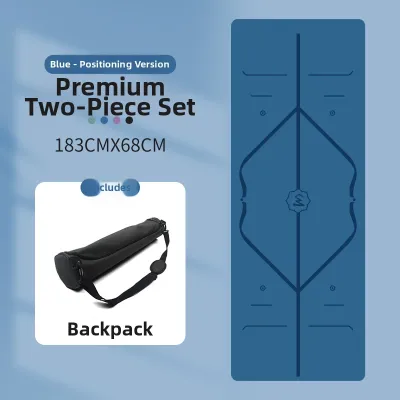
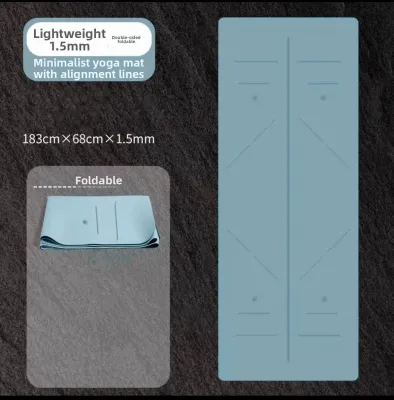

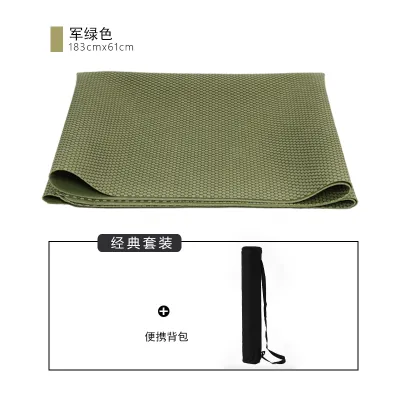
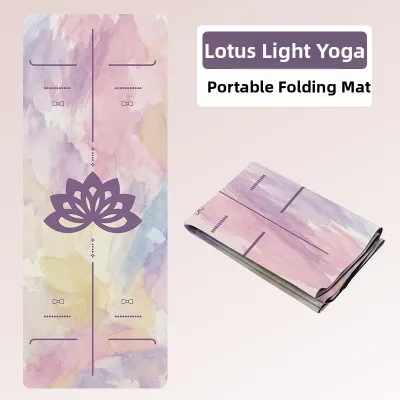
Prices are valid at publication and may change. Please refer to the product page for the latest price.
Conversely, a 5mm standard mat is designed to absorb impact and distribute weight. When you place your weight on a thicker mat, the material compresses to create a buffer. This cushioning reduces the concentrated pressure on smaller contact points, such as your knees, elbows, and wrists. For many practitioners, this physical barrier is essential for preventing the dull ache that can occur when bones press against a hard surface.
However, thickness is only one part of the equation; material density plays an equally critical role in how a mat behaves. A highly dense 2mm mat made of natural rubber can offer surprisingly firm support and prevent you from bottoming out. On the other hand, a low-density 5mm mat made of soft foam may compress completely under your weight, offering less actual joint protection than its thickness suggests. When comparing profiles, it is vital to consider how the material density complements the physical thickness.
The stability versus comfort spectrum is a continuous trade-off. A thinner mat prioritizes stability by keeping your center of gravity low and preventing your joints from sinking into an unstable surface. A thicker mat prioritizes comfort by isolating your body from the hard floor, though this can sometimes introduce a slight wobble during standing balances. Finding your place on this spectrum requires analyzing your physical requirements and the specific demands of your yoga practice.
Who Should Choose an Ultra-Thin (2mm) Yoga Mat?
An ultra-thin 2mm mat is highly suited for practitioners who prioritize stability, balance, and portability. If your practice consists primarily of fast-paced flows, Ashtanga, or balance-heavy Vinyasa sequences, a thinner profile can be highly advantageous. The lack of squishiness ensures that your ankles and wrists do not have to work overtime to stabilize your body in poses like Tree Pose or Handstand. You receive immediate feedback from the floor, which helps maintain proper alignment.

Portability is another significant advantage of the 2mm profile. These mats are exceptionally lightweight and can often be folded into a compact square rather than rolled. For urban commuters who travel to studios via public transit, or for those who practice while traveling, a 2mm mat fits easily into a standard backpack or travel bag. It eliminates the bulk of carrying a full-sized standard mat through crowded spaces.
Additionally, an ultra-thin mat serves as an excellent hygienic overlay. Many practitioners use a 2mm mat to cover studio-provided mats, giving them a clean, personal practice surface without the bulk of carrying a second full-sized mat. This hybrid approach allows you to enjoy the cushioning of the studio’s thicker mat while maintaining a personal, high-traction grip.
Despite these benefits, the 2mm mat has clear physical limitations. It offers virtually no protection against hard, unyielding floors. If you have pre-existing joint sensitivities, a history of knee discomfort, or thin wrists, practicing directly on a 2mm mat over a concrete or tile floor can quickly lead to discomfort. Practitioners who spend a significant amount of time in kneeling poses or low lunges may find the lack of padding restrictive.
Who Should Choose a Standard (5mm) Yoga Mat?
A standard 5mm yoga mat is the ideal choice for those who require reliable joint protection and practice on unforgiving surfaces. If your routine includes restorative yoga, Yin yoga, or slow Hatha sequences, you will likely spend a significant amount of time in contact with the floor. Poses that require you to hold positions for several minutes demand a supportive buffer to prevent joint fatigue and discomfort.
For practitioners with sensitive joints, older adults, or individuals recovering from minor physical injuries, the 5mm thickness provides a necessary safety net. The extra padding cushions the patella during lunges and supports the wrists during weight-bearing poses like Downward-Facing Dog. This physical comfort allows you to focus on your breathing and alignment rather than distracting joint pressure.
The environment in which you practice also dictates the need for a thicker mat. If you primarily practice at home on hard surfaces such as ceramic tile, polished concrete, or laminate flooring, a 5mm mat is highly recommended. These surfaces have zero natural give, making a standard thickness essential for a comfortable practice. A 5mm mat also acts as an effective thermal barrier, preventing the coldness of stone or tile floors from transferring to your body during supine poses or Savasana.
While a 5mm mat offers superior comfort, it does come with trade-offs in portability and stability. These mats are heavier, bulkier, and must be rolled rather than folded, making them less convenient for daily commuting or travel. In standing balance poses, you may notice a slight decrease in stability as your feet sink into the material, requiring greater engagement of the stabilizing muscles in your ankles and feet.
How to Decide: Matching Thickness to Your Practice and Floor
To finalize your choice, evaluate your practice habits, physical needs, and typical environment using a clear decision framework.
Choose a 2mm ultra-thin mat if:
- You travel frequently or commute long distances to your yoga sessions.
- Your practice focuses heavily on standing balances, arm balances, and active flows where stability is paramount.
- You plan to use the mat primarily as a hygienic topper over existing studio mats.
- You practice on carpeted floors or sprung wooden studio floors that already provide natural shock absorption.
Choose a 5mm standard mat if:
- You practice mostly at home or in a dedicated space where portability is not a priority.
- You experience joint sensitivity, especially in your knees, wrists, or hips.
- Your practice involves slow, floor-based styles like Yin or Restorative yoga.
- You practice on hard, unyielding surfaces such as tile, concrete, or hardwood floors.
Before making a purchase, verify the actual floor surfaces you will be using most often. If your local studio features sprung hardwood floors, you can easily opt for a thinner mat because the floor itself absorbs impact. However, if you are practicing on a concrete floor at home, a thicker mat is almost always necessary to prevent discomfort.
Finally, always check the manufacturer’s specifications regarding material density and weight. A high-density polyurethane or natural rubber mat will offer much firmer support and durability than a low-density PVC mat of the same thickness. Understanding these material properties ensures you select a mat that matches both your thickness preference and your need for structural support.
Frequently Asked Questions (FAQ)
Can I use a 2mm ultra-thin mat on a hard floor?
Yes, you can use a 2mm mat on a hard floor, but it requires careful adaptation. If you choose to practice on a hard surface like tile or concrete with an ultra-thin mat, consider placing a folded blanket or a yoga towel under your knees or wrists during high-pressure poses. Alternatively, you can lay the 2mm mat over a carpeted area or a rug to add a layer of cushioning. If you experience any joint pain or sharp discomfort during your practice, stop immediately and transition to a thicker surface.
Is a thicker mat always better for joint pain?
No, a thicker mat is not universally better for joint pain. While extra thickness provides cushioning, excessively thick mats (such as 8mm or 10mm fitness mats) can cause your hands and feet to sink deeply into the material. This sinking action can misalign your wrists and ankles, actually increasing joint strain during standing or weight-bearing poses. For joint comfort, look for a mat with high material density rather than just maximum thickness, as a dense mat supports your weight without letting your joints bottom out.

Community discussion
Share your experience or ask a question. Comments are reviewed before publication.