
When shopping for a camping tent, you will inevitably encounter a specification known as the Hydrostatic Head (HH) rating, expressed in millimeters (such as 1,500mm or 3,000mm). This number indicates the level of water pressure the tent fabric can withstand before moisture begins to penetrate. Understanding this rating is essential for selecting gear that matches your environment, especially if you plan to camp in regions prone to sudden, heavy tropical downpours like Singapore, where a standard light-rain shelter may quickly fail.
However, a single number does not tell the whole story of how dry you will stay. Real-world performance depends on a combination of fabric coatings, seam construction, and proper pitch tension. By learning how to interpret these ratings and looking beyond the raw numbers, you can make an informed decision that balances weather protection, weight, and breathability.
How Hydrostatic Head (HH) Testing Works
The Hydrostatic Head test is a standardized laboratory method used to measure the water resistance of outdoor fabrics. During the test, a sample of the tent fabric is pulled taut at the bottom of a vertical tube. Testers then fill the tube with water, gradually increasing the height of the water column to apply rising pressure to the fabric surface.
Products mentioned in this guide
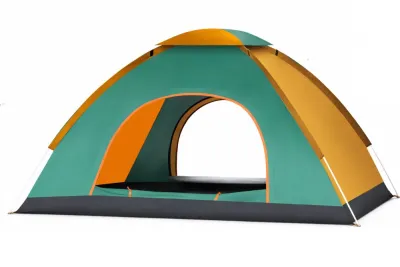
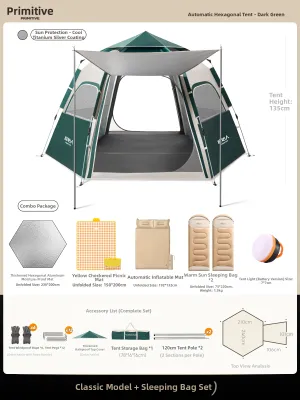
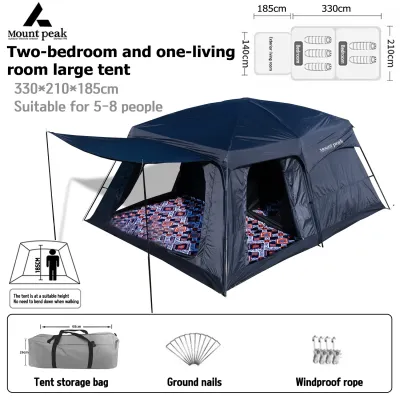
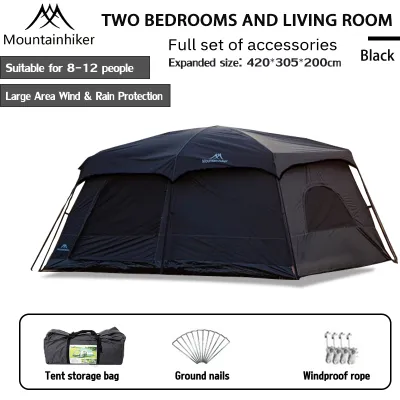
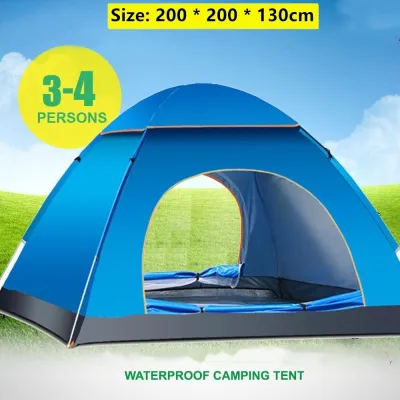
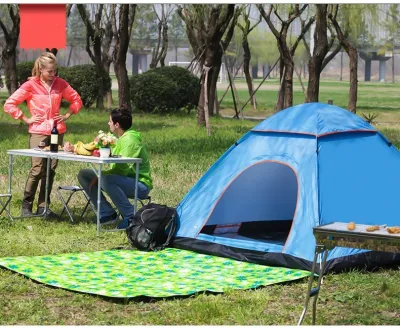
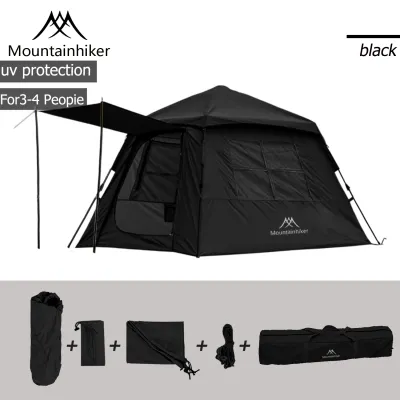
Prices are valid at publication and may change. Please refer to the product page for the latest price.
The rating itself, measured in millimeters, represents the maximum height of the water column the fabric can support before three drops of water penetrate the material. For example, a fabric rated at 2,000mm can withstand a 2,000-millimeter (two-meter) column of water pressing down on it before leaking. This laboratory setup simulates the physical force of wind-driven rain hitting your shelter.
While this test provides a consistent baseline for comparing different fabrics, it has notable limitations. The test is typically performed on brand-new, pristine fabric under controlled laboratory conditions. In the field, factors such as UV exposure, dirt, folding creases, and physical abrasion will gradually degrade the waterproof coating. To get an accurate picture, you should check the manufacturer’s documentation to see if they test their fabrics after simulated wear or if they use industry-standard testing protocols.
Interpreting Common Waterproof Ratings for Camping Tents
Manufacturers use several broad rating tiers to guide consumers, though these should be treated as general benchmarks rather than absolute guarantees of dryness. Fabrics rated between 800mm and 1,200mm are generally considered water-resistant and are suitable only for light, brief summer showers. For reliable three-season camping where steady rain is possible, a rainfly rating of 1,500mm to 3,000mm is widely recommended as a practical baseline.

When you expect severe weather or prolonged storms, ratings of 3,000mm to 5,000mm offer a much higher safety margin. However, you must look at the ratings for different parts of the tent separately. The tent floor almost always requires a significantly higher HH rating than the rainfly, often starting at 3,000mm or higher even in moderate tents.
This discrepancy exists because of physical pressure. While gravity allows rain to run off a sloped rainfly, your body weight exerts concentrated pressure on the tent floor when you sit, kneel, or sleep. Kneeling on wet ground can easily create pressure equivalent to 10,000mm of water, forcing moisture through low-rated fabrics. When shopping, always check the product specifications or the manufacturer’s website to verify the individual ratings for both the rainfly and the floor canopy.
Beyond the HH Number: Other Factors That Keep You Dry
A high HH rating on paper means very little if the tent’s construction is flawed. The most common entry points for water are not the fabric itself, but the seams where different panels are sewn together. Every needle hole is a potential leak path, meaning you must verify that the tent features fully taped or factory-sealed seams to prevent water from dripping through the stitching.
The type of waterproof coating applied to the fabric also plays a critical role in long-term durability and performance. Polyurethane (PU) coatings are common and highly effective at blocking water, but they can degrade over time through hydrolysis—a chemical breakdown caused by prolonged exposure to moisture and heat, which is particularly common in hot, humid climates. Silicone coatings (often found on “silnylon” fabrics) offer excellent water shedding, high tear strength, and better resistance to hydrolysis, though they are typically more expensive and require specialized repair materials.
Additionally, structural design and pitching technique heavily influence real-world waterproofness. A tent must be pitched with proper tension using guylines to keep the wet rainfly from sagging and touching the inner tent wall. If the two layers make contact, water can easily transfer to the interior through capillary action, bypassing the protective benefits of a high HH rating.
How to Choose the Right Waterproof Rating for Your Trip
Selecting the right rating requires a realistic assessment of your camping environment and activities. If you are car camping in Singapore or surrounding tropical regions, where sudden afternoon monsoons can dump large volumes of water in minutes, prioritizing a rainfly of at least 2,000mm to 3,000mm and a heavy-duty floor is highly advisable. For dry, arid climates, a lower rating is perfectly acceptable and will save you unnecessary weight.
You must also balance waterproof performance against other gear priorities like pack weight and breathability. High HH coatings add physical weight and make the fabric less breathable, which can lead to heavy condensation building up inside the tent in humid conditions. For backpacking, you may want to choose a moderate HH rating (around 1,500mm to 2,000mm) paired with excellent ventilation features to keep your pack light and your interior dry.
Finally, remember that maintaining your tent’s waterproofness requires ongoing care. Always dry your tent completely before storing it to prevent mold and coating degradation. Over time, you may need to apply an aftermarket durable water repellent (DWR) spray to the exterior or re-seal worn seams to restore the original protective barrier and extend the lifespan of your shelter.
Frequently Asked Questions (FAQ)
Is a higher HH rating always better for a camping tent?
Not necessarily, as higher ratings involve trade-offs. Increasing the waterproof coating thickness adds weight and bulk to your gear, making it less suitable for backpacking. Furthermore, highly coated fabrics restrict airflow, which can trap moisture inside and cause severe condensation issues in warm, humid environments.
Why is the tent floor HH rating usually higher than the rainfly?
The floor must withstand mechanical pressure that the rainfly never experiences. When you sleep, sit, or kneel inside the tent, your body weight concentrates force on small areas of the floor fabric. This pressure can easily push ground moisture through a low-rated fabric, whereas rain simply runs off the sloped surface of the rainfly.
Does a waterproof rating guarantee the tent will never leak?
No, a rating only measures fabric resistance under controlled conditions. Real-world leaks often occur at unsealed seams, through zipper teeth, or via condensation buildup on the inner walls. Proper pitching, regular maintenance, and choosing a well-ventilated design are just as important as the fabric’s HH rating.
Community discussion
Share your experience or ask a question. Comments are reviewed before publication.