
Gymnastics demands a unique balance of firm support for stability and reliable cushioning to absorb high-impact forces. Whether you are setting up a home practice space in a Singapore apartment or upgrading a local training facility, choosing the right flooring material is critical to both safety and performance. Among the various materials available, eva foam (ethylene-vinyl acetate) has become the industry standard for lightweight training mats, interlocking tiles, and auxiliary padding.
Understanding the physical properties of this specialized material helps you make an informed decision when purchasing equipment. By evaluating how eva foam behaves under pressure, resists humidity, and compares to alternative materials, you can select the exact gear that matches your skill level, space limitations, and training goals.
What Is EVA Foam? The Material Behind the Cushion
Ethylene-vinyl acetate, commonly known as EVA, is a copolymer made by combining ethylene and vinyl acetate monomers. This chemical pairing yields a highly flexible, rubber-like plastic that retains its shape even after repeated compression. Unlike rigid plastics, EVA remains pliable and resilient, making it an exceptional base material for sports equipment, protective gear, and high-impact flooring solutions.
Products mentioned in this guide
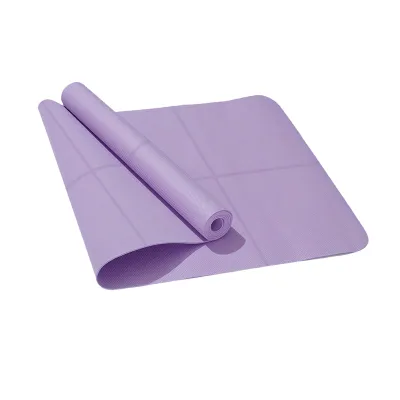
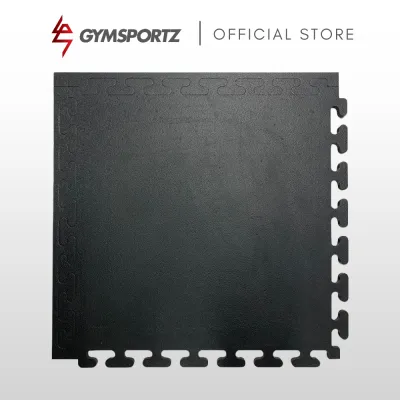
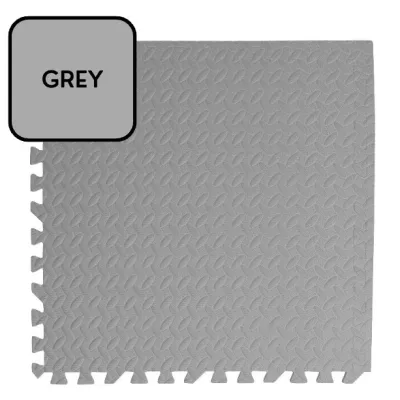
![SG [READY STOCK] Puzzle Exercise Workout Mat EVA Foam Interlocking Tiles 10mm / 20mm / 25mm thickness for Gym MMA Home Workshops Basement Fitness Room Outdoor Area](https://img.lazcdn.com/g/p/e67be99b7c7f465cc89de6d5840e854d.jpg_400x400q80.jpg_.webp)
Prices are valid at publication and may change. Please refer to the product page for the latest price.
The defining physical characteristic of eva foam is its closed-cell structure. During the manufacturing process, gas is injected into the liquid polymer mixture under high pressure. As the material expands and cools, it forms millions of microscopic, isolated air bubbles that are completely sealed off from one another. Because these cells do not share walls or open pathways, the resulting foam is entirely non-porous.
This sealed construction prevents liquids, sweat, and moisture from penetrating the interior of the material. Instead of acting like a sponge, the foam remains dense, buoyant, and structurally stable. The trapped air pockets within the closed cells provide the essential elasticity and springiness required to decelerate impacts, transforming a solid plastic into a highly effective shock absorber.
Why EVA Foam Is the Standard for Gymnastics Equipment
Gymnastics equipment must perform under extreme dynamic loads while maintaining hygiene and ease of use. EVA foam satisfies these demanding requirements through a combination of structural resilience, moisture resistance, and practical portability.

Impact Deceleration and Joint Protection
When a gymnast lands a jump or performs a tumbling pass, their joints must absorb forces equivalent to several times their body weight. High-density EVA foam acts as a mechanical buffer by distributing this kinetic energy across its closed-cell network. As force is applied, the air pockets compress, slowing down the rate of deceleration and reducing the peak impact transmitted to the ankles, knees, and wrists.
However, it is important to remember that safety equipment cannot replace proper training, physical preparation, and qualified coaching. Mats are designed to mitigate minor impact stress during controlled landings; they do not eliminate the risk of severe injury from improper technique or uncontrolled falls.
Hygiene in Humid Climates
In warm, humid climates like Singapore, moisture management is a constant challenge for indoor sports facilities. Open-cell foams readily absorb sweat, creating a breeding ground for bacteria, mold, and unpleasant odors. Because EVA foam is closed-cell and non-porous, sweat remains on the surface rather than soaking into the core. This makes the equipment exceptionally hygienic for barefoot training and simple to sanitize between sessions.
Lightweight Portability for Home Training
For home users, particularly those living in space-conscious apartments, heavy commercial gym mats are impractical. EVA foam has a remarkably low density relative to its structural strength. This lightweight profile allows manufacturers to design folding panel mats and interlocking puzzle tiles that can be easily assembled, disassembled, and stored away in a closet or under a bed when not in use.
Reliable Surface Traction
Gymnasts rely on consistent footing to prevent slips during dynamic movements. Raw EVA foam can be slippery when smooth, but its manufacturing process allows for deep, molded textures to be embossed directly onto the surface. Patterns such as cross-hatch, checkered, or straw textures provide excellent baseline grip for bare feet or gymnastics shoes, helping to maintain traction even during sweaty training sessions.
EVA Foam vs. Other Mat Materials: Which Is Right for You?
Selecting the right gymnastics mat requires comparing EVA foam with other common core and cover materials. Each material offers distinct trade-offs in terms of shock absorption, durability, and cost.
Understanding Cores vs. Covers
When shopping for gymnastics mats, it is crucial to distinguish between the core material (which provides the actual shock absorption) and the cover material (which protects the core and provides a cleanable surface).
- EVA Foam: Often used as a standalone material (such as interlocking tiles) or as a supportive core inside a protective cover.
- Cross-Linked Polyethylene (XLPE): A highly durable, firm, closed-cell foam often used in professional tumbling mats. It offers superior energy return and resistance to long-term compression compared to standard EVA, but comes at a higher price point.
- Polyurethane (PU) Foam: A soft, open-cell foam used in thick landing pits or the soft center of folding mats. It offers excellent cushioning for deep falls but has zero structural support on its own and must always be encased in a protective cover.
- PU Leather and PVC Covers: These are heavy-duty outer shells wrapped around foam cores. They protect softer foams from punctures, tears, and abrasion while providing a smooth, easily sanitizable surface.
Material Comparison Matrix
To help you determine which configuration best suits your training space and budget, consider the primary characteristics of these common options:
| Material Configuration | Best Use Case | Shock Absorption Profile | Weight | General Price Tier (SGD) |
|---|---|---|---|---|
| Standalone EVA Foam Tiles | Home play areas, light floor exercises, stretching | Moderate; best for low-to-medium impact | Extremely lightweight | Budget (Under S$30 per pack) |
| PU-Covered Folding Mats (EVA/EPE Core) | General gymnastics, tumbling practice, home training | Balanced; firm support with moderate cushion | Moderate; highly portable | Mid-Range (S$50 to S$150) |
| Carpet-Topped XLPE Roll-Out Mats | Advanced tumbling, cheerleading, professional gyms | High stiffness; excellent energy return | Moderate to heavy | Premium (S$200 to S$400+) |
The Limitations of EVA Foam
While EVA foam is highly versatile, it is susceptible to “compression set.” If heavy, concentrated loads—such as weight racks, heavy furniture, or high-pressure equipment—are left on EVA foam for extended periods, the closed cells will permanently collapse. This leaves permanent indentations and compromises the shock absorption in those areas. For heavy equipment storage or high-impact weightlifting, denser materials like vulcanized rubber are far more suitable.
How to Choose the Best EVA Foam Gymnastics Mat
To translate material knowledge into a smart purchase, you must evaluate specific physical specifications rather than relying on generic product descriptions.
Thickness vs. Density
A common mistake is assuming that a thicker mat always provides better protection. If a mat is thick but has low density, a gymnast’s foot or hand will easily compress the foam all the way to the hard floor underneath—a dangerous occurrence known as “bottoming out.” Conversely, a thin mat that is too dense will feel rock-hard and fail to cushion impacts.
- Toddler Play and Light Stretching: Mats or tiles with a thickness of 1cm to 2cm are sufficient for low-impact activities and basic floor play.
- Junior Gymnastics and Basic Tumbling: Look for folding mats or high-density tiles with a thickness of 3cm to 5cm to provide a safe balance of stability and cushioning.
- Advanced Tumbling and High-Impact Landings: Professional setups require multi-layered mats, often combining a firm XLPE top layer for stability with a softer EVA or PU base layer, totaling 5cm to 10cm in thickness.
Selecting the Right Format
Consider how your training space will be used and how often the mats must be moved:
- Interlocking Puzzle Tiles: Best for covering large, irregular floor areas. They can be custom-fitted around walls or pillars. However, they have numerous seams that can collect dust and may separate under intense lateral forces.
- Folding Panel Mats: Excellent for linear tumbling practice. They feature built-in hook-and-loop connectors on the edges, allowing you to link multiple mats together. They fold up quickly for storage and transport.
- Roll-Out Mats: Popular for professional and semi-professional training. They provide a seamless, continuous surface that rolls up quickly but requires a larger dedicated storage space.
Evaluating Surface Texture and Seam Quality
Examine the texture of the mat before purchasing. A cross-hatch or textured “tatami” pattern provides superior slip resistance for sweaty hands and feet. If you choose interlocking tiles, inspect the precision of the puzzle cuts. Loose-fitting seams are a significant tripping hazard during rapid footwork or landing sequences. The tiles should lock together tightly without curling at the edges.
Safety and Toxicity Certifications
Because gymnastics involves direct skin contact with the mat surface, verifying chemical safety is essential. Do not assume all EVA foam products are non-toxic. Look for manufacturer specifications that explicitly state the product is free from harmful plasticizers, such as phthalates, and heavy metals.
For products intended for children, look for certifications such as EN71 (European Toy Safety Standard) or REACH compliance. Additionally, check for low-formamide or formamide-free labeling, as formamide is a chemical byproduct sometimes left behind during the foam expansion process.
Cleaning and Maintaining Your EVA Foam Gear
Proper care preserves the structural integrity of your EVA foam mats, ensures hygienic training conditions, and extends the lifespan of your investment.
Routine Cleaning Steps
To clean your mats after a training session, follow these simple steps:
- Sweep or Vacuum: Remove loose dirt, hair, and dust using a soft-bristle broom or a vacuum cleaner brush attachment. Avoid using vacuum beater bars, which can scratch the foam.
- Wipe Down: Mix a few drops of mild dish soap with lukewarm water. Dampen a soft microfiber cloth or sponge in the mixture, wring out any excess water, and gently wipe down the surface.
- Air Dry: Allow the mats to air-dry completely in a well-ventilated indoor space before folding or stacking them. Storing damp mats can trap moisture and encourage mildew growth along the seams.
Maintenance Practices to Avoid
Never use harsh chemical solvents, bleach, or highly acidic household cleaners on EVA foam. These chemicals break down the polymer bonds, causing the foam to become brittle, sticky, or discolored. Additionally, avoid using stiff wire brushes, steel wool, or abrasive scrubbing pads, which can tear the textured surface and ruin the grip.
Environmental and Temperature Limits
EVA foam is highly sensitive to extreme heat and ultraviolet (UV) radiation. Never leave your mats in direct, prolonged sunlight or inside a hot vehicle. High temperatures can cause the trapped air inside the closed cells to expand unevenly, leading to warping, shrinking, and permanent curling of the edges. Always store and dry your gear indoors, away from direct sunlight and heat sources.
Preventing Compression Damage
To maintain the uniform thickness of your mats, avoid placing heavy, sharp, or concentrated objects on them. If you must use weights or heavy training aids on the mats, place a rigid wooden or plastic board underneath the equipment to distribute the weight evenly and prevent permanent indentation. Store folding mats flat or vertically on their edges as recommended by the manufacturer.
Frequently Asked Questions (FAQ)
Is EVA foam safe for toddlers and young children?
Yes, high-quality EVA foam is generally safe and widely used in children’s play mats and toys. However, chemical safety can vary significantly between brands. To protect young children, always review the product specifications to confirm the foam is certified non-toxic, phthalate-free, and formamide-free. Avoid cheap, unbranded industrial utility tiles, which may contain higher levels of chemical residues.
Can I use EVA foam interlocking tiles for heavy weightlifting?
No, EVA foam is not suitable for heavy weightlifting or dropping loaded barbells. The dynamic, concentrated impact of heavy weights will permanently crush the closed-cell structure, causing deep indentations and ruining the shock absorption. Furthermore, soft EVA foam does not provide the stable, rigid footing required for safe heavy lifting. For weightlifting areas, use high-density vulcanized rubber mats instead.
Community discussion
Share your experience or ask a question. Comments are reviewed before publication.