
When choosing a reusable water bottle for daily hydration, understanding the materials that come into contact with your drinking water is essential. Owala bottles rely on flexible, rubber-like components to create their signature leak-proof seals and comfortable drinking spouts. These parts are primarily made from high-quality, food-grade silicone and synthetic elastomers rather than natural rubber latex.
For daily use, these synthetic materials are widely considered safe, durable, and chemically inert under normal operating temperatures. However, maintaining this safety profile requires proper care, regular inspection, and timely replacement of worn parts. By understanding what these components are made of and how to care for them, you can ensure your daily hydration remains clean and safe.
Identifying the Rubber and Silicone Components in Owala Bottles
To properly maintain your water bottle, you must first identify where these flexible elastomer parts are located. On a standard Owala bottle, such as the popular FreeSip model, rubber-like materials are integrated into several key areas. These include the circular O-ring seals deep inside the lid, the flexible leak-proof gaskets that block the drinking and straw ports, the soft-touch coating on the carry loop, and sometimes a non-slip protective boot at the base.
Products mentioned in this guide
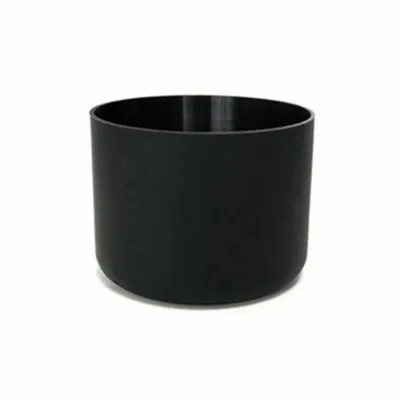
![sg[READY STOCK] Owala 24oz/32oz /40oz Silicone Boot Cup Protector Durable BPA Free Fits Owala FreeSip Owala Water Bottle](https://img.lazcdn.com/g/p/31baf53c9f93f5735e096868658b30fc.jpg_400x400q80.jpg_.webp)
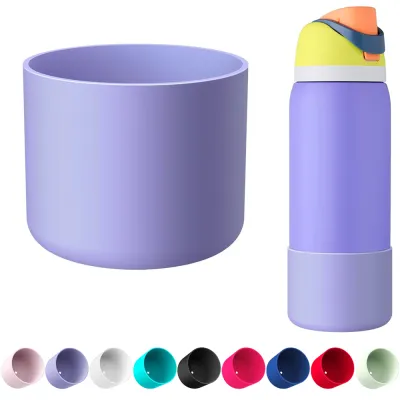
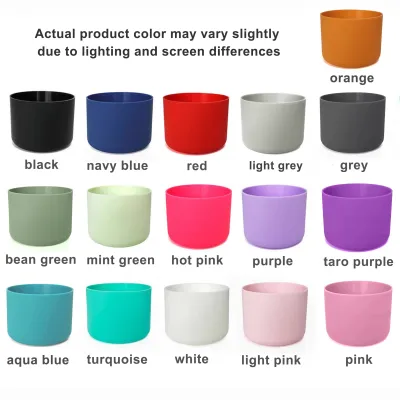
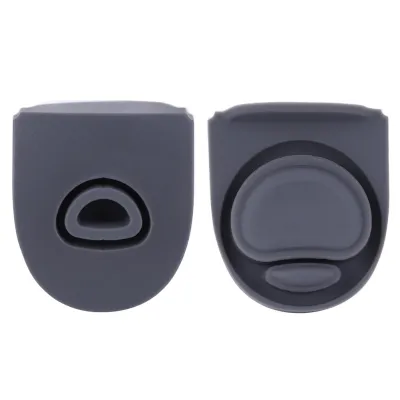
![[SG FREE ] 5 Pcs Replacement Stopper For Owala Free Sip Silicone Anti-Spill Lid Stopper Water Bottle Top Lid Compatible](https://img.lazcdn.com/g/p/21d3ec353da12b5b61dfa044398a0eee.jpg_400x400q80.jpg_.webp)
Prices are valid at publication and may change. Please refer to the product page for the latest price.
While these parts are often collectively referred to as “Owala rubber,” there is a significant practical distinction between natural rubber and the food-grade silicone used in modern drinkware. Natural rubber is harvested from organic sources and contains latex proteins, which can trigger allergic reactions in sensitive individuals. It also tends to degrade faster when exposed to oils, UV light, and repeated washing.
In contrast, food-grade silicone is a synthetic polymer made from silicon, oxygen, carbon, and hydrogen. This material is highly favored for sports accessories because it remains flexible across a wide temperature range, does not leach harmful chemicals into water, and is naturally resistant to bacterial growth.
To verify the exact material composition of your specific bottle model, always check the product packaging, the printed user manual, or the official brand specifications. Manufacturers frequently update their material blends to improve durability, so reviewing the product insert is the most reliable way to confirm what materials are in contact with your beverage.
Evaluating Material Safety for Daily Hydration
Evaluating the safety of your water bottle components involves looking for specific industry standards and certifications. When purchasing or inspecting your bottle, verify that all plastic and elastomer parts are explicitly labeled as BPA-free and BPS-free. Bisphenol A (BPA) and Bisphenol S (BPS) are chemical compounds historically used in plastics that can mimic hormones and pose health risks, making their absence a critical safety marker for daily use.

In addition to chemical safety, you must consider the temperature limitations of these synthetic rubber and silicone parts. While food-grade silicone is highly heat-resistant, extreme temperatures can still cause issues. For instance, exposing these components to boiling water or high-heat sterilization cycles can warp the seals, degrade any integrated adhesives, or cause the material to lose its elasticity over time.
To ensure safety, you should also establish clear conditions for when to stop using these components. If you notice an unexpected, persistent chemical odor that does not fade after a thorough wash, it may indicate material degradation or the use of low-quality aftermarket replacements.
Furthermore, any visible material breakdown is an immediate sign to stop use. This includes a sticky or tacky texture on the silicone, visible cracking along the seals, or deep, black mold spots that have penetrated the porous surface of the elastomer and cannot be scrubbed away. Using compromised seals can allow bacteria to colonize the lid assembly, compromising your drinking water.
Cleaning and Maintaining Rubber Seals and Mouthpieces
Keeping the elastomer components of your bottle clean is the most effective way to prevent mold buildup and preserve the integrity of the seals. Proper maintenance begins with safe disassembly. To clean the lid thoroughly, you must remove the silicone O-rings and gaskets.
When removing these parts, avoid using sharp metal objects like knives or metal forks, which can easily puncture or tear the soft silicone. Instead, use a dedicated plastic gasket removal tool, a blunt plastic toothpick, or gently pinch the silicone with your fingers to lift it out of its groove.
For daily washing, use a mild dishwashing liquid and warm water. Avoid harsh chemical cleaners, chlorine bleach, or highly abrasive scrubbing pads, as these can micro-scratch the silicone surface, creating tiny crevices where bacteria and mold can easily take root. Use a soft-bristled brush, such as a straw brush or a dedicated bottle cleaning brush, to gently clean the inner grooves of the gaskets and the drinking spout.
The most critical step in preventing microbial growth is thorough air-drying. In humid climates, such as Singapore, trapped moisture is the primary catalyst for black mold. After washing, lay all disassembled parts flat on a clean, dry towel in a well-ventilated area.
Allow every component to dry completely before reassembling the bottle. Storing the bottle with the lid tightly closed while internal moisture is still present creates a humid environment that encourages rapid mold development.
When to Replace Worn or Damaged Rubber Parts
Even with meticulous care, synthetic rubber and silicone components will eventually wear out from regular use, friction, and exposure to moisture. You should regularly inspect these parts for visual and tactile indicators of wear.
Key signs that your seals need replacement include permanent staining or discoloration that persists after deep cleaning, a hardening of the flexible material, visible cracking, or a loss of elasticity that causes the gaskets to sit loosely in their designated tracks.
A compromised seal will inevitably lead to leaking, which can ruin items in your gym bag or backpack. To test your bottle’s integrity after cleaning and reassembly, fill the bottle with water, secure the lid tightly, and gently invert it over a sink for several seconds. If you observe any slow drips or moisture seeping from the seams of the lid, the internal gaskets are likely misaligned or worn out and require replacement.
When sourcing replacements, always purchase official replacement parts or certified compatible kits from reputable retailers. Using generic, unverified third-party gaskets from online marketplaces can compromise the leak-proof seal and may not meet the same food-grade safety standards as the original manufacturer’s materials.
Frequently Asked Questions (FAQ)
Can I wash Owala rubber and silicone parts in the dishwasher?
While some silicone parts and bottle lids are labeled as top-rack dishwasher safe, hand washing is generally recommended to prolong the lifespan of the elastomer components. The high heat of dishwasher drying cycles, combined with highly concentrated dishwasher detergents, can accelerate the degradation of synthetic rubber and silicone. Over time, this exposure can cause the seals to shrink, warp, or become brittle, compromising the bottle’s leak-proof performance. If you do choose to use a dishwasher, place the removable silicone parts in a secure mesh basket on the top rack, and opt for a heated-dry cycle bypass if available.
Are the rubber components in Owala bottles latex-free?
Modern reusable drinkware brands, including Owala, typically utilize synthetic food-grade silicone and thermoplastic elastomers rather than natural rubber latex for their seals, gaskets, and mouthpieces. Synthetic silicone does not contain the natural proteins responsible for triggering latex allergies, making it a much safer alternative for sensitive users. However, because manufacturing processes and material formulations can vary across different product lines and production batches, individuals with severe or life-threatening latex allergies should always verify the exact material list on the product packaging or contact the manufacturer directly to confirm a latex-free status before use.
Community discussion
Share your experience or ask a question. Comments are reviewed before publication.