
Yes, an arm strength bar—commonly known as a power twister—is highly practical for a small HDB flat due to its minimal physical footprint and ease of storage. However, using it safely in a compact home requires careful planning around your dynamic movement zone rather than just its static size. Because HDB layouts often feature multi-purpose living areas, understanding how to carve out a safe workout radius is key to preventing accidental damage to your walls, furniture, or household items.
By evaluating your space and choosing the right equipment specifications, you can enjoy a high-intensity upper-body workout without cluttering your living space. This guide covers how to assess your home’s layout, measure a safe exercise zone, and store your equipment securely in a tropical climate.
Is an Arm Strength Bar Practical for Compact HDB Living?
Unlike bulky treadmills, stationary bikes, or even a comprehensive set of adjustable dumbbells with a dedicated bench, an arm strength bar requires virtually zero floor space when not in use. A standard bar is typically under a meter in length and weighs only a few kilograms, making it one of the most space-efficient strength training tools available for high-density housing.
Products mentioned in this guide
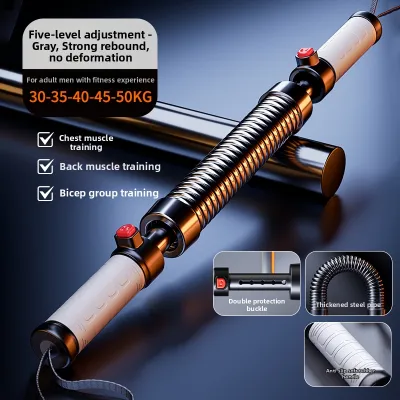
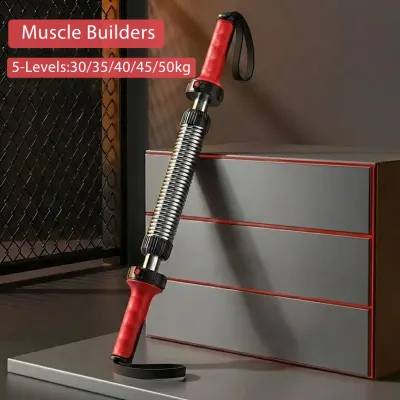
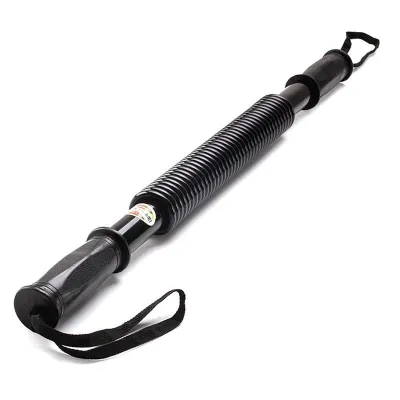
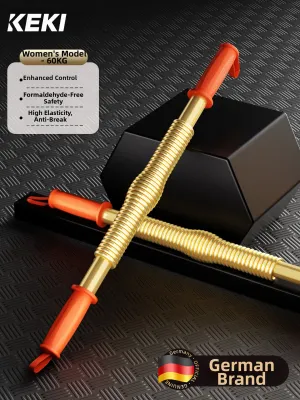
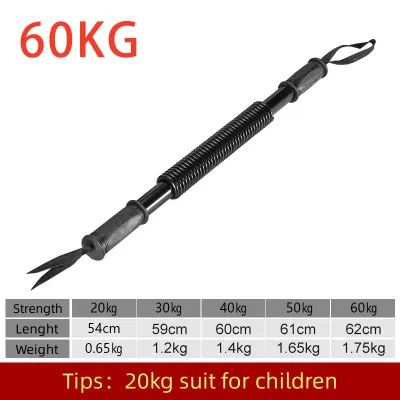
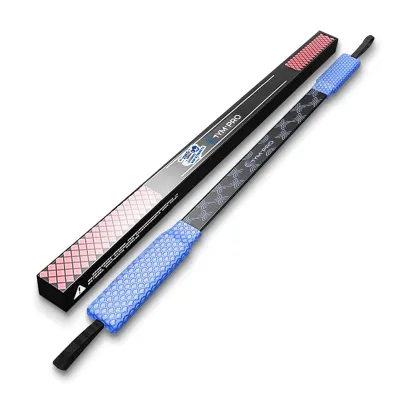
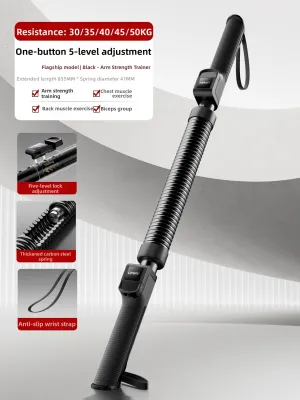
Prices are valid at publication and may change. Please refer to the product page for the latest price.
However, the true spatial footprint of any fitness equipment is dual-layered: there is the static storage size and the dynamic workout space. While a set of dumbbells requires a vertical rack or a dedicated corner, the arm strength bar can be tucked away in a drawer. But when in use, the bar demands a clear dynamic zone. The bending motion forces your elbows outward and requires a stable stance, meaning you cannot simply stand in a tight corridor or right next to a television console while exercising.
This portability makes the arm strength bar exceptionally well-suited for Singapore’s multi-purpose HDB living rooms or bedrooms. If your living room doubles as a home office or a play area for children, you can easily move your workout to a clear spot in the hallway or bedroom without having to drag heavy iron plates or rearrange heavy furniture. It offers a quick, high-resistance workout that can be initiated and packed away in under a minute.
Measuring Your Safe Workout Zone
To ensure your workout does not result in a costly call to a contractor or a trip to the clinic, you must establish a dedicated safe workout zone before your first repetition. The foundation of this zone is your maximum physical reach. Stand in the center of your intended workout space and extend both arms fully to the sides, holding a standard measuring tape or simply visualizing your reach. Add the total length of your arm strength bar to this span to determine your absolute minimum clearance width.

Next, account for the dynamic bending arc. When you compress a power twister, your elbows flare outward and the bar itself bows. This movement alters your center of gravity and expands your lateral footprint. You must also check your overhead clearance, especially if you have low-hanging ceiling fans, pendant lights, or decorative false ceilings common in modern HDB renovations. A sudden upward slip with a high-tension bar can easily shatter a light fixture.
Finally, establish a generous buffer zone. Never exercise directly adjacent to sharp furniture edges, glass coffee tables, or wall-mounted televisions. If your hands slip due to sweat or if you lose your grip mid-rep, the spring will violently snap back to its straight position. This sudden release of kinetic energy can throw your arms outward or cause you to lose your balance. Maintaining a clear buffer of at least one meter beyond your maximum reach in all directions is a highly recommended safety practice.
Smart Storage Solutions for Small Spaces
Storing an arm strength bar in a compact flat is straightforward, but doing so systematically keeps your home clutter-free and extends the lifespan of your equipment. Many modern arm strength bars come equipped with built-in nylon safety wrist straps at both ends. These straps double as excellent hanging loops. You can utilize vertical space by mounting heavy-duty utility hooks inside a utility closet, on the back of a bedroom door, or on a modular pegboard system in your study.
If your bar lacks hanging loops or you prefer to keep your fitness gear completely out of sight, horizontal storage is highly effective. Because of its slim, linear profile, the bar can easily slide under a bed frame, fit flat at the bottom of a wardrobe, or rest inside a shallow storage drawer. Avoid simply leaning the bar against a wall in a high-traffic hallway, as it can easily slide, fall, and damage your vinyl or tile flooring.
Environmental factors are equally important when choosing a storage spot. Singapore’s tropical climate brings high relative humidity, which can accelerate rust on exposed steel springs and degrade rubber or foam grips over time. Avoid storing your bar in high-humidity areas such as service yards, balconies, or near bathroom doors. Keep it away from direct sunlight, which can dry out and crack plastic or rubber handles, reducing your grip safety during future workouts.
Choosing the Right Resistance and Size for Indoor Use
Selecting the appropriate arm strength bar involves balancing your personal physical capability with the physical realities of your indoor environment. A common mistake is purchasing a bar with an excessively high resistance rating to future-proof your workouts. In a confined HDB room, struggling against a spring that is too stiff significantly increases the risk of muscle strain, joint injury, or a sudden loss of control that could send the bar flying into a nearby wall or window.
Before buying, verify the un-bent length of the bar against your own physical proportions. A bar that is too long for your arm span will be awkward to position and bend, forcing your elbows into unnatural angles and increasing the likelihood of striking nearby furniture. Choosing a length that allows you to maintain a natural chest-press posture is essential for both safety and biomechanical efficiency.
Pay close attention to the grip materials and handle design. If you prefer to exercise without air conditioning to save on utility bills, tropical humidity will inevitably lead to sweaty palms. Look for handles featuring deep molded ridges, high-density textured rubber, or non-slip thermoplastic elastomers. Avoid smooth plastic grips, which become incredibly slick when wet. Always ensure the bar features secure, high-strength wrist straps, and wear them consistently during every set to prevent the bar from slipping out of your hands.
Frequently Asked Questions (FAQ)
Can I use an arm strength bar near HDB windows or glass doors?
It is highly discouraged to use an arm strength bar in close proximity to HDB windows, sliding glass balcony doors, or glass shower screens. If the spring slips or your grip fails mid-exercise, the sudden recoil can propel the bar or your elbows directly into the glass, causing dangerous shattering. Always position yourself so that you are facing away from glass surfaces, and maintain a minimum distance of at least 1.5 meters from any glass panels during your workout.
How do I maintain the spring mechanism in a humid climate?
To protect the steel spring from Singapore’s humid air and acidic sweat, wipe down the entire bar with a dry microfiber cloth immediately after every workout. Periodically inspect the spring coils for any signs of surface rust, hairline cracks, or unusual squeaking noises during use. If you notice any structural degradation or a sudden drop in spring tension, discontinue use immediately to prevent the bar from snapping unexpectedly.
Community discussion
Share your experience or ask a question. Comments are reviewed before publication.