
For home workouts in a typical Singapore HDB flat, choosing between a vinyl-coated and a cast iron Decathlon kettlebell comes down to balancing floor protection against grip performance. Vinyl-coated kettlebells are generally the better default choice for most HDB residents because the thick outer layer dampens noise and cushions accidental impacts on delicate flooring. However, if you are an experienced lifter who relies on chalk for high-repetition ballistic movements, a bare cast iron kettlebell offers a superior, more porous grip texture and a more compact profile, provided you invest in dedicated rubber drop mats to safeguard your tiles or vinyl planks.
Your final choice should align with your specific training environment and whether you prioritize floor safety or handle performance. By understanding how these materials behave under different conditions, you can make an informed decision that keeps your workouts effective and your home undamaged.
Floor Protection and Noise in HDB Flats
HDB flats typically feature tiled, vinyl, or laminate flooring over concrete slabs. These materials are highly susceptible to cracking, chipping, or scratching when subjected to the concentrated impact of heavy metal objects. A vinyl-coated kettlebell features a thick, synthetic outer layer wrapped around the iron core. This coating acts as a built-in buffer, absorbing minor bumps and preventing the harsh metal-on-floor contact that can easily shatter a ceramic tile or gouge a laminate plank during a hasty setup or touchdown.
Products mentioned in this guide
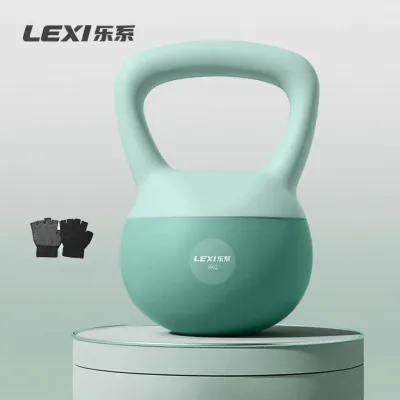

Prices are valid at publication and may change. Please refer to the product page for the latest price.
While the vinyl layer provides excellent protection against minor scuffs and low-velocity contact, it is not a complete substitute for proper lifting habits. It does, however, significantly lower the risk of cosmetic damage during everyday storage and gentle placement. For those who live on higher floors, the dampening effect of the vinyl coating also helps muffle the high-frequency clatter of metal meeting floor, which can easily travel through the concrete structure of the building and disturb downstairs neighbors.
In contrast, a bare cast iron kettlebell possesses no inherent cushioning. Placing a raw iron bell directly onto HDB tiles, even gently, carries a persistent risk of chipping the glaze or cracking the underlying substrate. If you opt for cast iron, you must treat dedicated protective flooring as a mandatory requirement rather than an optional accessory. This means investing in high-density rubber tiles or specialized drop mats that are thick enough to absorb the kinetic energy of a heavy weight.
Furthermore, the acoustic profile of cast iron is much sharper. Accidental drops or even the minor vibrations of setting the bell down after a grueling set of swings can create a loud, low-frequency thud that resonates through shared walls. For early morning or late-night training sessions in close-proximity housing, the noise-dampening properties of a vinyl-coated exterior offer a distinct advantage in maintaining good relations with your neighbors.
Grip Texture, Handle Design, and Sweat Management
The interface between your hand and the kettlebell handle is crucial for both safety and exercise execution. Cast iron kettlebells are highly favored by traditional strength enthusiasts due to the natural porosity of the metal. This textured surface provides a reliable, non-slip grip even when your hands begin to perspire. For high-repetition ballistic movements like snatches and clean-and-presses, the matte finish of cast iron holds gym chalk exceptionally well, allowing the handle to rotate smoothly within your palm without causing excessive friction or blisters.

Vinyl-coated kettlebells, on the other hand, often feature a smoother, non-porous surface on the bell itself, while the handle may either be left bare or covered in a slicker coating. If the vinyl coating extends over the handle, it can become notably slippery when exposed to sweat. In Singapore’s warm and humid climate, sweat accumulation is rapid during home workouts. This requires you to keep a towel nearby to wipe down the handle frequently between sets to maintain a secure hold and prevent the bell from slipping mid-swing.
Additionally, the manufacturing process of vinyl-coated kettlebells can sometimes result in a slightly thicker handle diameter. The layer of vinyl adds bulk, which can alter the ergonomics of the grip. For individuals with smaller hands, a thicker handle can accelerate forearm fatigue during high-rep sets, making it harder to maintain a hook grip. It is important to verify the handle dimensions and ensure that your fingers can comfortably wrap around the bar with a secure overlap.
Conversely, cast iron models maintain a standardized, slimmer handle profile relative to their weight. This allows for more precise hand placement and a more natural grip transition during dynamic movements. If your training routine involves complex, multi-joint exercises where the kettlebell must transition fluidly from a hang to an overhead position, the consistent texture and slimmer diameter of a cast iron handle offer a distinct performance advantage.
Physical Footprint and Movement Clearance
Space is a premium commodity in most HDB flats, where living rooms and spare bedrooms must often double as workout zones. The physical dimensions of your fitness equipment can directly impact your safety and the variety of exercises you can perform. Because vinyl is less dense than iron, a vinyl-coated kettlebell requires a larger physical footprint to achieve the same weight as its cast iron counterpart. The added thickness of the protective coating increases the overall diameter of the bell, making it visibly bulkier.
This larger physical footprint can create clearance challenges during dynamic, close-body movements. For instance, when performing two-handed swings, a wider bell requires a broader stance to prevent the kettlebell from clipping your inner knees or thighs. In a narrow hallway or a living room cluttered with furniture, this extra bulk reduces your margin for error and can restrict your movement path, forcing you to alter your natural biomechanics to avoid collisions.
For advanced exercises like the clean or the snatch, where the kettlebell must rotate around the forearm and rest against the back of the wrist, the bulkier shape of a vinyl-coated bell can alter the point of contact. The larger surface area distributes the weight differently, which can feel awkward or cause discomfort if the bell does not sit snugly against your arm. Cast iron kettlebells, with their compact and dense design, allow for a tighter, more efficient movement path close to the body’s center of mass.
The compact nature of cast iron also ensures that the center of gravity remains highly concentrated. This predictability is beneficial for maintaining balance during single-leg movements, overhead presses, or Turkish get-ups. When training in tight quarters, the smaller profile of a cast iron bell provides greater peace of mind, allowing you to focus entirely on your form rather than worrying about bumping into nearby walls, coffee tables, or television consoles.
Long-Term Durability and Humid Climate Care
Singapore’s year-round high humidity presents unique maintenance challenges for home gym equipment. Over time, moisture in the air can degrade materials, leading to rust or structural wear if the equipment is not cared for properly. Vinyl-coated kettlebells are highly resistant to rust on the coated portions because the synthetic layer acts as an impermeable barrier against moisture and sweat. However, this protection is only effective as long as the vinyl remains intact.
With regular use, especially if the kettlebell is stored on rough surfaces or accidentally bumped against other equipment, the vinyl coating can begin to peel, tear, or split along the seams. Once the coating is compromised, sweat and ambient moisture can seep underneath the vinyl layer, trapping water against the iron core and causing hidden rust to develop. It is essential to inspect the vinyl casing regularly for any signs of lifting or cracking, and to wipe the exterior down with a damp cloth after every session to remove corrosive sweat residue.
Cast iron kettlebells present a different set of maintenance requirements. Without a protective synthetic sleeve, bare cast iron is directly exposed to the humid air and salty sweat. If left damp, cast iron will inevitably develop surface rust. To prevent this, you must establish a strict post-workout drying protocol. After training, thoroughly wipe down the entire kettlebell, paying special attention to the handle and any recessed areas where sweat might pool.
Storing cast iron in a dry, well-ventilated area of your home is crucial. Avoid keeping your weights on open balconies or in damp utility closets where humidity levels are consistently high. If surface rust does begin to appear, it can usually be resolved by gently scrubbing the affected area with a wire brush or steel wool and applying a thin coat of mineral oil or specialized metal protectant. Always check the manufacturer’s care labels and instructions before applying any cleaning agents or oils to ensure they are compatible with the specific finish of your kettlebell.
Decision Framework: Choosing Your Home Kettlebell
To make the right choice for your HDB home gym, you must evaluate your training style, your living space, and your willingness to invest in auxiliary protective gear. Neither material is universally superior; instead, each serves a distinct profile of home fitness enthusiast. By matching your specific constraints to the characteristics of each material, you can select a tool that enhances your workouts while preserving the integrity of your living space.
You should choose a vinyl-coated Decathlon kettlebell if your primary concern is protecting your floors without laying down bulky, industrial-looking rubber mats in your living room. This option is ideal for beginners or casual fitness enthusiasts who perform mostly controlled, slow-tempo lifts such as squats, lunges, and deadlifts. The built-in cushioning and noise-dampening properties of vinyl make it a highly practical, low-maintenance choice for apartment dwellers who prioritize a quiet, neighbor-friendly workout environment.
Conversely, you should opt for a cast iron Decathlon kettlebell if you are committed to serious strength training and plan to perform high-repetition ballistic movements like swings, cleans, and snatches. The superior grip texture, compatibility with gym chalk, and compact physical profile of cast iron are essential for maintaining control during intense, sweaty sessions. However, this choice requires a commitment to safety: you must pair the cast iron bell with high-density rubber flooring or dedicated drop mats to prevent catastrophic damage to your HDB tiles.
Before making your final purchase, always verify the specific requirements of your home’s flooring. Some modern vinyl planks or engineered wood floors can still suffer from pressure indentation or discoloration when subjected to heavy, static loads over time, regardless of whether the kettlebell is coated in vinyl or made of bare iron. Placing a simple, thin yoga mat or a dedicated equipment mat under your storage area is a highly recommended precautionary measure to ensure your floors remain pristine.
Frequently Asked Questions (FAQ)
Can I use a cast iron kettlebell directly on HDB tiles?
No, you should never use a cast iron kettlebell directly on bare HDB tiles. Ceramic, porcelain, and homogenous tiles are brittle and can easily crack or chip under the concentrated impact of a heavy metal object, even during a gentle touchdown. A single accidental drop from waist height can shatter a tile, leading to costly repairs and potential disputes if you are renting. If you choose a cast iron kettlebell, it is mandatory to use a thick, high-density rubber drop mat or interlocking gym tiles to absorb the impact and distribute the weight safely. Always check your home insurance or tenancy agreement regarding floor damage before beginning heavy strength training at home.
Does the vinyl coating affect the actual weight of the kettlebell?
No, the vinyl coating does not alter the nominal weight of the kettlebell. Decathlon kettlebells are manufactured to meet specific weight standards, meaning an 8kg vinyl-coated kettlebell and an 8kg cast iron kettlebell will weigh the same. The vinyl coating is factored into the overall design, though the physical size of the vinyl-coated model will be slightly larger to accommodate the protective layer. Standard consumer fitness equipment always has a minor manufacturing weight tolerance, but this variance is typically negligible for general fitness and strength training purposes. If your training program requires absolute precision, you can verify the weight on a calibrated scale, but for home workouts, both options will provide the exact resistance indicated on the label.
Community discussion
Share your experience or ask a question. Comments are reviewed before publication.