
The Short Answer: Which Golf Towel Should a Beginner Buy?
For most beginners, a microfiber golf towel is the most forgiving, practical, and versatile choice. Its high absorbency and split-fiber construction allow you to lift fine dirt, sand, and grass stains from your club faces with minimal effort. Because beginners often hit off-center shots that slide face-first into the turf, having a towel that effortlessly lifts dirt without requiring intense scrubbing makes your early rounds much more enjoyable.
However, a waffle weave golf towel is the superior choice if you prioritize quick drying in highly humid environments, such as Singapore’s tropical climate. Waffle towels are also ideal if you prefer a traditional aesthetic and primarily need to wipe away light moisture, dew, and golf ball debris rather than heavy, caked-on mud. If you frequently play early morning rounds when the grass is soaked with dew, a waffle towel will dry much faster on your bag than a standard microfiber option.
Ultimately, the best choice depends on your local course conditions, how often you play in wet weather, and your willingness to follow specific laundry instructions. While microfiber offers superior deep-cleaning capabilities, waffle weave excels in moisture management and ease of maintenance.
Products mentioned in this guide
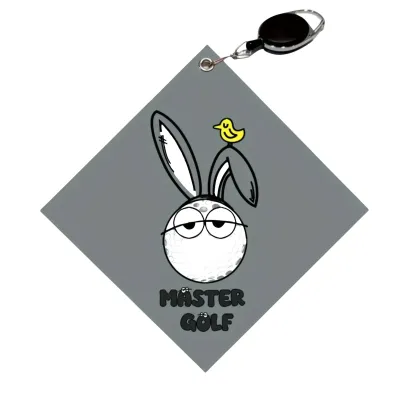
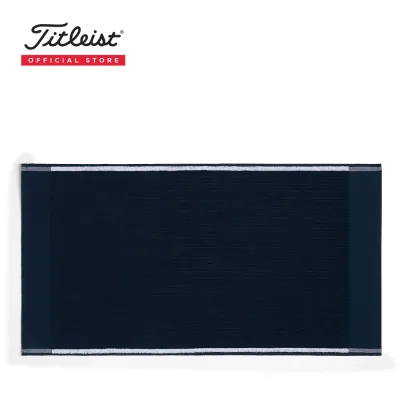
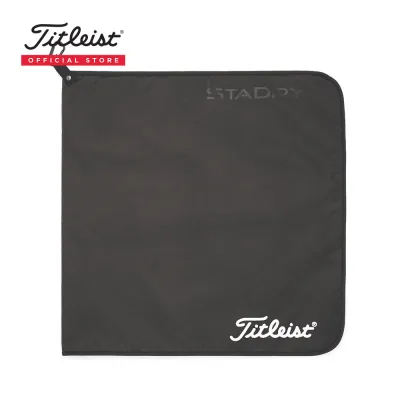
![[SG FREE ]Golf Towel Wet And Dry Golf Cleaning Cloth Perfect For Golfers Cleaning Cloths With Retractable Hook Easy To](https://img.lazcdn.com/g/p/7d21fe30bcc796dd66265b7ba6dee847.jpg_400x400q80.jpg_.webp)
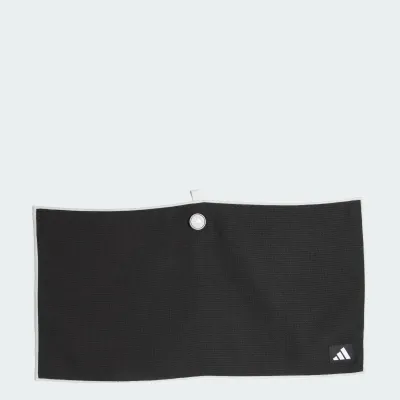
![[SWANS] Quick Dry Anti-bacterial Sports Towel SA-28](https://img.lazcdn.com/g/p/mdc/a80534773b2050362e64f235c363aa61.jpg_400x400q80.jpg_.webp)
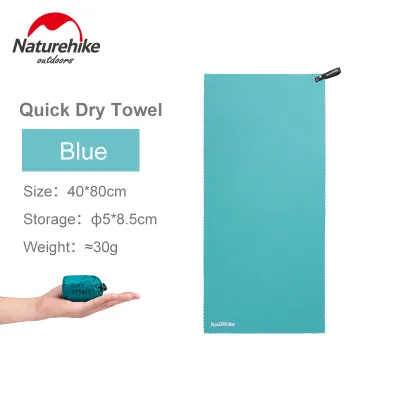
Prices are valid at publication and may change. Please refer to the product page for the latest price.
Material Breakdown: Waffle Weave vs Microfiber Construction
To understand why these two towels perform differently on the course, you must look at how they are constructed. The physical shape of the yarn and the way it is woven into fabric dictate how the towel interacts with water, dirt, and your golf equipment.

Waffle Weave Construction
Waffle weave is not actually a unique material, but rather a specific weaving technique. It is characterized by a recessed, three-dimensional grid pattern that closely resembles a culinary waffle. This honeycomb texture is traditionally woven from cotton, though modern sports versions often utilize synthetic polyester blends.
The magic of the waffle weave lies in its structural depth. The raised ridges of the grid act as physical scraping edges, while the recessed squares trap and hold moisture away from the surface of your clubs. This design creates a high surface area within a relatively compact footprint, allowing the towel to remain lightweight while offering excellent scrubbing power.
Microfiber Construction
Microfiber is a synthetic material typically composed of a blend of polyester and polyamide (nylon). To qualify as microfiber, the individual strands must be finer than a single denier, which is roughly one-hundredth the diameter of a human hair. During manufacturing, these fibers are chemically or mechanically split, creating a star-shaped cross-section with microscopic channels.
These tiny, split-fiber channels act like millions of microscopic hooks. Instead of simply pushing dirt and water around, microfiber grabs and locks debris deep within its structure using capillary action and a mild electrostatic charge. This allows the towel to clean highly polished surfaces, such as driver crowns and golf ball covers, without leaving streaks or fine scratches.
These structural differences mean that while waffle weave relies on mechanical scraping via its raised grid pattern, microfiber relies on microscopic trapping via its dense, split-fiber surface.
Performance Comparison on the Golf Course
Choosing the right towel requires evaluating how these materials perform under real-world playing conditions. From handling tropical humidity to cleaning mud out of wedge grooves, each material has distinct strengths and weaknesses.
Absorbency and Drying in Humid Climates
Playing golf in a hot, humid climate presents unique challenges for gear maintenance. In environments with high relative humidity, a wet towel hanging on your golf bag can quickly become a heavy, soggy, and foul-smelling liability.
- Microfiber: Microfiber is incredibly thirsty, capable of holding up to seven to eight times its weight in water. While this high absorbency is excellent for drying off wet grips or wiping down sweaty hands, it comes with a major drawback in humid climates. Once a dense microfiber towel becomes saturated, it holds onto that moisture tenaciously. If left bunched up in your golf bag or stored in a humid locker, it dries very slowly and can quickly develop a damp, musty odor.
- Waffle Weave: Waffle weave towels generally have a lower absolute water-holding capacity than high-pile microfiber, but they dry significantly faster. The open, grid-like structure allows air to flow freely through the fabric, accelerating evaporation. Even on humid afternoons, a wet waffle towel hanging from your bag will dry quickly between holes. This rapid drying cycle prevents the growth of mildew and keeps your towel smelling fresh throughout the season.
For beginners playing in tropical or coastal regions where afternoon downpours and high humidity are common, the rapid drying speed of a waffle weave towel often outweighs the raw absorbency of microfiber.
Cleaning Club Grooves and Golf Balls
Maintaining clean club face grooves is essential for consistent ball flight and spin control. When dirt, grass, or water gets trapped between the club face and the ball, it reduces friction, leading to unpredictable “fliers” that overshoot the green.
- Microfiber: Microfiber excels at lifting fine dust, sand, and grass juices from the flat surfaces of your clubs. Its dense pile conforms to the shape of the club face, polishing the metal and leaving a streak-free finish. It is also the perfect material for wiping down golf balls on the green, as it quickly removes moisture and mud film to ensure a true roll. However, because the fibers are so fine, they can struggle to dig out thick, clay-like mud that has dried inside deep iron and wedge grooves.
- Waffle Weave: The raised, semi-rigid ridges of a waffle weave towel act like a series of miniature squeegees. When you slide the towel across your iron face, these ridges physically scrape mud, wet sand, and grass clippings out of the grooves. This mechanical scraping action makes waffle weave highly effective for cleaning wedges after hitting out of a wet bunker or a muddy lie. While it may not polish the club face to the same streak-free shine as microfiber, it is incredibly efficient at removing heavy debris.
If you tend to play on well-manicured, dry courses where dust and light grass stains are your primary concern, microfiber is ideal. If you frequently play on damp, muddy courses where your grooves constantly get packed with turf, the scraping power of waffle weave is invaluable.
Debris Retention and Everyday Maintenance
Golf towels are exposed to a variety of outdoor elements, including freshly cut grass, dry leaves, twigs, sand, and sunscreen oils. How a towel handles this debris dictates how easy it is to maintain over time.
- Microfiber: The primary weakness of microfiber is its tendency to act like a magnet for organic debris. The same microscopic hooks that trap dirt also grab onto dry grass clippings, pine needles, and burrs. Once these particles get embedded in a high-pile microfiber towel, they are incredibly difficult to shake loose. You will often find yourself picking debris out of the fibers by hand before throwing the towel in the washing machine. Additionally, microfiber easily absorbs oils from sunscreen and sweat, which can clog the fibers over time if not washed correctly.
- Waffle Weave: Waffle weave towels are highly resistant to debris retention. Because the surface lacks a dense, fuzzy pile, grass clippings and sand have nothing to cling to. A simple, vigorous snap of the towel is usually enough to dislodge any loose debris before you head to the next tee. Furthermore, the flat, textured weave is highly forgiving in the laundry, releasing dirt and oils easily without holding onto stubborn outdoor odors.
For beginners who want a low-maintenance option that can be quickly cleaned on the course and thrown into a standard wash cycle without fuss, waffle weave is the more practical choice.
Side-by-Side Waffle vs Microfiber Comparison Table
To help you quickly compare these two materials, the table below summarizes their performance across key dimensions:
| Performance Dimension | Microfiber Towel | Waffle Weave Towel |
|---|---|---|
| Absorbency Capacity | High (Holds maximum water volume) | Moderate (Sufficient for daily rounds) |
| Drying Speed | Slow to Moderate (Can stay damp in humidity) | Fast (Open grid allows high airflow) |
| Groove Cleaning Power | Surface wiping (Best for dust and polish) | Deep scraping (Best for packed mud/grass) |
| Debris Shedding | Poor (Traps grass, twigs, and sand) | Excellent (Debris shakes off easily) |
| Wash & Care Ease | Requires specific care (No fabric softeners) | Standard wash (Highly forgiving fabric) |
| Best Climate Match | Dry, temperate, or variable climates | Humid, wet, or tropical climates |
The Final Verdict: How to Choose the Right Towel for Your Bag
To make your final decision, evaluate your playing style, local weather, and maintenance preferences against the following framework.
Choose Microfiber if…
- You prioritize maximum absorbency and want a towel that can dry off wet grips, sweaty hands, and golf balls during a rainy round.
- You play mostly on dry, sandy, or dusty courses where deep mud scraping is rarely required.
- You want a streak-free, polished finish on your club heads and golf balls.
- You do not mind following specific washing instructions (avoiding fabric softeners) and hand-picking grass clippings out of the fabric.
Choose Waffle Weave if…
- You frequently play in high humidity, heavy morning dew, or wet tropical conditions where quick drying is essential.
- You need a towel that can easily scrape heavy mud, wet sand, and packed grass out of your iron and wedge grooves.
- You want a low-maintenance towel that you can quickly shake clean on the course and wash with your regular laundry.
- You prefer a classic, textured aesthetic that coordinates well with traditional golf bags.
- You want to avoid the musty, damp odors that can develop in synthetic fabrics stored in humid environments.
Neither may fit if…
- You are looking for a specialized cooling towel designed to lower your body temperature during hot summer rounds. Cooling towels are typically made from ultra-thin, chemical-free evaporative fabrics that must be soaked in water and snapped to activate. They are designed for wearing around your neck rather than cleaning dirty golf clubs.
- You need to clean heavily rusted or deeply encrusted club grooves that have been neglected for months. In this scenario, neither towel can replace a dedicated metal groove-cleaning tool or a stiff nylon/wire club brush.
Verify first if…
- You are purchasing a premium or branded golf towel. Always check the manufacturer's care label and material composition before buying. Many modern golf towels labeled as "waffle towels" are actually constructed from a synthetic microfiber blend woven into a waffle pattern. These hybrid towels offer a great compromise, combining the scraping power and quick-drying properties of the waffle weave with the high absorbency of microfiber.
As a practical tip for beginners, start by purchasing one high-quality towel of either material. Spend a few rounds observing how it handles your local course conditions and how easy it is to keep clean. Over time, your personal routine will guide you toward the perfect setup for your bag.
Frequently Asked Questions (FAQ)
Can I carry both a waffle and a microfiber towel?
Yes, carrying both materials is a highly effective strategy used by many experienced golfers. You can attach a rugged waffle weave towel to the outside of your golf bag using a carabiner or magnetic clip, using it exclusively for dirty work like scraping mud from club grooves, wiping down dirty golf balls, and cleaning your shoes.
Meanwhile, you can keep a clean, dry microfiber towel tucked inside your bag or draped over your umbrella. This second towel remains pristine and dry, reserved specifically for wiping sweat from your hands, drying wet club grips, or polishing your sunglasses and driver crown.
How should I wash microfiber towels to maintain their absorbency?
To preserve the cleaning power and absorbency of microfiber, you must follow a few critical washing rules. Before washing, check the manufacturer’s care label on your specific towel.
Always wash microfiber towels in cold or warm water with a mild liquid detergent. Never use fabric softeners or dryer sheets; these products coat the microscopic split fibers with a thin layer of wax or silicone, clogging the channels and permanently destroying the towel’s absorbency.
Additionally, avoid washing microfiber with cotton towels or clothing. The microfiber will act like a magnet, pulling lint off the cotton items and ruining its cleaning efficiency. Air dry the towel or tumble dry on low heat, as high heat can melt the synthetic fibers.
Does the towel size or attachment clip matter more than the material?
While the material dictates how well the towel cleans and dries, the size and attachment system dictate how convenient it is to use during your round. A towel that is too small will quickly become saturated and dirty, leaving you with no clean corners by the back nine. Look for a standard rectangular golf towel (approximately 40 x 50 cm or larger) to ensure you have plenty of clean surface area.
The attachment system is equally important. A sturdy carabiner, heavy-duty grommet, or integrated magnetic patch keeps your towel securely attached to your bag or cart. This prevents it from falling onto the wet grass or getting lost on the course, ensuring it is always within arm’s reach when you need to clean a club before your next shot.
Community discussion
Share your experience or ask a question. Comments are reviewed before publication.