
To fit a walking machine comfortably into a typical Singapore HDB flat without blocking essential walkways, you need a compact model with a footprint of less than 1.2 square metres when in use, a flat-folding profile under 15 cm for easy storage, and built-in transport wheels. Balancing a space-saving frame with a usable walking belt of at least 100 cm in length and 40 cm in width ensures a safe, natural stride while preserving your living room or bedroom layout.
Space is at a premium in modern BTO (Build-To-Order) flats and older HDB units alike. Finding fitness equipment that does not turn your living room or bedroom into an obstacle course requires careful planning.
Walking pads and compact folding treadmills offer excellent solutions for staying active at home. However, their suitability depends entirely on matching their physical dimensions to your specific household layout and daily routine.
Products mentioned in this guide
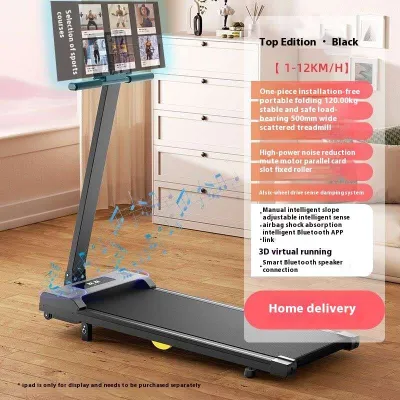
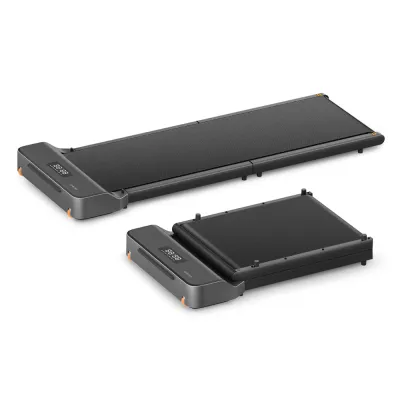
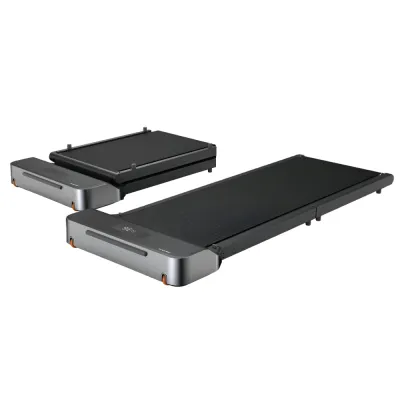
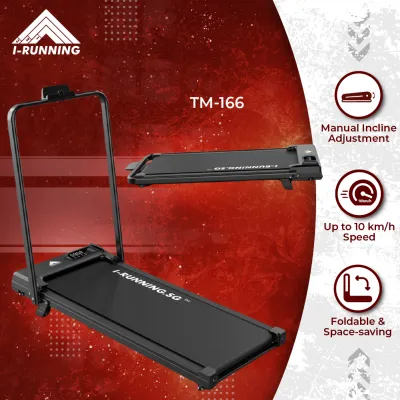
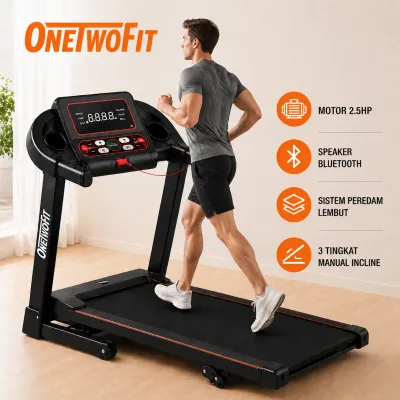
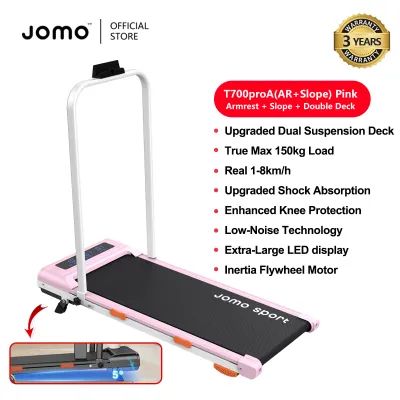
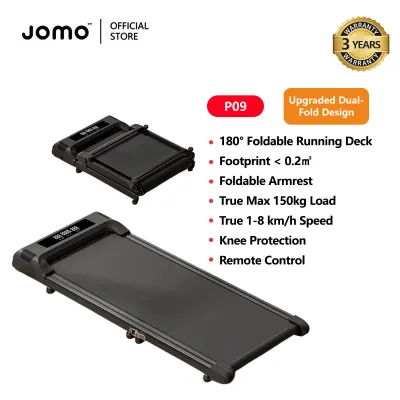
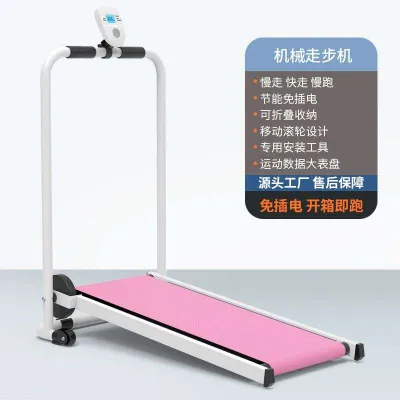
Prices are valid at publication and may change. Please refer to the product page for the latest price.
How to Measure Your HDB Space Before Buying
Before purchasing any fitness equipment, you must map out the exact spot where the machine will operate. Use a measuring tape to mark the length and width on your floor, ensuring you account for the swing of nearby wardrobe doors, bedroom doors, or cabinet drawers.
Walkways must remain clear to maintain a safe and comfortable home environment. In an HDB flat, corridors and pathways between furniture are often tight, so a walking machine should not force family members to squeeze past or step over it. Aim to maintain at least 60 cm of clear walking space around the sides of the machine when it is set up.
Consider the delivery route from the lift lobby to your designated room. Many buyers forget that fitness equipment arrives in large, heavy boxes that require wide turning radiuses. You must measure the width of your main entryway, bedroom doors, and any narrow corridors inside your flat to ensure the delivery team can safely maneuver the package into your home.
Check the passenger lift dimensions if you live on a high floor. The boxed machine must fit inside the lift cabin without damaging the walls or the equipment itself. Measure the lift door opening and the internal cabin depth, as some long treadmill boxes cannot be tilted easily and may require manual carrying up the stairs.
Evaluate ceiling height constraints, especially if you are tall or considering a machine with an incline feature. Standard HDB ceilings are typically around 2.6 metres high. You must calculate your combined height when standing on the deck to avoid hitting your head on ceiling fans, light fixtures, or structural beams during your workout.
Balancing the Machine Footprint With Usable Belt Size
It is crucial to distinguish between the total footprint of the machine and the actual walking surface. The total footprint is the entire area the machine occupies on your floor, including the motor cover, side rails, and console frame. The usable belt size is the actual moving surface where your feet land, which is always smaller than the overall frame.

Determine the minimum belt width required for safe operation. For comfortable walking, a belt width of at least 40 cm is recommended for most users. If the belt is too narrow, you risk stepping onto the non-slip side rails, which can cause a sudden loss of balance or a fall.
Match the belt length to your height and walking speed. Your height and walking speed dictate how long the belt needs to be. A user under 1.7 metres tall can usually walk comfortably on a belt length of 100 cm to 110 cm, while taller users or those who take longer strides may require a length of 120 cm or more to prevent their feet from slipping off the back.
Compare compact walking pads with standard folding treadmills. Walking pads are designed strictly for walking or light jogging, featuring a low-profile deck without a bulky console. This design makes them incredibly space-efficient, often taking up less than 1 square metre of active floor space and folding completely flat.
Standard folding treadmills offer more robust frames, higher speeds, and handrails, but they occupy a much larger footprint. Even when folded, standard treadmills usually stand upright at an angle or require a dedicated corner, making them better suited for larger HDB living rooms rather than compact study rooms or bedrooms.
Space-Saving Features That Maximize Your Floor Plan
Examine the folding mechanism of the machine before making a decision. Standard folding treadmills often use a hydraulic soft-drop system, which assists in lowering the deck safely to the floor without heavy lifting. While convenient, these machines still have a significant folded footprint and cannot be tucked away out of sight.
Look for 180-degree or flat-folding capabilities. Some modern walking pads feature a patented folding deck that folds completely in half, reducing the storage length by 50 percent. This allows the machine to be stored vertically against a wall or tucked into a narrow closet when not in use.
Check for built-in transport wheels at the base of the frame. Because walking machines can weigh anywhere from 20 kg to over 50 kg, moving them manually can cause back strain. High-quality transport wheels at the front of the frame allow you to tilt the machine and roll it smoothly across your vinyl, tile, or parquet flooring.
Measure the folded height for under-furniture storage. If you plan to slide your walking pad under a sofa or bed, you must measure the clearance height of your furniture. Many flat-folding walking pads have a folded profile of 12 cm to 15 cm, which easily slides under raised bed frames or modern sofas.
Consider under-desk walking pads for multi-functional spaces. If you work from home in a compact study, an under-desk walking pad can be paired with a standing desk. This setup allows you to accumulate steps during virtual meetings and slide the pad away under your desk once your workday is complete, leaving the floor clear.
Safe Placement and Setup in Compact Rooms
Prioritise safety clearances around the machine to prevent injury or wall damage. Manufacturers typically recommend leaving at least 1 to 2 metres of clear space behind the treadmill and 0.5 metres on either side. In a tight HDB bedroom, this can be challenging, but maintaining a clear zone behind the belt is critical to prevent you from being trapped against a wall if you trip.
Protect your HDB flooring from damage. The weight of the machine combined with the impact of your steps can scratch parquet, dent vinyl, or crack tiles over time. Placing a high-density PVC or rubber equipment mat under the machine distributes the weight evenly and prevents the frame from sliding during use.
Mitigate noise and structural vibrations for downstairs neighbors. Living in a multi-story HDB flat means your downstairs neighbors can easily hear the thudding of your footsteps. A thick, shock-absorbing mat is essential to dampen the low-frequency vibrations that travel through the concrete floor slab, especially during early morning or late-night sessions.
Ensure proper motor ventilation to prevent overheating. Walking machine motors generate heat during operation and require adequate airflow. Avoid placing the motor hood directly against curtains, bedding, or soft furniture, and keep the area free of dust and pet hair to maintain optimal performance.
Plan your power outlet access carefully. Walking machines should be plugged directly into a wall socket rather than a cheap extension trailing across the room, which poses a severe tripping hazard. Position the machine close to an outlet, and ensure the power cord is routed safely away from the walking path and the folding joints of the machine.
Frequently Asked Questions (FAQ)
Can I place a walking machine on an HDB balcony?
It is generally not recommended to place a walking machine on an HDB balcony. Singapore’s tropical climate brings high humidity, heavy rain splashes, and intense direct sunlight, all of which can rapidly degrade electronic consoles, rust metal frames, and void your manufacturer’s warranty. If you must use a semi-outdoor space, check the manufacturer’s environmental operating specifications and ensure the machine is completely shielded from the elements with a weatherproof cover when not in use.
Do under-desk walking pads provide the same workout as standard models?
Under-desk walking pads are designed specifically for low-intensity, steady-state movement and typically top out at speeds of 6 km/h to 8 km/h without any incline options. Standard treadmills offer much higher speeds, robust handrails, and motorized incline features that allow for high-intensity cardiovascular workouts. While walking pads are excellent for burning calories and reducing sedentary time during work, they cannot replicate the intense training capabilities of a full-sized treadmill.
How do I reduce noise and vibration for downstairs neighbors?
To minimize noise transmission in an HDB flat, place a high-density, shock-absorbing rubber mat beneath your walking machine to absorb impact vibrations. Additionally, perform regular maintenance by lubricating the walking belt according to the user manual and tightening any loose bolts to eliminate mechanical rattling. Walking with a smooth, mid-foot strike rather than heavy heel strikes also significantly reduces the thudding sound transmitted through the concrete floor.
Community discussion
Share your experience or ask a question. Comments are reviewed before publication.