
Living in an HDB flat requires a smart approach to space management. When introducing a walking treadmill, the primary challenge is balancing fitness goals with physical space limits. A machine that looks compact in a spacious showroom can quickly overwhelm a typical HDB living room or bedroom, turning a convenient workout tool into a frustrating physical obstacle.
To keep your home safe and functional, you must distinguish between the machine’s stored footprint and its operational footprint. The stored footprint refers to the space the treadmill occupies when folded or tucked away under furniture. In contrast, the operational footprint includes the actual space required while the belt is moving, which must account for your body’s movement and necessary safety clearances. Neglecting this distinction often leads to blocked walkways and a cramped living environment.
HDB layouts, particularly in newer Build-To-Order (BTO) flats, feature cozy bedrooms and living areas where every square meter counts. Standard walkways within these rooms require a clear path of at least 60 to 70 centimeters to allow household members to move comfortably. Placing a walking treadmill directly in these natural pathways disrupts the flow of daily life and creates a significant tripping hazard, especially in households with young children or elderly family members.
Products mentioned in this guide
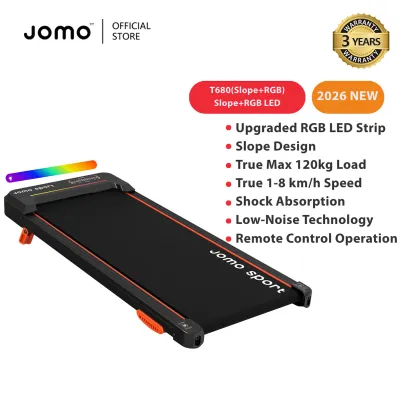
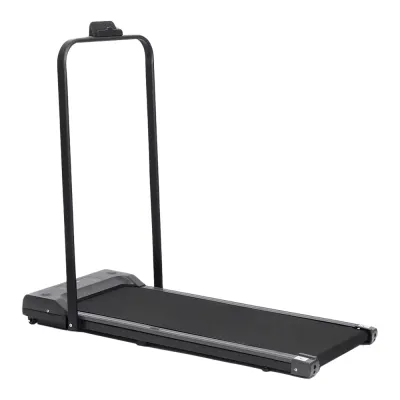
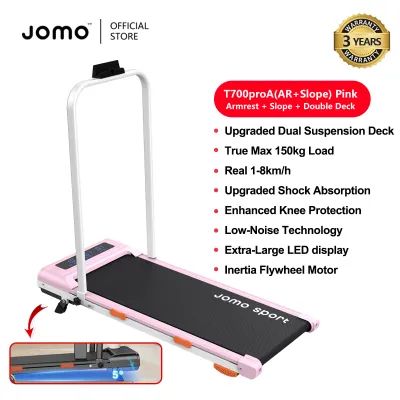

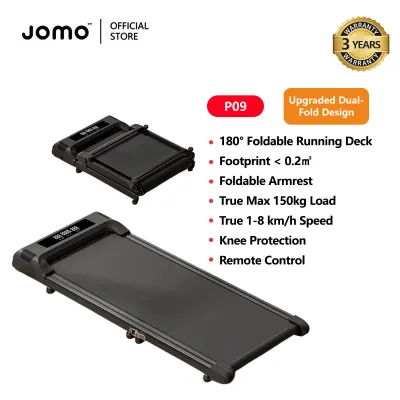
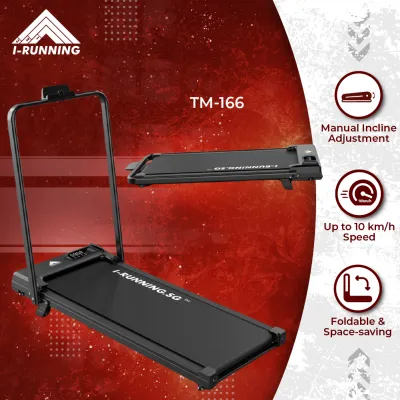
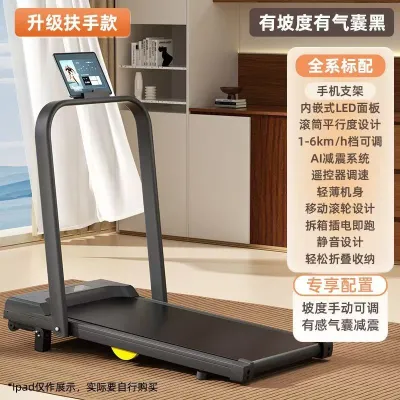
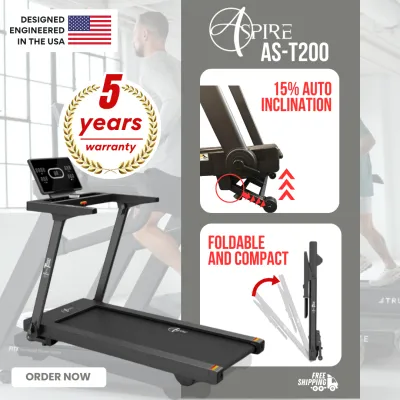
Prices are valid at publication and may change. Please refer to the product page for the latest price.
Before making a purchase, plan the delivery route from the lift lobby to your designated room. Measure the width of your main entrance, hallway turns, and bedroom doors to ensure the boxed treadmill can pass through safely. Many HDB corridors have tight corners, and standard bedroom doors often measure around 80 to 85 centimeters in width, which can be a tight squeeze for larger, non-folding treadmill models.
How to Measure Your Room for a Walking Treadmill
Determining the maximum treadmill size your flat can accommodate requires a systematic measurement process. Start by clearing the intended area and using a physical measuring tape to record the available length and width of the floor space. Do not rely solely on the dimensions listed on your HDB floor plan, as baseboards, wall pillars, and electrical trunking can reduce the actual usable floor area by several centimeters.
Ceiling height is another critical factor that is easily overlooked when planning for a walking treadmill. While walking pads generally have a low profile, stepping onto the running deck still elevates your height by 10 to 15 centimeters. If your treadmill features an incline option, this elevation increases further. Measure your ceiling height and compare it to the height of the tallest user in your household plus the deck height of the treadmill, ensuring there is plenty of clearance to avoid any contact with ceiling fans or low-hanging light fixtures.
Safety buffers are non-negotiable when setting up any motorized fitness equipment. Manufacturers typically recommend leaving a minimum clearance of 50 centimeters on both sides of the walking belt and at least 100 centimeters of open space directly behind the machine. This rear safety zone is crucial; if you lose your footing or need to step off the belt quickly in an emergency, you must have a clear area to land safely without colliding with a wall or furniture.
Additionally, map out the locations of your electrical wall outlets relative to where the treadmill will stand. Walking treadmills draw a significant amount of power and should ideally be plugged directly into a dedicated wall socket rather than a multi-way extension cord. Running a heavy-duty power cable across a high-traffic walkway to reach a distant outlet is a major safety hazard that can lead to trips, falls, or damage to the power cord itself.
Evaluating Treadmill Design Features for Compact Rooms
When shopping for a walking treadmill suitable for a compact HDB flat, the structural design of the machine plays a pivotal role in how well it integrates into your home. Flat-folding models, often referred to as walking pads, are designed to fold completely flat or slide directly under low furniture like sofas and bed frames. This design is highly advantageous for multi-purpose rooms, as it allows you to reclaim your entire floor space immediately after your workout is complete.

In contrast, upright folding treadmills fold at a hinge near the console, allowing the deck to stand vertically against a wall. While this design dramatically reduces the floor footprint, it requires a reliable and secure locking mechanism to prevent the heavy deck from accidentally falling forward. If you choose an upright folding model, ensure that the vertical height of the folded machine does not block window views, wall-mounted televisions, or air conditioning units.
The presence or absence of handrails also significantly impacts both the usability and the storage requirements of the machine. Sleek, handrail-free walking pads offer the ultimate space-saving profile, but they require excellent balance and may not be suitable for users who need physical support while walking. Models with foldable handrails offer a practical compromise, but you must verify whether the handrails fold completely flush with the deck or if they add extra bulk that prevents the machine from sliding under your bed.
Finally, always check the manufacturer’s specifications regarding the machine’s weight and weight capacity. While HDB floor slabs are engineered to support heavy residential loads, a heavy treadmill concentrated on a small surface area can put stress on certain types of flooring. Choosing a machine with a sturdy yet manageable weight ensures that you can move it for storage without straining your back or damaging your floors.
Creating a Practical Placement and Storage Plan
A successful placement plan ensures that your walking treadmill enhances your lifestyle without disrupting your household’s daily routines. Position the machine in a spot that does not obstruct natural traffic paths, such as the walkway between your bed and the bathroom, or the main path through your living room. Additionally, avoid placing the treadmill directly in front of built-in wardrobes or storage cabinets, as this will require you to move the machine every time you need to access your belongings.
Consider the environmental conditions of your chosen spot, particularly in relation to ventilation and cooling. Working out in Singapore’s warm and humid climate requires adequate airflow to keep you comfortable and prevent overheating. Position your treadmill where you can benefit from natural cross-ventilation from windows or within the direct airflow path of an air conditioning unit or ceiling fan, while ensuring the machine itself does not block these air sources for the rest of the room.
If your routine involves setting up and tearing down the treadmill daily, realistically evaluate the physical effort involved. Look for models equipped with high-quality transport wheels on the base, which allow you to tilt and roll the machine easily across different floor surfaces. If the setup process is too cumbersome or requires heavy lifting, you may find yourself leaving the machine permanently unfolded, defeating the purpose of choosing a compact, storable design.
Protecting your HDB flooring and maintaining good relations with your neighbors are also essential aspects of your placement plan. Walking on a treadmill generates repetitive impact noise and vibrations that can easily travel through the concrete floor slab of an HDB flat, potentially disturbing neighbors living directly below you. Placing a high-density, shock-absorbing rubber floor mat under your treadmill is a simple and highly effective way to protect your vinyl, laminate, or tile floors from scratches while significantly dampening operational noise.
Frequently Asked Questions (FAQ)
Can I place a walking treadmill on an HDB balcony?
Storing or using a walking treadmill on an HDB balcony is generally not recommended due to environmental risks. Singapore’s tropical climate brings high humidity, intense direct sunlight, and sudden heavy rain showers, all of which can severely damage the sensitive electronic consoles, rust the steel frame, and degrade the walking belt. Always consult the manufacturer’s guidelines, as exposing the machine to outdoor or semi-outdoor elements typically voids the warranty. Furthermore, balconies must remain clear of large obstructions to ensure they do not block emergency escape routes or access to utility areas.
Do I need a special floor mat for my HDB flat?
Yes, using a dedicated fitness equipment mat is highly recommended when operating a walking treadmill in an HDB flat. Heavy cardio equipment can easily leave permanent indentations on softer flooring materials like vinyl or wood laminate, and can scratch ceramic or homogenous tiles during movement. A high-density rubber or PVC mat acts as a protective barrier, while also absorbing the vibrations and impact noise generated by your footsteps, preventing sound from transferring through the concrete floor to the flat below.
Community discussion
Share your experience or ask a question. Comments are reviewed before publication.