
When shopping for an air tent for camping, the waterproof rating—expressed as a hydrostatic head (HH) measurement in millimeters—is the single most important specification determining how dry you will stay during a downpour. For inflatable tents, which rely on pressurized air beams instead of rigid fiberglass or metal poles, understanding this rating is critical. The rating tells you exactly how much water pressure the fabric can withstand before moisture begins to seep through.
However, a high number on paper does not automatically guarantee a dry camping experience. Inflatable structures introduce unique structural dynamics, tension patterns, and seam configurations that directly influence how water behaves on the tent’s surface. To choose the right model, you must understand how hydrostatic head is tested, how air beam tension affects water runoff, and which rating matches your specific camping environment.
What Is Hydrostatic Head and How Is It Tested?
Hydrostatic head is the industry-standard metric used to quantify the water resistance of tent fabrics. Measured in millimeters (mm), it indicates the height of a theoretical column of water that the fabric can support before water droplets penetrate the material. For example, a fabric rated at 3000mm can withstand a three-meter-high column of water pressing down on it before leaking.
Products mentioned in this guide
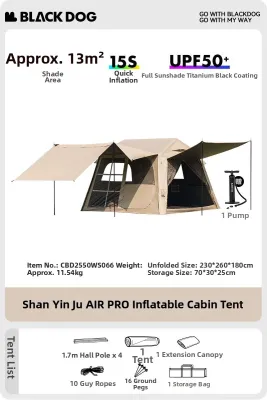
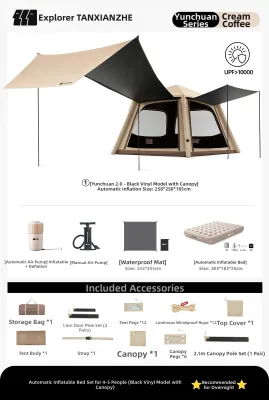
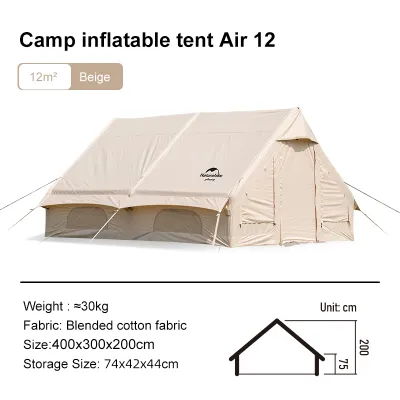
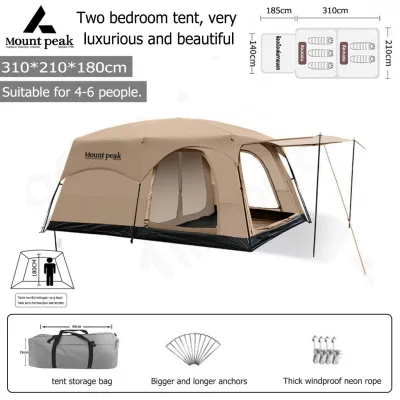
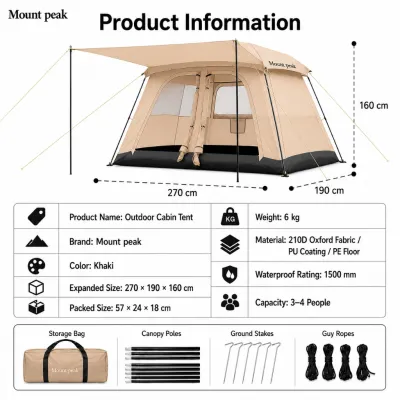
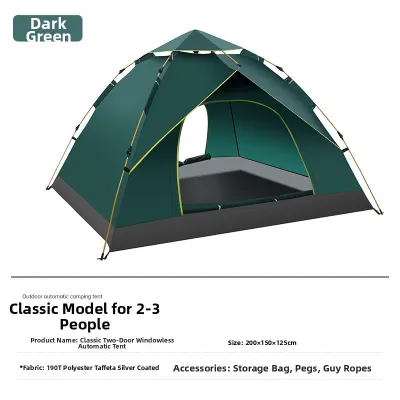
Prices are valid at publication and may change. Please refer to the product page for the latest price.
To determine this rating, laboratory technicians perform a standardized water column test. A piece of the tent fabric is clamped tightly at the bottom of a graduated tube. Water is then poured into the tube, or pressurized mechanically, to simulate the increasing weight of standing water or driving rain. The test continues until three drops of water successfully penetrate the fabric, at which point the height of the water column is recorded as the hydrostatic head rating.
It is important to distinguish this pressure-based rating from surface water repellency. Many tents feature a Durable Water Repellent (DWR) chemical coating on the exterior, which causes water to bead up and roll off the fabric. While DWR prevents the fabric from absorbing water and becoming heavy, it does not stop water from forcing its way through the weave under pressure. That structural resistance is solely the job of the inner polyurethane (PU) or silicone coating, which determines the hydrostatic head rating.
While hydrostatic head provides a reliable baseline, real-world performance is never based on a single metric. The density of the fabric weave, the specific chemical composition of the waterproof coating, and the overall construction quality of the tent all play vital roles in how the material performs under sustained rainfall.
How Air Beam Construction Affects Water Resistance in an Air Tent for Camping
Inflatable air tents handle rain differently than traditional poled tents due to their structural design. When fully inflated to the manufacturer’s recommended pressure, air beams create high, uniform tension across the entire flysheet. This consistent tension pulls the fabric taut, eliminating the sagging sections common in traditional tents where water can easily pool and create localized pressure points.

This structural rigidity facilitates rapid water runoff, allowing heavy rain to slide off the sides of the tent quickly. However, the inflatable design also introduces specific vulnerability points that campers must inspect. The air valves, the heavy-duty seams where the beam sleeves attach to the main flysheet fabric, and the protective sleeves themselves are all areas where water can potentially ingress if not properly engineered.
When evaluating an air tent, buyers should look closely at how the air beam covers and valve areas are protected. High-quality models feature dedicated waterproof flaps or hoods that cover the inflation valves, preventing driving rain from reaching the valve seals. Additionally, the seams surrounding the air beam sleeves must be heavily reinforced and sealed, as these areas experience significant physical stress during inflation and wind loading.
Proper inflation is absolutely critical to maintaining the tent’s water resistance. Under-inflated air beams lack the structural integrity to support the heavy weight of water during a storm, leading to fabric sagging. This sagging creates depressions where water can pool, eventually exceeding the fabric’s hydrostatic head limit and causing seepage. Campers must always use a reliable pressure gauge during setup to ensure the beams are inflated to the exact specifications required by the manufacturer.
Decoding HH Ratings: What the Numbers Actually Mean
To make an informed purchase, you must translate the abstract millimeter ratings into practical, real-world scenarios. Different environments and weather conditions demand different levels of protection, and selecting the wrong rating can lead to either a wet night or an unnecessarily heavy and stuffy tent.
1500mm – 2000mm: Light Rain and Short Summer Trips This range represents the entry-level standard for a tent to be legally classified as waterproof. It is perfectly adequate for fair-weather campers who limit their trips to light summer showers and weekend outings with clear forecasts. However, fabrics in this range can struggle under the physical impact of wind-driven rain, where wind speeds artificially increase the pressure of water droplets hitting the fabric, potentially forcing moisture through the weave.
3000mm – 4000mm: The Standard for Reliable 3-Season Camping For the vast majority of campers, this range is the ideal sweet spot. It provides robust protection against moderate to heavy rain and sustained downpours without making the fabric excessively heavy or stiff. Tents with a 3000mm to 4000mm rating strike an excellent balance, offering reliable weather protection while retaining enough fabric pliability for easy packing and sufficient breathability to help manage interior humidity.
5000mm and Above: Extreme Weather and Basecamping Designed for severe weather, prolonged torrential downpours, and high-altitude or winter camping, ratings of 5000mm and above offer maximum water resistance. While highly protective, these heavy polyurethane coatings make the fabric much thicker and heavier. This added weight can make the packed size of an air tent significantly larger, and the dense coating severely restricts airflow, which often leads to severe interior condensation if the tent lacks sophisticated ventilation systems.
Groundsheet Ratings: The Need for Maximum Protection While a flysheet rating of 3000mm is often plenty, your tent’s groundsheet requires a much higher rating, typically between 5000mm and 10,000mm or more. The groundsheet is subjected to constant, high-pressure physical force from your body weight, sleeping mats, and heavy gear pressing down against saturated soil. Without an exceptionally high hydrostatic head rating, moisture from the damp ground will easily be squeezed through the fabric into your living space.
Critical Waterproof Features Beyond the Fabric Rating
A high hydrostatic head rating is meaningless if the rest of the tent’s construction allows water to bypass the fabric entirely. When shopping for an air tent, you must look beyond the main fabric specifications and verify several critical construction details.
Taped Seams Every stitch made during the manufacturing process creates thousands of tiny needle holes in the waterproof fabric. To prevent these holes from acting as micro-funnels for rain, reputable manufacturers apply a hot-melt polyurethane tape over all flysheet seams. Always verify that a tent features factory-taped seams; untreated seams will leak rapidly in even a light shower, regardless of how high the fabric’s HH rating is.
Zippers and Storm Flaps Zippers are inherently non-waterproof entry points. High-quality air tents utilize water-resistant zippers or, more commonly, thick fabric storm flaps that fold down over the zipper tracks. These flaps should be secured with hook-and-loop fasteners or press studs to keep them flat against wind-driven rain, ensuring that water running down the flysheet is directed away from the zipper teeth.
Bathtub Groundsheet Design A bathtub groundsheet is constructed so that the waterproof floor material wraps several inches up the lower walls of the tent before meeting the flysheet seams. This design prevents standing water, splashing mud, and surface runoff from flowing directly into the living area. It is a vital feature for camping on uneven ground or in areas prone to sudden water accumulation.
Guy Lines and Pitching Even the most advanced 5000mm air tent will fail if it is pitched poorly. Properly tensioning the guy lines is essential to keep the flysheet taut and separated from the inner tent body. If the outer flysheet touches the inner wall due to loose guy lines or poor alignment, water can transfer directly through the fabrics via capillary action, dampening your sleeping gear and clothing.
Choosing the Right Specification for Tropical Downpours
Camping in high-humidity, tropical environments like Singapore presents a unique set of challenges. Sudden, intense downpours can dump massive volumes of water in minutes, while the ambient humidity makes condensation management a constant battle. For these conditions, a flysheet rating of 3000mm to 5000mm is highly recommended to confidently withstand heavy tropical storms.
However, because tropical rain is often accompanied by intense heat and humidity, prioritizing ventilation is just as critical as the waterproof rating. Look for air tents that feature large mesh inner panels, low-level vents, and adjustable high-level flysheet vents. These features allow warm, moist air to escape, reducing the likelihood of interior condensation, which can easily be mistaken for a leaking tent.
Rather than chasing an excessively high flysheet rating like 10,000mm—which adds unnecessary weight and bulk to an already heavy air tent—focus on a robust bathtub groundsheet and flawless factory seam taping. Because air tents are heavy and typically transported by car, verify the packed weight and dimensions to ensure it fits comfortably in your vehicle. Additionally, the rapid setup time of an air tent is a major advantage when a sudden tropical squall approaches. Ensure the inflation valves are high-quality and that you carry a reliable double-action hand pump or a compatible 12V electric pump to get the tent fully pressurized and stable before the rain begins.
Frequently Asked Questions (FAQ)
Does a higher hydrostatic head guarantee a completely dry tent?
No, a high hydrostatic head rating only prevents rain from penetrating the fabric from the outside. In humid climates, moisture from your breath and sweat naturally condenses on the cold inside surface of the flysheet. Without adequate ventilation to clear this moisture, it will pool and drip, making the interior feel damp even if the fabric is completely waterproof.
How do I maintain the waterproof coating on an air tent?
To preserve the waterproof coatings, clean your tent using a soft sponge and lukewarm water, avoiding harsh household detergents that strip away the DWR finish. When water stops beading on the exterior fabric, reapply a specialized spray-on DWR treatment. Always ensure the tent is completely dry before storing it to prevent mold and polyurethane degradation.
Community discussion
Share your experience or ask a question. Comments are reviewed before publication.