
When preparing for an outdoor excursion in Singapore, selecting a reliable portable tent foldable model requires careful attention to its weatherproofing specifications. To withstand the region’s intense, sudden downpours and high-velocity wind-driven rain, a tent should ideally have a minimum rainfly waterproof rating of 2,000mm to 3,000mm Hydrostatic Head (HH). Additionally, the tent floor or groundsheet requires a much higher rating—ideally 3,000mm to 5,000mm HH—to prevent ground moisture from seeping through when pressure is applied by sleeping pads and gear. While lighter tents with lower ratings might suffice in drier climates, Singapore’s unique weather patterns demand robust protection to ensure a dry, safe, and comfortable shelter.
Decoding Waterproof Ratings for Tropical Downpours
Understanding how manufacturers measure and label waterproof capabilities is the first step in choosing a tent that will keep you dry. The standard metric used in the outdoor industry is the Hydrostatic Head (HH) rating, which is expressed in millimeters (mm). This rating represents the height of a water column that a fabric can support before water begins to penetrate the weave. For example, a fabric rated at 2,000mm HH can withstand a 2,000mm tall column of water pressing against it before any moisture leaks through.
When evaluating tent specifications, it helps to understand the general industry thresholds for water resistance:
Products mentioned in this guide
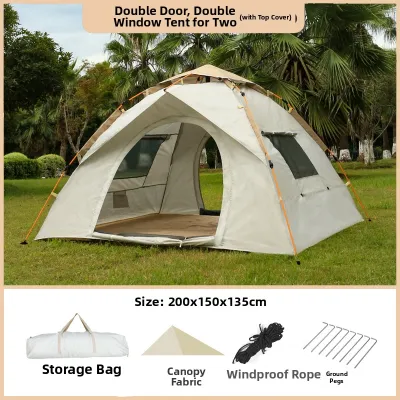
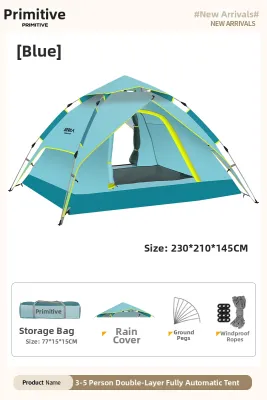
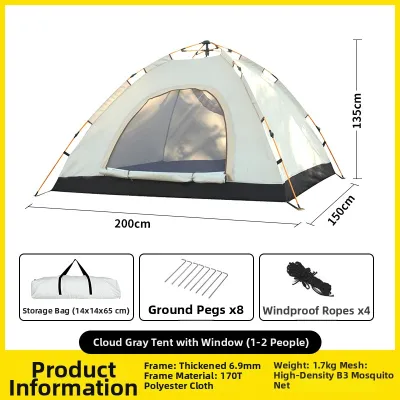
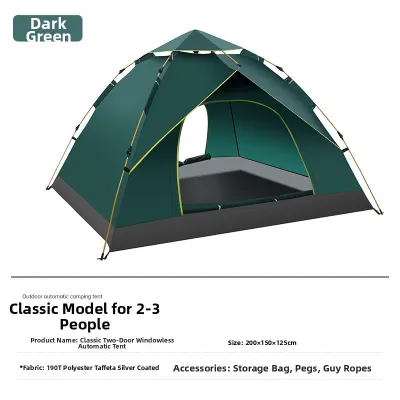
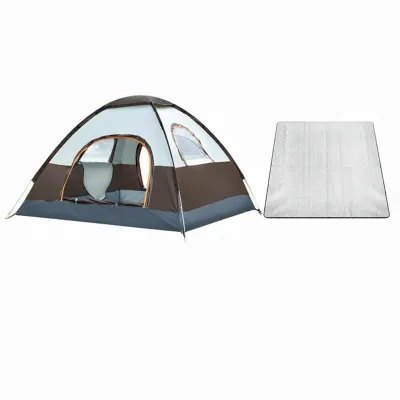
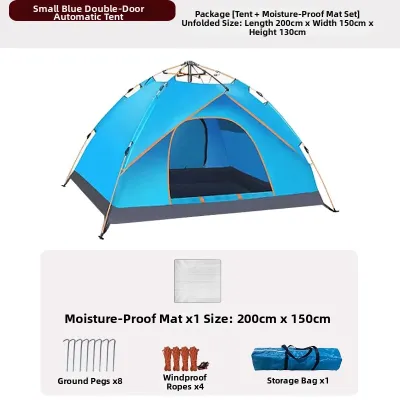
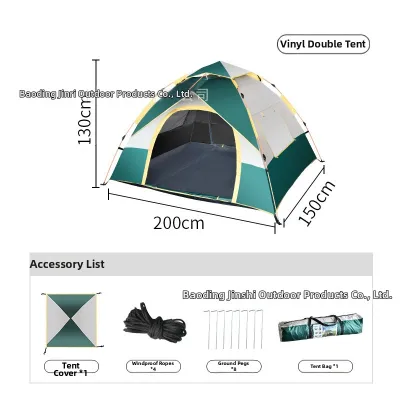
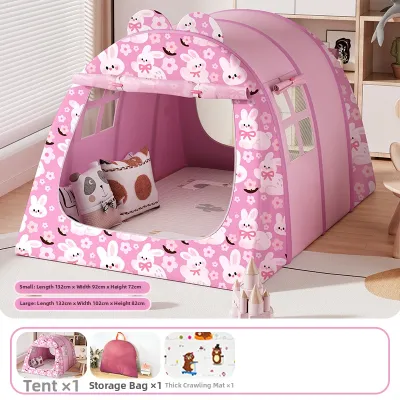
Prices are valid at publication and may change. Please refer to the product page for the latest price.
- Under 1,000mm: Extremely basic water resistance, suitable only for brief, light drizzles and dry weather.
- 1,000mm to 1,500mm: Standard waterproof entry level, capable of handling moderate, vertical showers without wind.
- 1,500mm to 3,000mm: Highly waterproof, designed to withstand typical camping conditions and moderate storms.
- Over 3,000mm: Heavy-duty waterproofing, engineered for severe weather, monsoons, and high-pressure water contact.
Singapore’s climate is characterized by two major monsoon seasons—the Northeast Monsoon and the Southwest Monsoon—along with inter-monsoon periods that bring sudden, severe afternoon thunderstorms. During these events, rain is rarely gentle or vertical. Strong wind gusts drive rain horizontally against the tent fabric at high velocities. This wind-driven rain exerts significant kinetic pressure on the material, which can easily force water through fabrics with lower HH ratings. A tent rated at only 1,000mm might hold up under static water, but it will quickly fail when subjected to the dynamic pressure of a tropical squall.
Furthermore, you must check the specifications for both the rainfly and the inner tent floor, as manufacturers often use different materials and coatings for each. The rainfly is your primary shield against falling rain, while the floor must contend with standing water and saturated soil. Because your body weight exerts concentrated physical pressure on the floor when you sit, kneel, or sleep, moisture can easily be squeezed through a low-rated groundsheet. For this reason, always prioritize a tent with a significantly higher HH rating on the floor than on the rainfly.
Essential Weatherproof Features Beyond the Fabric Rating
A high fabric rating alone does not guarantee a dry interior if the tent’s construction is subpar. Water will always find the path of least resistance, which is why you must look for specific structural features that complement the fabric’s waterproof rating.

Taped or Sealed Seams Every time a tent panel is stitched together, the sewing needle creates thousands of tiny punctures in the waterproof fabric. Under the pressure of heavy rain, water will inevitably seep through these needle holes. To prevent this, quality tents feature factory-sealed seams, where a waterproof polyurethane tape is heat-sealed over the stitching on the inside of the fabric. When inspecting a tent, verify that the seam tape is smooth, clear, and fully adhered to the fabric without any lifting, bubbling, or peeling.
Bathtub Floor Design A bathtub floor is a design feature where the highly waterproof groundsheet material extends several inches up the sides of the tent before meeting the wall fabric. This elevated seam placement ensures that standing water, mud, and ground runoff cannot seep through the lower seams of the tent. This design is particularly crucial in Singapore’s coastal camping sites, where sandy soils or flat grassy areas can quickly saturate and pool water during a sudden downpour.
Full-Coverage Rainfly Many portable tents feature a partial rainfly, which is essentially a small fabric cap that covers only the top mesh vents. While this design is lightweight and highly breathable, it offers virtually no protection against wind-blown, horizontal rain. For tropical climates, a full-coverage rainfly is essential. This type of fly extends all the way to the ground, completely enveloping the inner tent and creating a protective barrier that sheds water away from the mesh walls and door zippers.
Ventilation vs. Waterproofing In Singapore’s hot, humid environment, keeping water out is only half the battle; you must also manage the moisture generated inside the tent. When you sleep, your breath releases moisture into the air. In a completely sealed, waterproof tent with poor ventilation, this warm, humid air condenses on the cool inner walls, creating a dripping effect that is often mistaken for a leak. To combat this, look for tents that incorporate low-to-high ventilation systems, protected mesh vents under storm flaps, and a clear physical gap between the rainfly and the inner tent wall to facilitate continuous airflow.
Selecting a Portable Tent Foldable Design for Heavy Rain
While “portable foldable” tents—such as pop-up, instant, or quick-pitch models—offer unmatched convenience and rapid setup times, they often come with structural trade-offs that require careful evaluation when preparing for wet weather.
Many quick-deploy tents feature single-wall construction to minimize weight and packing bulk. In a single-wall tent, the outer fabric serves as both the rainfly and the inner wall. Because there is no physical separation between you and the waterproof barrier, condensation issues are magnified, and any contact with the walls can draw external moisture inward. Additionally, single-wall instant tents often feature lower default HH ratings (typically around 1,000mm to 1,500mm) to keep the integrated pole-and-fabric structure light enough to carry easily.
If you prefer the convenience of a foldable tent for rainy trips, prioritize double-wall instant models that feature a separate, heavy-duty rainfly. Look for integrated groundsheets made of thick polyethylene (PE) or heavy-duty polyurethane-coated polyester, and ensure the quick-pitch frame mechanism is robust. The hub system and poles should be sturdy enough to maintain the tent’s shape under heavy rain load, preventing water from pooling on flat sections of the roof.
Wind resistance is another critical factor, as sudden squalls often accompany heavy rain in Singapore. Instant tents utilize pre-attached, flexible poles made of fiberglass or telescoping aluminum. While flexibility helps the tent absorb wind energy, overly flimsy poles can bow or collapse entirely under strong gusts, compromising the waterproof integrity of the structure. Ensure the tent includes robust guy line attachment points with reinforced stitching, allowing you to anchor the frame securely to the ground.
Before purchasing or deploying a portable tent for a wet-weather trip, use this quick physical inspection checklist:
- Double-Wall Construction: Verify the presence of a separate inner tent and a full-coverage outer rainfly.
- Seam Integrity: Confirm that all seams on the rainfly and floor are factory-taped and free of defects.
- Sturdy Pole System: Check that the folding joints and telescoping poles lock securely and feel rigid.
- Guy Line Points: Ensure there are multiple, reinforced attachment points for securing guy lines.
- Zipper Protection: Look for heavy-duty zippers protected by wide fabric storm flaps to block wind-driven rain.
Maintaining Waterproofing and Preventing Mold in High Humidity
Singapore’s persistent high humidity and warm temperatures create an ideal environment for mold, mildew, and polyurethane hydrolysis—the chemical breakdown of waterproof coatings. Proper maintenance is essential to preserve your tent’s protective qualities over time.
Immediate Post-Trip Care Never store a damp tent, even if it did not rain during your trip. Morning dew, humidity, and condensation will trap moisture within the folded fabric. Within 24 hours of returning home, pitch the tent in a shaded, well-ventilated area or hang it loosely indoors under a ceiling fan until every component is completely dry to the touch. Storing a wet tent in a tight carrying bag can cause mold to develop within days, permanently damaging the fabric and destroying the waterproof coatings.
Safe Cleaning Guidelines Always check the manufacturer’s care instructions before applying chemical treatments, cleaning agents, or attempting to clean your tent. If the tent is dirty, gently wipe away mud, sand, and organic matter using a soft sponge, cold water, and a mild, non-detergent soap specifically formulated for outdoor gear. Never use harsh household detergents, bleach, or washing machines, as the aggressive agitation and chemicals will strip the Durable Water Repellent (DWR) coating and delaminate the seam tape.
Storage Conditions Store your dry tent loosely in a breathable cotton storage bag or a large, well-ventilated plastic bin rather than stuffing it tightly into its original, compact carrying sleeve. Keep the storage container in a cool, dry closet inside your home. Avoid storing camping gear in hot, unventilated spaces like balconies, outdoor utility closets, or car boots, as extreme heat accelerates the degradation of polyurethane coatings, making them sticky and prone to peeling.
Re-waterproofing Checks Over time, UV exposure, friction, and natural aging will wear down factory coatings. You can identify when your tent needs maintenance by observing how water behaves on the fabric. If water saturates the outer fabric (known as “wetting out”) instead of forming clean beads and rolling off, the DWR coating has worn down. Inspect the interior for flaking polyurethane coatings or lifting seam tape. To restore performance, apply a specialized aftermarket DWR spray to the clean outer fabric and use a flexible seam sealer to repair any compromised joints.
Frequently Asked Questions (FAQ)
Is a 1000mm waterproof rating enough for camping in Singapore?
A 1000mm waterproof rating is generally insufficient for camping in Singapore. While a 1000mm rating can handle light, brief, and vertical showers, it represents the absolute minimum standard for water resistance and will likely fail during Singapore’s intense, wind-driven tropical downpours and monsoon surges. For reliable protection, look for a rainfly rating of at least 2,000mm to 3,000mm HH, paired with a robust, separate rainfly design.
How do I stop condensation inside a foldable tent during rainy nights?
To minimize condensation in high humidity, maximize ventilation by opening all mesh windows protected by storm flaps and ensuring the rainfly is pitched tautly to maintain an airflow gap between the fly and the inner tent. Additionally, avoid touching the inner walls of the tent, keep wet gear and damp clothing outside the sleeping area (ideally in the vestibule), and pitch your tent in a spot that catches natural breezes without compromising safety.
Community discussion
Share your experience or ask a question. Comments are reviewed before publication.