
When shopping for a portable tent, the numbers printed next to the waterproof rating—such as 1000mm, 3000mm, or 5000mm—indicate how much water pressure the fabric can withstand before it begins to leak. This rating is known as the Hydrostatic Head (HH) measurement. Understanding these ratings is essential for choosing a shelter that matches your environment, whether you are camping in a dry, mild climate or preparing for sudden tropical downpours.
Quick Answer: Understanding Hydrostatic Head Measurements
The waterproof rating of a portable tent is determined through a standardized laboratory test called the Hydrostatic Head test. In this test, a tube is placed vertically over a piece of the tent fabric, and water is filled into the tube. The height of the water column in millimeters at the exact moment water starts to penetrate through three spots in the fabric becomes the rating.
For example, a fabric rated at 2000mm can hold a column of water 2,000 millimeters (or 2 meters) high before water droplets seep through. While this test provides a clear benchmark for fabric water resistance, it is important to remember that fabric rating is only one part of a tent’s overall weather protection system. Wind speed, seam construction, and the tent’s physical design also play critical roles in keeping you dry.
Products mentioned in this guide
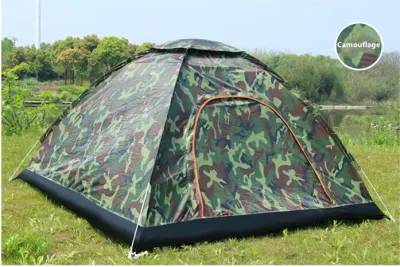
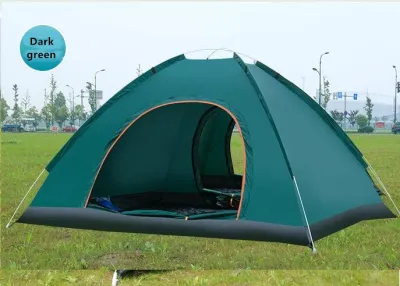
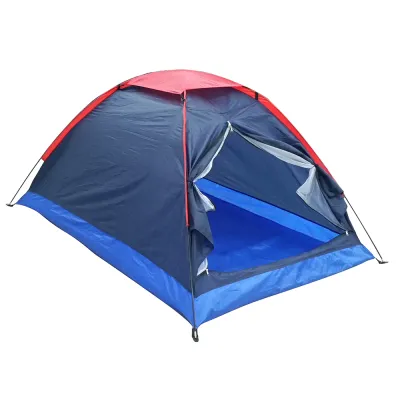
Prices are valid at publication and may change. Please refer to the product page for the latest price.
Decoding the Numbers: 1000mm, 3000mm, and 5000mm in Real-World Conditions
Not all outdoor environments require the same level of protection. Choosing the right rating requires balancing the weather you expect to face against the weight, breathability, and cost of the tent.

1000mm: Light Rain and Summer Camping
A 1000mm rating is generally considered the entry-level threshold for water resistance in outdoor gear. Fabrics with this rating are suitable for light drizzle, brief summer showers, and fair-weather camping where heavy storms are highly unlikely.
However, these fabrics have clear limitations. A 1000mm rated fabric can easily leak under sustained heavy rain or wind-driven storms, as the pressure of wind-blown rain can exceed the fabric’s resistance threshold. Furthermore, if wet gear or a sleeping bag presses directly against the inside of the tent wall, water can easily seep through. This rating is most commonly found on ultralight backpacking shelters, basic festival tents, or simple sun shelters where minimizing weight or cost is prioritized over heavy-duty weather protection.
3000mm: Standard Storm Protection and Versatility
A 3000mm rating serves as a reliable benchmark for standard three-season camping. This level of water resistance is designed to handle moderate to heavy rain and typical wind-driven storms without leaking.
For recreational campers, family camping trips, and multi-day hikes, a 3000mm flysheet offers excellent versatility. It provides an optimal balance between waterproof reliability, fabric durability, and overall weight. Tents in this range are robust enough to withstand a full night of steady rain, making them highly popular for general outdoor activities where the weather can be unpredictable but extreme alpine storms are not expected.
5000mm and Above: Extreme Weather and Heavy Downpours
When ratings reach 5000mm and above, the fabric is engineered for severe, prolonged weather conditions. This includes heavy tropical downpours, sustained torrential storms, and harsh alpine or winter environments.
These high ratings are typically found on heavy-duty expedition tents, four-season shelters, or basecamp tents designed to remain pitched in extreme conditions for extended periods. However, there are trade-offs to consider. Fabrics with a 5000mm or higher rating require thicker polyurethane (PU) coatings, which make the tent heavier, bulkier to pack, and significantly less breathable. For campers who primarily camp in mild, dry, or warm climates, buying a tent with an ultra-high rating can be unnecessary overkill that leads to poor ventilation and excessive condensation inside the tent.
Beyond the Fly: Floor Ratings and Portable Tent Construction Details
While most product listings highlight the rating of the rainfly (the outer cover), the tent floor requires a completely different standard of protection. When you sit, kneel, or sleep inside a tent, your body weight concentrates pressure on a very small area. This physical pressure can easily force ground moisture through a fabric that would otherwise be perfectly waterproof when hanging vertically.
Consequently, reliable tent floors typically require much higher ratings—often ranging from 5000mm to 10,000mm. When evaluating a portable tent, verify the floor’s specific Hydrostatic Head rating rather than relying solely on a single, generalized rating for the entire tent.
Additionally, even the highest-rated fabric will fail if the construction details are poor. Every needle hole created during the sewing process is a potential leak point. Look for tents that feature factory-taped seams, where a waterproof tape is thermally applied over the stitched seams to seal the holes. Waterproof zippers, storm flaps over the zippers, and reinforced corner stitching are also critical components. Always check the manufacturer’s care instructions and verify these construction details before purchasing.
How to Match the Rating to Your Portable Tent Environment
To select the ideal portable tent, start by assessing the typical weather patterns of your camping destinations. If you are camping in tropical regions like Singapore, sudden, intense thunderstorms and high humidity are common. In these environments, a rainfly rating of 1500mm to 3000mm combined with excellent ventilation features—such as large mesh panels and adjustable vents—is often the best compromise to keep rain out while managing internal humidity.
Next, consider your camping style, carrying method, and budget. For ultralight backpacking, where every gram matters, you might accept a lower rating (such as 1200mm to 1500mm) and rely on careful site selection under tree canopies to minimize rain exposure. Conversely, for car camping, where weight is not a constraint, choosing a heavier tent with a 3000mm fly and a 10,000mm floor ensures maximum peace of mind. Prices can vary widely, from budget-friendly options under S$100 to high-end expedition models costing over S$400, so matching the rating to your actual usage prevents overspending.
Finally, remember that equipment cannot replace proper technique. Even a high-rated tent will leak if it is pitched poorly. Ensure the rainfly is pulled completely taut using guy lines so that it does not touch the inner tent wall, which prevents moisture transfer. Avoid pitching your tent in natural depressions where water can pool, as standing water will eventually challenge even the most robust waterproof floors.
Frequently Asked Questions (FAQ)
Does a higher waterproof rating mean the tent is completely waterproof?
In outdoor gear terminology, no fabric is completely impervious to water under every extreme condition. Waterproof in tents actually means highly water-resistant up to the limit of its Hydrostatic Head rating. Under extreme wind-driven rain or if the fabric is physically abraded, water can eventually penetrate. Additionally, what appears to be a leak is often internal condensation. In humid environments, warm air breathed out by occupants hits the cold tent fabric and condenses into droplets. Ensuring proper ventilation by keeping vents open is essential to prevent this.
How long does a tent's waterproof rating last?
A tent’s waterproof coating—typically made of polyurethane (PU) or silicone—will gradually degrade over time. Exposure to ultraviolet (UV) sunlight, dirt, body oils, and storing the tent while it is still damp can accelerate this degradation. To check if your tent is still waterproof, spray water on the dry outer fabric; if the water beads up and rolls off, the coating is intact. If the water soaks into the fabric, it is time to clean the tent and reapply an aftermarket waterproofing spray or wash-in treatment according to the manufacturer’s instructions.
Community discussion
Share your experience or ask a question. Comments are reviewed before publication.