
A primitive tent offers a classic, rugged aesthetic and a robust shelter for outdoor enthusiasts, but choosing the right model requires understanding how its fabric handles wet weather. The waterproof rating of a tent—measured in millimeters (mm)—indicates the level of water pressure the fabric can withstand before moisture begins to penetrate. For most camping conditions, a rating between 1500mm and 3000mm provides an ideal balance of rain protection and breathability. Selecting the right rating depends on your local climate, the tent’s construction materials, and how well you maintain the setup over time.
Understanding Waterproof Ratings for a Primitive Tent: What the "mm" Numbers Actually Mean
The millimeter rating on outdoor gear refers to the Hydrostatic Head (HH) test, a laboratory measurement of water resistance. To determine this rating, technicians place a column of water over a section of taut fabric. The height of the water column in millimeters at the moment water begins to seep through the material becomes the official rating. For example, a fabric rated at 2000mm can support a 2,000-millimeter-tall column of water before any droplets penetrate the surface.
It is crucial to recognize that this rating measures fabric resistance to water pressure, not the waterproof integrity of the entire tent structure. A high-rated fabric can still leak if other design elements are weak. Zippers, seams, and ventilation ports are common entry points that the fabric rating alone cannot protect.
Products mentioned in this guide
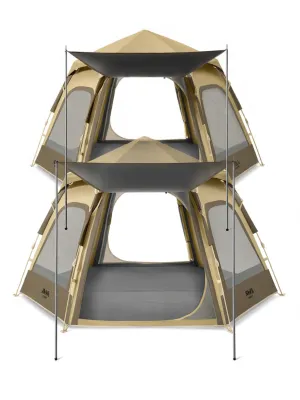
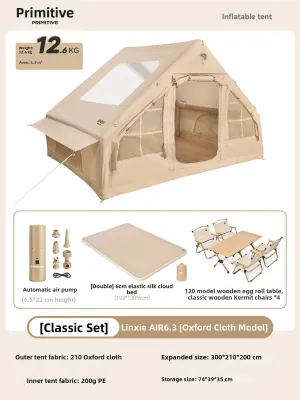
Prices are valid at publication and may change. Please refer to the product page for the latest price.
Traditional primitive-style tents often utilize heavier materials like cotton canvas, polycotton blends, or thick, high-denier synthetic fabrics. Unlike ultralight backpacking tents that rely on thin nylon with heavy polyurethane (PU) coatings, canvas-based tents often rely on the natural swelling of cotton fibers when wet to seal out water. This structural difference means that a primitive tent may have a lower numerical mm rating than a synthetic counterpart, yet still offer excellent real-world weather protection due to its material weight and breathability.
Translating mm Ratings to Real-World Weather Conditions
1000mm to 1500mm: Light Rain and Fair Weather
Fabrics rated between 1000mm and 1500mm represent the entry-level threshold for water resistance. This range is suitable for short summer trips, light morning dew, or gentle, brief drizzles. Under sustained rainfall or wind-driven storms, fabrics in this category are highly susceptible to wetting out, a state where the material becomes fully saturated and allows moisture to seep through to the interior.

2000mm to 3000mm: Moderate Rain and Standard Camping
A rating of 2000mm to 3000mm serves as the industry standard for reliable three-season camping. Tents in this range are built to withstand steady, moderate rain and moderate winds without leaking. While these fabrics perform exceptionally well in typical camping scenarios, prolonged downpours can still present challenges. Touching the inside of a saturated tent wall can break the surface tension, drawing moisture through the fabric, so keeping gear away from the walls is essential.
4000mm and Above: Heavy Downpours and Extended Wet Weather
Tents rated at 4000mm or higher are engineered for extreme environments, heavy tropical storms, and winter conditions where melting snow exerts constant hydrostatic pressure. However, a higher rating is not always superior for a primitive tent. Achieving a rating of 4000mm or more on synthetic or blended fabrics requires applying thick layers of polyurethane coatings. These heavy coatings add substantial weight to the shelter and significantly reduce the fabric’s breathability, which can trap exhaled moisture inside and lead to severe interior condensation.
Beyond the Fabric: Seams, Floors, and Pitch Tension
While a rainfly needs to shed falling rain, the tent floor must withstand much higher physical pressure. When you sit, kneel, or place heavy gear inside a tent, your body weight concentrates pressure on the ground, pushing water up from saturated soil. For this reason, tent floors and footprints typically require much higher waterproof ratings, often between 5000mm and 10,000mm, to prevent moisture from seeping through the bottom.
The overall waterproof integrity of a tent relies heavily on its construction details. Factory-taped or sealed seams are essential because every needle hole from sewing is a potential leak point. Additionally, look for heavy-duty zipper flaps or water-resistant zippers that prevent wind-driven rain from bypassing the protective fabric layers entirely.
The physical setup of your primitive tent plays a major role in how it handles wet weather. A properly pitched, taut tent allows rain to bead up and slide off the surface immediately. If the tent is pitched loosely, the fabric will sag, allowing water to pool in pockets, which creates localized hydrostatic pressure that can easily exceed the fabric’s rated limit.
How to Choose the Right Rating for Your Camping Environment
When camping in regions prone to sudden, intense downpours, such as the tropical climate of Singapore, a robust setup is essential. Prioritize a tent with a rainfly rated at least 2000mm to 3000mm, paired with a high-denier floor. This combination ensures the shelter can handle heavy, localized rainstorms without flooding from the ground up.
If you primarily engage in car camping or setting up a semi-permanent base camp, the heavier weight of a high-rated primitive tent is a manageable trade-off. You can opt for thicker, more durable fabrics with robust coatings since you do not have to carry the shelter over long distances. However, you must actively manage the tent’s built-in vents and windows to keep fresh air circulating and minimize condensation.
A tent’s primary line of defense is its Durable Water Repellent (DWR) finish, a chemical treatment applied to the outer face of the fabric. The DWR coating causes water to bead up into droplets and roll off before it can soak into the fibers. This prevents the fabric from wetting out, which would otherwise block airflow and make the interior feel cold and clammy.
Maintaining Your Tent's Waterproof Performance Over Time
To preserve your tent’s waterproof integrity, always dry it completely in a shaded, well-ventilated area before packing it away. Storing a damp tent triggers a chemical reaction known as polyurethane hydrolysis, which permanently degrades polyurethane coatings, making them sticky, flaky, and prone to peeling.
When cleaning is necessary, avoid harsh detergents and washing machines, which can instantly strip away protective coatings. Instead, gently spot-clean the fabric using a soft sponge and mild, non-detergent soap formulated specifically for outdoor gear, then rinse thoroughly with clean water. Always check the manufacturer’s care instructions before applying any aftermarket treatments or cleaning agents.
Over time, friction and UV exposure will naturally wear down the factory coatings. You can restore your tent’s performance by periodically applying aftermarket DWR sprays to the exterior and using liquid seam sealer on the interior seams whenever you notice water failing to bead or minor seeping.
Frequently Asked Questions (FAQ)
Is a higher waterproof rating always better for a primitive tent?
No, a higher rating is not always better. Higher ratings require thicker polyurethane coatings, which add significant weight and reduce the fabric’s natural breathability. This lack of airflow can trap humidity inside, creating heavy condensation. It is best to match the rating to your expected weather conditions while ensuring the tent has adequate ventilation.
Does the waterproof rating degrade over time?
Yes, a tent’s waterproof rating will naturally degrade with use. Ultraviolet rays from the sun, dirt, friction, and improper storage all contribute to the breakdown of the polyurethane coating and the DWR finish. Regular cleaning, proper storage, and periodic re-application of waterproofing treatments are necessary to maintain the tent’s protective qualities over its lifespan.
Community discussion
Share your experience or ask a question. Comments are reviewed before publication.