
When selecting a waterproof running waist bag, the ideal balance between keeping your gear dry and preventing a sweaty, chafed lower back depends entirely on the design approach you select. There is no single brand or model that offers absolute, submersible waterproofing while remaining completely open to cooling airflow. Instead, the market is defined by distinct engineering compromises.
Finding a high-quality waist bag for men waterproof and breathable requires understanding how different brands construct their gear to handle extreme moisture. For runners navigating high-humidity environments, such as Singapore’s tropical climate, the choice of materials and back panel construction will directly impact both comfort and performance. By matching the bag’s design to your typical running route, sweat rate, and gear requirements, you can find a solution that protects your electronics without causing localized discomfort.
The Trade-Off: Why Waterproofing and Breathability Clash in Running Gear
The fundamental conflict in technical running gear lies in the physics of material barriers. To make a fabric waterproof, manufacturers must apply a continuous barrier, such as a Thermoplastic Polyurethane (TPU) laminate or a heavy polyurethane coating. These coatings seal the gaps between the fabric fibers, successfully blocking external water droplets from entering the pocket. However, this solid barrier also prevents internal sweat vapor from escaping. When you run, your body generates heat and moisture; if this vapor cannot pass through the fabric, it has nowhere to go but back onto your skin.
Products mentioned in this guide
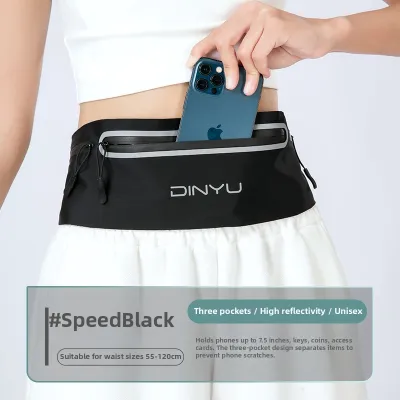
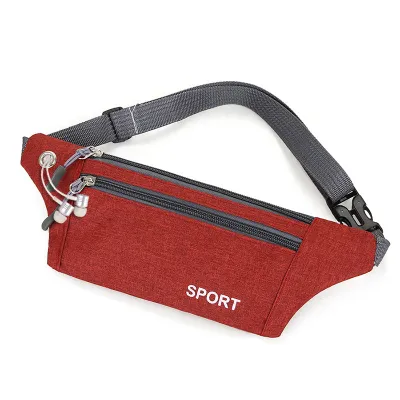
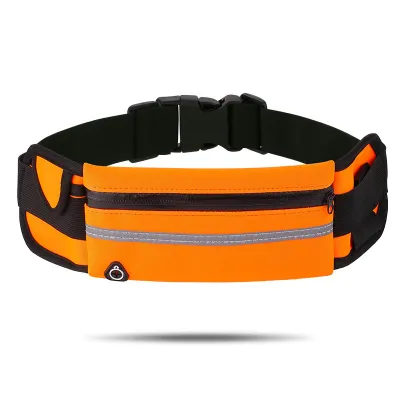
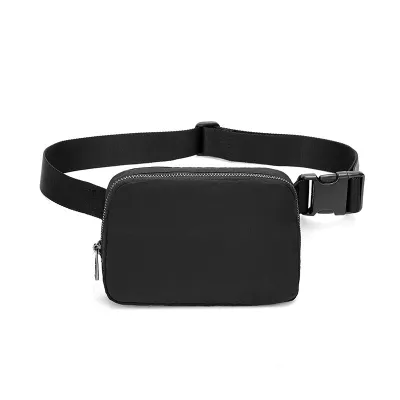
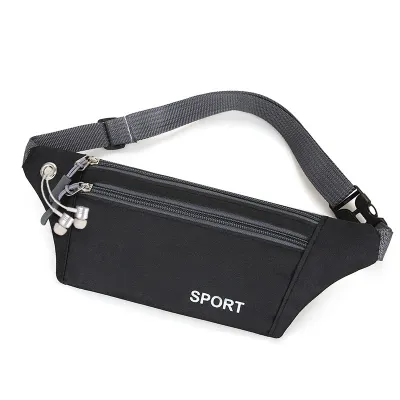
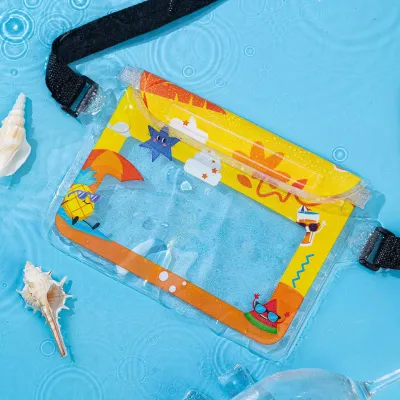
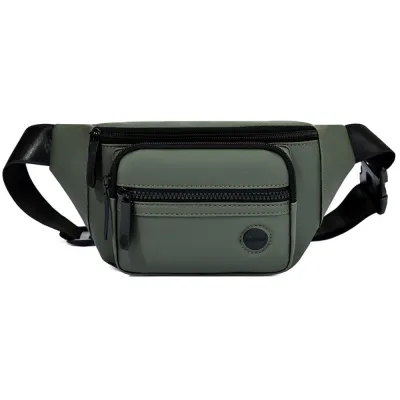
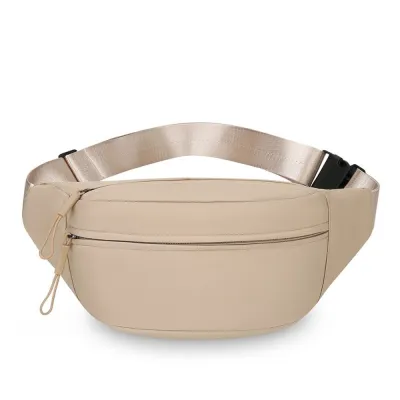
Prices are valid at publication and may change. Please refer to the product page for the latest price.
Running in a high-humidity environment compounds this issue significantly. In tropical climates where the relative humidity frequently hovers between 80% and 100%, sweat struggles to evaporate naturally from the skin. Wearing a non-breathable, fully sealed waist bag creates an impermeable microclimate against your lower back or abdomen. This trapped heat leads to localized sweat pooling, which quickly saturates your running apparel. Over a long distance, this concentrated moisture increases friction, leading to severe skin irritation, redness, and painful chafing.
To make an informed purchase, you must abandon the search for a mythical product that is simultaneously 100% submersible and 100% breathable. A realistic goal is to find a design that offers targeted protection. This means securing a bag that keeps your phone and car keys safe from sudden tropical downpours while utilizing highly ventilated, non-waterproof contact points against your body to maximize airflow and comfort.
What to Look For: Key Specs for Waterproof and Breathable Waist Bags
Evaluating a waist bag for men waterproof and breathable requires looking past generic marketing terms and analyzing specific technical features. When comparing models online or in-store, pay close attention to the following four design dimensions:

Fabric Technology
It is vital to distinguish between fully waterproof fabrics and highly water-resistant treatments. Fully waterproof bags are constructed from heavy-duty materials like TPU-coated nylon or polyester, which act as a complete barrier to rain but offer zero airflow. Conversely, water-resistant bags often use lightweight nylon treated with a Durable Water Repellent (DWR) finish. This chemical coating coaxes water to bead up and roll off the surface while preserving the fabric’s natural breathability, though it can eventually become saturated during prolonged, heavy downpours.
Back Panel Construction
The material that rests directly against your body determines how much sweat will accumulate. Look for bags featuring a 3D air mesh back panel. This construction uses a raised, open-weave mesh that creates a physical gap between the bag’s main compartment and your skin, promoting passive ventilation. Some premium brands also incorporate channeled back panels or perforated EVA foam, which direct air across your lower back and help moisture evaporate more efficiently.
Zipper and Seam Sealing
Even the most advanced waterproof fabric is useless if water leaks through the entry points. True waterproof bags utilize polyurethane-coated zippers, often referred to as Aquaguard zippers, alongside welded seams. Welded seams use heat or radio waves to fuse fabric panels together without needle holes, creating a seamless barrier. While highly protective, these features add stiffness and weight to the bag. Standard zippers protected by fabric storm flaps offer superior flexibility and breathability but are only rated for light splash resistance.
Fit and Stability
A bag that bounces or shifts during your stride will inevitably cause friction and chafing, regardless of how breathable the fabric is. A secure, bounce-free fit is typically achieved through wide, adjustable elastic straps or ergonomic, contoured waist belts. This stability is critical for breathability; when a bag fits snugly without shifting, it maintains a consistent, uncompressed gap between the 3D mesh back panel and your body, allowing air to flow continuously rather than trapping moisture under a shifting load.
Comparing Design Approaches: How Brands Balance Protection and Airflow
Different running and outdoor brands approach the waterproof-breathability challenge with distinct engineering philosophies. Understanding these design approaches allows you to choose a bag that aligns with your specific running conditions rather than relying on brand name alone.
Approach A: Waterproof Shells with Mesh Back Panels
This hybrid design is heavily inspired by traditional outdoor gear. It features a completely waterproof front compartment, often constructed from TPU-coated ripstop nylon with welded seams and an Aquaguard zipper, paired with a separate, highly breathable mesh back panel that rests against the runner’s body.
- The Pros: This approach offers outstanding protection for sensitive electronics, paper maps, and car keys. If you get caught in a sudden, heavy tropical thunderstorm, the contents of the main compartment will remain completely dry. The rugged materials are also highly durable and resistant to tears from trailside branches.
- The Cons: The waterproof front shell is inherently stiff, which can make the bag feel bulky and less compliant against your waist. Additionally, because the bag must be worn snugly to prevent bouncing, the breathable mesh back panel can still become saturated with sweat during high-intensity runs, leading to a damp sensation against your skin once you stop.
Approach B: Water-Resistant Fabrics with High-Airflow Designs
Favored by running-specific brands, this design prioritizes ventilation, flexibility, and lightweight construction over absolute waterproofing. These bags utilize highly water-resistant, DWR-treated fabrics combined with extensive mesh paneling, perforated waist straps, and minimal structural backing.
- The Pros: This design provides superior comfort and excellent airflow. The lightweight, flexible materials conform naturally to your body's movements, making the bag feel like an extension of your running apparel. Sweat evaporates rapidly, keeping your skin dry and significantly reducing the risk of chafing.
- The Cons: These bags are not designed to withstand heavy, sustained rain or submersion. In a severe downpour, water will eventually seep through the seams and zippers. To protect sensitive electronics in this type of bag, you must place them inside a separate, sealed plastic pouch before storing them.
Approach C: Tubular and Belt-Style Minimalist Designs
This minimalist approach eliminates rigid structures, zippers, and plastic buckles entirely. Instead, it utilizes a continuous loop of water-resistant, moisture-wicking stretch fabric, such as a high-performance Lycra or spandex blend, that sits flat against the waist and holds items in place via fabric tension.
- The Pros: These belts offer a virtually bounce-free experience, as the tension of the stretch fabric keeps your gear locked tightly against your center of gravity. Sweat is distributed over a much wider surface area, which actually accelerates evaporation. The lack of rigid waterproof linings makes the entire belt incredibly breathable and comfortable.
- The Cons: Storage capacity is highly limited; you can generally only carry a smartphone, keys, and a few energy gels. Accessing items while running can be awkward, and the stretch fabric offers only basic sweat and splash resistance. Heavy rain will easily penetrate the fabric and soak your gear.
Which Design Should You Choose for Your Running Routine?
Selecting the right waist bag requires analyzing your typical running environment, your personal sweat rate, and the specific gear you need to carry. Use the following framework to guide your decision:
- Choose Approach A if: You frequently run long distances in unpredictable weather, carry sensitive, non-waterproof electronics, and prioritize absolute gear safety over maximum ventilation. This is the ideal choice for trail runners tackling remote routes where a ruined phone could compromise safety.
- Choose Approach B if: Your primary running route is in high-humidity urban environments, you have a high sweat rate, and you prioritize comfort and breathability. If you are willing to use a simple plastic zip-top bag to protect your phone during sudden downpours, this design offers the best overall running experience.
- Choose Approach C if: You prefer a minimalist, apparel-like fit for short to medium-distance road runs, only need to carry a few lightweight items, and want to eliminate bounce entirely. This style is perfect for daily training runs where heavy storage is unnecessary.
Before making a final purchase, always verify a few critical details. First, measure your waist and consult the brand’s specific sizing chart, as a poor fit will cause the bag to bounce, leading to chafing regardless of the fabric’s breathability. Second, if you have sensitive skin or known allergies to synthetic materials like spandex, latex, or neoprene, check the product’s inner lining specifications. Finally, ensure your smartphone’s physical dimensions, including its protective case, will fit comfortably within the bag’s pockets, especially if you are opting for a minimalist tubular design.
How to Maintain Water Resistance and Breathability Over Time
Proper maintenance is essential to preserve both the water resistance of the outer fabric and the breathability of the mesh panels. Neglecting care instructions can cause technical coatings to degrade prematurely and clog breathable membranes.
Washing Guidelines
Always check the manufacturer’s care label on your specific waist bag before cleaning. As a general rule, hand wash your bag in cool water using a mild, technical gear detergent designed for outdoor apparel. Never use standard household laundry detergents, fabric softeners, or bleach. Fabric softeners leave a microscopic silicone residue that clogs the open pores of breathable meshes and strips away the outer DWR coatings, permanently damaging the bag’s performance.
Drying Methods
After washing, hang the bag to air dry in a shaded, well-ventilated indoor area. Do not expose the bag to direct, intense sunlight, and never place it in a mechanical clothes dryer. High heat can melt internal TPU waterproof linings, warp or crack polyurethane-coated zippers, and degrade the elastic fibers in the waist strap, causing the bag to lose its snug, bounce-free fit.
Reapplying Water Resistance
Over time, friction from your body and exposure to sweat will wear down the outer DWR coating. You can verify if the coating is failing by splashing a few drops of water onto the bag’s exterior; if the water soaks into the fabric instead of beading and rolling off, the DWR needs to be restored. To do this safely, purchase a spray-on DWR treatment designed specifically for technical outdoor fabrics. Apply the spray evenly to the clean, dry exterior of the bag according to the product’s instructions, taking care to avoid spraying the inner breathable mesh panels.
Frequently Asked Questions (FAQ)
Can a 100% waterproof waist bag ever be fully breathable?
No, a 100% waterproof bag cannot be fully breathable. True waterproofing requires a non-porous barrier to block liquid water, which naturally prevents sweat vapor from escaping. While some premium membranes offer a highly engineered compromise by allowing microscopic vapor molecules out while blocking larger water droplets, they still restrict airflow compared to standard mesh and require a significant humidity gradient to function, making them feel warm in humid tropical climates.
How do I verify the waterproof rating of a running waist bag before buying?
To verify protection levels, look for standardized ratings in the manufacturer’s technical specifications. An IPX rating indicates water resistance; for example, IPX4 protects against splashes from any angle, while IPX7 indicates the bag can withstand temporary immersion in water. Additionally, visually inspect the product for welded seams and polyurethane-coated zippers, as even highly waterproof fabrics will leak if the seams are stitched with standard thread or the zippers lack protective coatings.
Community discussion
Share your experience or ask a question. Comments are reviewed before publication.