
Deciding whether to buy weight lifting straps or focus entirely on building raw grip strength is a common crossroads for anyone serious about strength training. The short answer is that you do not have to choose one over the other; in fact, the most effective training programs utilize both. Lifting straps serve as a specialized tool to prevent your hands from limiting the development of your larger muscle groups, while direct grip training ensures your functional holding power keeps pace with your overall strength.
Understanding when to use straps and when to rely on your bare hands depends on your specific fitness goals, your current lifting experience, and how your body responds to heavy pulling movements. If your primary goal is to build a larger, stronger back, forcing your back muscles to wait for your forearms to catch up can stall your progress. Conversely, relying on straps for every single exercise can leave you with weak hands and underdeveloped forearms that struggle during everyday tasks or competitive events.
By analyzing how your grip behaves during your heaviest sets, you can make an informed decision on how to balance these two approaches. This guide will help you identify the physical signs of grip limitation, determine when straps are appropriate, and establish a balanced routine that builds both maximum back strength and a crushing grip.
Products mentioned in this guide
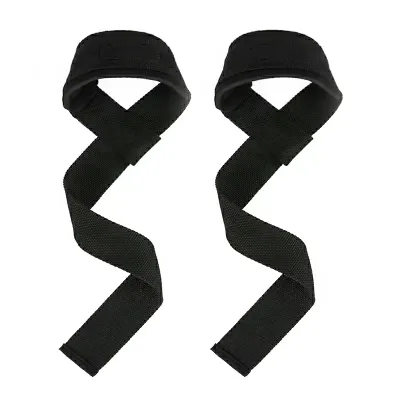
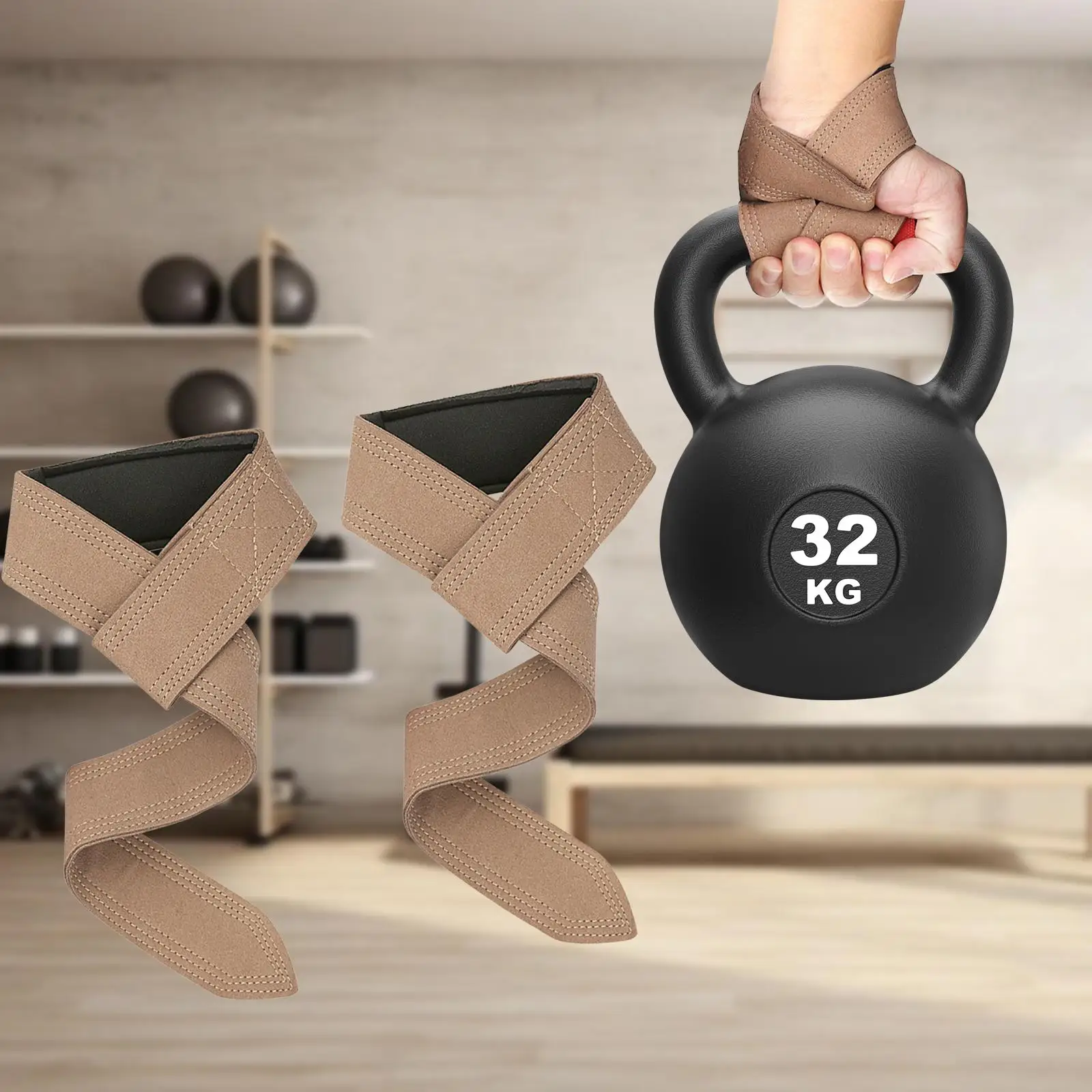
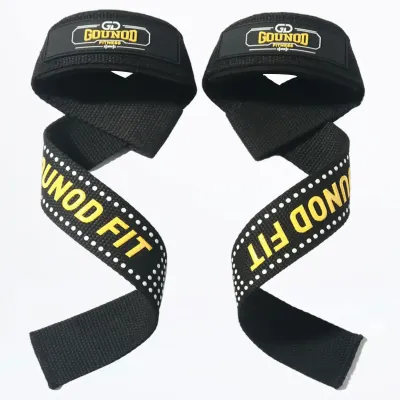
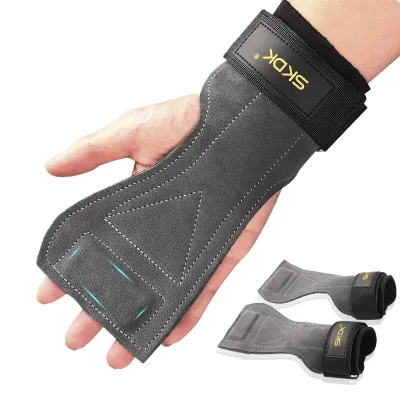
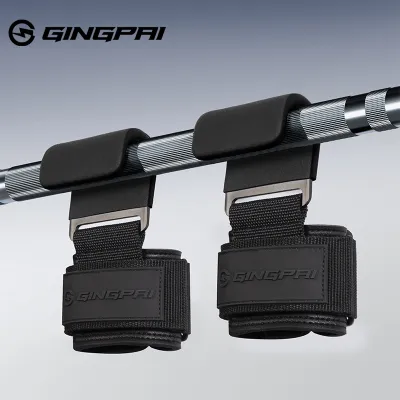
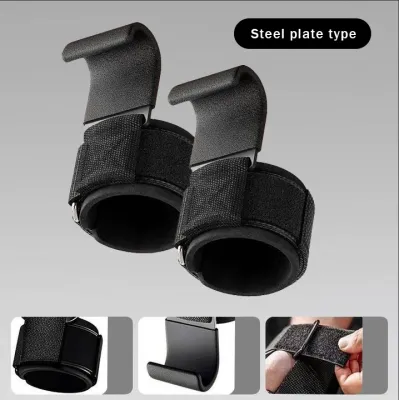
Prices are valid at publication and may change. Please refer to the product page for the latest price.
Signs Your Grip Is Limiting Your Lifts
One of the most obvious signs that your grip is limiting your progress is when your hands give out during heavy pulling exercises before the target muscles are fully fatigued. When performing movements like deadlifts, barbell rows, or Romanian deadlifts, the primary goal is to stimulate the large muscles of the posterior chain, such as the hamstrings, glutes, and lats. If you are forced to end a set of deadlifts because the bar is slipping out of your fingers, your legs and back are not getting the full training stimulus they need to grow stronger.
Another common indicator is experiencing intense forearm cramping or a severe burning sensation early in your workout. While some forearm engagement is natural during pulling movements, excessive fatigue in the lower arms can ruin your form on subsequent exercises. When your forearms are completely exhausted from holding onto a heavy barbell, you may find yourself pulling with poor mechanics, rounding your shoulders, or shortening your range of motion just to complete the repetition.
You can also test your grip capacity by observing the performance difference between a standard double overhand grip and a mixed grip or hook grip. If your lifting capacity drops significantly when you switch from a mixed grip to a double overhand grip on the same weight, your raw grip strength is the bottleneck. While a mixed grip can temporarily solve this issue, it can introduce muscle imbalances or place uneven stress on your biceps tendons over time, making other solutions necessary.
Finally, pay attention to how your hands feel during high-volume pulling sessions. If you find that you must constantly adjust your hands, wipe away sweat, or rest excessively between sets just to let your fingers recover, your grip is actively dictating the pace and quality of your workout. When the mental effort of holding onto the weight overshadows your focus on contracting the target muscles, your overall training efficiency begins to suffer.
When Weight Lifting Straps Make Sense
Weight lifting straps are highly practical tools during heavy pulling sessions where the primary objective is hypertrophy or maximal strength of the back and legs. On days dedicated to heavy rows, lat pulldowns, or deadlifts, your back muscles can handle far more weight and volume than your fingers can support. Using straps during these specific exercises allows you to isolate the target muscle groups completely, ensuring that your back reaches true muscular failure rather than your grip giving out prematurely.

High-volume training blocks also present a strong case for incorporating lifting straps into your routine. As you accumulate fatigue across multiple sets and exercises, your grip strength naturally degrades much faster than the larger muscle groups. By applying straps during the later stages of your workout, you can maintain your training intensity, keep your lifting form clean, and complete your planned volume without reducing the weight on the bar.
Straps are also invaluable for managing minor hand injuries, torn calluses, or wrist discomfort that would otherwise prevent you from training. Heavy barbell training can take a toll on the skin of your palms, and a torn callus can make holding a bar painful or impossible without assistance. Using straps transfers the tension of the load from your fingers and skin directly to your wrists, allowing you to continue training your back and legs safely while your hands heal.
Additionally, lifting straps can help you maintain a neutral wrist alignment during heavy pulling movements. When your grip starts to fail, your wrists often bend or flex in an attempt to hook the weight, which can lead to strain in the wrist joint or forearm tendons. Straps secure the weight firmly to your wrists, reducing the need for compensatory movements and helping you maintain a safer, more stable pulling posture throughout your heavy sets.
When to Prioritize Direct Grip Training
Beginners should generally avoid using lifting straps and instead focus on building foundational grip strength and connective tissue resilience. During the first few months of strength training, your muscles, tendons, and ligaments adapt rapidly to new loads. Relying on straps too early can prevent your hands and forearms from developing the basic holding capacity required to handle heavier weights safely as you progress.
If you participate in sports where external aids are not permitted, prioritizing direct grip training is essential for your performance. Athletes involved in rock climbing, martial arts, gymnastics, or obstacle course racing rely heavily on raw, unassisted hand strength to perform. For these individuals, training with straps can create a false sense of security and lead to a performance deficit when they transition to their respective sports where barehand strength is mandatory.
You should also prioritize barehand training during your warm-up sets and lighter accessory exercises. Even if you plan to use straps for your heaviest working sets, keeping your hands bare during the lighter phases of your workout provides a natural, low-risk way to build grip endurance. This approach ensures that your forearms still receive a consistent training stimulus without interfering with your ability to perform on your top sets.
Direct grip training also contributes to overall shoulder stability and joint health. The muscles of the hand and forearm are neurologically linked to the rotator cuff; a stronger grip can actually improve shoulder activation and stability during pressing and pulling movements. By dedicating time to building a strong, unassisted grip, you support the entire kinetic chain of your upper body, reducing the risk of chronic overuse injuries in the elbows and shoulders.
How to Combine Straps and Grip Work Safely
To get the best of both worlds, you can implement a “strap threshold” rule in your training routine. This rule dictates that you perform all of your warm-up sets and lighter working sets barehanded, only applying your lifting straps when your grip actively begins to limit your performance on your heaviest sets. This strategy ensures that your grip is consistently challenged and trained to its limit, while still allowing you to maximize the load on your primary target muscles.
To ensure your grip strength continues to grow alongside your major lifts, dedicate specific time at the end of your workouts for direct grip exercises. Movements such as farmer’s walks, dead hangs from a pull-up bar, plate pinches, or using specialized forearm rollers are highly effective for building hand endurance and crushing power. Placing these exercises at the very end of your session ensures that your forearms are fully fatigued only after you have completed your primary compound lifts.
Before using lifting straps, always check your equipment labels and gym rules to ensure compatibility and safety. Different types of straps, such as loop straps, lasso straps, or figure-eight straps, interact differently with barbell knurling and dumbbell handles. Ensure that the straps are wrapped tightly and evenly around the bar, and practice releasing the bar quickly in case you need to abort a lift safely during a heavy attempt.
It is also important to inspect your lifting straps regularly for signs of wear and tear, such as fraying seams or thinning material. A sudden strap failure during a heavy deadlift or row can lead to acute injuries to your wrists, shoulders, or back due to the sudden shift in weight distribution. Replacing worn straps promptly and using them on clean, dry barbells will help maintain a secure connection and keep your training sessions safe and productive.
Frequently Asked Questions (FAQ)
Will using weight lifting straps weaken my grip over time?
Using lifting straps will not actively weaken your grip, but relying on them excessively can cause your grip strength to plateau relative to your other lifts. Straps simply bypass the muscles of your hands and forearms for the specific sets in which they are used. As long as you continue to perform your warm-up sets barehanded and include direct grip training or accessory work without straps, you can easily maintain and even improve your raw grip strength over time.
Are lifting straps allowed in powerlifting or weightlifting competitions?
Lifting straps are generally prohibited in official powerlifting and Olympic weightlifting competitions, as unassisted grip strength is considered a core component of the contested lifts. If you plan to compete in these sports, it is crucial to train without straps on your primary lifts as you approach a competition to ensure your grip can handle your maximum attempts. However, many athletes still use straps during their high-volume off-season training or for specific accessory movements to manage overall fatigue. Always check the specific rulebook of your chosen federation to confirm their equipment guidelines.
Community discussion
Share your experience or ask a question. Comments are reviewed before publication.