
Quick Answer: Choosing Between a Lifting Belt and a Lumbar Brace
Selecting the right back support depends entirely on the intensity of your workout and the specific physical demands of your routine. A rigid weightlifting belt is designed specifically to stabilize your spine during heavy, maximal-effort compound lifts by providing a solid surface for your core muscles to brace against. In contrast, a flexible lumbar support brace offers mild compression and heat retention, making it ideal for managing general muscle fatigue during light cardio, recovery phases, or daily physical tasks.
Neither option is suitable if you are experiencing acute, sharp, or radiating back pain. Such symptoms require a professional medical evaluation rather than a retail support product. Before making a purchase, verify whether your current training load actually requires external intra-abdominal support, or if your goals are better met through targeted core strengthening.
How Rigid Belts and Flexible Braces Actually Work
To make an informed decision, you must understand that these two types of back support operate on completely different mechanical principles. They are not interchangeable, and using the wrong one can hinder your performance or fail to provide the protection you expect.
Products mentioned in this guide
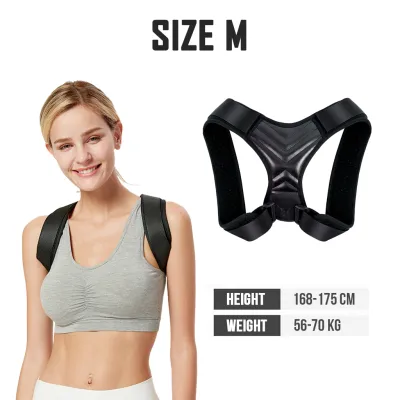
![[Sg Seller] Adjustable Posture Corrector Shoulder Lumbar Brace Support Brace Back Support Belt Back Shoulder Adult Corset Posture Correction](https://img.lazcdn.com/g/p/f47985cc9cfc0416883841cb76f8ecff.png_400x400q80.png_.webp)
Prices are valid at publication and may change. Please refer to the product page for the latest price.

Weightlifting belts are constructed from highly rigid materials, typically thick leather ranging from 10mm to 13mm in thickness, or heavily reinforced nylon. This stiffness is intentional. The belt does not mechanically hold your spine in place; instead, it acts as an unyielding physical wall around your torso. When you take a deep breath and brace your abdominal muscles outward, they press against this wall, significantly increasing intra-abdominal pressure. This internal pressure stabilizes your spine from the inside out, reducing the risk of spinal buckling under heavy loads.
Lumbar support braces rely on flexible, elastic materials such as neoprene, polyester blends, or lightweight knit fabrics. Rather than restricting movement, they provide gentle external compression to the lower back and abdomen. This compression increases local blood flow and retains body heat, which can help keep muscles pliable and reduce the sensation of stiffness. Additionally, the constant physical contact of the brace provides sensory feedback, reminding you to maintain better posture during daily movements.
This mechanical difference creates a clear trade-off in mobility. A rigid weightlifting belt intentionally restricts your ability to bend or twist at the waist, locking your torso into a neutral position to protect the spine during heavy lifts. A flexible lumbar brace allows a near-full range of motion, enabling you to bend, reach, and rotate comfortably during dynamic activities or light exercise.
When to Rely on a Weightlifting Belt for Heavy Lifts
A rigid weightlifting belt is a specialized tool designed for high-intensity strength training. It is highly effective during heavy compound movements that place a direct axial load on the spine, such as squats, deadlifts, overhead presses, and clean-and-jerk variations. If you are training at or above 80% of your one-repetition maximum, a belt can provide the structural feedback necessary to execute these lifts safely.
To benefit from a lifting belt, you must utilize the Valsalva maneuver. This breathing technique involves taking a deep diaphragmatic breath into your belly, holding it, and contracting your core muscles as if preparing to be punched. The belt serves as a tactile cue; as your abdomen expands against the rigid strap, you can feel whether you are bracing effectively. This feedback loop helps lifters maintain spinal alignment under extreme loads.
However, there are common misconceptions about what a lifting belt can achieve. A belt does not passively correct poor lifting form, nor does it make up for a weak core. If your technique breaks down or your back rounds during a deadlift, a belt will not prevent injury. It is designed to enhance the stability of an already strong, properly braced core, not to act as a substitute for foundational strength and proper mechanics.
When a Flexible Lumbar Brace Is the Better Choice
A flexible lumbar brace is the more appropriate choice when your activities involve continuous movement, light loads, or recovery. If your routine consists of walking, light jogging, bodyweight exercises, or high-repetition training with very light weights, the rigid restriction of a lifting belt would be counterproductive. A flexible brace supports these dynamic movements without hindering your natural biomechanics.
These braces are particularly useful in warm, humid climates where muscles can easily become stiff or fatigued during prolonged standing or repetitive bending. A neoprene or fabric brace traps local body heat, promoting circulation and keeping the soft tissues of the lower back warm. This mild compression can help manage general muscle fatigue and minor soreness during post-workout recovery or long shifts on your feet.
Despite these benefits, you must recognize the limitations of a flexible brace. Because it lacks structural rigidity, it cannot generate the high intra-abdominal pressure required to protect the spine under heavy axial loads. Relying on a soft fabric brace to keep your back safe during a heavy squat session is a critical mistake, as the material will simply stretch and yield under the pressure.
Side-by-Side Comparison: Belts vs. Braces
To help you quickly distinguish between these two support options, the table below outlines their primary functional differences.
| Feature | Weightlifting Belt | Lumbar Support Brace |
|---|---|---|
| Primary Material | Thick leather or reinforced nylon | Neoprene, elastic, or fabric blends |
| Support Mechanism | Reinforces intra-abdominal pressure | Provides external compression and warmth |
| Ideal Activities | Heavy compound lifts (squats, deadlifts) | Light exercise, recovery, daily tasks |
| Mobility Impact | Highly restricted torso movement | Minimal restriction, full range of motion |
| Sizing Focus | Measured tightly around the navel | Measured around the lower back and hips |
Note: Always verify specific material thickness, closure systems, and care instructions on individual product labels, as these specifications vary widely by manufacturer.
How to Verify Fit and Safety Before You Buy
To ensure your back support performs effectively and safely, you must select the correct size and verify the product specifications before making a purchase. Buying the wrong size can render the support useless or cause physical discomfort during your workouts.
When measuring for a weightlifting belt, do not use your standard pant waist size. Instead, wrap a flexible measuring tape tightly around your torso at the level of your belly button, where the belt will actually sit. For a lumbar support brace, manufacturers typically require you to measure around the widest part of your lower back or hips. Always compare your measurements directly against the specific brand’s sizing chart, as sizing standards are not universal.
Next, check the manufacturer’s specifications for material composition and care instructions. If you have sensitive skin or a known allergy to neoprene, look for latex-free or breathable knit fabric alternatives. In warm climates, verifying that a lumbar brace has breathable mesh panels can prevent excessive sweat buildup and skin irritation. Additionally, inspect the fastening mechanisms—such as steel levers, prong buckles, or heavy-duty hook-and-loop straps—to ensure they meet your durability expectations.
Finally, establish clear safety boundaries for using any back support gear. Stop using the product immediately if you experience numbness, tingling, restricted breathing, or sharp pain. These devices are designed to assist your training, not to mask underlying injuries or structural issues. If you experience persistent lower back discomfort, consult a qualified healthcare professional for a comprehensive assessment.
Frequently Asked Questions (FAQ)
Can I wear a lumbar brace while lifting heavy weights?
No, you should not rely on a flexible lumbar brace for heavy lifting. A flexible brace is made of stretchable materials that cannot provide the rigid resistance needed to build high intra-abdominal pressure. If you attempt heavy compound lifts like squats or deadlifts while wearing a soft brace, the material will yield under load, offering no real protection against spinal flexion. For heavy strength training, transition to a rigid weightlifting belt and practice proper core bracing techniques.
Will wearing a back support weaken my core muscles over time?
Wearing a back support will not weaken your core if you use it correctly. A weightlifting belt should only be worn during your heaviest working sets and removed during warm-ups and lighter accessory exercises. This targeted use ensures your core muscles still do the majority of the work. However, wearing a lumbar brace or belt constantly throughout the day can lead to a reliance on external support. To prevent muscle dependency, maintain a regular routine of dedicated core strengthening exercises, such as planks, bird-dogs, and carries, independent of your support gear.
Community discussion
Share your experience or ask a question. Comments are reviewed before publication.