
Finding the right weightlifting gloves is not about searching for a single brand, but rather about identifying the precise balance between bar feel and palm protection that matches your training style. In Singapore’s warm and humid climate, a glove must do more than just cushion your hands; it must manage sweat effectively to prevent the barbell from slipping during heavy sets. By understanding how different materials, padding thicknesses, and designs interact with gym equipment, you can select a pair that enhances your grip security while preventing painful calluses and blisters.
The core decision when choosing protective gym gear comes down to three main dimensions: material friction, padding thickness, and tactile feedback. If you prioritize a raw connection to the barbell for heavy compound lifts, you will require a thin, high-friction material that allows your fingers to wrap fully around the steel. Conversely, if your routine consists of high-volume dumbbell work or machine training, a thicker, cushioned palm will help distribute pressure and protect your skin from constant friction. Evaluating these features systematically ensures you invest in gear that supports your specific fitness goals.
How to Evaluate Grip Materials and Textures
The material on the palm of your fitness glove is the primary barrier between your skin and the cold steel of a barbell. Traditionally, natural leather has been the standard for heavy lifting due to its high durability and natural ability to conform to the shape of your hand over time. Leather provides a classic, high-friction grip on knurled metal bars, but it requires a breaking-in period and can become stiff if exposed to moisture repeatedly.
Products mentioned in this guide
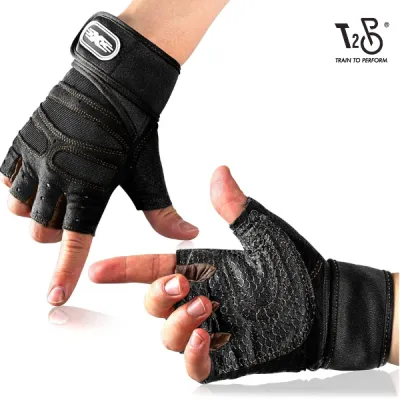
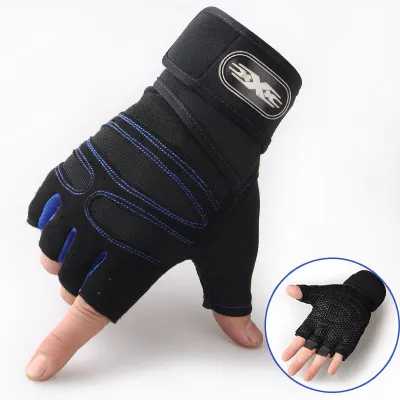
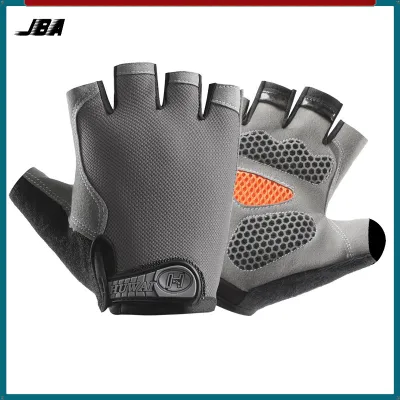
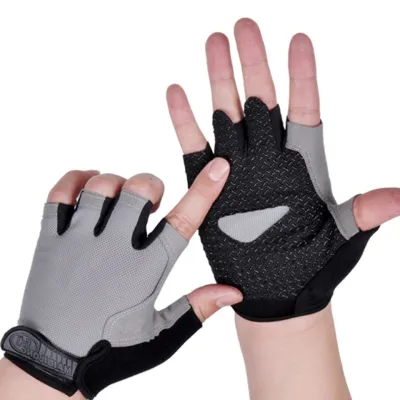
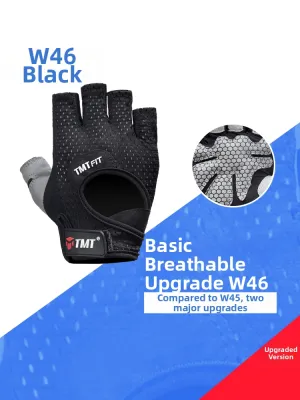
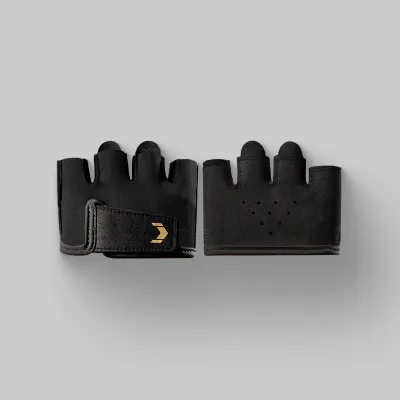
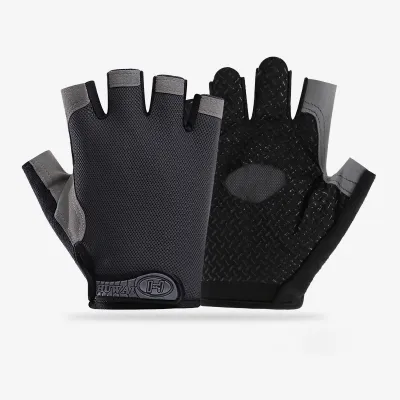
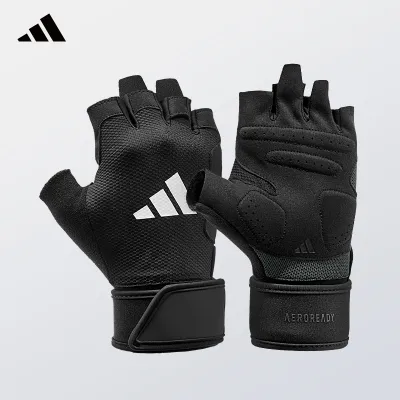
Prices are valid at publication and may change. Please refer to the product page for the latest price.
In humid training environments, synthetic materials like microfiber, polyurethane, and specialized polyesters offer distinct advantages. Synthetics are engineered to dry quickly and often retain their flexibility even after multiple wash cycles. However, basic synthetic fabrics can become slick when saturated with sweat, which compromises your grip security during critical lifts. To counter this, manufacturers often integrate textured overlays or silicone patterns onto the palm area.
Silicone prints and rubberized textures significantly increase surface friction, allowing you to maintain a firm hold on dumbbells and pull-up bars with minimal effort. While these high-traction patterns are effective for lighter, high-repetition workouts, they can sometimes grip the bar too aggressively during heavy rotational movements, such as cleans or snatches. This intense friction can cause the glove material to bunch up, potentially pinching the skin underneath.
To maintain a secure hold throughout a long training session, look for gloves that feature strategic perforations along the fingers and back of the hand. These small ventilation holes allow heat to escape, reducing the overall volume of sweat produced inside the glove. Additionally, high-quality liners made from moisture-wicking fabrics help pull sweat away from your palms, keeping the inner surface dry and preventing your hands from sliding around inside the gloves.
Balancing Palm Padding With Bar Feel
Selecting the right amount of palm padding requires a careful trade-off between comfort and control. Thick padding is effective at absorbing shock and distributing pressure across your hand, which is ideal for preventing calluses and reducing discomfort during heavy pressing movements. However, as padding thickness increases, the effective diameter of the barbell or dumbbell handle also increases, making it harder for your fingers to wrap securely around the bar.

Gel padding is a popular choice for lifters seeking shock absorption. The viscous nature of gel allows it to contour dynamically to the shape of the bar, spreading the load evenly across your palm. This is particularly beneficial for exercises like overhead presses or bench presses, where the weight rests heavily on the base of your hand. The downside is that gel can feel somewhat unstable under extreme loads, as the material can shift slightly under pressure.
Foam padding offers a firmer, more stable alternative to gel. High-density foam compresses predictably under load, providing a reliable barrier without sacrificing too much tactile feedback. Layered leather is another option, offering a very firm, traditional feel that prioritizes durability and bar contact over soft cushioning. For most lifters, a moderate layer of high-density foam provides an optimal balance of protection and stability.
The placement of the padding is just as important as the material itself. Full-palm padding can feel bulky and restrict your hand’s natural ability to flex and grip. Instead, look for gloves with targeted padding placed specifically over the metacarpal heads—the bony areas at the base of your fingers where calluses most commonly form. Leaving the center of the palm relatively thin or unpadded allows you to maintain a close, secure connection with the bar while still protecting key friction points.
Choose the Right Glove Profile for Your Training Style
Your training style should dictate the specific profile of the glove you choose. Different exercises place unique demands on your hands, and a glove designed for heavy powerlifting will perform very differently from one built for high-intensity functional fitness. Matching the glove’s design to your primary activities ensures optimal performance and safety.
For heavy barbell lifting, such as deadlifts, rows, and heavy presses, your primary goal is to maximize bar feel and prevent the bar from rolling in your hands. In this scenario, thick padding can actually be a liability, as it distances your hand from the bar and weakens your grip. Prioritize thin, high-friction materials like unpadded natural leather or specialized synthetic suede. These materials protect your skin from the sharp knurling of the barbell without adding unnecessary bulk, allowing you to maintain a tight, secure wrap.
If your routine focuses on high-volume bodybuilding, featuring numerous sets of dumbbell exercises, cable attachments, and machine presses, your hands are subjected to constant, repetitive friction. This is where moderate foam or gel padding becomes highly valuable. The extra cushioning protects your palms from the constant pressure of knurled handles, preventing the deep calluses and skin tears that can interrupt your training consistency. Look for gloves with reinforced palms and targeted padding at the base of the fingers to handle the high repetition volume.
For functional fitness and cross-training, you need a versatile glove that can transition quickly between different movements. During a single workout, you might move from pull-ups on a rig to kettlebell swings, and then to barbell thrusters. A bulky, heavily padded glove will interfere with your ability to grip the pull-up bar and can cause hand fatigue during rapid transitions. Choose a lightweight, flexible glove with a breathable mesh back and a durable, thin synthetic palm. This profile offers essential skin protection against friction burns during high-rep pull-ups while maintaining the flexibility needed for dynamic movements.
Final Checks: Wrist Support, Stitching, and Care
Before making a final decision, it is essential to verify several construction details that directly impact the durability, safety, and longevity of your fitness gloves. A glove that fits well in the store can quickly fall apart under the strain of heavy lifting if the build quality is lacking.
First, examine the wrist closure system. Many weightlifting gloves feature integrated wrist wraps or wide hook-and-loop straps designed to provide extra stability to the wrist joint during heavy pressing movements. If you frequently perform heavy bench presses or overhead lifts, a supportive wrist strap can help keep your joint in a neutral, safe alignment. However, if you prefer maximum wrist mobility for exercises like cleans or front squats, look for a low-profile elastic band or a short strap that ends before the wrist joint.
Next, inspect the stitching and construction of stress points. The areas between the fingers and around the thumb are subjected to intense pulling forces during workouts. High-quality gloves feature double-stitched seams and reinforced overlays in these high-wear zones to prevent tearing. Check the product specifications or inspect the physical glove to ensure that the edges of the fabric are properly bound and that there are no loose threads that could unravel after a few sessions.
Finally, consider the maintenance and care requirements of the materials. Gym gloves accumulate sweat, oils, and bacteria rapidly, making regular washing necessary to prevent odors and maintain hygiene. Verify the manufacturer’s washing instructions before purchasing. While many synthetic gloves can be tossed into a standard washing machine on a gentle cycle, natural leather gloves typically require hand washing and air drying to prevent the leather from cracking or shrinking. Choosing a glove with straightforward care instructions ensures you can keep your gear clean and functional for the long term.
Frequently Asked Questions (FAQ)
Do weightlifting gloves weaken your grip strength over time?
Weightlifting gloves do not inherently weaken the muscles in your hands and forearms, but they can alter your tactile adaptation to the bar. Because gloves reduce the direct friction between your skin and the metal, your hands do not develop the tough calluses that naturally assist with grip over time. Additionally, very thick padding can make the bar feel wider, which may increase hand fatigue during heavy pulling movements. To maintain a strong, natural grip, consider performing your warm-up sets without gloves, or incorporate dedicated grip-strengthening exercises into your routine.
Are lifting straps a better alternative to gloves for heavy pulling?
Lifting straps and weightlifting gloves serve entirely different purposes in the gym. Gloves are designed to protect your skin from friction, prevent calluses, and improve overall hand comfort across a wide variety of exercises. Lifting straps, on the other hand, are specialized tools used primarily for heavy pulling movements like deadlifts, shrugs, and heavy rows. Straps physically lock your wrists to the barbell, eliminating grip strength as the limiting factor so you can lift heavier weights. If your primary goal is skin protection and general comfort, gloves are the appropriate choice; if your grip is failing before your target muscles are fully fatigued during heavy pulls, lifting straps are the better tool.
Community discussion
Share your experience or ask a question. Comments are reviewed before publication.