
The Short Answer: Which Glove Type Fits Your Routine?
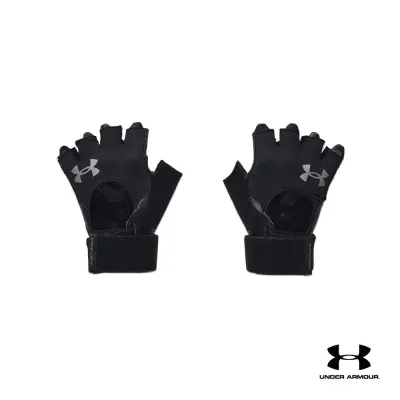
When shopping for the right hand gloves for men, the decision between dedicated weightlifting gloves and general gym gloves comes down to your primary training style, the loads you lift, and your local training environment. If your routine focuses on heavy, low-repetition compound barbell lifts—such as overhead presses, bench presses, and heavy squats—where your wrists require external stabilization and your palms need protection against deep steel knurling, weightlifting gloves are your best choice. These gloves are heavily padded and feature integrated wrist wraps designed to handle extreme compressive forces.
Conversely, if your workouts consist of high-repetition functional fitness, dumbbell circuits, machine-based hypertrophy training, or calisthenics, general gym gloves are far more suitable. They prioritize hand protection against blisters and calluses while maintaining maximum finger flexibility, breathability, and bar feel. There is no single superior option; the right choice is entirely dependent on how you train. In a humid climate like Singapore, where sweaty palms can compromise your grip in both air-conditioned commercial gyms and open-air functional fitness spaces, matching your glove type to your movement patterns is essential for safety, comfort, and performance.
Core Design Differences: Weightlifting vs General Gym Gloves
To make an informed choice, it is vital to understand that these two categories of hand protection are engineered with fundamentally different structural and mechanical philosophies. While both protect the skin of your palms from friction, they diverge sharply in their material composition, structural support, and overall flexibility. Selecting the wrong type can either leave your joints vulnerable under heavy loads or unnecessarily restrict your range of motion during dynamic movements.
Products mentioned in this guide
Prices are valid at publication and may change. Please refer to the product page for the latest price.

Weightlifting Gloves: Built for Heavy Loads
Dedicated weightlifting gloves are heavy-duty tools designed to withstand intense compressive forces. The palm area is typically constructed from thick, durable materials such as genuine goatskin leather, split cowhide, or premium double-layered synthetic suede. This dense padding is strategically placed over the primary friction zones—specifically the metacarpal heads and the base of the thumb—to distribute the immense pressure of a heavily loaded barbell.
The defining feature of these gloves, however, is the integrated, non-elastic or semi-elastic wrist wrap. This wrap mimics the function of standalone powerlifting wrist wraps, securing tightly around the joint via hook-and-loop fasteners to prevent excessive hyperextension during heavy pressing movements. While this design offers exceptional joint stabilization and protects your hands from aggressive steel knurling, it inherently sacrifices dexterity. The thick materials and rigid wrist support make it difficult to perform rapid hand transitions or fully flex the wrist, prioritizing load safety over structural mobility.
General Gym Gloves: Built for Versatility
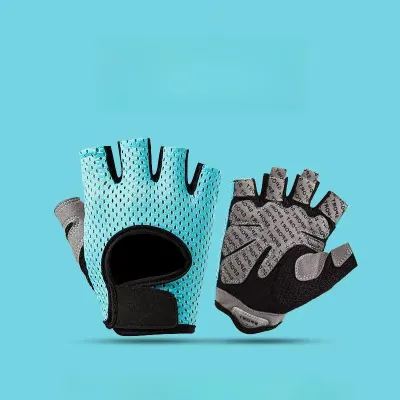
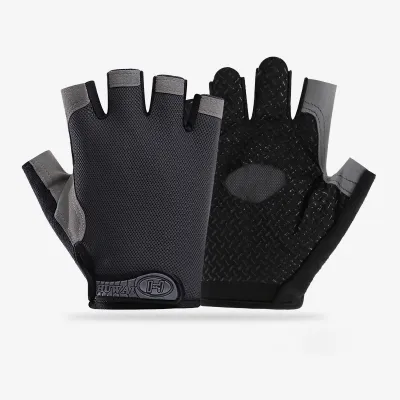
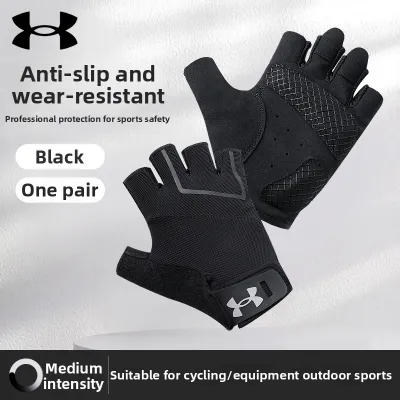
General gym gloves are designed for the multi-disciplinary athlete who moves quickly between different types of equipment. Instead of thick leather and rigid wraps, these gloves utilize lightweight, highly flexible materials such as neoprene, elastane, and breathable polyester mesh backings. The palm padding is significantly thinner, often featuring textured silicone or rubberized patterns over a thin microfiber base to enhance grip without adding bulk.
Wrist support is minimal, typically consisting of a low-profile elastic cuff that sits below the wrist joint, allowing a completely unrestricted range of motion. This design is optimized to protect the skin from friction-induced calluses and blisters during high-repetition dumbbell curls, cable machine pull-downs, pull-ups, and kettlebell swings. Because they are lightweight and highly breathable, they allow for rapid heat dissipation and quick drying—two critical factors when training in warm, humid tropical climates where moisture buildup inside a heavy glove can quickly lead to skin maceration and slipping.
Feature Comparison: Matching Glove Specs to Your Exercises
To help you visualize how these design differences translate to your daily workouts, we can compare their primary specifications side by side. Keep in mind that individual manufacturer designs vary, so you should always check the product label and specific brand guidelines for exact material compositions and care instructions.
| Dimension | Weightlifting Gloves | General Gym Gloves |
|---|---|---|
| Wrist Support Level | High (Integrated, adjustable wrist wraps) | Low to None (Minimalist elastic cuffs) |
| Palm Padding Thickness | Thick (Typically 3mm to 5mm leather/gel) | Thin (Typically 1mm to 2mm microfiber/silicone) |
| Grip Flexibility | Moderate to Low (Stiff palm, restricted closure) | High (Flexible materials, natural hand contour) |
| Breathability | Moderate to Low (Thicker materials, solid backings) | High (Lightweight mesh, open-back designs) |
| Ideal Exercise Types | Bench press, overhead press, heavy squats, cleans | Dumbbell circuits, pull-ups, HIIT, machine work |
The thickness of the palm padding directly impacts what sports scientists call proprioception, or “bar feel.” When you grip a barbell, your nervous system relies on sensory feedback from your palms to adjust your grip force and path. Thick weightlifting gloves cushion this feedback, which is highly beneficial when holding heavy loads that would otherwise cause pain, but it can make the bar feel slightly wider and more difficult to wrap your fingers around.
Furthermore, the presence of integrated wrist wraps changes the biomechanics of your lift. During heavy overhead presses or bench presses, the wrist joint naturally wants to extend. If your wrist bends too far backward under a heavy load, it places immense strain on the delicate carpal bones and tendons. Weightlifting gloves physically block this extreme extension, keeping the wrist in a safer, more neutral alignment.
However, this same restriction is highly counterproductive for dynamic exercises. For movements like clean and jerks, kettlebell snatches, or pull-ups, your wrists must flex and rotate rapidly. Using a rigid weightlifting glove in these scenarios can force your elbows and shoulders to compensate for the lack of wrist mobility, potentially increasing the risk of joint strain elsewhere. Always verify the wrap length and stiffness against your specific mobility needs before committing to a heavy-duty pair.
The Decision Framework: Choose Based on Your Training Goals
Choosing between these two styles of hand protection should not be a matter of aesthetic preference. Instead, it must align directly with the specific mechanical demands of your training program.
Choose Weightlifting Gloves If…
You should opt for dedicated weightlifting gloves if your primary training objective is moving maximum weight on compound, barbell-centric lifts. This includes dedicated powerlifting routines (focusing on the bench press, overhead press, and low-bar squats), heavy bodybuilding splits where you are lifting near your one-repetition maximum, or strongman training involving heavy carries and presses.
In these scenarios, the primary threat to your performance is joint instability and acute hand pain from aggressive knurling. The thick padding acts as a protective barrier, allowing you to focus entirely on executing the lift rather than managing hand discomfort. Additionally, if you are recovering from a minor wrist sprain or have naturally hypermobile joints, the added stabilization of an integrated wrap can provide the necessary external support to help you train safely—though you should always consult a medical professional or physical therapist before using gear to mask persistent joint pain.
Choose General Gym Gloves If…
General gym gloves are the superior choice if your training revolves around high-volume hypertrophy work, functional fitness, calisthenics, or circuit training. If your typical workout involves moving rapidly from dumbbell lateral raises to lat pull-downs, followed by a set of hanging leg raises, you need a glove that moves with your hand. The thinner padding preserves your natural grip diameter, ensuring that your forearms do not fatigue prematurely from gripping an artificially thickened bar.
Furthermore, the high breathability of these gloves is a massive advantage in tropical climates like Singapore. When training in high humidity, heavy leather gloves can trap sweat, leading to an unpleasant odor and a slippery interior. Lightweight gym gloves with mesh backings allow sweat to evaporate quickly, maintaining a secure grip on the equipment while keeping your hands cool and dry.
When to Skip Gloves and Use Alternatives
It is also important to recognize that gloves are not always the optimal solution, and relying on them exclusively can sometimes hinder your long-term athletic development. For heavy pulling movements like deadlifts, rack pulls, or Olympic clean pulls, adding any material between your hand and the bar increases the effective outer diameter of the barbell. This mechanical change makes it significantly harder for your fingers to lock around the bar, which can cause your grip to fail long before your target muscles (like your hamstrings and back) are fully fatigued.
If your goal is to maximize raw grip strength and build resilient hands, training barehanded is highly beneficial. To manage sweat and prevent slipping without the bulk of a glove, high-quality gym chalk or liquid chalk is an excellent alternative. Chalk absorbs moisture instantly, dramatically increasing friction between your skin and the steel knurling without altering your grip biomechanics. Many commercial gyms in Singapore restrict the use of loose powder chalk due to the mess it creates; in these environments, liquid chalk—which applies as a gel and dries into a clean, thin layer of powder—is a highly practical and widely accepted alternative.
Sizing and Fit: Getting the Right Hand Gloves for Men
Finding the perfect fit is critical; even the most advanced glove will fail to perform if it does not match your hand anatomy. When shopping for hand gloves for men, understanding the structural differences in sizing is essential. Men’s hands typically feature wider palms, thicker fingers, and a longer distance from the wrist crease to the base of the fingers compared to unisex or women’s specific cuts.
To find your correct size, use a flexible tailor’s measuring tape to measure your hand in two key areas:
- Palm Circumference: Measure around the widest part of your dominant hand, just below the knuckles, excluding your thumb.
- Hand Length: Measure from the tip of your middle finger down to the first crease of your wrist.
Write these measurements down in both centimeters and inches, as sizing charts vary by manufacturer.
When trying on a new pair, look for a snug, secure fit. The glove should feel tight but not restrictive; you should be able to make a full fist without the material pinching your skin or cutting off circulation to your fingertips. Pay close attention to the palm area when you close your hand. If there is excess material that bunches up when you grip a bar, this excess fabric will create friction points, leading to the very blisters and calluses you are trying to prevent. Conversely, if the glove is too tight, it will restrict blood flow, cause hand cramping, and potentially rip along the seams under heavy load. Always consult the specific brand’s sizing guide before purchasing, and verify their return or exchange policy to ensure you can swap them if the fit is not absolutely perfect.
Frequently Asked Questions (FAQ)
Do weightlifting gloves weaken your grip strength?
Not directly, but over-reliance can limit your grip development. Weightlifting gloves reduce the direct friction between your skin and the bar, making it easier to hold onto weights without relying entirely on your forearm muscles. If you wear thick gloves for every single exercise—including warm-ups and lighter accessory movements—your grip muscles may not receive the stimulus required to grow stronger. To prevent this, consider performing your lighter warm-up sets barehanded to build raw grip strength, reserving your gloves for your heaviest working sets where hand protection and wrist support are genuinely required.
Can I use weightlifting gloves for pull-ups and calisthenics?
While you can physically wear them, weightlifting gloves are generally poorly suited for calisthenics and bodyweight movements. The thick padding and rigid wrist wraps designed for heavy barbell lifts restrict the natural rotation of your wrists, making it difficult to maintain a secure, comfortable grip on pull-up bars, gymnastic rings, or parallel bars. This bulk can make your hands feel clumsy during dynamic movements. For calisthenics, you are much better off using thin, flexible gym gloves, specialized gymnastics grips, or simple liquid chalk to protect your skin while preserving full joint mobility.
Community discussion
Share your experience or ask a question. Comments are reviewed before publication.