
Choosing the right back brace support for your fitness routine depends entirely on the physical demands of your workouts. Weightlifting and cardio place vastly different stresses on your spine and core musculature, meaning a support designed for one activity will likely hinder your performance in the other. Weightlifting requires maximum spinal stabilization under heavy, axial loads, which is best achieved through a rigid, non-elastic lifting belt. Conversely, cardio workouts demand high mobility, breathability, and flexibility, making a lightweight, elastic back brace support the ideal choice to manage muscle fatigue without restricting your movement.
Understanding these differences is crucial for protecting your body and optimizing your training. Wearing a rigid belt during a run can restrict your breathing and cause painful chafing, while using a flexible elastic brace during heavy squats offers virtually no protection against spinal flexion. By matching the design, material, and support level of your gear to your specific exercise routine, you can train safely and effectively.
Clarifying Your Needs: Lifting Belts vs. Back Braces
While both lifting belts and back braces wrap around your torso, they serve completely different biomechanical purposes. A lifting belt is a specialized piece of equipment designed specifically for heavy resistance training. Typically constructed from thick leather or heavy-duty nylon, these belts do not physically hold your back in place; instead, they provide a solid wall for your abdominal muscles to push against. This action significantly increases intra-abdominal pressure, which stabilizes your spine from the inside out during heavy, compound movements.
Products mentioned in this guide
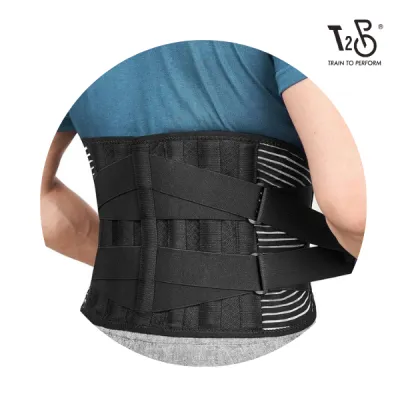
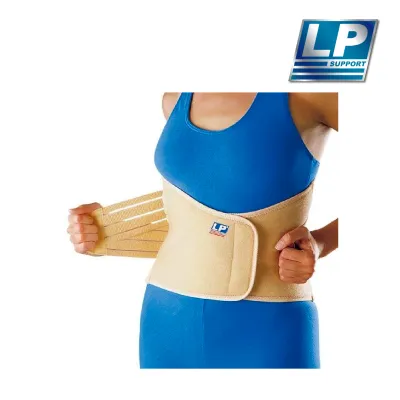
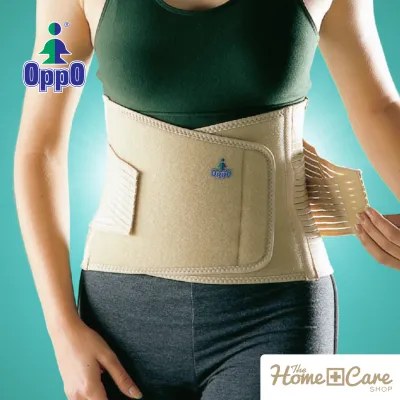
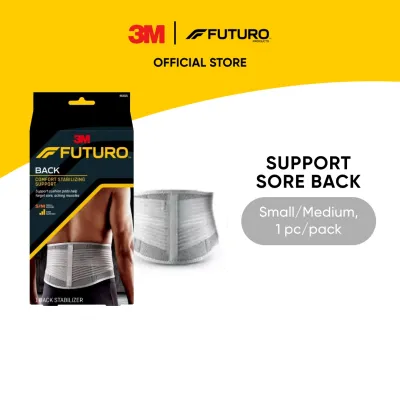
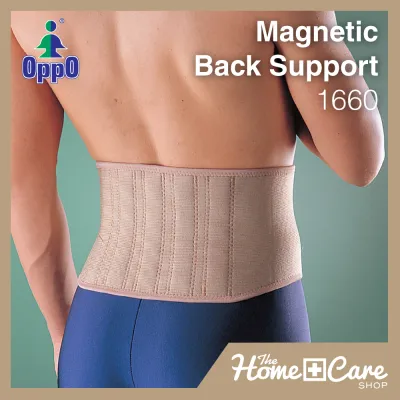
Prices are valid at publication and may change. Please refer to the product page for the latest price.
In contrast, a standard back brace support is made from flexible, elastic materials designed to provide mild compression, retain therapeutic muscle warmth, and offer light sensory feedback. Rather than creating high levels of internal pressure, a flexible brace helps you maintain awareness of your posture and supports the lower back muscles during repetitive, low-impact movements. It allows for a full range of motion, making it suitable for activities that require continuous bending, twisting, or aerobic exertion. Matching your primary exercise type with the correct equipment category is the first step toward safe and comfortable workouts.
Back Support for Weightlifting: Prioritizing Rigidity and Pressure
During heavy compound lifts like squats and deadlifts, your spine is subjected to intense compressive forces that standard elastic back braces cannot support. Because elastic materials stretch under load, they cannot provide the rigid resistance your abdominal wall needs to brace against, leaving your spine vulnerable to unwanted flexion or shearing forces. For high-load, low-repetition resistance training, a dedicated, rigid lifting belt is the only appropriate choice.

When selecting a lifting belt, material stiffness is your primary consideration. Leather belts offer the highest level of rigidity and are the standard for powerlifting, while heavy-duty nylon belts provide a slightly more flexible fit that is popular in functional fitness. You must also consider the width of the belt; a standard four-inch belt provides ample coverage for most lifters, though individuals with shorter torsos may prefer a three-inch belt to prevent the edges from digging into their ribs or hips.
The closure mechanism is another critical specification to evaluate. Single-prong or double-prong buckles are highly durable and traditional, though they can be difficult to tighten or release quickly. Lever belts offer an instantaneous, highly secure lock and release, but adjusting their size requires a screwdriver. Velcro closures, common on nylon belts, allow for quick adjustments and a highly customizable fit, though they may not hold up under extreme, near-maximal loads. Always check the manufacturer’s specifications to ensure the belt is rated for your specific lifting style and load requirements.
Back Support for Cardio: Focusing on Flexibility and Breathability
Cardio workouts like running, cycling, or high-intensity interval training (HIIT) involve continuous, repetitive movements where a rigid lifting belt is highly impractical and restricts your ability to move freely. Instead, a flexible back brace support designed for aerobic exercise is the appropriate choice. The primary focus when selecting a support for cardio must be on flexibility, breathability, and moisture management.
Look for braces constructed from lightweight, perforated neoprene or advanced moisture-wicking fabrics. These materials allow sweat to evaporate quickly, reducing the risk of skin irritation and overheating during long, intense sessions in warm, humid climates. A low-profile design is also essential, as it allows the brace to fit comfortably under your workout apparel without adding bulk or causing friction against your skin during repetitive motions.
The support should offer mild compression to promote blood flow and keep the lower back muscles warm, which can help manage muscle fatigue during extended workouts. Some cardio braces feature integrated flexible stays—thin plastic or spring-steel strips—that provide light posture-correcting feedback without restricting your natural torso rotation. Avoid any support that feels bulky or restricts your ability to take deep, diaphragmatic breaths, as restricted breathing will quickly compromise your aerobic performance and endurance.
Cross-Training Compatibility: Can One Support Work for Both?
For cross-training routines that combine heavy lifting and high-intensity cardio, choosing a single, hybrid back brace support involves significant functional compromises. Some manufacturers offer hybrid designs, typically featuring a flexible neoprene base with adjustable outer tension straps that can be tightened for lifts and loosened for aerobic work.
While these hybrid options offer convenience, they represent a significant functional compromise. When you loosen a hybrid brace to allow for the mobility needed during cardio, you sacrifice the rigidity required to safely stabilize your spine during heavy lifts. Conversely, attempting to wear a rigid lifting belt during a cardio segment will severely restrict your movement, cause painful chafing, and prevent your lungs from expanding fully, which can lead to dizziness or hyperventilation.
If your workout routine transitions rapidly between light lifting and cardio, a flexible, adjustable nylon belt may serve as a middle ground, but it will never match the performance of dedicated gear. For those who take both training modalities seriously, investing in two separate pieces of equipment—a rigid belt for heavy lifting days and a lightweight, flexible brace for cardio sessions—is the most effective way to ensure both safety and performance.
Sizing, Fit, and Safety Checks Before You Train
Achieving the correct fit is paramount to your safety, and because sizing is not standardized across brands, you must never rely on your standard clothing size. Use a flexible measuring tape to measure your waist or hips exactly where the brace or belt will sit—typically around the belly button for lifting belts, or slightly lower for posture braces. Always compare your measurements directly to the specific manufacturer’s sizing chart before purchasing.
When putting on your support, aim for a snug, secure fit that provides noticeable feedback without causing discomfort. For a lifting belt, you should be able to take a full breath and brace your abdominal wall firmly against the material. For a cardio brace, the compression should feel supportive but comfortable enough to wear throughout your entire workout. It should never pinch your skin or restrict your natural breathing patterns.
Pay close attention to how your body responds during exercise. If you experience warning signs such as numbness, tingling, sharp pain, restricted blood flow, or severe skin irritation, stop your workout and remove the support immediately. Remember that a back brace support is a temporary aid to assist your movement, not a cure for underlying injuries. If you experience persistent or worsening back pain, consult a qualified medical professional or physical therapist rather than relying on external support to get through your workouts.
Frequently Asked Questions (FAQ)
Should I wear a back brace for every weightlifting session?
No, back supports are best reserved for heavy, near-maximal lifts rather than light warm-ups or accessory exercises. Over-relying on external support during every lift can prevent your deep core muscles, such as the transverse abdominis and multifidus, from engaging and strengthening naturally. Focus on developing your natural core stability during lighter sets, and consult a qualified strength coach or training guidelines to determine when a belt is appropriate for your progression.
Will wearing a back brace during cardio weaken my core muscles?
A lightweight, flexible back brace support during cardio is highly unlikely to weaken your core, as it provides mild compression and warmth rather than taking over the structural load-bearing work of your muscles. This is quite different from rigid lifting belts, which can reduce natural core activation if worn constantly during light activities. However, you should still view a flexible cardio brace as a temporary tool or a supportive aid during long sessions. To maintain long-term spinal health, ensure you are actively strengthening your core and back muscles through targeted exercises like planks, bird-dogs, and dead bugs alongside your cardio routine.
Community discussion
Share your experience or ask a question. Comments are reviewed before publication.