
Quick Answer: Which Gym Gloves Should You Choose?
Selecting the right gloves gym enthusiasts use to protect their hands depends entirely on the specific movements that dominate your training sessions. There is no single style of hand protection that excels across all fitness disciplines, as different designs cater to opposing physical demands. If your routine centers on heavy, static barbell lifts, dumbbell training, and selectorized gym machines, weightlifting gloves are the optimal choice. These gloves are engineered with thick, shock-absorbing palm padding and integrated wrist wraps to stabilize the joints under heavy, vertical loads.
Conversely, if your workouts involve high-intensity functional fitness, CrossFit, calisthenics, or kettlebell work, you should choose cross-training gloves. These designs prioritize a thin, high-grip barrier that preserves the natural feel of the bar while allowing the full wrist mobility required for dynamic, multi-directional movements. Ultimately, selecting the correct gear is a matter of matching the glove’s structural features to your primary style of training, ensuring that your protective equipment supports your athletic goals rather than hindering your movement mechanics.
Core Differences: Weightlifting vs Cross-Training Gloves
While both types of hand protection serve the fundamental purpose of shielding your skin from friction, blisters, and tears, their underlying design philosophies are fundamentally different. Weightlifting gloves are built as robust, protective armor designed to cushion the hands and stabilize the wrists during slow, controlled, heavy lifts. In contrast, cross-training gloves are designed as a flexible, lightweight second skin that maximizes tactile feedback, breathability, and speed during rapid, varied workouts. Understanding these structural differences is essential for choosing a pair that enhances your performance rather than hindering it.
Products mentioned in this guide
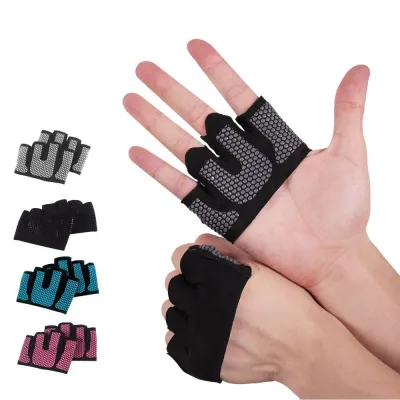
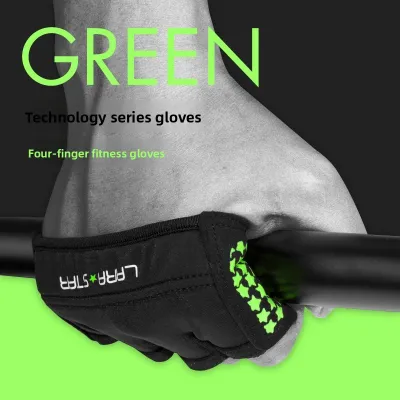
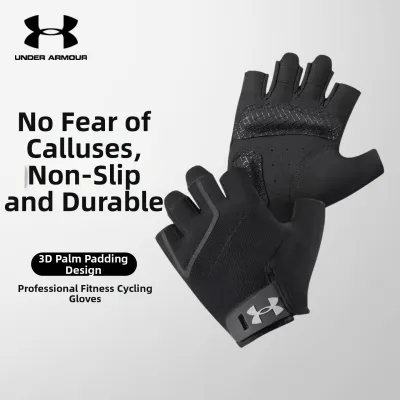
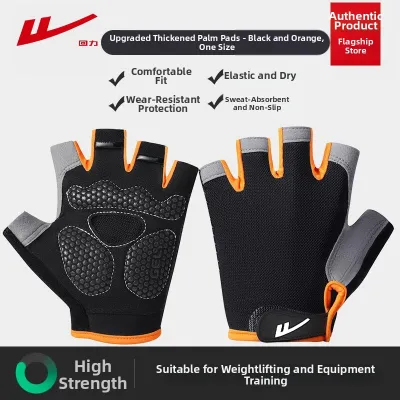
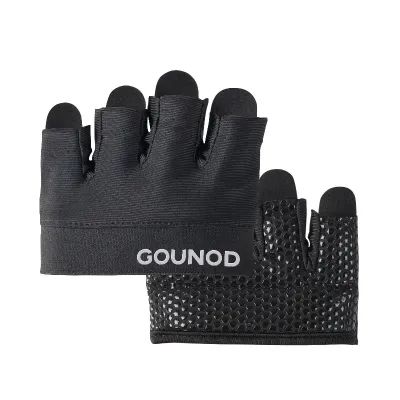
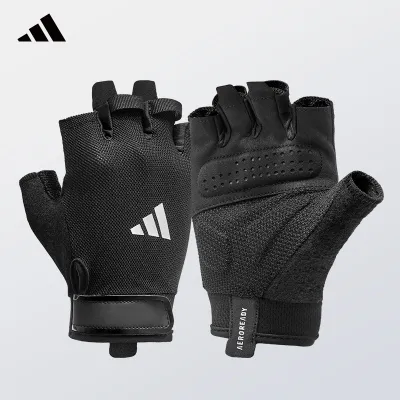
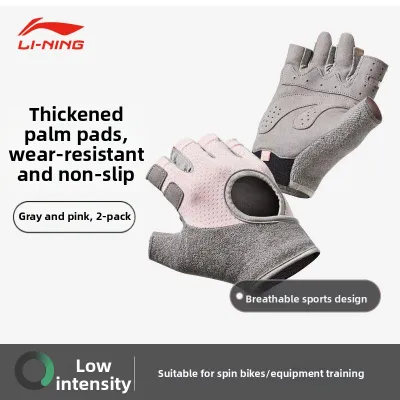
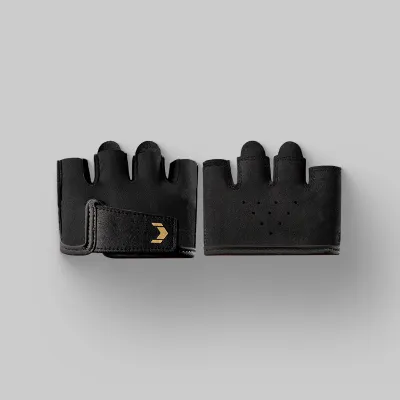
Prices are valid at publication and may change. Please refer to the product page for the latest price.

Padding and Palm Protection
The thickness and distribution of palm padding represent the most significant structural divergence between these two categories. Weightlifting gloves typically feature substantial padding made from gel, high-density foam, or layered leather. This thick barrier is strategically positioned across the palm and the base of the fingers to absorb the crushing pressure of heavy knurled steel. By distributing this load across a larger surface area, the padding minimizes localized pain and prevents the deep calluses that often develop from high-volume heavy pressing and pulling. However, this thick padding increases the overall outer diameter of the bar you are holding. For individuals with smaller hands, this wider grip can make it more difficult to wrap the fingers securely, potentially leading to premature forearm fatigue.
Cross-training gloves take the opposite approach, utilizing minimal, high-density padding or thin, specialized materials like synthetic suede, carbon fiber, or textured leather. The goal of this minimalist construction is to protect the skin against shearing forces—the sliding friction that occurs during dynamic movements like pull-ups, kettlebell swings, and snatch transitions—without adding bulk to the palm. By keeping the palm layer as thin as possible, these gloves preserve your natural grip mechanics and proprioception. This allows you to feel the bar’s rotation and adjust your hand positioning instantly, which is critical for safety during high-velocity, high-repetition exercises.
Wrist Support and Stability
Wrist stability is another area where the two designs diverge to accommodate different movement patterns. Many weightlifting gloves feature an integrated, long wrist wrap made of heavy-duty elastic or woven fabric that secures with a hook-and-loop closure. When wrapped tightly, this strap acts as an external splint, reinforcing the wrist joint and preventing excessive hyperextension during heavy pressing movements such as the bench press, overhead shoulder press, or overhead squat. This structural support reduces joint strain and helps maintain optimal alignment, allowing you to transfer force more efficiently from your arms to the bar.
In contrast, cross-training gloves are designed to maximize wrist mobility. They typically feature low-profile cuffs, elastic bands, or short, flexible straps that sit below the wrist joint. This design is necessary because functional fitness workouts require rapid transitions between movements that demand vastly different wrist angles. For example, a workout might require you to move immediately from a front squat (which requires deep wrist extension) to a push-up, a handstand walk, or a high-rep pull-up. A rigid wrist wrap would restrict these natural movements, causing discomfort, altering your biomechanics, and potentially increasing the risk of injury elsewhere in the kinetic chain.
Grip Texture and Material Durability
The materials and grip textures applied to the palms of these gloves are engineered to interact with different types of equipment and surfaces. Weightlifting gloves often utilize textured synthetic leather, genuine cowhide, or patterned silicone overlays on the palm. These materials are optimized to create high friction against the static, knurled metal handles of barbells, dumbbells, and cable attachments. Because the lifting movements are controlled and linear, the primary requirement is a secure, non-slip hold that prevents the bar from rotating in the hands.
Cross-training gloves must withstand a much wider variety of abrasive surfaces, including powder-coated steel pull-up bars, wooden gymnastics rings, textured kettlebells, and even climbing ropes. To survive this harsh environment, they are often constructed with highly durable materials such as Kevlar stitching, reinforced carbon fiber panels, or heavy-duty synthetic suede. The grip patterns are designed to provide traction when wet, as these high-intensity workouts generate significant sweat. Many cross-training designs feature specialized palm materials that can be used in combination with lifting chalk, allowing athletes to maintain a secure grip on gymnastics bars without needing to remove their gloves.
When to Choose Weightlifting Gloves
Weightlifting gloves are highly beneficial for athletes whose training programs focus on traditional strength training, bodybuilding, and machine-based workouts. If your typical session consists of structured, slow-tempo lifts such as deadlifts, bench presses, rows, and overhead presses, the structural support of a weightlifting glove is highly advantageous. These gloves excel in environments where the primary objective is progressive overload—gradually increasing the weight lifted over time. The thick palm padding shields the delicate skin of your hands from the aggressive, sharp knurling of heavy barbells, allowing you to focus entirely on muscle contraction rather than hand pain.
Furthermore, if you are recovering from a minor wrist sprain or suffer from joint instability, the integrated wrist wraps on weightlifting gloves provide valuable external reinforcement. They help keep the wrist in a neutral position under load, reducing the risk of strain during heavy pushing exercises. This makes them an excellent choice for older lifters or those performing high-volume isolation work on selectorized machines, where hand protection and joint comfort are prioritized over athletic agility.
However, it is important to recognize the trade-offs associated with these gloves. Continuous reliance on thick padding and integrated wrist support can hinder the natural development of your grip strength and the stabilizing muscles of the forearm. If your hands and wrists are always shielded from the physical demands of the lift, they may become a weak link when you attempt to transition to bare-handed movements. Additionally, in hot and humid climates like Singapore, heavily padded gloves can quickly trap heat and sweat. This moisture buildup can cause the skin inside the glove to soften, making it more susceptible to tearing and blisters once the gloves are removed. To mitigate this, ensure you select models featuring perforated leather, mesh panels on the back of the hand, and moisture-wicking synthetic linings.
When to Choose Cross-Training Gloves
Cross-training gloves are the ideal choice for individuals who participate in high-intensity functional fitness, CrossFit, calisthenics, and dynamic circuit training. If your workouts involve a mix of cardiovascular conditioning, gymnastics, and weightlifting, you require hand protection that is as versatile as your routine. These gloves are designed to protect against the high-friction, high-repetition movements that are characteristic of functional fitness, such as high-volume pull-ups, toes-to-bar, kettlebell swings, and snatch complexes.
The thin, flexible construction of cross-training gloves ensures that you maintain excellent proprioception. Being able to feel the bar is not just a matter of performance; it is a critical safety factor. When performing high-velocity movements like the Olympic clean and jerk or snatch, you must be able to feel the rotation of the shaft in your palms to time your catch correctly. The minimalist design also allows you to transition rapidly from weightlifting to bodyweight movements without any interference. You can drop a barbell and immediately climb a rope, perform a handstand push-up, or jump onto a pull-up bar without needing to adjust or remove your gloves.
When training in warm, humid environments, managing sweat is crucial for maintaining a secure grip. Cross-training gloves excel in these conditions because they are typically made from lightweight, quick-drying synthetic materials like neoprene, Lycra, and thin synthetic suede. Many designs feature open-back constructions or minimalist fingerless layouts that maximize airflow, keeping your hands cool and dry. When selecting these gloves, look for models with reinforced stitching in high-wear areas, such as the saddle between the thumb and index finger, to ensure they can withstand the constant friction of dynamic movements.
Key Features to Verify Before You Buy
Before purchasing any gym gloves, it is essential to evaluate several technical specifications and fit characteristics to ensure they perform safely and comfortably during your workouts.
- Check the Sizing Chart: Do not guess your size based on regular gloves. Measure your palm circumference according to the manufacturer's specific guidelines. A glove that is too loose will shift or bunch up, creating friction points that quickly lead to painful blisters. Conversely, a glove that is too tight will restrict blood circulation, cause hand cramping, and limit your ability to make a full, secure fist around the bar.
- Evaluate the Closure System: Decide whether you prefer a secure hook-and-loop strap or a streamlined, elastic slip-on design. Hook-and-loop closures offer excellent adjustability, allowing you to tighten the glove for heavy sets and loosen it for recovery periods. Slip-on designs offer a sleek, lightweight feel with fewer failure points, but they rely entirely on the elasticity of the fabric, which can stretch out over time if not made from high-grade materials like premium neoprene.
- Inspect Seam Placement: Examine the interior of the glove to ensure that the seams are flat and positioned away from primary contact zones, such as the creases of your fingers and the palm. Raised or poorly placed seams will press directly into your skin under heavy loads, causing significant discomfort and potential skin tears. Look for double-stitched seams or reinforcement panels in high-stress areas to ensure long-term durability.
- Review Material Care Labels: Gym gloves absorb sweat, skin oils, and environmental dirt, making them a breeding ground for bacteria and unpleasant odors, particularly in humid climates. Choose gloves that are easy to clean. While some synthetic models are machine-washable, many high-quality leather gloves require hand washing and air drying to prevent the material from cracking or shrinking. Regular maintenance not only extends the lifespan of your gloves but also ensures hygienic training sessions.
Final Verdict: Matching Gloves to Your Training Style
Ultimately, the decision between weightlifting gloves and cross-training gloves depends on your primary training modality and fitness goals. There is no universally superior option; rather, each is a specialized tool engineered to support specific movement patterns and physiological needs.
If your training consists primarily of heavy, structured strength training, traditional bodybuilding, and machine-based exercises, investing in a pair of high-quality weightlifting gloves is the most logical choice. The thick padding and integrated wrist wraps will provide the necessary cushioning and joint stability to help you safely push your limits under heavy, vertical loads.
On the other hand, if your routine is dynamic, fast-paced, and varied, involving a mix of gymnastics, Olympic lifting, calisthenics, and high-intensity functional fitness, cross-training gloves are the superior option. Their thin, flexible, and highly breathable design will protect your hands from friction tears while preserving the natural bar feel and wrist mobility required for complex movements.
As a final performance tip, regardless of the glove type you choose, consider incorporating some bare-handed training into your routine. Performing your warm-up sets or lighter lifting blocks without gloves helps maintain your natural grip strength, skin resilience, and joint stability. By using gloves strategically during your heaviest or highest-volume sets, you can protect your hands while ensuring your body continues to adapt and grow stronger as a cohesive unit.
Frequently Asked Questions (FAQ)
Do gym gloves prevent calluses completely?
No, gym gloves do not eliminate calluses entirely. Calluses are a natural physiological response to pressure and friction, serving to protect the underlying tissue. While gloves significantly reduce direct friction and prevent painful skin tears, the pressure of heavy weights will still cause some skin thickening over time. If your gloves fit poorly, slip, or trap excess moisture, they can actually worsen skin irritation or cause blisters. Proper hand care, including regular moisturizing and gently filing down excessively thick calluses, remains essential for overall hand health.
Can I use weightlifting gloves for pull-ups?
Using heavily padded weightlifting gloves for pull-ups is generally not recommended. The thick padding increases the effective diameter of the pull-up bar, which forces your fingers to work harder to maintain a secure hold. This extra demand can lead to premature forearm fatigue and a weaker grip, increasing the risk of slipping off the bar. For high-repetition hanging movements, cross-training gloves or bare hands paired with high-quality gym chalk are much safer and more effective, as they preserve your natural grip mechanics and bar contact.
How tight should gym gloves fit?
Gym gloves should fit snugly, acting like a second skin without restricting your natural hand movements or blood circulation. When your hand is open, the palm material should lie flat against your skin without excess fabric bunching up. When you close your hand into a tight fist, the glove should stretch comfortably without pinching your fingers or pulling excessively at the seams. If you experience numbness, tingling, or restricted finger movement, the gloves are too tight and should be replaced with a larger size to ensure safe performance.
Community discussion
Share your experience or ask a question. Comments are reviewed before publication.