
Selecting the right basket ball hoop kids can use at home is about more than just finding a model that fits your driveway. It is a critical decision that directly shapes their physical development, athletic coordination, and long-term enjoyment of the sport. While the standard professional rim height stands at 10 feet (approximately 3.05 metres), expecting a young child to shoot at this height can severely damage their physical mechanics and dampen their enthusiasm.
Adjusting the rim to match your child’s specific developmental stage ensures they can practice with proper biomechanics from their very first shot. When the hoop is set at an appropriate level, children learn to generate power from their legs and core rather than awkwardly throwing the ball from their chest. This foundational training prevents the formation of bad habits that are incredibly difficult to break later. By understanding how to align hoop height with physical growth, parents can create a supportive, engaging, and safe environment for their young athletes.
How to Tell If the Current Hoop Height Is Right for Your Child
Proper shooting mechanics rely on a fluid, coordinated transfer of energy from the ground up. When a basketball hoop is set at the correct height, your child can execute a clean release with a high, natural arc. This success builds physical confidence, encouraging them to practice longer and develop a genuine love for the game. Conversely, an improperly positioned rim—whether too high or too low—can quietly derail their athletic progress and lead to deep-seated frustration.
Products mentioned in this guide
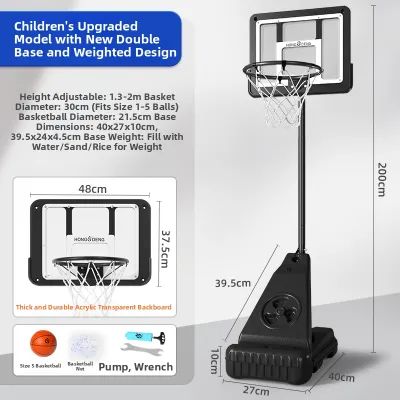
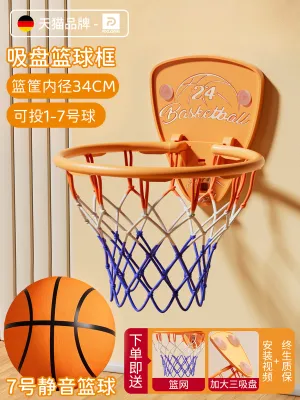
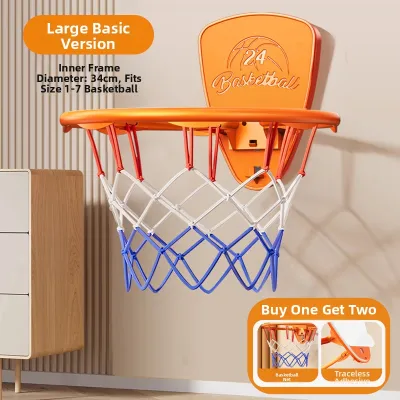
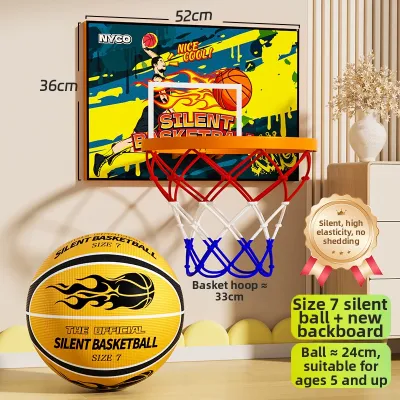
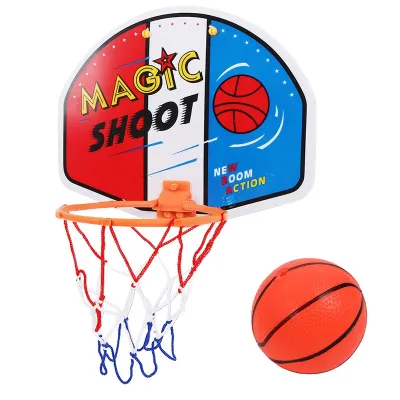
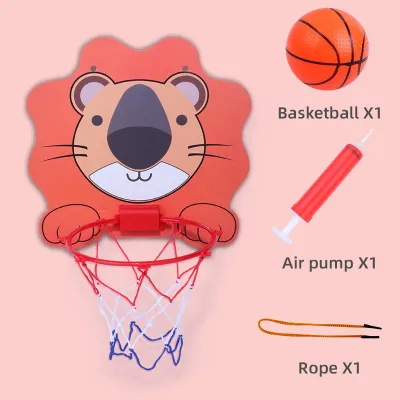
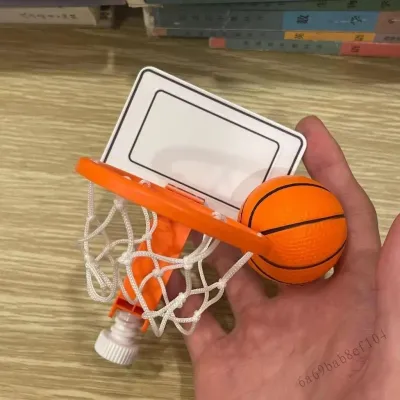
Prices are valid at publication and may change. Please refer to the product page for the latest price.
You can easily diagnose if a hoop is too high by observing your child’s physical movements during play. Watch for a “push shot,” where the child launches the ball from their chest or chin using both hands, rather than releasing it above their eyes with one dominant hand guiding the shot. Other clear warning signs include a completely flat shot trajectory that lacks a natural arc, rapid physical fatigue in the shoulders and arms, and a tendency to throw the ball forcefully at the backboard rather than aiming cleanly for the rim. When children must strain every muscle just to reach the target, they quickly become frustrated.
On the other hand, a hoop that is too low presents its own set of developmental challenges. If your child can score with almost zero physical effort, they will not develop the lower-body leg drive required for authentic basketball shooting. They often develop a flat, lazy shot trajectory because they do not need to arc the ball over a realistic obstacle. Without a moderate level of challenge, the game quickly loses its excitement, leading to boredom and a lack of interest in practicing.
To ensure your child is playing at the optimal level, conduct a quick self-check framework. Stand directly to the side of your child while they take 10 to 15 shots from a comfortable shooting distance. From this lateral perspective, evaluate their shooting form: look for a relaxed knee bend, a high release point, and a consistent follow-through. Assess their overall confidence and the consistency of their shot arc; if their form breaks down or varies wildly from shot to shot, it is a clear signal that the rim needs to be lowered.
Standard Basketball Hoop Heights by Age and Development Stage
Youth basketball organizations worldwide utilize a progressive height framework to support young players as they grow. For children aged 5 to 7 who are in kindergarten or early primary school, a rim height of 6 to 7 feet (approximately 1.8 to 2.1 metres) is widely recommended. At this tender stage, the primary goal is to foster basic hand-eye coordination, introduce the concept of targeting a rim, and make sure the experience remains highly rewarding.

As children enter middle primary school, typically between the ages of 8 and 10, their physical strength and motor skills mature significantly. During this developmental phase, the baseline recommendation shifts to a height of 8 or 9 feet (approximately 2.4 to 2.7 metres). This height provides enough of a challenge to encourage proper shooting form, requiring the child to use their legs for power, while remaining low enough to allow for consistent scoring success.
By the time a child reaches 11 or 12 years of age—usually corresponding to upper primary or the transition to secondary school—they are generally ready to transition to the standard 10-foot (3.05-metre) rim. However, parents must treat these age brackets as flexible baseline guidelines rather than rigid laws. Every child develops at a unique pace, and physical stature can vary dramatically among peers of the same age.
When deciding whether to adjust the rim, always prioritize your child’s individual height, physical strength, and current skill level over chronological age. A taller or highly coordinated child who has played for years may comfortably handle a higher rim ahead of schedule. Conversely, a beginner who is smaller in stature or still building core stability will benefit immensely from spending extra time practicing on a lower, more manageable hoop to preserve their shooting form.
If your child plans to play in organized local competitions, it is highly beneficial to check the specific rules of youth basketball associations or school sports councils in Singapore. For instance, leagues organized under school sports programs or national youth academies may adjust their official rim heights based on specific age divisions to ensure fair play. Aligning your home practice setup with these local league standards helps your child transition smoothly from backyard play to competitive games.
Ultimately, the core guiding principle is to find a balanced height that stretches your child’s abilities without breaking their form. The rim should always be high enough to demand a technically sound, upward shooting motion, yet low enough to let them experience the thrill of a clean basket. This delicate balance keeps motivation high while reinforcing excellent physical habits.
Key Features to Look for in an Adjustable Kids' Basketball Hoop
Investing in an adjustable basketball hoop allows the equipment to grow alongside your child, providing years of active play. When evaluating different models, the height adjustment mechanism is a primary feature to consider. Budget-friendly hoops often utilize telescopic poles, which require you to tilt the entire unit, loosen a manual knob or bolt, slide the pole to the desired notch, and secure it back in place. While highly secure, this manual pin method usually requires adult strength and tools, meaning your child cannot adjust the height independently. More advanced models feature crank handles or counterbalanced trigger systems that allow for smooth, effortless adjustments with one hand, offering superior convenience and safety.
Base stability is another critical factor, particularly for portable outdoor hoops that must withstand active play and weather elements. These units feature a hollow plastic base that you must fill with ballast to prevent tipping. Sand and water are the two standard options, each with distinct trade-offs. Sand is significantly denser and heavier than water, providing exceptional stability against strong winds and aggressive play; however, it is highly challenging to pour into the small fill hole and almost impossible to remove easily. Water is incredibly convenient to fill using a garden hose and simple to drain if you need to relocate or store the hoop, but it runs the risk of slow, unnoticed leaks that can quietly compromise the hoop’s stability.
The material and size of the backboard directly influence both durability and the quality of the ball’s bounce. Polycarbonate backboards are highly impact-resistant and virtually indestructible, making them an excellent, budget-friendly choice for younger children who are still mastering their aim. Acrylic backboards offer a clearer, professional aesthetic and a much more realistic rebound bounce, balancing cost with performance. Tempered glass is the gold standard used in professional arenas, providing unmatched rebound responsiveness; however, it is heavy, expensive, and can shatter if the hoop tips over or is struck by a hard, non-basketball object.
Finally, pay close attention to the rim design based on your child’s age and playing style. Standard static rims are bolted directly to the backboard frame and are perfectly adequate for younger children practicing basic shooting. As players grow older, stronger, and begin attempting more aggressive moves, a breakaway or flex rim becomes essential. These rims feature enclosed steel springs that compress under downward pressure, absorbing the impact of a shot or an accidental hand contact, which protects the backboard from cracking and safeguards the player’s wrists from impact injuries.
Safe Setup and Space Planning for Your Home or Estate
Setting up a basketball hoop at home requires careful spatial planning to ensure a safe playing environment. Begin by measuring the available clearance around your intended setup area, keeping a safe distance from walls, fences, windows, and overhead hazards like low-hanging tree branches or roof gutters. You must also account for the “overhang” of the hoop, which is the horizontal distance between the support pole and the backboard. A larger overhang creates a safer playing zone by allowing children to drive to the basket and layup without running the risk of colliding with the metal support pole.
Tipping hazards represent the most significant safety risk associated with portable basketball hoops. You must strictly enforce a rule against hanging, swinging, or climbing on the rim or support structure, as even a heavily weighted base can tip forward under a child’s body weight. Always fill and weight the base precisely according to the manufacturer’s instructions before allowing any play to begin. Periodically inspect the base for physical cracks, water leaks, or shifting sand to ensure the unit remains perfectly stable.
Maintaining outdoor sports equipment in Singapore’s tropical climate requires proactive care to combat high humidity, intense sunlight, and heavy rainfall. Regularly inspect all metal components, including bolts and the adjustment pole, for early signs of rust, and apply a rust-inhibiting spray if necessary. Ensure the net is made of UV-stabilized nylon to prevent the tropical sun from degrading and tearing the fibers over time. During periods of prolonged heavy rain or monsoon seasons, consider draining a water-filled base and moving the hoop to a sheltered storage area to prevent strong wind gusts from knocking it over.
Living in a high-density urban environment like Singapore means home play often intersects with shared community spaces. If you are setting up a portable hoop near condominium driveways, common corridors, or HDB void decks, verify that the equipment does not obstruct pedestrian pathways, fire engine access routes, or parking spaces. Additionally, be mindful of the repetitive noise generated by a basketball bouncing on concrete and striking the backboard; establishing reasonable play hours during the day helps keep the peace with your neighbors while keeping your young athlete active.
Frequently Asked Questions (FAQ)
At what age should a child transition to a standard 10-foot basketball hoop?
Most children transition to the official 10-foot (3.05-metre) rim around 11 to 12 years old, which typically coincides with their entry into secondary school or competitive youth leagues. However, physical readiness should always take precedence over age. Your child should only make the transition to a 10-foot hoop when they possess the core, leg, and upper-body strength to shoot with proper mechanics and a natural arc, rather than resorting to a low-efficiency push shot from the chest.
Can I use a portable basketball hoop indoors?
While some compact, lightweight hoops are designed for indoor play, standard outdoor portable hoops are not suitable or safe for indoor residential spaces. They require immense vertical clearance and a large, heavily weighted footprint that can easily damage flooring or pose a severe tipping hazard. For indoor bedrooms or play areas, wall-mounted or over-the-door mini hoops paired with foam balls are a much safer and highly practical alternative.
How often should I adjust the height of my child's basketball hoop?
It is highly recommended to evaluate your child’s shooting form and physical growth every 6 to 12 months. When you observe that they can consistently make shots with clean mechanics and a high arc at their current setting, raise the rim incrementally—ideally by about 6 inches (15 cm) at a time. Avoiding sudden, large height increases allows their muscle memory and shooting form to adapt smoothly and maintain accuracy.
Community discussion
Share your experience or ask a question. Comments are reviewed before publication.